Hiroshima Okonomiyaki at Okonomimura 2026: How to Order (¥800–¥2,200 Stalls)
Okonomimura: 24 stalls across 4 floors in Shintenchi, ¥800–¥1,500 standard (¥1,500–¥2,200 with toppings), open 11:00–22:00. Floor map, top 5 stalls, romaji ordering script. 2026 guide.
On this page
How to Eat Hiroshima Okonomiyaki at Okonomimura: 7 Essential Tips
Visiting Hiroshima means tasting the city's most famous soul food at the legendary Okonomimura building. This multi-story food theme park houses dozens of stalls dedicated to the art of layered savory pancakes. Knowing how to eat hiroshima okonomiyaki at okonomimura will transform your visit into a truly local culinary adventure. Prepare your appetite for a sensory journey filled with sizzling grills and savory aromas.
You will find this massive food hub located in the heart of the Shintenchi district near the Hondori shopping arcade. It serves as a central pillar for foodies exploring the best Hiroshima attractions during their stay. The building houses 24 independent stalls spread across four floors (2F–5F), each offering a slightly different take on the classic recipe. Navigating this delicious maze requires a bit of local knowledge to ensure you find the perfect seat.
Whether you are a solo traveler or with a group, the atmosphere here is always welcoming and lively. Chefs prepare every dish right in front of you on large communal teppan grills. This guide will walk you through the history, the etiquette, and the best ways to enjoy this iconic meal. Let's dive into the secrets of the world's most famous okonomiyaki village.
What is Okonomimura? (The Okonomiyaki Village)
Okonomimura translates literally to Okonomiyaki Village, and it has served locals since the post-war era. The site began as a collection of simple street stalls in the ruins of the city after World War II. These stalls provided affordable and filling meals to residents during a time of extreme food rationing. Over the decades, these independent vendors moved into the current multi-story building to preserve their heritage.
Today, the building is a celebrated food theme park that draws thousands of hungry visitors every year. It represents the resilience of the city and its commitment to preserving traditional culinary techniques. You can feel the history in the air as you walk past the rows of vintage-style banners. Each floor maintains a nostalgic atmosphere that reminds guests of the original street-stall culture.
The building is officially recognized as a top food destination by the visit-hiroshima.com tourism board. It remains a favorite spot for both international tourists and local salarymen looking for a quick lunch. You will find the 24 stalls spread across the second through fifth floors of the complex, with most action concentrated on 2F and 3F. This vertical layout makes it easy to browse different menus before committing to a specific chef.
Hiroshima vs. Osaka Style: Understanding the Layers
The primary difference between Hiroshima and Osaka styles lies in how the ingredients are combined. In Osaka, the chef mixes the batter and ingredients together before pouring them onto the hot grill. The Hiroshima style uses a layered approach that keeps each ingredient distinct and flavorful. This technique requires more skill and precision from the chef to maintain the structural integrity of the dish.
A classic Hiroshima okonomiyaki starts with a thin, crepe-like base made from flour and water. The chef then piles a massive amount of shredded cabbage on top of this delicate foundation. As the cabbage steams, it becomes sweet and tender, creating the signature texture of the meal. This process takes time, so expect to wait about 15 to 20 minutes for your order to finish.
Noodles are another essential component that sets the Hiroshima version apart from its Osaka cousin. You can usually choose between yakisoba (wheat noodles) or udon (thick rice noodles) for your middle layer. Most locals prefer yakisoba because the thin noodles become slightly crispy on the hot teppan grill. The entire stack is eventually topped with a fried egg and a generous amount of sweet-savory sauce.
- The Thin Crepe Base
- Layer: Bottom foundation
- Purpose: Holds ingredients together
- Texture: Soft and light
- Ingredients: Flour and water
- Shredded Cabbage Mountain
- Layer: Second layer
- Purpose: Adds natural sweetness
- Volume: Very high
- Cooking: Steamed under a lid
- Crispy Yakisoba Noodles
- Layer: Third layer
- Choice: Soba or Udon
- Texture: Crunchy and savory
- Seasoning: Lightly grilled
- Fried Egg Topping
- Layer: Top layer
- Style: Thinly spread
- Purpose: Binds the sauce
- Finish: Sprinkled with seaweed
Okonomimura Floor Map, Hours, and 2026 Prices
Okonomimura occupies floors 2 through 5 of the Shintenchi Plaza building, with 24 stalls in total. The 2F and 3F levels host the heaviest concentration of stalls and are usually the busiest at peak hours. The 4F is quieter, with a handful of stalls that locals use to escape the lunch rush. The 5F holds two or three smaller specialty vendors plus restrooms and overflow seating.
Floor-by-floor breakdown (2026):
- 2F — entry level after the elevator. ~9 stalls, the busiest tier. Expect lines 12:00–13:30 and 18:30–20:00. Most tourist-friendly with English menus on the counter.
- 3F — ~8 stalls, similar layout to 2F. Quieter mid-afternoon (14:00–17:00). Several long-standing veterans cook here.
- 4F — ~5 stalls including Atom (no-oil cooking). Best floor for solo travelers who want a calmer counter.
- 5F — 2–3 specialty stalls plus restrooms. Reach via stairs from 4F.
2026 prices (in JPY):
- Standard pork-and-egg (Niku-Tama Soba): ¥800–¥1,500
- With premium toppings (oyster, squid, shrimp, mochi, double cheese): ¥1,500–¥2,200
- Drinks (oolong tea, draft beer, soft drinks): ¥300–¥600
- Most stalls now accept credit cards and IC cards (Suica, ICOCA), but a handful of veterans remain cash-only.
Opening hours (2026): most stalls run 11:00–22:00 daily, with last orders ~21:30. Individual stalls vary — Atom and a few 4F vendors close earlier (~21:00), and one or two stalls take Tuesdays or Wednesdays off. Check the official okonomimura.jp directory for the day-of schedule before traveling specifically for one stall.
How to Navigate the Four Floors of Okonomimura
Walking into Okonomimura can feel overwhelming because of the sheer number of choices available. There are 24 stalls spread across four floors, each with its own loyal following. Don't feel pressured to pick the first stall you see when you step off the elevator. Take a full lap around each floor to see which stall has the best vibe for you.
The seating at every stall consists of stools arranged around a large, rectangular teppan grill. This setup allows you to watch the chef's impressive knife skills and flipping techniques up close. It also creates a social environment where you might strike up a conversation with your neighbor. Solo travelers often find this counter-seating culture much more comfortable than traditional restaurant tables.
If you are following a Hiroshima landmarks 1-day itinerary, plan your visit for a late lunch. Most stalls are open from 11:00 AM until late at night, but the midday rush is intense. Arriving around 1:30 PM usually means you can find a seat without waiting in a long line. Check the official okonomimura.jp website for specific closing times of individual stalls.
Keep in mind that some stalls are more tourist-friendly than others regarding English menus. Look for signs or menus displayed on the counter before you decide where to sit down. Even if a stall lacks English text, the process of pointing at ingredients is very common. The chefs are generally very patient and used to helping international guests navigate the menu.
Step-by-Step: How to Eat Hiroshima Okonomiyaki at Okonomimura
Once you take a seat, the first step is to order your base okonomiyaki and any extra toppings. The 'Nikutama Soba' is the standard choice, which includes pork, egg, and yakisoba noodles. You can add extras like squid, shrimp, or even double cheese to customize your flavor profile. Ordering a cold drink like oolong tea or a local beer helps balance the rich sauce.
The chef will begin preparing your meal directly on the grill right in front of your seat. Watching the layering process is part of the entertainment and builds anticipation for the first bite. They will use two large spatulas to flip the entire stack with incredible speed and accuracy. Wait until the chef slides the finished dish toward you on the warm part of the grill.
The most authentic way to eat is by using the small metal spatula known as a 'hera'. Instead of moving the whole pancake to a plate, you cut small bite-sized squares directly on the grill. This keeps the food piping hot from the first bite until the very last morsel. Using the hera to lift the food to your mouth is a skill that locals take great pride in.
If you find the spatula difficult to use, it is perfectly acceptable to ask for chopsticks and a plate. Most stalls keep these items under the counter or will provide them upon request. Don't forget to use the extra squeeze bottles of Otafuku sauce if you want more flavor. Many guests also enjoy adding a dash of spicy red pepper or dried seaweed flakes.
Remember that the grill stays very hot throughout your entire meal. Avoid touching the metal surface with your hands or arms while you are reaching for your food. The heat ensures that the bottom layer of noodles stays crispy while you enjoy the meal. Take your time and savor the complex layers of flavor that define this Hiroshima staple.
Ordering Script: Romaji Phrases for Non-Japanese Speakers
Direct answer: To order a standard Hiroshima okonomiyaki, sit at the counter, get the chef's attention with "sumimasen," then say "hiroshima-yaki kudasai" ("Hiroshima okonomiyaki, please"). Add toppings with the noun plus "o-negai-shimasu". Most stalls have picture menus, so pointing works as a backup. Pay at the counter with cash or card after eating.
Memorize these six phrases and you can order at any stall in the building without speaking English:
- "Sumimasen" — Excuse me / waiter (use to flag the chef).
- "Hiroshima-yaki kudasai" — One Hiroshima okonomiyaki, please. The standard order — pork, egg, yakisoba noodles, sauce.
- "Niku-tama soba o-negai-shimasu" — Pork-egg-soba, please (the formal way to order the standard).
- "Cheese / kaki / ika / ebi tsuika" — Add cheese / oyster / squid / shrimp (use for premium toppings).
- "Niku-nashi" — No meat (vegetarian request — say before the chef starts cooking).
- "Okaikei o-negai-shimasu" — The check, please.
Polite bookends: say "itadakimasu" before the first bite and "gochisousama-deshita" when you finish. If a stall has a tablet or paper menu with photos, pointing plus "kore" ("this one") works just as well as the full phrases.
Top 5 Okonomimura Stalls (2026)
Direct answer: The five stalls most consistently recommended by Hiroshima locals and travel writers in 2026 are Hassei (3F, classic standard), Kemuri (2F, smoky char), Lopez (3F, Guatemalan-Japanese fusion with chorizo), Chii-chan (4F, family-run home style), and Atom (4F, no-oil lighter version). All five serve the standard niku-tama-soba in the ¥900–¥1,400 range and add premium toppings up to ¥2,000.
- Hassei (はっせい) — 3F. The benchmark traditional Hiroshima-yaki: extra-crispy yakisoba, generous cabbage mountain, balanced Otafuku sauce. Standard ¥1,000, oyster topping +¥600. Open 11:00–22:00.
- Kemuri (けむり) — 2F. Famous for a smokier char on the cabbage and a slightly thicker pork belly cut. Best for travelers who want a heavier, more flavor-forward version. Standard ¥1,100. Open 11:30–22:00.
- Lopez (ロペス) — 3F. Run by a Guatemalan chef who has cooked in Hiroshima for over two decades. Adds chorizo and jalapeño as optional toppings — a one-of-a-kind fusion you won't find elsewhere. Standard ¥1,200, with chorizo ¥1,500. Open 11:00–22:00, closed Tuesdays.
- Chii-chan (ちぃちゃん) — 4F. Tiny family-run stall with a more home-style sauce and warmer welcome for solo travelers. English picture menu available. Standard ¥900, oyster ¥1,500. Open 11:00–21:30.
- Atom (アトム) — 4F. Cooks without added oil and uses organic vegetables, producing a lighter pancake. Best for travelers who normally find okonomiyaki too heavy. Standard ¥1,200. Open 11:00–21:00.
If you want the safest first-timer pick, head to Hassei on 3F — it is the closest representation of the textbook Hiroshima style. For something memorable, Lopez delivers a flavor profile no other stall in the building offers. For a quieter, less crowded experience, Chii-chan on 4F is the one to seek out.
While every stall in the building is high quality, a few have gained legendary status among foodies. Choosing the right stall depends on whether you want a traditional taste or a modern twist. If you are on a tight Hiroshima travel budget, most basic versions still come in under ¥1,200 in 2026.
Essential Etiquette and Pro-Tips for First-Timers
Counter dining at Okonomimura is relaxed but a few habits set tourists apart from regulars. Tipping is not expected and will be politely refused — the price on the menu is the price you pay. Say itadakimasu before the first bite and gochisousama-deshita when you stand up; chefs notice and many will smile back. Don't reach across the grill or move the cooking spatulas yourself, even to be helpful.
Counters are tight, with roughly 40–60 cm of elbow room per seat. Leave large suitcases at the JR Hiroshima Station coin lockers (¥400–¥800) or the Hatchobori-area lockers; under-counter hooks fit one daypack, not a roller bag. Two-person groups should sit side by side rather than across the grill so the chef can plate to one spot.
Cold oolong tea (¥300) cuts through the rich Otafuku sauce better than water and is the local default for lunch. Draft Asahi or Kirin (¥500–¥600) is the standard dinner pairing. Most stalls now accept Visa, Mastercard, and IC cards (Suica, ICOCA, PASMO), but Hassei, Chii-chan, and a couple of veteran 5F stalls remain cash-only — keep a few ¥1,000 notes on hand. Tax is included on the posted price.
One first-timer mistake worth avoiding: don't try to flip or rearrange your okonomiyaki on the grill. The chef builds the layers in a deliberate order and will finish the cooking even after sliding it to your side of the teppan. Just cut, lift, eat, repeat. If the bottom layer cools, push it back toward the centre of the grill for thirty seconds rather than asking for a microwave.
Okonomimura vs. Other Hiroshima Okonomiyaki Spots
Okonomimura is the most famous okonomiyaki destination in the city, but it is not necessarily where most locals eat. Travel writers tend to skip this comparison; understanding it helps you decide whether to commit one meal or two. The building wins on atmosphere, variety, and proximity to Hondori shopping. It loses on speed and on the truly elite single-stall experience.
Three nearby alternatives are worth knowing. Nagataya, two blocks from the Atomic Bomb Dome, has a 30–60 minute queue at peak but is widely cited by Hiroshima residents as the cleanest, most refined version in the city centre — standard ¥1,300, oyster ¥1,800. Hassho in Fukuromachi specialises in extra-thick pork belly and a darker sauce; faster turnover, ¥1,100 standard. Ekimae Hiroba on the 6F of the Hiroshima Station building (Asse) clusters a half-dozen branded stalls with shorter waits, ideal if you only have a Shinkansen layover.
The honest verdict in 2026: come to Okonomimura for the variety and the food-theme-park experience — being able to compare three stalls in one block is unique. Go to Nagataya or Hassho if you only have one okonomiyaki meal in Hiroshima and want the textbook reference. Both approaches are valid; both are part of the city's food culture.
Accessibility, Families, and Dietary Restrictions
The Shintenchi Plaza building has a single elevator serving floors 2F–5F, which makes Okonomimura more accessible than most Hiroshima food halls — a detail competitor guides routinely skip. The elevator is narrow (fits one wheelchair plus one companion). Counter heights are standard Japanese teppan height (~75 cm), which is workable from a wheelchair at most stalls; Atom (4F) and Chii-chan (4F) have the easiest sightlines. There is a single accessible restroom on 5F. Strollers fit at the counter only when collapsed; most parents leave them in the lobby corner.
Families with children: the chefs are used to kids and many stalls offer a half-size pancake (han-mae, ¥600–¥800) on request. Booster seats are not provided — small children sit on the regular stools or on a parent's lap. The teppan grill stays at roughly 200°C throughout the meal, so seat children on the inside seat away from the grill edge.
Dietary restrictions need a careful conversation that most English guides understate:
- Gluten — the crepe base, yakisoba noodles, and Otafuku sauce all contain wheat. Hiroshima-yaki is not realistically achievable gluten-free at Okonomimura. Celiacs should consider rice-based alternatives elsewhere.
- Vegetarian / vegan — say "niku-nashi, tamago-nashi de o-negai-shimasu" (no meat, no egg). The dashi powder in the sauce often contains bonito (katsuo), which is fish-derived — strict vegetarians should ask "katsuo haittemasuka?" (does it contain bonito?). Atom on 4F is the most flexible and uses a lighter sauce.
- Shellfish allergy — many sauces and toppings contain dried shrimp (sakura-ebi) or oyster extract. Confirm with "ebi/kaki arerugii ga arimasu".
- Egg allergy — possible to skip the top egg, but the noodle layer is sometimes coated in egg before grilling. Ask first.
If a stall cannot safely accommodate your restriction, the chef will say so directly rather than improvise — which is the safer outcome. Walk one floor up and try another vendor.
Getting to Okonomimura in the Shintenchi District
Okonomimura sits inside the Shintenchi Plaza building at 5-13 Shintenchi, Naka-ku, Hiroshima — one block east of the Hondori covered arcade. The fastest arrival is the Hiroden streetcar to Hatchobori (lines 1, 2, 6, 9), then a five-minute walk south through the arcade. The flat ¥240 fare covers any single ride within the city.
From JR Hiroshima Station, take Hiroden line 1 or 2 toward Hiroshima-eki and get off at Hatchobori (12–15 minutes). From the Peace Memorial Park and Atomic Bomb Dome, it is a flat 12–15 minute walk east; alternatively take the streetcar from Genbaku Dome-mae to Hatchobori (one stop). The Hiroshima Sightseeing Loop Bus stops at Hatchobori on its orange and green routes — useful if you hold a JR Pass since the loop bus is included.
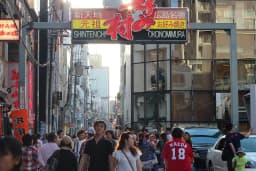
Look for the orange "お好み村" sign and a narrow entrance squeezed between street-level shops; the elevator is straight in on the right. The building has no street-facing signage in English, which trips up first-timers — if you reach Parco department store you have walked one block too far. This central location makes Okonomimura a natural late-lunch or early-dinner stop after visiting the 15 best things to do in Hiroshima in 2026 or finishing a half-day at the Peace Park.
Frequently Asked Questions
What is Okonomimura and how do you eat there?
Okonomimura is a four-floor okonomiyaki theme building in the Shintenchi district of Hiroshima, housing 24 independent stalls dedicated to Hiroshima-style layered pancakes. To eat there, take the elevator to floors 2–5, walk one lap to compare stalls, sit on a stool at a teppan counter, say "hiroshima-yaki kudasai" to order the standard pork-egg-soba pancake, and eat directly off the hot grill using a small metal spatula (hera). Standard pancakes cost ¥800–¥1,500 in 2026, most stalls open 11:00–22:00, and no reservations are needed. For deeper technique, see our guide to eating Hiroshima-style okonomiyaki like a local.
What is the difference between Hiroshima and Osaka okonomiyaki?
The main difference is the cooking method. Osaka style mixes all ingredients into a batter before grilling. Hiroshima style layers ingredients individually, starting with a thin crepe and adding large amounts of cabbage, yakisoba noodles, pork belly, and a fried egg on top. This creates a taller, more textured dish compared to the flatter, denser Osaka version.
Do I need a reservation for Okonomimura?
No, reservations are generally not required or accepted at the individual stalls. Most visitors simply walk in and find an open stool at a counter they like. If a specific stall is full, you can wait nearby or try another vendor on a different floor. Peak lunch hours (12:00–13:30) and dinner (18:30–20:00) are the busiest times.
How much does a meal cost at Okonomimura in 2026?
A standard pork-egg-soba okonomiyaki costs between ¥800 and ¥1,500 in 2026. Adding premium toppings like oysters, squid, shrimp, or double cheese pushes the price to ¥1,500–¥2,200. Drinks (oolong tea, draft beer, soft drinks) run ¥300–¥600. Plan on roughly ¥1,500–¥2,500 per person all-in. It remains one of the most affordable budget-friendly meals in the city.
What are the opening hours at Okonomimura?
Most stalls inside Okonomimura are open 11:00–22:00 daily, with last orders around 21:30. A handful of 4F vendors close earlier (~21:00), and one or two stalls take Tuesdays or Wednesdays off. The building itself is open all year. Best off-peak windows are 10:30–11:30 (just after opening) and 14:30–17:00 (between lunch and dinner rush).
Which Okonomimura stall should a first-timer try?
For a textbook Hiroshima-yaki, sit at Hassei (3F) — extra-crispy yakisoba, generous cabbage, balanced Otafuku sauce, ¥1,000 standard. For something memorable that no other stall offers, try Lopez (3F), which adds Guatemalan chorizo and jalapeño. For a calmer counter and warm welcome, head to Chii-chan (4F). All three speak enough English to walk you through the menu.
Can I get vegetarian okonomiyaki at Okonomimura?
Yes, many stalls can accommodate vegetarians by removing the pork belly and dried shrimp. Clearly state "niku-nashi" (no meat) when ordering. Some stalls also offer specific vegetarian versions with extra vegetables or mochi. Always confirm with the chef before they start grilling your order — once the batter and pork hit the grill, modifications become much harder.
Mastering how to eat hiroshima okonomiyaki at okonomimura is a highlight of any trip to Japan. The combination of historical significance and delicious, layered flavors creates an unforgettable dining experience. By following these tips, you can navigate the stalls and eat like a local with confidence.
Don't be afraid to try different stalls or experiment with various toppings during your stay. Each visit offers a chance to see a new chef's unique style and personality on the grill. Enjoy the warmth of the teppan and the rich taste of Hiroshima's favorite comfort food.