15 Best Things To Do In Hiroshima 2026 (With 2026 Prices & Hours)
The 15 best things to do in Hiroshima in 2026 — Peace Memorial Park (free), Peace Museum (¥200), Miyajima's floating Itsukushima Shrine (¥300), Hiroshima Castle (¥370), Shukkeien Garden (¥260), Mazda Museum, and 9 more, with 2026 hours, costs, and a 2-day plan.
On this page
15 Best Things To Do In Hiroshima 2026 (With 2026 Prices & Hours)
The 15 best things to do in Hiroshima in 2026 are Peace Memorial Park (free), the Peace Memorial Museum (¥200), Miyajima Island and Itsukushima Shrine (¥300 entry), Hiroshima Castle (¥370), Shukkeien Garden (¥260), Okonomimura, the Mazda Museum, Mitaki-dera, Orizuru Tower, the Hiroshima Museum of Art, the Shimanami Kaido cycling route, a Carp baseball game, the historic Hiroden streetcars, Rabbit Island (Okunoshima), and Nagarekawa nightlife. Most travelers cover the highlights in 2 days, with Miyajima as the must-see day trip.
This 2026 guide gives you exact ticket prices in yen, opening hours, and the most efficient order to visit each one. If you only have 24 hours, jump to the Hiroshima and Miyajima 1 day itinerary; if you're coming from Kansai, see the Hiroshima day trip from Osaka and Kyoto for the optimal Shinkansen timing.
Best Things To Do In Hiroshima For First-Timers (Quick Shortlist)
If you only have one day, prioritize these five: Peace Memorial Park (morning), the Peace Memorial Museum, lunch at Okonomimura, the ferry to Miyajima for Itsukushima Shrine, and sunset back at the Genbaku Dome. This shortlist hits every UNESCO site, the city's defining history, the iconic local dish, and the most photographed view in western Japan.
- Peace Memorial Park & Genbaku Dome — free, 24/7, allow 60–90 min
- Peace Memorial Museum — ¥200 adult, opens 7:30 AM in summer, allow 2 hours
- Itsukushima Shrine (Miyajima) — ¥300 adult, ferry ¥360 each way, allow 4–6 hours total
- Okonomimura — ¥1,000–1,500 per okonomiyaki, open 11 AM–2 AM
- Hiroshima Castle — ¥370 adult, 9 AM–6 PM (Mar–Nov), 9 AM–5 PM (Dec–Feb)
1. Hiroshima Peace Memorial Park and Genbaku Dome
Peace Memorial Park is the city's spiritual core — a 12-hectare green space along the Motoyasu River, free to enter and open 24 hours. The skeletal Genbaku Dome (A-Bomb Dome) is a UNESCO World Heritage site and the most photographed structure in Hiroshima. Most visitors spend 60–90 minutes walking from the Cenotaph to the Children's Peace Monument before crossing into the museum, with the Memorial Cenotaph framing the eternal flame and the dome in a single sight line.
Arrive before 9:00 AM if you want quiet shots without coach-tour crowds; the volunteers at the Rest House and the survivor-storyteller sessions inside the East Building are most active 10:00 AM onward. Check the City of Hiroshima — Peace Memorial Park page for current event schedules and any monument restoration closures in 2026.
Visitors in 2026 can attend the 81st Peace Memorial Ceremony if they are in town on August 6 — see the guide to attending the Peace Memorial Ceremony 2026 for the schedule, security checkpoints, and seating etiquette. The same evening, the Toro Nagashi lantern-floating ritual on the Motoyasu River runs from roughly 6:30 PM to 9:00 PM and is the most under-publicized free event in the city — paper lanterns are sold for ¥600 along the riverbank.
2. Hiroshima Peace Memorial Museum (¥200 Adult, 2026)
The Peace Memorial Museum tells the human story of August 6, 1945 through personal artifacts, photographs, and survivor testimony. 2026 admission is ¥200 for adults, ¥100 for high-school students, and free for elementary and junior-high children. Hours run 8:30 AM–6:00 PM (Mar–Jul, Sep–Nov), 7:30 AM–7:00 PM in August, and 8:30 AM–5:00 PM in winter, with extended 9:00 PM closing on August 5 and 6 for ceremony visitors.
Online reservations on the official site are free, take two minutes, and skip the 30–60 minute walk-up queue during cherry-blossom week, Golden Week (April 29–May 5), Obon (mid-August), and the November maple-color peak. Audio guides are available in English, Mandarin, Korean, French, Spanish, and German for ¥400 and add roughly 40 minutes of context. Plan a minimum of two hours inside; allow three if you read every panel in the East Building's pre-1945 history wing.
For the full breakdown of opening hours by season, ticket costs, and how to attend the August 6 ceremony, see our Hiroshima Peace Memorial Museum hours and ceremony guide for 2026. After exiting, the National Peace Memorial Hall for the Atomic Bomb Victims (free, just south of the museum) houses a 360-degree panorama of the post-bomb cityscape and a name-and-photograph search archive that most visitors miss.
3. Miyajima Island and Itsukushima Shrine (¥300 Entry, 2026)
Miyajima Island sits 25 minutes by JR ferry from Miyajimaguchi, and the famous floating torii gate of Itsukushima Shrine stands offshore at high tide. 2026 shrine admission is ¥300 adults, ¥200 high-school, ¥100 elementary; the ferry costs ¥360 one-way, plus a ¥100 island visitor tax collected at boarding. The shrine opens 6:30 AM–6:00 PM in summer and closes 5:30 PM in winter — for full timing logistics see how to visit Itsukushima Shrine and time the tides.
The torii only "floats" within roughly two hours of high tide — at low tide you can walk out to the base, which is a different but equally photogenic experience. Check the official tide table the night before; if your window lands on low tide, walk Omotesando shopping street, climb to Daisho-in Temple (free, often emptier than the main shrine), and ride the Mt. Misen ropeway (round-trip ¥2,000 in 2026) before the tide turns.
Wild sika deer roam Omotesando and the shrine approach; they will steal paper maps and leaflets, so keep printouts in a zipped bag. Stay overnight at one of the island ryokan if you want the illuminated torii after the 5:30 PM ferry crowd departs — rooms at Iwaso or Kinsuikan run ¥35,000–60,000 per person with two meals in 2026, but the post-sunset shrine is the single best photograph in western Japan.
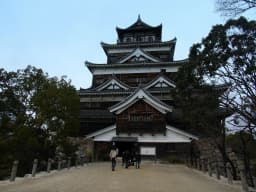
4. Hiroshima Castle (Carp Castle, ¥370 Adult)
Hiroshima Castle is a 1958 reconstruction of the original 1589 keep built by Mori Terumoto and destroyed in the 1945 bombing. 2026 admission to the main keep is ¥370 adults, ¥180 children; the outer grounds and moat are free year-round. Hours are 9:00 AM–6:00 PM (March–November) and 9:00 AM–5:00 PM (December–February), with last entry 30 minutes before closing.
The keep houses a five-floor history museum tracing the Mori, Fukushima, and Asano clans; the top floor delivers a 360-degree view of the city, the Chugoku mountains, and on clear days the Inland Sea ferries. Cherry blossoms peak in late March and the moat lights up nightly during the Hanami illumination through early April. Visit the official Hiroshima Castle page for current temporary exhibitions in 2026.
The grounds also hold Gokoku Shrine and a surviving eucalyptus tree that survived the 1945 blast — both free and worth ten minutes after the keep. Streetcar lines 1, 2, 3, and 6 stop at Kamiyacho-higashi, a six-minute walk; combine the castle with Shukkeien (15 min walk east) for a single afternoon loop.
5. Shukkeien Garden (¥260 Adult)
Shukkeien Garden is a 1620 Edo-era landscape garden designed by tea master Ueda Soko for the daimyo Asano Nagaakira. 2026 admission is ¥260 adults, ¥150 high-school and college, ¥100 elementary and junior-high. Hours are 9:00 AM–6:00 PM (April–September) and 9:00 AM–5:00 PM (October–March). It sits a 10-minute walk from Hiroshima Station, making it the easiest authentic Japanese garden stop on a tight schedule.
The name translates as "shrunken-scenery garden" because the layout miniaturizes mountains, valleys, and forests around a central pond fed by the Kyobashi River. The Seifukan tea house serves matcha and a wagashi sweet for ¥500 in 2026 and is the quietest place in central Hiroshima to sit for fifteen minutes. Plum blossoms peak in February, irises in June, and maple-color season in mid-November draws the largest crowds — see best season for autumn colors for foliage timing.
Joint tickets with the adjacent Hiroshima Prefectural Art Museum cost ¥610 and save ¥160 over separate entry. Allow 45–60 minutes for the loop; photographers should head straight to the Koko-kyo arched bridge for the postcard shot, which fills with selfie sticks after 11:00 AM.
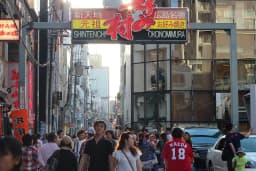
6. Okonomimura: The Ultimate Okonomiyaki Experience
Okonomimura is a four-floor building in central Hiroshima housing 25+ stalls dedicated entirely to Hiroshima-style okonomiyaki — layered, not mixed, with cabbage, pork, soba or udon noodles, and egg griddled into a 4 cm stack. A standard pork-egg-soba pancake costs ¥1,000–1,500 in 2026; oyster or seafood versions run ¥1,500–2,200; cheese, mochi, and squid add-ons are typically ¥150–250 each.
The complex is open 11:00 AM–2:00 AM most days, making it a reliable late-night option after the museum or a Carp game. Sit at the teppan counter so the chef finishes the okonomiyaki directly in front of you with a kote (small spatula) — eating from the kote rather than chopsticks is the local convention. For the full ordering walkthrough see how to eat Hiroshima okonomiyaki at Okonomimura.
Floors 3 and 4 tend to be 15–20 minutes shorter on the dinner queue than floor 2, where the most-Instagrammed stalls cluster. If Okonomimura is full, walk five minutes to Nagatayaki or Reichan in Ekimae for a quieter alternative — both also serve the layered Hiroshima-yaki for ¥1,100–1,400.
7. Mazda Museum and Factory Tour (Free, Reservation Only)
The Mazda Museum at the Ujina headquarters offers a 90-minute guided tour through automotive history, the rotary-engine archive, and a working assembly line where Mazda3, CX-5, and MX-5 vehicles roll off in real time. The tour is free in 2026 but requires online reservation on the Mazda corporate site, typically 1–3 months ahead; English tours run on selected weekday mornings only.
The tour starts at JR Mukainada Station with a complimentary shuttle bus into the industrial complex; bring photo ID matching your booking name or you will be refused entry. Photography is permitted in the museum but banned on the assembly-line balcony, and bag-size restrictions apply during the production walk-through.
The museum store sells limited-run rotary-engine models, MX-5 tools, and concept-car sketches that are not available in any Mazda dealer worldwide. Pair the morning tour with a lunch in Ujina or a streetcar ride back to Peace Park; allow 3 hours door-to-door from central Hiroshima.
8. Mitaki-dera Temple (The Three-Waterfall Temple)
Mitaki-dera is a 9th-century Shingon temple on the forested slopes of Mount Mitaki, named for three waterfalls that meet inside the precincts. The vermilion Tahoto pagoda, relocated from Wakayama in 1951, sits among ferns and moss-covered Jizo statues; entry is free and the grounds are open dawn to dusk year-round.
From central Hiroshima, take the JR Kabe Line two stops to Mitaki Station, then walk uphill 12 minutes. November is the best window when maples turn vermilion against the pagoda — far less crowded than the major sites and the city's most rewarding free autumn-foliage spot.
Continue past the temple on the Mt. Mitaki summit trail (90 minutes round-trip, moderate) for an unobstructed view of Hiroshima Bay and the Genbaku Dome from above. The small tea house near the entrance serves amazake and tea cakes in cooler months for ¥400–600.
9. Orizuru Tower: Views and Paper Cranes
Orizuru Tower stands directly next to the A-Bomb Dome and offers the only paid panoramic view over Peace Park. The top-floor Hiroshima Hills observation deck has open-air sections; 2026 admission is ¥2,200 adults, ¥1,400 students, ¥900 children, with hours 10:00 AM–6:00 PM and last entry at 5:00 PM.
The signature experience is folding a paper crane and dropping it into Orizuru-no-Kabe, a 50-meter glass-walled tower that visualizes accumulated visitor cranes — one crane fold is included with admission. A spiral wooden ramp lets you walk down 12 stories past local-craft installations rather than ride the elevator.
Sunset tickets sell first; book online for the 4:30–5:00 PM slot in summer to catch the dome silhouetted against orange light. The ground-floor cafe and shop stock high-quality Hiroshima crafts (Kumano calligraphy brushes, Bizen-ware ceramics) and sit outside the paid zone, so you can browse for free.
10. Hiroshima Museum of Art
The Hiroshima Museum of Art sits inside the central park area near the castle and houses one of Japan's strongest French Impressionist collections, including works by Monet, Renoir, Cezanne, Van Gogh, Picasso, and Modigliani — donated by the Hiroshima Bank in 1978 as a "prayer for peace." 2026 standard admission is ¥1,500 adults; hours are 9:00 AM–5:00 PM, closed Mondays.
The circular main hall is intentionally laid out as a meditative loop with no dead ends. Special 2026 exhibitions focus on post-war Japanese expressionism and a touring Edo-period print show in the spring slot. Joint tickets with Hiroshima Castle (¥1,720 combo) save ¥150 versus separate entry.
Allow 60–90 minutes for the permanent collection; the small outdoor garden and basement-level cafe are pleasant lunch stops. The museum gift shop is the best place in central Hiroshima for Monet- and Renoir-themed postcards and design objects you cannot find elsewhere.
11. Shimanami Kaido Cycling Route
The Shimanami Kaido is a 70-kilometer cycling expressway that connects Onomichi (Hiroshima) to Imabari (Shikoku) across six islands and seven bridges of the Seto Inland Sea. Standard rental bikes start at ¥2,000 per day in 2026; e-bikes run ¥3,500–5,000 and are strongly recommended for the bridge climbs, which average 65 meters of elevation gain each.
From Hiroshima Station, the JR Sanyo Line reaches Onomichi in 95 minutes (¥1,520) and the bike-rental terminal is a six-minute walk from the station. Most travelers ride a half-section to Ikuchijima or Omishima as a day trip and return by Shimanami Liner bus, which carries bikes for a ¥500 surcharge. For the full multi-day plan, see the Shimanami Kaido cycling guide: e-bike vs road bike logistics.
Spring (April–May) and autumn (October–November) deliver the best riding weather; July–August humidity makes the bridges punishing without dawn starts. The path is marked with a continuous blue line; islands serve fresh citrus, deep-fried octopus, and Hakata salt soft-serve at sub-¥500 prices.
12. Baseball at MAZDA Zoom-Zoom Stadium
A Hiroshima Toyo Carp game is the loudest, most participatory sports event in western Japan — the seventh-inning balloon launch sends thousands of red "jet balloons" into the sky on a single whistle. The stadium is a 10-minute walk from Hiroshima Station; 2026 ticket prices range ¥2,300 (outfield bleachers) to ¥7,800 (premium seats), with regular-season games April through October.
Buy tickets via the official Carp site or Lawson Ticket roughly 2 weeks before the game; weekend games and matchups against the Yomiuri Giants or Hanshin Tigers sell out within hours of release. The "Performance Seats" section behind the third-base dugout is where the chant leaders work and is the most immersive (and noisiest) experience for first-timers.
Stadium food includes Carp-Don rice bowls, Hiroshima-style okonomiyaki stalls, and a Hiroshima craft-beer counter pouring Miyajima Brewery and Setouchi pales. Night games typically end around 9:30 PM with easy streetcar or station access back to the city center.
13. Riding the Historic Hiroshima Streetcars (Hiroden)
Hiroshima runs the largest streetcar network in Japan; the Hiroden fleet mixes vintage cars purchased from Kobe, Osaka, and Kyoto when those cities scrapped their lines, plus modern low-floor Greenmovers. 2026 fares are a flat ¥220 adult / ¥110 child within the city; the Miyajima Line costs ¥280. The one-day pass at ¥700 adult pays for itself after three rides; the Miyajima-inclusive day pass is ¥1,000.
Two A-bomb survivor streetcars (cars 651 and 652, built in 1942) still run irregular schedules — the official Hiroden site posts the rotation a week ahead in 2026 for those wanting to ride one. Route 2 connects Hiroshima Station directly to the Miyajimaguchi ferry terminal in 70 minutes for travelers without JR Pass coverage.
For full ride logistics see how to get around Hiroshima by streetcar and bus; the official Hiroden — How to Ride page covers boarding, IC card use, and exit fare payment.
14. Rabbit Island (Okunoshima) Day Trip
Okunoshima ("Rabbit Island") sits in the Inland Sea off Tadanoumi Port, home to roughly 900 wild rabbits descended from school-classroom pets released after WWII. The island also holds a chemical-weapons history museum (¥150) documenting its 1929–1945 mustard-gas production. 2026 round-trip ferry from Tadanoumi is ¥620 adults; from Hiroshima the JR Kure Line reaches Tadanoumi in roughly 90 minutes.
Buy rabbit pellets (¥100–200) at Tadanoumi Port before boarding — there are no shops on the island. Walking the 4 km perimeter loop takes about an hour; rental bicycles are ¥600 for 4 hours and let you cover all WWII ruin sites and the lighthouse.
The single hotel, Kyukamura Okunoshima, has hot-spring baths open to day-trippers (¥800, 11:00 AM–3:00 PM) and is the only place to eat lunch on the island, so book a table or pack onigiri. Avoid feeding rabbits processed human snacks; the local conservation group reports a rising obesity rate that is shortening rabbit lifespans noticeably in 2026.
15. Hiroshima Nightlife: Nagarekawa, Ekinishi, and Local Sake
Nagarekawa is the largest entertainment district in the Chugoku region — a 4-block grid of izakaya, snack bars, and standing-bar yokocho. Most izakaya charge a ¥300–500 otoshi (seating fee) plus ¥500–800 per small plate; craft-beer pints run ¥800–1,200 in 2026. Ekinishi, the alley grid west of Hiroshima Station, has overtaken Nagarekawa as the locals' favorite for cheaper, more authentic crawls.
Hiroshima Prefecture is one of Japan's three "great sake regions"; the Saijo district, 35 minutes east on the JR Sanyo Line (¥420), has eight breweries within a 1 km walk of Saijo Station, all offering ¥500–1,000 tasting flights. October's Saijo Sake Matsuri (the second weekend) draws 250,000 attendees for a ¥2,200 unlimited-tasting pass across all eight breweries.
For a full bar-hopping plan across both districts, see the Hiroshima nightlife itinerary: Nagarekawa and Ekinishi bar-hopping guide. End the night with late-night okonomiyaki at Reichan or Mitchan Sohonten Hatchobori — both serve until 1:00 AM.
How To Get To Hiroshima In 2026
Hiroshima is a Shinkansen hub on the Sanyo line, easy to reach from anywhere on Honshu. From Tokyo it takes 4 hours by Nozomi (¥19,440 unreserved) or 4h 30min by Hikari/Sakura with the JR Pass; from Shin-Osaka the Nozomi runs 1h 25min (¥10,440) and the JR Pass-covered Sakura takes 1h 35min. Fukuoka–Hiroshima is 1h 5min by Nozomi (¥9,180).
Hiroshima Airport (HIJ) sits 50 km east of the city; the airport limousine bus runs every 15–30 minutes to Hiroshima Station for ¥1,450 (45 min). Domestic flights from Tokyo Haneda and international flights from Seoul, Shanghai, and Taipei use HIJ; ANA and JAL list 2026 fares from Haneda starting at ¥14,000 one-way on advance purchase.
For step-by-step routing including JR Pass strategy, see how to get to Hiroshima from Tokyo and Osaka. Most visitors arrive at Hiroshima Station and switch to the Hiroden streetcar or a 20-minute JR Sanyo Line connection to Miyajimaguchi for the ferry.
Where To Stay In Hiroshima (Best Neighborhoods For 2026)
Three neighborhoods cover almost every traveler need. The Hiroshima Station area (Ekimae) is best for short stays and Shinkansen connections — Sheraton Grand and Hotel Granvia run ¥18,000–32,000 per double in 2026, and the Ekinishi alley nightlife is two minutes on foot. The Hatchobori / Kamiyacho area (downtown) puts you on the streetcar grid, three minutes from the castle and seven from Peace Park; Mitsui Garden, RIHGA Royal, and Sheraton Hiroshima Hotel sit in the ¥14,000–24,000 range.
The Peace Park / Hondori area (Naka-ku) is the most atmospheric — boutique stays such as KIRO Hiroshima or Hotel Granvia branded properties run ¥16,000–28,000, and you can walk to the dome at sunrise before any tour bus arrives. Avoid hotels east of Hiroshima Station beyond a 10-minute walk; the savings rarely beat the streetcar fares you will accumulate.
For Miyajima overnights, ryokan rates run ¥30,000–60,000 per person with two meals; the trade-off is worth it only if you want the post-sunset illuminated torii. Book Miyajima at least 2–3 months ahead for cherry-blossom and November maple-color weekends, when the island sells out months in advance.
Hiroshima In Bad Weather: A Rainy-Day & Tide-Out Plan
Hiroshima's tsuyu (rainy season) runs roughly June 5 to July 18 in 2026, with August typhoon risk and surprise winter showers in February. Most SERP guides ignore this entirely and write as if every day is dry — but a wet day in Hiroshima needs a different plan. Pivot to indoor sites that are still on the must-see list: the Peace Memorial Museum (covered, climate-controlled, 2 hours), the Hiroshima Museum of Art (closed Mondays), the Mazda Museum (booked tour, indoor), and the upper floors of Orizuru Tower.
The Hondori covered shopping arcade runs 577 meters from Kamiyacho to Hatchobori without ever leaving cover and connects to Pacela, Aqua, and Sun Mall malls — an entire afternoon of department stores, Pokemon Center Hiroshima, and Junkudo bookstore in the dry. Underground, the Shareo arcade beneath Kamiyacho has 80+ shops and food stalls connecting four streetcar stops.
For Miyajima during heavy rain or low-tide windows, swap the outdoor shrine loop for the covered Miyajima Public Aquarium (¥1,420 adult), Daisho-in's indoor cave hall, and the Itsukushima Shrine Treasure Hall (¥300). Streetcars and the JR Sanyo Line run in any weather — typhoons can cancel ferries to Miyajima and Okunoshima, so always check the JR West and JR Miyajima Ferry sites before heading to the port if a typhoon advisory is active.
How To Plan 2 Days In Hiroshima (2026 Sample Itinerary)
Two full days is the sweet spot for Hiroshima — enough to cover Peace Park, the museum, the castle, Shukkeien, and a half-day on Miyajima without rushing. Day 1 focuses on the city core; Day 2 is a full Miyajima day starting on the 8:30 AM ferry. Build the schedule around the museum reservation slot and the Miyajima high-tide window; everything else flexes around those two anchors.
Day 1 — City core: 8:30 AM Peace Memorial Park → 10:00 AM Peace Memorial Museum → 12:30 PM Okonomimura lunch → 2:00 PM Hiroshima Castle → 4:00 PM Shukkeien Garden → 7:00 PM Nagarekawa or Ekinishi dinner.
Day 2 — Miyajima: 8:30 AM JR ferry from Miyajimaguchi → 9:30 AM Itsukushima Shrine at high tide → 11:00 AM Mt. Misen ropeway → 1:00 PM grilled-oyster lunch on Omotesando → 3:00 PM Daisho-in Temple → 5:00 PM ferry back, sunset at the Genbaku Dome.
If you have a third day, add the Mazda Museum (morning, reservation required), a half-section Shimanami Kaido ride from Onomichi, or a Saijo sake-brewery walking loop. For a tighter single-day plan see the Hiroshima and Miyajima 1 day itinerary.
Frequently Asked Questions
How many days do you need in Hiroshima?
Two full days is ideal: one for Peace Park, the Peace Memorial Museum, Hiroshima Castle, and Shukkeien Garden, and a second full day on Miyajima Island for Itsukushima Shrine and Mt. Misen. A single-day visit can cover Peace Park plus a fast half-day on Miyajima but skips the castle and gardens.
What is the best month to visit Hiroshima in 2026?
Late March through early April for cherry blossoms, and mid-October through late November for autumn maple colors and clear skies. Both windows offer 12–22°C daytime temperatures and dry weather. June is rainy season; August is humid but includes the August 6 Peace Memorial Ceremony. See the Hiroshima 2026 events calendar for monthly highlights.
Is Hiroshima worth visiting?
Yes — Hiroshima is one of the most rewarding stops in western Japan. It pairs two UNESCO World Heritage sites (the Genbaku Dome and Itsukushima Shrine) with a defining piece of 20th-century history, the country's best okonomiyaki, and an easy day-trip to Miyajima. Most travelers leave saying it was the most emotionally resonant city of their Japan trip.
Can you do Hiroshima as a day trip from Osaka?
Yes — Shin-Osaka to Hiroshima takes 1h 25min on the Nozomi Shinkansen (¥10,440 unreserved, 2026), or 1h 35min on the Sakura/Hikari covered by JR Pass. Leaving Osaka by 7:00 AM gives you 8 hours in Hiroshima — enough for Peace Park, the museum, and a quick Miyajima dash. For the optimal schedule see the Hiroshima day trip from Osaka and Kyoto guide.
Do I need to book the Hiroshima Peace Memorial Museum in advance for 2026?
Yes during peak weeks (cherry-blossom late March, Golden Week, Obon, August 5–6, autumn-color November). Online reservation is free, takes 2 minutes, and skips the 30–60 minute walk-up queue. Outside peak weeks, walk-up entry is fine but plan for an early morning arrival.
Is a day trip to Miyajima enough time?
A 6–8 hour day trip covers Itsukushima Shrine, Mt. Misen via ropeway, the Omotesando shopping street, and a grilled-oyster lunch. Staying overnight on the island is recommended only if you want to see the floating torii illuminated at night without the daytime crowds — most visitors get the iconic shots within 4 hours.
What is the difference between Hiroshima and Osaka okonomiyaki?
Hiroshima okonomiyaki layers ingredients (batter crepe, cabbage, pork, yakisoba noodles, egg) without mixing, producing a 4cm-thick stack. Osaka style mixes batter and ingredients before grilling into a single thinner pancake. Both are delicious; the layered Hiroshima version is the local pride and what you'll get at Okonomimura.
Hiroshima offers a profound travel experience that balances historical education with modern enjoyment. Visiting in 2026 provides a special opportunity to witness the city's ongoing commitment to peace.
Whether you are eating local food or exploring ancient shrines, the city will leave a lasting impression. Start planning your journey today to discover the best of what this resilient city has to offer. Before you go, check the Hiroshima 2026 annual events calendar to time your visit around the Peace Memorial Ceremony, Miyajima festivals, and seasonal highlights. If you only have a single day to spare, our Hiroshima and Miyajima 1 day itinerary walks you through the most efficient route through the top sights.