
10 Essential Tips for Kamakura Hiking Trails and Station Exit Guide
Master Kamakura hiking trails with our station exit guide. Discover the best routes like Daibutsu and Ten-en, plus essential tips on exits, gear, and timing.
On this page
10 Essential Tips for Kamakura Hiking Trails and Station Exit Guide
Kamakura offers a unique blend of ancient temples and lush forest paths for every traveler. These trails provide a peaceful escape from the busy streets of nearby Tokyo or Yokohama. You can experience coastal views and spiritual history while walking through these well-maintained mountain ridges. Finding the right path starts with knowing the specific station exits to reach each trailhead.
Many visitors struggle with the complex station layouts when arriving for their first Kamakura adventure. Using the wrong exit can add unnecessary walking time to your already active day trip. This guide simplifies your logistics by highlighting the exact exits needed for the most popular routes. Prepare to explore the natural beauty of Japan's former capital with confidence and ease.
Walking these trails allows you to see famous landmarks like the Great Buddha from a new perspective. The ridges offer cooling breezes and shade even during the warmer months of the year. You will find that the kamakura adventures waiting for you are both physically rewarding and culturally enriching. Let us dive into the best trails and the essential station exit strategies for your journey.
Why Kamakura Hiking Is Special
Kamakura serves as a natural fortress surrounded by mountains on three sides and the ocean on the fourth. This geography created a network of narrow passes and ridge trails that monks and samurai once used daily. Today, these paths offer hikers a chance to step back in time while enjoying the fresh air. You will encounter hidden statues and small shrines tucked away in the dense greenery.
The atmosphere on these trails is distinctively Zen due to the many temples lining the routes. Unlike high-altitude alpine treks, these paths weave through low hills that remain accessible for most fitness levels. You can easily combine a morning hike with an afternoon of coastal sightseeing or cafe hopping. This versatility makes the area a favorite for both locals and international tourists seeking a balanced itinerary.
Seasonal changes bring new life to the landscape throughout the year in this coastal region. Spring brings delicate cherry blossoms to the temple grounds, while summer offers vibrant hydrangeas along the trail edges. Fall is particularly stunning as the maples turn brilliant shades of red and orange across the hillsides. Even in winter, the clear skies often provide crisp views of Mount Fuji in the distance.
The Iconic Daibutsu Hiking Course
The Daibutsu Hiking Course is the most famous route in the region for good reason. It connects the beautiful Jochi-ji Temple in the north to the iconic Great Buddha in the south. Most hikers spend about 60 to 90 minutes completing this relatively easy three-kilometer trek. You will enjoy a mix of dirt paths, stone steps, and wooden boardwalks along the way.
Starting at Jochi-ji allows you to enter the trail through a stunning bamboo-lined approach. The path climbs steadily toward Genjiyama Park, where you can find several historic monuments and resting spots. Be sure to check the Great Buddha (Kotoku-in) Exact Location before you reach the end of the descent. The final section of the trail drops you right into the bustling Hase neighborhood.
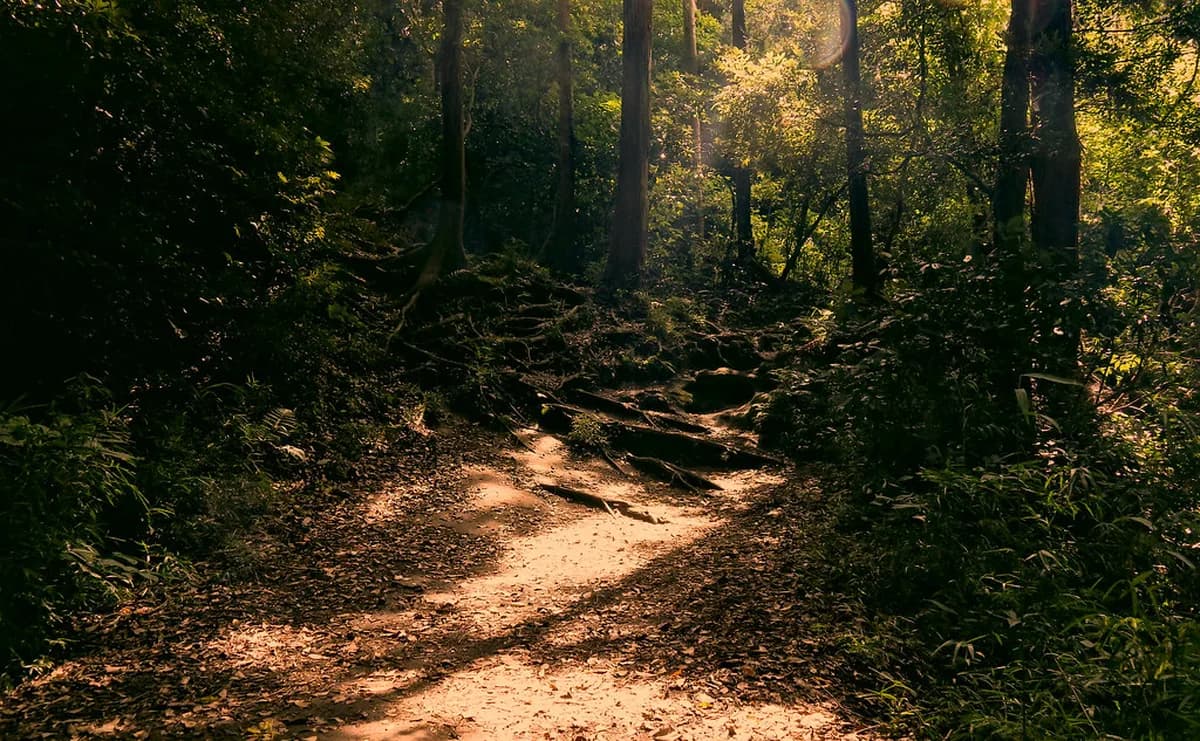
This course is ideal for travelers who want to see the highlights without committing to a full day of trekking. The terrain is mostly shaded, making it a comfortable choice even during the humid summer months. You should wear shoes with good grip, as some sections can become muddy after a light rain. Many visitors find this trail to be the perfect introduction to the natural side of Kamakura.
Explore the Panoramic Ten-en Hiking Course
The Ten-en Hiking Course, often called the Heavenly Garden, is the longest and most rugged trail in Kamakura. It spans approximately six kilometers and takes about three hours to complete at a moderate pace. This route offers the highest vantage points in the city, providing sweeping views of Sagami Bay. You can access the trailhead from the back of the impressive Kencho-ji Temple complex.
Climbing the steep stairs behind the temple leads you to the ridge where the true hiking begins. Along the way, you will pass through rocky sections and narrow passages that feel like a true mountain adventure. Using a Kamakura Hiking Map is highly recommended to navigate the various intersections. The trail eventually leads you toward the serene Zuisen-ji Temple on the eastern side of the city.
Hikers often stop at the summit of Mount Ohira to enjoy a packed lunch with a view. This area features several large flat rocks that serve as natural benches for weary travelers. The descent toward Zuisen-ji is steep in some parts, so take your time on the uneven ground. This trail is best suited for those who enjoy a bit more physical challenge and solitude.
Gion-yama Hiking Course: Urban Escape
The Gion-yama Hiking Course is a hidden gem located very close to the main Kamakura Station area. It is the shortest of the major trails, taking only about 30 to 45 minutes to walk. This path is perfect for travelers who have limited time but still want a nature experience. You will find the entrance near the beautiful Myohonji Temple or the Yagumo Shrine.
Despite its short length, the trail offers a fantastic panoramic view from the Harikiri-yagura lookout point. From here, you can see the entire city layout and the sparkling waters of the coast. The path is well-marked and relatively flat compared to the more intense Ten-en course. It provides a quick way to escape the crowds of the Komachi-dori shopping street.
Many local residents use this trail for their daily exercise or to walk their dogs in nature. You will feel a sense of local life as you pass through these quiet forest corridors. The trail ends near the residential streets, making it easy to return to the station for your train. This course is an excellent choice for families with younger children or older travelers.
Discover the Serene Gion Yamanokuchi Course
The Gion Yamanokuchi Course is often overlooked by tourists, making it a very serene walking option. This path winds through the eastern hills and offers a deeper look into the local flora. You will encounter dense ferns and moss-covered rocks that create a mystical atmosphere. It is a great place to experience the quiet side of Japanese nature.
This route is slightly more obscure and may require a bit more attention to trail markers. You should keep an eye out for small wooden signs that point the way through the forest. The trail eventually connects to larger paths, allowing you to extend your hike if you feel energetic. It is best to visit this area during the daylight hours for the best visibility.
The silence here is only broken by the sound of birds and the rustling of bamboo leaves. You can truly disconnect from the modern world while wandering these ancient forest paths. Make sure to bring a small snack and plenty of water as there are no shops nearby. This trail is a favorite for photographers looking for moody and atmospheric forest shots.
Combine Nature and History: Genjiyama Park Loop
Genjiyama Park acts as a central hub for several hiking trails and historic sites. The park itself is a beautiful destination with wide grassy areas and seasonal flower displays. You can find the famous Zeniarai Benten Shrine nearby, where visitors wash their money for good luck. This loop is perfect for travelers who want a mix of culture and light activity.
The park features a large statue of Minamoto no Yoritomo, the founder of the Kamakura Shogunate. This historical connection adds a layer of depth to your walk through the park's winding paths. You can easily spend an hour exploring the various shrines and viewpoints within the park boundaries. Many families choose this area for a weekend picnic under the cherry blossoms or autumn leaves.
Accessing the park is easy from either the Daibutsu trail or the Kuzuharaoka Shrine path. The elevation gain is moderate, making it accessible for those who are not seasoned hikers. You will find clean restrooms and vending machines available within the park grounds for your convenience. This loop provides a comprehensive look at what makes Kamakura a unique travel destination.
Planning Your Kamakura Hiking Adventure and Station Exit Guide
A successful hiking day in Kamakura starts with choosing the correct train station and exit. Most trails are best accessed from either Kita-Kamakura Station or the main Kamakura Station. For the Daibutsu trail, you must take the West Exit at Kita-Kamakura Station to reach Jochi-ji. If you head to the East Exit by mistake, you will find yourself on the wrong side of the tracks.
The Ten-en course is best started from the East Exit of Kita-Kamakura Station to reach Kencho-ji quickly. Meanwhile, the Gion-yama trail is most accessible from the East Exit of Kamakura Station near the bus terminals. You can find the Kamakura Station Location (Google Maps) online to help visualize these different exit points. Using the right exit can save you fifteen minutes of backtracking through crowded pedestrian tunnels.
For those looking for a full-day challenge, you can link the Daibutsu and Ten-en trails together. This "Grand Loop" allows you to see almost all the major temples and ridges in one go. You should start early in the morning at Kita-Kamakura and plan for at least five hours of walking. This itinerary is the ultimate way to experience the natural beauty of the region in 2026.
- Station Exit Guide for Hikers
- Kita-Kamakura West: Daibutsu Trail Access
- Kita-Kamakura East: Ten-en Trail Access
- Kamakura East: Gion-yama Trail Access
- Hase Station: Great Buddha Finish
- Trail Difficulty Comparison Table
- Daibutsu: 90 mins, Easy
- Ten-en: 180 mins, Moderate
- Gion-yama: 45 mins, Easy
- Grand Loop: 300 mins, Hard
Essential Tips for Kamakura Hikers
Proper preparation is key to enjoying the mountain paths without any unexpected issues. You should always wear sturdy walking shoes or hiking boots with good traction for the dirt sections. The trails can be surprisingly slippery after rain, especially on the exposed tree roots and rocks. Check a Kamakura day trip itinerary to see how to fit hiking into your schedule.
Hydration is vital, so carry at least one liter of water even during the cooler months. You can find many vending machines near the stations, but they are rare once you enter the forest. Bringing a small towel is also a great idea to wipe away sweat or dry your hands after visiting shrines. Visit japanactivity.com for more tips on traveling through Japan's natural landscapes.
Respecting the local environment and temple grounds is an important part of the hiking culture. Stay on the marked paths to avoid damaging the delicate local flora and fauna. You should also carry all your trash back to the station as there are no bins on the trails. Being a responsible hiker ensures these beautiful paths remain open for everyone to enjoy in the future.
Rest Areas and Tourist Support
Knowing where to find restrooms and water is essential for a stress-free hiking experience. Genjiyama Park serves as the primary rest area with clean public toilets and several vending machines. This is your last chance for facilities before you head toward the Great Buddha or back to Kita-Kamakura. You should plan your breaks around these central hubs to stay comfortable throughout the day.
Many temples along the way also offer basic facilities for a small entrance fee. Places like Kencho-ji and Jochi-ji have restrooms near their main gates for visitors to use. However, once you are on the ridge sections of the Ten-en course, there are no facilities for several kilometers. Always use the restroom at the train station before you begin your ascent into the hills.
If you need more detailed assistance, the tourist information center at Kamakura Station is very helpful. They provide free paper maps that show the trailheads and major landmarks in several languages. You can also ask about current trail conditions or any temporary closures due to weather. Having a physical map is a great backup in case your phone battery runs low during the hike.
- Last-Chance Facility Locations
- Genjiyama Park: Toilets and Water
- Kencho-ji Gate: Toilets and Vending
- Kita-Kamakura Station: Full Facilities
- Kamakura Station: Information and Toilets
Frequently Asked Questions
Which Kamakura hiking trails are best for first-time visitors?
The Daibutsu Hiking Course is the best choice for first-time visitors. It is well-marked, takes about 90 minutes, and connects major landmarks like Jochi-ji and the Great Buddha. You can find more details on this route through a Private Kamakura Day Tour Booking for a guided experience.
Which station exit should I use for the Daibutsu hiking trail?
You should use the West Exit at Kita-Kamakura Station to reach the trailhead. This exit leads you directly toward Jochi-ji Temple, which serves as the northern entrance to the course. Taking the wrong exit will require a long walk around the train tracks.
How long does it take to hike the Ten-en course in Kamakura?
The Ten-en Hiking Course typically takes between 2.5 to 3.5 hours to complete. This depends on your pace and how often you stop at the various viewpoints and temples. It is the longest trail in the area and requires a moderate level of fitness.
Are Kamakura hiking trails safe to walk during the rainy season?
The trails are generally safe but can become very slippery and muddy during the June rainy season. You should wear shoes with excellent grip and bring a rain jacket for sudden showers. Avoid the trails during heavy downpours or high wind warnings for your safety.
Is the Gion-yama hiking course suitable for children?
Yes, the Gion-yama course is very suitable for children due to its short length and moderate terrain. It takes less than an hour and offers a great reward with a view of the ocean. Many local families enjoy this trail for a quick weekend nature walk.
Kamakura is a fantastic destination for anyone looking to combine Japanese history with outdoor activity. By following this station exit guide, you can maximize your time on the trails and minimize logistical stress. Whether you choose the iconic Daibutsu path or the rugged Ten-en course, the views will be memorable. Prepare your gear and start your adventure in this beautiful coastal city today.
The combination of ancient temples and lush ridges creates an experience you cannot find elsewhere. Remember to respect the local environment and plan your rest stops at Genjiyama Park. Each season offers a new perspective on the landscape, making it worth multiple visits throughout the year. We hope this guide helps you have a safe and rewarding hiking trip in Kamakura.

 Nara Deer Park Guide Travel GuideMay 14, 2026
 Hokokuji Bamboo Temple Kamakura Travel GuideMay 4, 2026