20 Best Kamakura Adventures & Outdoor Activities (2026)
Explore 20 Kamakura adventures for 2026, from the Great Buddha and forest hikes to Enoden rides, beaches, museums, and Enoshima.
On this page
The best Kamakura adventures combine a forest trail, a major temple or shrine, a ride on the Enoden railway, and time on the coast. First-time visitors can cover the Great Buddha, Hase-dera, central Kamakura, and Yuigahama in one day; allow a second day for Enoshima or a longer hike.
This guide was reviewed in July 2026 against current information from Kamakura’s official tourism site, the Enoden railway, and individual attractions. Use it with our Kamakura itinerary and hiking and station guide to build a realistic route.
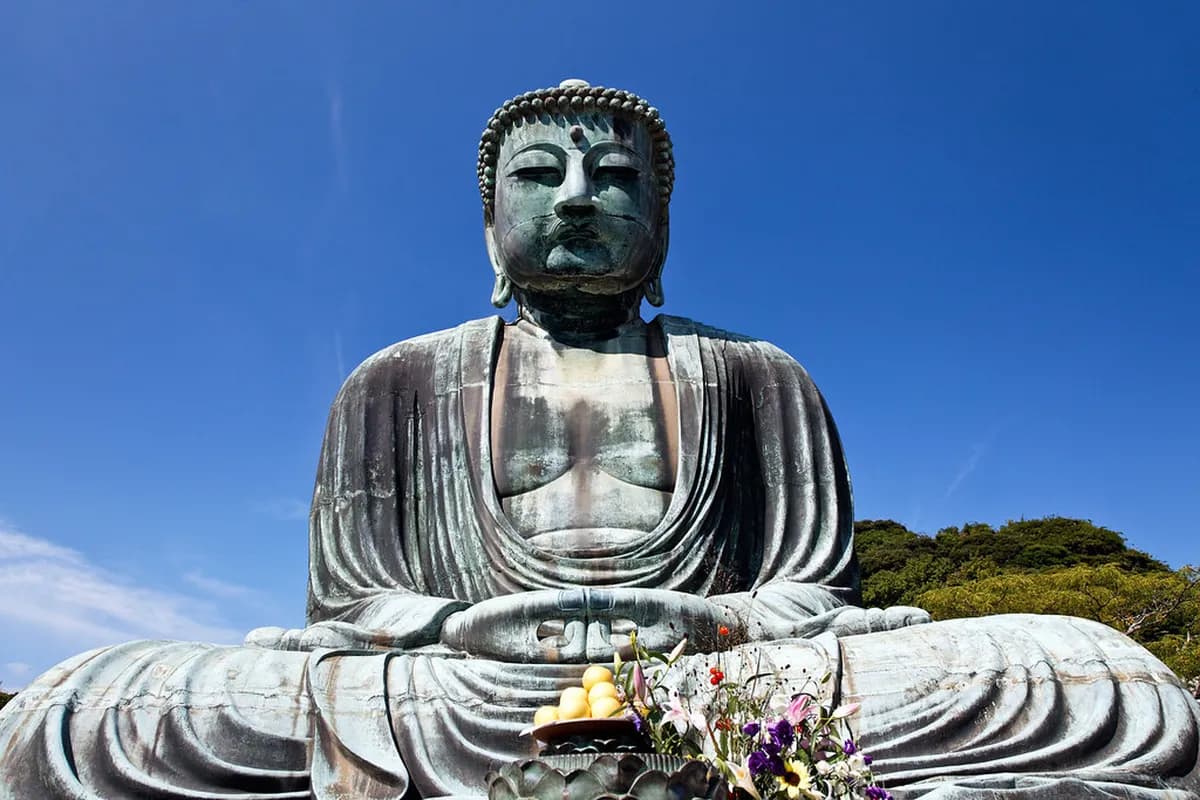
1. Explore the Great Buddha (Daibutsu): A Kamakura Icon
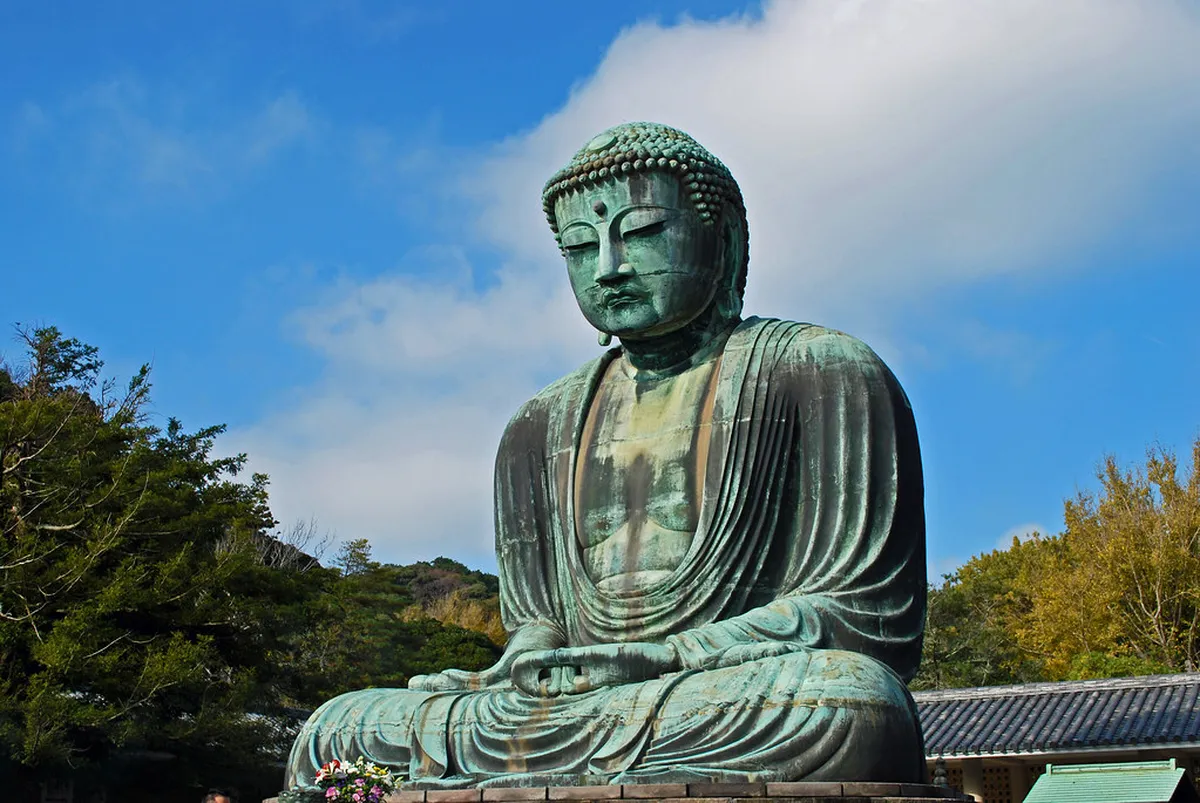
The Great Buddha at Kotoku-in is Kamakura’s defining landmark. According to Kotoku-in’s official visitor information, general admission is ¥300 for adults and ¥150 for children ages 6–12; entry inside the bronze statue costs an additional ¥50.
The grounds open 8:00–17:30 from April through September and 8:00–17:00 from October through March. The statue interior normally closes at 16:30, but access may be suspended on days when a heatstroke alert is issued, so check the temple’s notice before a midsummer visit.
The unpaved Daibutsu Hiking Trail takes about 60–90 minutes. Wear shoes with grip, carry water, and choose a dry day because the narrow, steep sections can become slippery after rain.
2. Hike the Daibutsu Hiking Trail: Scenic Views and Serenity
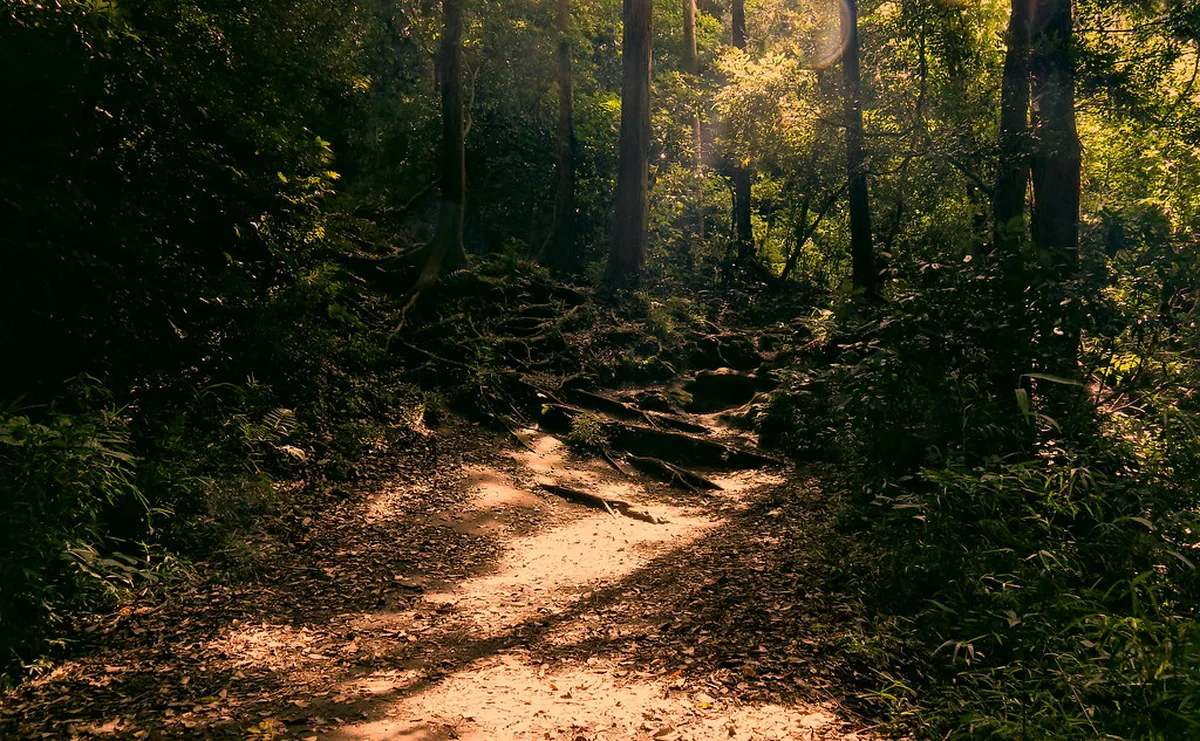
For those seeking Kamakura adventures beyond the temples, the Daibutsu Hiking Trail offers an invigorating escape into nature. This scenic trail connects the Great Buddha (Daibutsu) with other key attractions, featuring panoramic views and tranquil forest paths. As you traverse the trail, you’ll be treated to glimpses of the coastline and lush greenery, creating unforgettable Kamakura experiences. Furthermore, the hike allows you to discover hidden shrines and smaller temples tucked away from the main tourist routes. Remember to wear comfortable shoes and bring water, because the terrain can be uneven in places. Before you go, explore alternative hikes, plus review local landmarks. If you want route-by-route logistics, this Kamakura hiking trails and station exit guide breaks down the best trailheads, exits, and difficulty levels. The Daibutsu Hiking Trail is a fantastic way to immerse yourself in the natural beauty and serenity of Kamakura, providing a refreshing contrast to the bustling city life. It is, indeed, one of the most rewarding things to do in Kamakura.
3. Discover Tsurugaoka Hachimangu Shrine: A Cultural Journey
Embark on a cultural journey to Tsurugaoka Hachimangu Shrine, Kamakura’s most important Shinto shrine. Founded in 1063 and later moved to its current location in 1191, the shrine is dedicated to Hachiman, the god of war. Therefore, it’s not just a landmark; it’s a journey into Japan’s feudal past. Walking through the grand entrance, marked by a massive torii gate, you’ll feel transported back in time. The main hall, or honden, is a beautiful example of traditional Japanese architecture. Furthermore, the vibrant vermillion color contrasts beautifully with the surrounding greenery. Moreover, don’t miss the opportunity to explore the serene gardens and museums on the grounds, offering deeper insights into the shrine’s history and significance. If you’re interested in deepening your knowledge, learn more about Kamakura culture and plan your trip to fully appreciate one of the top things to do in Kamakura.
4. Visit Hokokuji Temple (Bamboo Temple): Tranquility Amidst Bamboo Groves
Escape the bustling city and discover the serene beauty of Hokokuji Temple, also known as the Bamboo Temple. This enchanting destination is famed for its breathtaking bamboo grove, offering a tranquil retreat for contemplation and peace. As you wander through the towering stalks of bamboo, you’ll find yourself immersed in nature’s embrace. It’s truly one of the unique Kamakura adventures. The temple also features a traditional tea house where you can enjoy a cup of matcha while admiring the picturesque scenery. Consequently, for those seeking respite and a deeper connection with nature, Hokokuji Temple is a must-visit. Discover more about the area, and check out other things to do in Kamakura, from landmarks to cultural experiences. Don’t forget to explore Kamakura’s culture before you arrive. Consider visiting early in the morning to avoid crowds and fully savor the peaceful ambiance.
5. Explore Enoshima Island: Coastal Beauty and Adventure
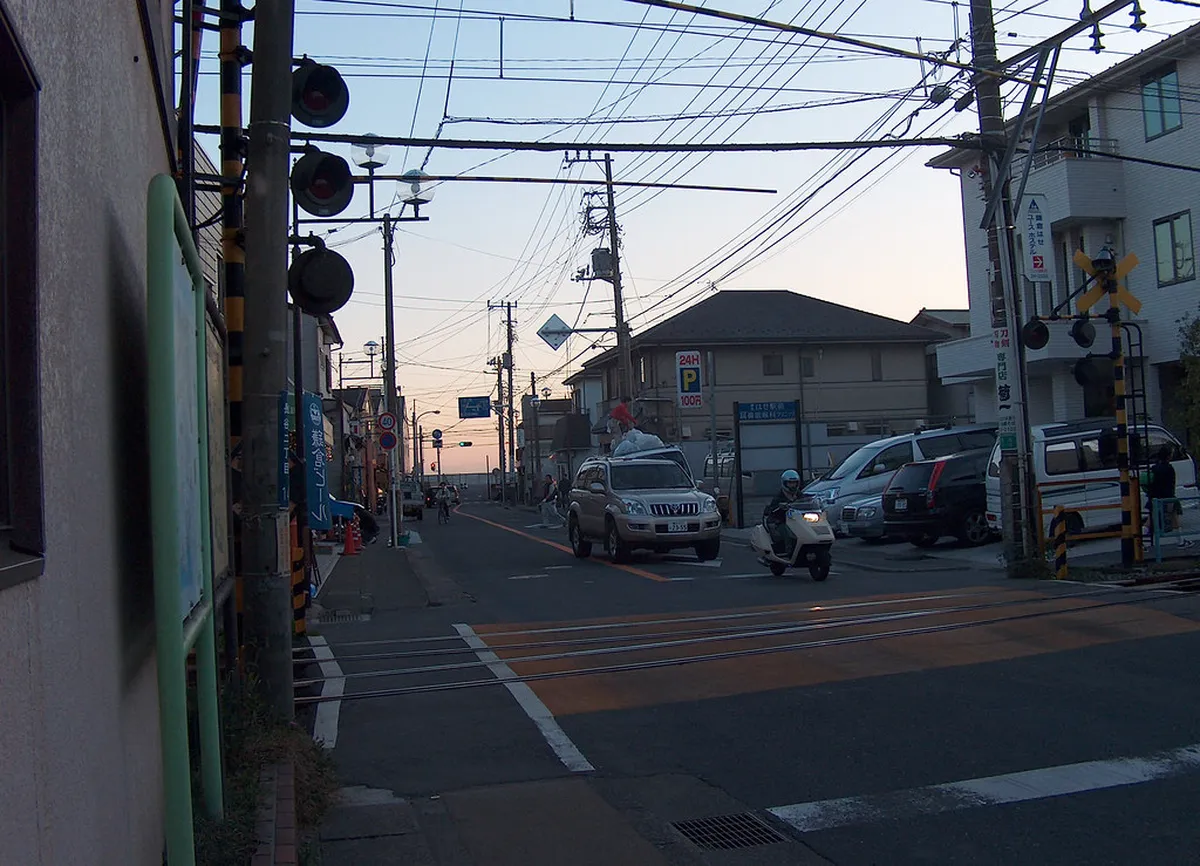
Enoshima adds sea views, shrines, caves, and a steeper island walk to a Kamakura trip. From Kamakura Station, the Enoden reaches Enoshima Station in about 23 minutes and costs ¥260 one way; allow at least half a day if you plan to climb to the Sea Candle and continue to the caves.
Benten Bridge can be congested on weekends. Arrive early and expect steps. Official Fujisawa tourism information lists Iwaya Cave admission at ¥500 for adults and ¥200 for children, with hours generally 9:00–17:00 and seasonal changes.
6. Ride the Enoden Railway: Scenic Coastal Train Journey
The Enoden is both transport and sightseeing: its 10-kilometer line runs through residential streets and along the coast between Kamakura and Fujisawa. Current official journey examples put Kamakura to Hase at about 5 minutes and ¥200, Kamakura to Enoshima at 23 minutes and ¥260, and Kamakura to Fujisawa at 34 minutes and ¥310. IC cards are accepted, which makes short stops at Hase, Inamuragasaki, and Enoshima easy.
7. Experience Yuigahama Beach: Surfing and Relaxation
Yuigahama Beach offers a delightful contrast to the historical sites of Kamakura, providing a space for relaxation and recreation. As one of the most popular beaches near Tokyo, it is famous for its surfing opportunities and laid-back atmosphere. Whether you’re an experienced surfer or a beginner, the gentle waves are perfect for catching some waves. Besides surfing, the beach is ideal for sunbathing, beach volleyball, or simply unwinding with the sound of the ocean. During the summer months, Yuigahama becomes a lively hub with beachside restaurants and events, making it a must-visit for those seeking Kamakura adventures. Consider visiting during the off-season for a quieter, more serene experience. Finally, don’t miss the sunset views over the ocean, creating a picturesque end to your day at Yuigahama Beach.
8. Visit Kencho-ji Temple: Kamakura’s Oldest Zen Temple
Immerse yourself in the serene atmosphere of Kencho-ji Temple, the oldest Zen temple in Kamakura. Established in 1253 by Emperor Go-Fukakusa, this historical treasure offers a profound insight into Zen Buddhism and traditional Japanese architecture. As you wander through its expansive grounds, you’ll discover magnificent structures like the Sanmon gate, the Butsuden (Buddha Hall), and the Hatto (Dharma Hall). The meticulously maintained Zen gardens provide a peaceful escape, inviting contemplation and reflection. Furthermore, don’t miss the opportunity to climb to the top of the temple’s hill for panoramic views of Kamakura. This temple is truly one of the best Kamakura landmarks that you can visit. For things to do in Kamakura, visiting this temple is a must for those seeking cultural enrichment and tranquility amidst the bustling city.
9. Discover Hase-dera Temple: Hydrangeas and Coastal Views
Hase-dera Temple is a captivating destination that offers a blend of natural beauty and spiritual solace. Renowned for its stunning hydrangeas, which bloom vibrantly during the rainy season, the temple provides a colorful spectacle that attracts visitors from around the globe. Besides the flowers, Hase-dera boasts an eleven-headed statue of Kannon, the goddess of mercy, housed within its main hall. From the temple grounds, you can enjoy panoramic coastal views of Kamakura, making it a perfect spot for reflection and photography. Furthermore, explore the various smaller shrines and caves dotted around the complex. You can discover more landmarks in Kamakura, while enjoying the blend of nature and spirituality. Above all, don’t miss the chance to write a wish on a wooden tablet and contribute to the temple’s serene atmosphere. Be sure to check out other things to do in Kamakura during your visit.
10. Explore Komachi Street: Local Food and Souvenirs
Komachi Street is a vibrant, bustling hub near Kamakura Station, offering a delightful array of local foods and souvenirs. This lively street is perfect for immersing yourself in the local culture and sampling regional delicacies. As you stroll along, you’ll find an abundance of shops selling everything from traditional Japanese sweets to unique crafts. Be sure to try some of the street food, such as Kamakura croquettes or fresh seafood snacks. Furthermore, Komachi Street is an excellent place to pick up gifts and mementos to remember your Kamakura adventures. It’s also conveniently located, making it a great starting or ending point for your day of exploring Kamakura. For unique Kamakura experiences, this street is a must-visit. In fact, you can discover even more Kamakura highlights nearby!
11. Visit Zeniarai Benten Shrine: Washing Money for Good Fortune
Zeniarai Benten Shrine is one of the most unique and intriguing Kamakura adventures you can experience. Tucked away in a small, verdant valley, this shrine is famous for its custom of washing money. Legend has it that washing your money in the shrine’s spring will multiply it. Whether or not you believe in the legend, it’s certainly a memorable and fun activity that adds a unique touch to your visit. The shrine itself has a serene atmosphere, making it a peaceful escape from the bustling city.
Moreover, reaching the shrine involves a short walk through a tunnel carved into the rock, enhancing the sense of discovery. This unique landmark is perfect for those looking for unusual things to do in Kamakura. Don’t forget to bring some coins to participate in this fascinating ritual, and perhaps you’ll experience some good fortune! Discover more about Kamakura culture here.
12. See the Hydrangeas and Yagura Tomb at Meigetsu-in
Meigetsu-in is known as Kamakura’s hydrangea temple, but its bamboo, round window, and medieval yagura tomb make it worthwhile beyond the June bloom. The temple is roughly a 10-minute walk from Kita-Kamakura Station; visit near opening time in hydrangea season because the narrow approach becomes busy. See the official Kamakura tourism profile before setting out.
13. Stroll Through Genjiyama Park: Cherry Blossoms and Hiking
Genjiyama Park is a delightful escape offering both stunning natural beauty and historical significance. In spring, it becomes one of the best places for cherry blossom viewing in Kamakura, drawing locals and tourists alike. Apart from its floral displays, the park features hiking trails that meander through lush greenery, providing refreshing outdoor Kamakura Adventures. As you explore, you’ll encounter stone monuments and statues, including a charming statue of Minamoto Yoritomo, the founder of the Kamakura shogunate. Furthermore, the park’s elevated location provides panoramic views of Kamakura and the surrounding areas. It’s a perfect spot for a picnic, a leisurely walk, or simply soaking in the serene atmosphere. Therefore, make sure to add Genjiyama Park to your list of things to do in Kamakura for a memorable experience. You might also want to check out other Kamakura landmarks to maximize your visit.
14. Discover Jomyo-ji Temple: Tea House and Stone Gardens
Jomyo-ji Temple offers a serene escape with its beautiful stone gardens and traditional tea house. Nestled in the hills of Kamakura, this Zen temple is a peaceful retreat, allowing visitors to immerse themselves in quiet contemplation. The meticulously designed stone gardens provide a calming backdrop, perfect for meditation and reflection. Moreover, the tea house offers a chance to experience a traditional Japanese tea ceremony, enhancing your cultural journey. As you explore Jomyo-ji, you’ll find yourself captivated by the harmonious blend of nature and architecture. Don’t miss the opportunity to savor a cup of matcha while overlooking the tranquil gardens, making it one of the most enriching Kamakura experiences. To enhance your Kamakura itinerary, be sure to add this serene location to your list of Kamakura attractions.
15. Explore Ofuna Botanical Garden: A Floral Paradise
The Kanagawa Prefectural Ofuna Flower Center is a relaxed alternative to Kamakura’s temple circuit, with around 3,000 plant varieties and seasonal rose, peony, lotus, and greenhouse displays. The official garden guide lists hours of 9:00–17:00 from March through October and 9:00–16:00 from November through February. Adult admission is ¥400, and the garden is about a 16-minute walk from Ofuna Station’s west exit.
16. Visit Sugimoto-dera Temple: Ancient Moss-Covered Steps
Sugimoto-dera Temple, the oldest temple in Kamakura, offers a serene and historical experience. As you approach, you’re greeted by a captivating sight: a long flight of stone steps covered in vibrant green moss. This feature makes it a must-see for those seeking unique Kamakura adventures. The temple houses several important Buddhist statues, adding to its spiritual ambiance. Travel tips suggest visiting during the quieter weekdays to fully appreciate its tranquility. Moreover, the surrounding gardens provide a peaceful space for reflection. Exploring this ancient site offers a profound connection to Kamakura’s rich cultural heritage. It’s a truly unforgettable stop for anyone interested in the historical Kamakura culture. Therefore, make sure it’s on your list of things to do in Kamakura!
17. Relax at Inamuragasaki Cape: Sunset Views and History
Inamuragasaki Cape offers a serene escape with breathtaking sunset views over the ocean. Historically significant as the site of a decisive battle, it now provides a tranquil setting for relaxation and reflection. Visitors can unwind while watching the sun dip below the horizon, painting the sky with vibrant colors. Moreover, the cape’s panoramic vista includes Enoshima Island and, on clear days, even Mount Fuji. It’s a perfect spot for photographers and nature lovers. Don’t miss the chance to experience this blend of history and natural beauty. To enhance your Kamakura adventures, consider visiting during the late afternoon. Furthermore, you can explore local landmarks to enrich your visit. So, come and discover why Inamuragasaki Cape is a cherished spot for both locals and tourists seeking peace and stunning views.
18. Experience Tea Ceremony: Traditional Japanese Culture
Immerse yourself in the serene and sophisticated world of a traditional Japanese tea ceremony in Kamakura. This cultural experience offers a unique opportunity to witness and participate in the ancient art of Chado, or the Way of Tea. As you engage in this ritual, you’ll learn about the meticulous preparation of matcha, the vibrant green tea, and the profound etiquette that accompanies it. Furthermore, the tea ceremony is not merely about drinking tea; it is an art form steeped in history, mindfulness, and respect. It provides insight into Japanese aesthetics and spirituality. This experience is an essential addition to your list of Kamakura Adventures. Moreover, to understand the deeper context, explore Kamakura’s culture and enhance your appreciation for this unique tradition. This unforgettable experience provides a tranquil escape from the bustling world, allowing for a deeper connection with Japanese heritage. This is definitely one of the top things to do in Kamakura.
19. Explore Kamakura’s Museums: Art and History
For historical context, start with the Kamakura History and Culture Museum, normally open 10:00–16:00 with last admission at 15:30, or the Kaburaki Kiyokata Memorial Art Museum. The Kamakura National Treasure Hall is another important collection, but the city’s official notice says it is closed for renovations from May 19 through October 23, 2026. Check the latest museum calendar before traveling.
20. Enjoy Sunset and Dinner After the Temples Close
End the day at Inamuragasaki or Yuigahama, then return toward Kamakura Station for dinner. Do not plan on routine nighttime temple access: Kamakura’s official visitor guidance says most temples stop admission around 16:00–17:00, while many nearby shops close around 17:00–18:00. Hase-dera and other sites sometimes hold special illuminations, but these are date-specific events that require confirmation on the venue’s official calendar.
Key Takeaways: Kamakura Adventures
- The Daibutsu Hiking Trail is Kamakura’s best outdoor adventure, linking the Great Buddha to multiple hidden temples through forested hills.
- Enoshima Island — reachable via the scenic Enoden Railway — adds a full coastal adventure chapter to any Kamakura trip.
- Yuigahama Beach is ideal for surfing and beach activities, especially in summer.
- Kencho-ji and Hokokuji temples offer immersive cultural and nature-based experiences beyond standard sightseeing.
- After your day of adventures, explore Kamakura at night for izakayas, hidden bars, and twilight coastal walks.
- See the full Kamakura itinerary to sequence your adventures efficiently across one or multiple days.
Kamakura’s blend of history, culture, and natural beauty makes it an unforgettable destination for adventure seekers. Whether you’re exploring ancient temples, hiking scenic trails, or enjoying the coastal views, Kamakura offers a diverse range of experiences to satisfy every traveler. Start planning your Kamakura adventure today and discover the magic of this enchanting city!
Frequently Asked Questions
What is the best outdoor adventure in Kamakura?
The Daibutsu Hiking Trail is the best all-round outdoor adventure for most visitors. It combines 60–90 minutes of forest walking with easy access to the Great Buddha, but its unpaved slopes are best attempted in dry weather.
Can I visit Kamakura and Enoshima in one day?
Yes. Start early, see two or three Kamakura highlights, then take the Enoden to Enoshima, which takes about 23 minutes from Kamakura Station. A one-day plan requires prioritizing; use two days if you want a hike, several temples, and the full island circuit.
Do I need hiking shoes in Kamakura?
Sturdy walking shoes with good grip are sufficient for most maintained trails. Avoid forest routes after heavy rain, carry water, and check local closure notices before entering a trail.
Can I visit Kamakura’s temples at night?
Generally, no. Most temples stop admission around 16:00–17:00. Night illuminations are special seasonal events, so only plan one when the venue publishes an official date and entry schedule.
How many days do I need in Kamakura?
One day is enough for the Great Buddha, Hase-dera, Tsurugaoka Hachimangu, and a short coastal stop. Two days are better if you also want a forest hike, museums, quieter temples, or Enoshima.
Free: The Kamakura Essentials guide
Top things to do, where to stay, a perfect day plan, getting around, and the best time to go — a Kamakura mini-guide you can take offline.
You might also like

Continue reading
More guides you'll find useful