Hakata Gion Yamakasa Festival 2026: 9 Essential Viewing Tips
Plan your trip with our Hakata Gion Yamakasa 2026 guide. Includes the full July schedule, best Oiyama race viewing spots, and 4:59 AM logistics for Fukuoka.
On this page
Hakata Gion Yamakasa Festival 2026: 9 Essential Viewing Tips
Fukuoka comes alive every July with the thunderous sounds and high energy of its most famous event. The Hakata Gion Yamakasa is a race of strength, speed, and deep-rooted tradition. Men from seven local neighborhoods carry massive wooden floats through narrow streets at dawn. Spectators gather by the thousands to witness this UNESCO Intangible Cultural Heritage spectacle.
Planning a visit for 2026 requires careful timing and knowledge of the local layout. The festival centers around the historic Kushida Shrine in the heart of the city. You will see towering decorative floats and heavy racing floats throughout the Hakata district. This guide provides everything you need to navigate the crowds and catch the best views.
Understanding the Hakata Gion Yamakasa Tradition
This legendary festival dates back over 770 years to a time of great hardship in Fukuoka. A Buddhist priest allegedly spread holy water to stop a plague in the 13th century. This act of purification evolved into the massive celebration seen today. It remains a deeply spiritual event dedicated to Susanoo-no-Mikoto at Kushida Shrine.
Local neighborhoods, known as Nagare, compete with each other to show their community spirit. Each group spends months preparing their floats and training their runners for the final race. You can see these distinct teams by the colorful patterns on their traditional happi coats. Exploring the 7 must-visit attractions in Hakata Old Town provides more context for these ancient traditions.
The event gained global recognition when UNESCO added it to its heritage list in 2016. This status highlights the importance of preserving the unique float-building and racing techniques. Visitors often feel the intense emotion as the teams sing sacred songs before the start. The atmosphere blends religious solemnity with the raw power of a high-speed athletic competition.
Hakata Gion Yamakasa 2026 Schedule and Key Dates
The festival always takes place during the first half of July every year. For 2026, the main festivities begin on July 1st with the unveiling of the tall decorative floats. These stationary displays remain open for public viewing throughout the entire fifteen-day period. You can find more details on the Kushida Shrine Official Info page regarding specific ritual timings.
The intensity builds significantly during the second week as the racing teams begin their practice runs. On July 12th, the Oiyama-narashi serves as a full-scale rehearsal for the main event. This practice race starts at 3:59 PM and covers a slightly shorter course than the final. Many locals consider this rehearsal just as exciting as the real race.
Everything culminates in the early morning hours of July 15th for the Oiyama race. The first team departs from the shrine at exactly 4:59 AM to begin the five-kilometer course. Subsequent teams follow at five-minute intervals as the sun begins to rise over the city. This pre-dawn start creates a hauntingly beautiful scene as the massive floats navigate the narrow streets.
Key Rituals: Oshioi-tori and the Shudanyamamise Parade
Several lesser-known rituals fill the calendar between July 1 and July 15 and reward early arrivals. The Oshioi-tori on July 9 sees runners from each Nagare jog from their districts to Hakozaki Beach to gather sacred sand. This sand is then carried back in small bags and used to bless participants and their floats before the racing events begin. Watching the dawn ceremony at the beach offers a serene contrast to the thunderous Oiyama finale six days later.
The Shudanyamamise on July 13 is the only afternoon when the racing Kakiyama actually cross the river from Hakata into the modern Tenjin district. Local dignitaries and politicians ride atop the floats during this slower parade, which begins around 3:30 PM along Meiji-dori. Because the route is wider and the pace is gentler than the final race, this is the most family-friendly day to attend. Families with children often choose this event over the 4:59 AM Oiyama because seating along the boulevard is plentiful.
The Oiyama-narashi practice run on July 12 starts at 3:59 PM and follows a slightly shorter version of the final five-kilometer course. Many locals consider this rehearsal nearly as exciting as the real race, and crowds are far more manageable. On July 13 you can also catch the Shuni-yamakasa, in which children run smaller floats through the same streets. These daytime events let you photograph the floats in good light without sacrificing sleep.
Best Viewing Spots for the Oiyama Race
Securing a good spot requires arriving several hours before the 4:59 AM start time. The most coveted area is inside the Kushida Shrine grounds where the race begins. However, these seats are limited and usually require special tickets or very early arrival. Most spectators choose to line the streets along the five-kilometer race route instead.
Large intersections like Showa-dori and Meiji-dori offer wider viewing angles for the heavy floats. These spots allow you to see the teams maneuvering the one-ton structures around tight corners. Cornering is the most difficult part of the race and often draws the loudest cheers. Be prepared for a very dense crowd in these popular areas.
The race ends near the Fukuoka Asian Art Museum, which serves as the final goal line. Watching the finish allows you to see the exhausted but triumphant faces of the participants. Many teams celebrate with their families and supporters once the timer stops. It offers a great perspective on the sheer physical toll the race takes.
Kushida-iri: Shrine Viewing Strategy and Alternative Vantage Points
The Kushida-iri is the moment each team bursts through the Seimon Gate and enters the shrine courtyard at full speed. This single section of the race carries the most spiritual weight because each timed run officially begins inside the shrine grounds. The first team also performs the Hakata Iwai-uta celebration song before sprinting out, and the courtyard falls silent for the melody. To watch from the stone walls flanking the Seimon Gate, expect to be in line by 10:00 PM the previous night.
The tiered wooden Sajiki-machi seating built inside the shrine offers the only sit-down view, but it is sold via a local lottery and almost never reaches international visitors. A more achievable alternative is to position yourself near the shrine's exit route, where teams emerge after their courtyard ritual. The energy is nearly identical, water is splashed in greater volume, and the crowd thins dramatically compared to the entrance.
Another underrated vantage point is the streets behind Kushida Shrine where the floats queue and the bearers rotate before their entry. Photographers favour this back-of-house area because you can capture the runners' faces in the moments before the sprint. The intersection near Tochoji Temple is also excellent for watching the heavy floats turn corners under power. If the Seimon Gate fills, walk five minutes east toward the Kawabata Shopping Arcade for the same teams at a less brutal arrival time.
Types of Floats: Kazariyama vs. Kakiyama
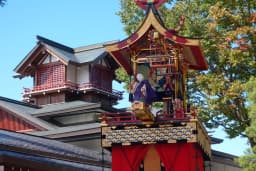
You will notice two very different types of floats throughout the Hakata district during July. The Kazariyama are massive decorative structures that stand over ten meters tall. They are too large to be moved and remain stationary at various points in the city. Finding these spots is one of the best ways to explore the city's many 20 Best Fukuoka Attractions in 2026 during summer.
The Kakiyama are the smaller, functional floats used specifically for the high-speed races. They weigh about one ton and are carried on the shoulders of dozens of men. While they are smaller than the decorative versions, they are still impressively detailed. Each Nagare team takes great pride in the unique design of their specific float.
Both types of floats are built without using a single nail, relying on traditional joinery. This craftsmanship ensures the structures can withstand the intense vibrations and weight during the race. Local artisans spend months working on the silk decorations and wooden frames. The contrast between the static beauty of the Kazariyama and the dynamic power of the Kakiyama is striking.
- Kazariyama Decorative Displays
- Height: 10+ meters
- Movement: Stationary only
- Themes: History or Anime
- Visibility: July 1-15
- Kakiyama Racing Floats
- Weight: One ton
- Movement: Carried by runners
- Teams: Seven Nagare
- Action: July 15 race
The Seven Nagare Districts and Their Teams
The festival is organised around seven historic neighbourhoods called Nagare, and picking a favourite team transforms passive watching into genuine sport. The seven Nagare are Daikoku, Higashi, Nakasu, Nishi, Chiyo, Ebisu and Doi, each with its own happi coat colours, crest and reputation on the course. Daikoku and Higashi are perennial speed contenders, while Nakasu (the entertainment-district team based on the river island) is famous for the most elaborate float decorations.
Each Nagare runs the same five-kilometre route but starts at five-minute intervals, and order rotates year to year. Hundreds of men rotate in and out of the carrying poles to keep pace, and the Kakiyama is held together entirely by rope lashings rather than nails so the frame can flex over uneven streets. Watching one team across two checkpoints (the Seimon Gate departure and a corner along Showa-dori) gives you a real sense of how speed and discipline differ between districts.
- Daikoku Nagare
- Reputation: Speed records
- Base: Central Hakata
- Coat colour: Bold pattern
- Higashi Nagare
- Reputation: Powerful entries
- Base: Eastern district
- Coat colour: Dark navy
- Nakasu Nagare
- Reputation: Elaborate float art
- Base: River island
- Coat colour: Festive bright
- Chiyo Nagare
- Reputation: Traditional spirit
- Base: Northern coast
- Coat colour: Deep red
Essential Tips for Navigating the Festival Crowds
Fukuoka in July is notoriously hot and humid, which can be taxing for spectators. You should check the Japan Travel Climate Data to prepare for the summer weather. Wear light, breathable clothing and stay hydrated throughout the early morning hours. Finding a spot with a slight breeze can make a big difference.
The crowds for the Oiyama race can be overwhelming, with hundreds of thousands of people attending. Arriving at your chosen viewing spot by 2:00 AM or 3:00 AM is often necessary. If you arrive later, you may find yourself stuck behind several rows of people. Consider bringing a small folding stool if you plan to wait for several hours.
Photography can be challenging due to the low light and the incredible speed of the runners. Use a fast shutter speed and a high ISO setting to capture the action without blur. Avoid using flash, as it can be distracting to the runners and other spectators. Focus on the expressions of the runners to capture the true spirit of the event.
Local Etiquette and Spectator Rules
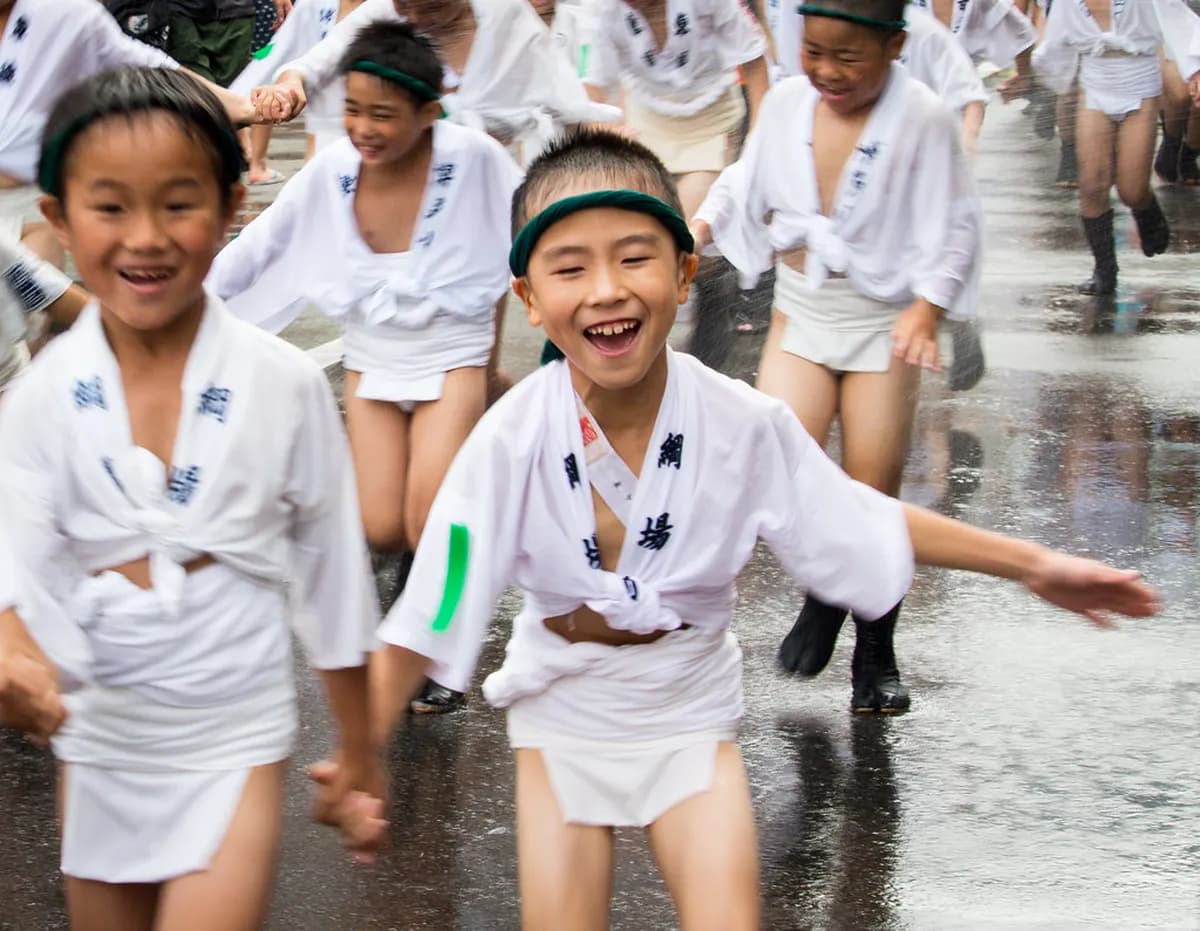
One of the most unique traditions involves spectators splashing water on the runners as they pass. This practice, known as Mizu-happi, helps cool the men down and purifies the path. You will see buckets of water placed along the race route for this specific purpose. If you stand in the front row, expect to get wet during the excitement.
The cultural heart of the race is the singing of the "Hakata Iwai Uta" celebration song. The first team to depart the shrine sings this sacred melody before they begin their sprint. It is a moment of intense silence and respect from the entire crowd. Make sure to stay quiet during this performance to show proper respect.
While the festival is a community-wide event, the actual racing is traditionally reserved for men. Women and children participate in many other ways, including preparing food and managing the decorative floats. You will see young boys running alongside the older men to learn the traditions. The entire city works together to ensure the event's success each year.
One of the most surprising rules is the strict taboo against eating cucumbers for the entire fifteen days of the festival. The cross-section of a cucumber resembles the crest of the Kushida Shrine deity, so consuming the vegetable is considered disrespectful. Many Hakata restaurants quietly remove cucumber dishes from their menus throughout July, and visitors are encouraged to follow the same rule while in town. After each successful event you will also hear the Hakata-Te-Ippon, a synchronised three-beat hand clap led by the runners — watch for the lead bearer to raise his hand and join in to show appreciation for the team's effort.
Festival Day Packing List and Pre-Dawn Logistics
What you bring matters more than for almost any other event in Japan because you may stand in the same spot for six hours in pre-dawn humidity. Closed-toe shoes with grip are essential — the stone pavement around Kushida Shrine becomes very slippery once the Seisui water-splashing begins. A light rain poncho beats an umbrella because umbrellas are unusable in dense crowds and block the view of everyone behind you. Plastic bags or a dry pouch protect your camera and phone from both rain and the buckets of water tossed at the runners.
Convenience stores stay open through the night during the Oiyama and become lifelines for cold drinks, onigiri and emergency phone chargers. Public restrooms are scarce and queue lengths explode after 3:00 AM, so map nearby department-store and hotel-lobby toilets before you commit to a spot. A portable hand fan, a small folding stool and a bottle of cold barley tea will make the wait noticeably more bearable.
- Festival-day essentials
- Closed-toe non-slip shoes
- Light rain poncho (no umbrella)
- Dry bag for camera and phone
- Portable hand fan
- Folding stool for the long wait
- Cold drink and small snack
- Cash for early-morning konbini
How to Reach Kushida Shrine and Event Areas
If you are building a broader trip around the festival, a Fukuoka Itinerary can help you make the most of your days before and after the race. The biggest logistical challenge for the Oiyama race is the 4:59 AM start time. Most public transportation, including the subway, does not start running until around 5:30 AM. This means you cannot rely on trains to get you to the shrine on time. Plan to stay within walking distance of the Hakata or Tenjin areas.
Walking from Hakata Station to Kushida Shrine takes about 15 minutes at a steady pace. From the Tenjin district, you should allow approximately 20 minutes for the walk. The streets will be filled with other people heading in the same direction, so follow the flow. Taxis are in extremely high demand on the morning of July 15th.
Bicycles can be a convenient way to get around, but parking near the race route is difficult. Many streets are blocked off to vehicle traffic starting several hours before the race. It is best to reach the area on foot to avoid getting stuck behind barricades. Plan for a slow journey back to your hotel after the festivities conclude.
- Walking Times to Kushida Shrine
- From Hakata Station: 15 minutes
- From Tenjin Station: 20 minutes
- From Nakasu-Kawabata: 5 minutes
- Subway Status: Closed until 5:30 AM
Where to Stay and Eat in Hakata During the Festival
Choosing the right accommodation is vital for a stress-free experience during the Yamakasa. You should look for hotels in the Hakata Ward or near Nakasu-Kawabata Station. Check the Hostelworld Japan Listings for budget-friendly options in the area. Booking several months in advance is highly recommended as rooms fill up fast.
After the race, you will likely be hungry and looking for a hearty breakfast. Many local restaurants open early to serve the runners and spectators after the Oiyama. Try a bowl of famous Tonkotsu ramen or the local specialty, Motsunabe. The food culture in Hakata is one of the best in all of Japan.
Evening dining at the outdoor yatai stalls is a must-do experience while in the city. These small wooden carts serve everything from grilled skewers to hot bowls of noodles. Make sure to read up on how to visit Fukuoka yatai stalls before you grab a seat. It is the perfect place to discuss the festival with locals over a drink.
Other Summer Festivals in Fukuoka to Visit
If you enjoy the energy of the Yamakasa, you might want to explore other local events. The Mitama Matsuri at Gokoku Shrine is a beautiful lantern festival held in mid-August. Thousands of lanterns illuminate the shrine grounds, creating a peaceful and magical atmosphere. It offers a much slower pace compared to the high-speed racing in July. For more seasonal celebrations in the region, see the Top Traditional Fukuoka Autumn Festivals to Visit in 2026 worth adding to your itinerary.
Summer in the city also brings many smaller neighborhood festivals and firework displays. Checking out the various Fukuoka Highlights will reveal many seasonal activities for families. You can find traditional dance performances and local food markets throughout the warmer months. Most of these smaller festivals are free to attend and very welcoming.
Be sure to check local tourism boards for the exact dates of fireworks festivals near the bay. These displays are often massive and reflect beautifully over the water. Arriving early with a picnic blanket is the best way to enjoy the show. It is a classic way to experience a Japanese summer with the locals.
Frequently Asked Questions
Is there a fee to watch the Hakata Gion Yamakasa?
Watching the festival from the streets is completely free for all spectators. However, the special seating inside Kushida Shrine for the race start requires paid tickets. These tickets are very difficult to get and often sell out immediately upon release. Most people enjoy the action for free along the five-kilometer race route.
Can women participate in the Hakata Gion Yamakasa race?
Traditional rules currently restrict the actual carrying of the racing floats to male participants. Women play vital roles behind the scenes in organization, food preparation, and supporting the Nagare teams. This tradition is deeply rooted in the festival's long history at Kushida Shrine. Visitors should respect these local customs while enjoying the event.
What happens if it rains during the race on July 15th?
The Oiyama race will proceed as scheduled regardless of rain or inclement weather. In fact, the runners are often already wet due to the Mizu-happi water-splashing tradition. The race is only canceled in extreme circumstances like a major typhoon. Spectators should bring a raincoat if the forecast looks wet, as umbrellas are difficult to use in crowds.
What time does the Oiyama race start?
The Oiyama race officially begins at exactly 4:59 AM on July 15th. The first team departs from Kushida Shrine at this specific time, with others following every five minutes. You must be in your viewing spot by 3:00 AM to ensure you have a clear view. Public transport does not run this early, so plan to walk.
Where are the best places to see the decorative floats?
The towering Kazariyama floats are located at various stationary points throughout Hakata and Tenjin. Popular spots include the Kawabata Shopping Arcade, Hakata Station, and the Solaria Plaza. These displays are available for viewing 24 hours a day from July 1st to July 15th. They are excellent for photography during the daylight hours.
The Hakata Gion Yamakasa is a powerful display of community spirit and historical pride. Witnessing the Oiyama race in 2026 will be a highlight of any trip to Japan. Remember to plan your transport and accommodation early to avoid the logistical hurdles. The energy of the runners and the beauty of the floats create an unforgettable experience.
Respecting the local etiquette and traditions ensures a positive visit for everyone involved. Enjoy the incredible food and the welcoming atmosphere of Fukuoka during this special time. The memories of the pre-dawn race will stay with you long after you leave Hakata. Prepare for the heat and the crowds, and you will have a fantastic festival journey.