12 Best Things To Do In Hiroshima For First Timers (2026)
Plan your first Hiroshima trip in 2026 with 12 must-do attractions, 2026 prices, hours, transit costs, and a tested 2-day itinerary covering the Peace Park, Miyajima, and local food.
On this page
12 Best Things To Do In Hiroshima For First Timers
What should first-time visitors do in Hiroshima? First-timers should spend two days in Hiroshima: dedicate Day 1 to the Peace Memorial Park, Atomic Bomb Dome, and Peace Memorial Museum (¥200 entry, allow 3–4 hours), then visit Hiroshima Castle and Shukkeien Garden. On Day 2, take the JR ferry to Miyajima Island for Itsukushima Shrine, the floating torii, and Mount Misen.
Hiroshima stands as a city of profound resilience and vibrant culture that every traveler should visit at least once. First-time visitors often find themselves moved by the deep history while being surprised by the modern culinary scene. This 2026 guide covers the top attractions, the Mazda Museum and Iwakuni day-trip options most first-timers miss, current ticket prices and opening hours, transit costs, and a tested two-day itinerary. Our pillar guide to Hiroshima attractions covers everything beyond the first-timer essentials.
Reflect at the Hiroshima Peace Memorial Museum
The museum serves as a powerful reminder of the city's tragic history and its subsequent message of global peace. Visitors gain deep insights into the events of August 6, 1945, through personal artifacts and survivor stories. This experience often leaves a lasting impression on everyone who walks through the quiet, somber halls.
Most travelers spend about two hours exploring the various exhibits and educational displays. You should book your Hiroshima Peace Memorial Museum tickets in advance to avoid long queues, which routinely top 45 minutes between 10:00 and 14:00. Arriving by 08:30 opening cuts the wait to under 10 minutes and gives you a more contemplative atmosphere.
Audio guides rent for ¥400 in 2026 and are available in 18 languages including English, Mandarin, Korean, French, German, Spanish, and Arabic. The East Building is the entry point and starts with a chronological narrative; the Main Building holds the most powerful artifacts including the lunch box, tricycle, and personal letters. Photography is permitted but flash and video are not, and respectful silence is expected throughout.
- Hiroshima Peace Memorial Museum 2026 visitor info
- Hours: 8:30 to 18:00 (March-November), 8:30 to 17:00 (December-February); last entry 30 minutes before close
- Price: ¥200 adults, ¥100 high school, free for junior high and younger
- Access: 1 minute walk from Genbaku Dome-mae tram stop (¥220 from Hiroshima Station)
- Allow: 2-3 hours minimum
Witness the Iconic Atomic Bomb Dome (Genbaku Dome)
The Atomic Bomb Dome remains one of the most recognizable structures in Japan and a symbol of hope. This former industrial promotion hall was the only building left standing near the hypocenter of the explosion. It has been preserved in its ruined state to serve as a stark witness to history.
Walking around the perimeter of the dome allows you to see the twisted iron and crumbled brickwork up close. The site is designated as a UNESCO World Heritage site due to its unique historical significance. Nighttime visits offer a different perspective as the ruins are subtly illuminated against the dark sky from sunset until 23:00.
Photographers find the strongest angles from the east bank of the Motoyasu River during the golden hour. Many guided tours stop here to explain the architectural resilience of the original Czech-designed structure. The dome is free to view year-round, 24 hours a day, with no ticket required, and sits roughly 350 metres north of the Peace Memorial Museum, 5 minutes walk from the Genbaku Dome-mae tram stop.
Pay Respects at the Hiroshima Peace Memorial Park
The Peace Memorial Park covers a large area dedicated to the victims of the atomic bombing. You will find numerous monuments scattered throughout the lush greenery, including the Children's Peace Monument. This specific memorial honors Sadako Sasaki and the thousands of paper cranes sent by children worldwide.
The Cenotaph for the A-bomb Victims frames the Atomic Bomb Dome perfectly from a distance. An eternal flame burns nearby and will only be extinguished when all nuclear weapons are gone. If you plan to visit in August, see our guide on how to attend the Hiroshima Peace Memorial Ceremony 2026 to reserve your place at this solemn annual event. The Hiroshima National Peace Memorial Hall inside the park is a separate, free building most first-timers walk past — its underground rotunda is one of the most affecting spaces in the city.
Walking through the park is a peaceful way to transition between the city's heavy history and its modern life. The park is also a popular spot for cherry blossom viewing during the early spring months, peaking late March to early April.
The Overlooked Corners Most First-Timers Walk Past
Three small Peace Park sites consistently get skipped by guidebook readers and they're the ones long-time visitors recommend most. The first is the Hypocenter Marker outside Shima Hospital, a five-minute walk east of the Atomic Bomb Dome on a quiet side street. A small plaque marks the exact point 600 metres above which the bomb detonated at 08:15. Standing there, with traffic and a convenience store going about its business, hits differently than the museum exhibits.
The second is the Aioi Bridge — the T-shaped bridge visible from the Dome — which was the visual aiming point used by the Enola Gay's bombardier. Walking across it on foot takes 90 seconds and recontextualises the entire park's geometry. The third is the volunteer Hibakusha (survivor) testimony talks held inside the National Peace Memorial Hall. These free 30-minute sessions run several times daily in English, but they require advance email booking through the Hall's website at least one week ahead — walk-ins are not accepted, which is why most tourists never realise they exist.
Free Peace Park volunteer guides operated by the Hiroshima Interpreters for Peace also need at least 5–7 days notice via their booking form and cost nothing. They cover the same monuments but add personal context the audio guide cannot. Pair these three additions with the museum and you've turned a half-day visit into a full and far more meaningful one.
Find Serenity in the Shukkeien Garden
Shukkeien Garden offers a beautiful escape from the busy city streets and the emotional weight of the museum. The name translates to "shrunken-scenery garden," as it mimics various natural landscapes in a small area. Winding paths lead you around a central pond filled with colorful koi fish and stone bridges.
This location is the best season to visit hiroshima for autumn colors when the maple leaves turn bright red in mid to late November. Traditional tea houses sit along the water, offering a quiet place to enjoy matcha and local sweets for around ¥600. The garden was originally built in 1620 and has been meticulously restored to its former glory after the 1945 destruction.
Using our Hiroshima landmarks 1-day itinerary helps you schedule this garden after the museum. The contrast between the historical sites and the natural beauty of the garden provides a necessary mental break. Entry fees are modest, making it an affordable addition to any first-timer's travel schedule.
- Shukkeien Garden 2026 visitor info
- Hours: 9:00 to 18:00 (April-September), 9:00 to 17:00 (October-March)
- Price: ¥260 adults, ¥150 high school/college, ¥100 elementary/junior high
- Access: 10 minute walk from Hiroshima Station, or Shukkeien-mae tram stop (¥220)
- Allow: 45-60 minutes
Explore the Reconstructed Hiroshima Castle
Hiroshima Castle, also known as the Carp Castle, was a powerful seat of the Mori clan and later the Asano clan. The original structure was destroyed in 1945 but was faithfully rebuilt in 1958 using traditional concrete-clad styles. It now serves as a museum focused on the history of the city before the war.
Climbing to the top floor of the main keep rewards you with panoramic views of the modern skyline, with Mount Futaba to the north and the Peace Park to the southwest. The castle grounds are surrounded by a wide moat and ancient stone walls that survived the blast — those mossy stones are some of the few pre-1945 originals left in the city centre. You can find more details on the Hiroshima Castle Official Info page regarding current exhibitions.
The inner courtyard often hosts cultural events and samurai performances during the weekends. Many visitors enjoy the small Gokoku Shrine located on the castle grounds for a moment of quiet reflection. It is located within walking distance of the Peace Memorial Park, making it easy to visit on the same morning.
- Hiroshima Castle 2026 visitor info
- Hours: 9:00 to 18:00 (March-November), 9:00 to 17:00 (December-February); last entry 30 minutes before close
- Price: ¥370 adults, ¥180 high school/junior high, free under elementary
- Access: 12 minute walk from Kamiyacho-nishi tram stop (¥220)
- Best for: History lovers, panoramic city views from the 5th floor keep
Take the Ferry to Miyajima Island
No trip to the region is complete without visiting the sacred island of Miyajima. The ferry ride takes about ten minutes and offers stunning views of the surrounding mountains and sea. If you have a JR Pass, the JR-operated ferry is included in your travel benefits.
Friendly wild deer greet visitors as they step off the boat and wander through the village. These animals are considered sacred and are generally very calm around human tourists. Keep a close eye on your snacks and paper maps, as the deer are known to chew right through them.
The island offers a mix of spiritual sites, traditional shopping, and beautiful hiking trails. Many travelers choose to stay overnight in a ryokan to experience the quiet atmosphere after the last ferry leaves. Early morning arrivals before 09:00 are recommended to beat the large tour groups that arrive by midday. For a full plan that combines both the city and the island, see our Hiroshima and Miyajima 1-day itinerary.
- Miyajima ferry 2026 info
- Hours: First ferry 6:25, last ferry 22:14 (JR ferry, Miyajimaguchi to Miyajima)
- Price: ¥200 one way per adult (free with JR Pass on the JR ferry); ¥100 Miyajima visitor tax added since October 2023
- Crossing time: 10 minutes
- Access to Miyajimaguchi: 25 minutes from Hiroshima Station on the JR Sanyo Line (¥420)
Marvel at the Floating Torii Gate of Itsukushima Shrine
Itsukushima Shrine is famous for its iconic red torii gate that appears to float on the water. This Shinto shrine is built on stilts over the sea to keep the island's ground sacred. The architecture is a masterpiece of the Heian period and is recognized as a UNESCO World Heritage site.
You should check how to visit itsukushima shrine floating torii gate tide times before your trip. High tide provides the famous floating effect that is perfect for iconic travel photography. Low tide allows you to walk across the sand right up to the base of the massive 16-metre-tall gate, freshly restored in late 2022 after a three-year renovation.
The shrine complex includes several halls and a prayer stage that extends into the bay. Evening lights illuminate the gate after sunset, creating a magical glow visible from the shore. Plan for at least one hour to explore the shrine interior (¥300 entry) and the surrounding boardwalks.
Ascend Mount Misen via the Miyajima Ropeway
Mount Misen is the highest peak on Miyajima at 535 metres and offers incredible views of the Seto Inland Sea. The ropeway takes you most of the way up the mountain through a lush forest canopy. From the top station, a 30-minute hike leads to the absolute summit and several ancient temples.
The Reikado Hall houses a flame that has been burning for over 1,200 years. This flame was used to light the Flame of Peace in the Hiroshima city center. Hikers can choose from three different trails — the Daisho-in route is the easiest, the Momijidani route the prettiest in autumn — if they prefer to skip the ropeway ride.
The summit observatory provides a 360-degree view of the many islands scattered across the water on a clear day. Be prepared for some steep stone-step sections if you decide to walk between the temple buildings. Check the ropeway schedule carefully to ensure you don't miss the last car down, which can be as early as 16:00 in winter.
- Miyajima Ropeway and Mount Misen 2026 info
- Hours: 9:00 to 17:00 (varies seasonally; last up around 16:00)
- Price: ¥2,000 round trip, ¥1,100 one way (adults)
- Travel time: about 20 minutes total via two ropeway sections
- From summit station to actual peak: 30 minute walk one way
Tour the Mazda Museum and Zoom-Zoom Stadium
Hiroshima is Mazda's hometown and the Mazda Museum is the city's strongest non-Peace-Park attraction for first-timers who want a different angle. The 90-minute guided tour walks you through the company's 1920 founding as a cork manufacturer, the post-war reconstruction story, and a live look at the assembly line where MX-5s and CX-5s come off the production conveyor. Tours are free but require online reservation 1–4 weeks in advance via Mazda's official site, and English-language slots fill fastest.
The museum sits on the Mukainada side of the river, 5 minutes by JR Sanyo Line from Hiroshima Station to Mukainada Station (¥150) plus a 5-minute walk. Tours run weekdays only, typically 10:00 and 13:30, and are not held on weekends, public holidays, or during factory shutdowns in early August and around New Year.
Baseball fans should also pencil in a Hiroshima Toyo Carp game at Mazda Zoom-Zoom Stadium right next to Hiroshima Station. The Carp are the city's beloved underdog franchise and home games (April through September) are some of the loudest crowds in Japanese baseball. Tickets start at ¥1,800 for outfield seats and can be bought day-of at the stadium box office if you avoid weekends and rival fixtures against the Tokyo Giants.
Shop and Snack Along the Hondori Arcade
Hondori is a bustling covered pedestrian street that serves as the city's main shopping hub. You can find everything here from high-end fashion to quirky local souvenir shops. The arcade is a great place to experience the modern, energetic side of the city.
Street food vendors offer delicious local treats like grilled oysters and maple-shaped momiji manju cakes. Oysters are a regional specialty (Hiroshima produces around 60% of Japan's farmed oysters) and are often served fresh from the nearby bay between October and March. This area is also home to many cafes where you can rest between sightseeing stops.
The arcade stays lively well into the evening, making it a perfect spot for dinner. After dinner, the Nagarekawa district is just a short walk away — check our Hiroshima nightlife itinerary: Nagarekawa and Ekinishi bar-hopping guide for the best spots. Many side streets lead to hidden bars and smaller restaurants with a more local vibe. It is conveniently located near the main tram lines for easy access from your hotel.
Eat Authentic Hiroshima Okonomiyaki at Okonomimura
Tasting local food is one of the top hiroshima attractions for any first-time visitor. Hiroshima-style okonomiyaki features layers of cabbage, pork belly, yakisoba noodles, egg, and Otafuku sauce on a thin crepe base, rather than the mixed batter found in Osaka. This unique preparation creates a distinct texture and flavor profile that locals love.
You can learn how to eat hiroshima okonomiyaki at okonomimura to truly enjoy this culinary experience. This four-storey building near Parco department store houses around 25 small stalls, each with its own secret sauce recipe. Sitting at the counter allows you to watch the chefs assemble your meal layer by layer on the iron teppan.
Most stalls offer a variety of toppings like squid, cheese, mochi, or extra green onions. Expect to pay ¥1,000–1,500 for a standard okonomiyaki and ¥1,500–2,000 with premium toppings. The atmosphere is casual and friendly, even if you do not speak much Japanese. Expect to wait in line during peak lunch and dinner hours at the most popular stalls.
Fold a Crane at the Orizuru Tower
The Orizuru Tower is a modern addition to the skyline located right next to the Atomic Bomb Dome. It features a wooden observation deck on the 13th floor that offers one of the best views of the peace park. The open-air design allows you to feel the breeze while looking out over the city.
Visitors can participate in the interactive experience of folding a paper crane and dropping it into a 50-metre-tall glass wall called the Orizuru Wall. This symbolic act contributes to a growing tower of cranes dedicated to peace. You can check the Hiroshima Orizuru Tower details for current entry prices and special events.
While the entry fee (¥2,200 adults in 2026) is higher than other sites, many find the view and the crane activity worth the cost. For a broader list of what to see across the city, our roundup of the 15 best things to do in Hiroshima in 2026 covers additional attractions that first-timers often overlook. The ground floor features a large souvenir shop with high-quality local crafts and snacks. A cafe on the top floor provides a relaxing spot to enjoy the scenery with a drink.
Day Trip to Iwakuni or Saijo Sake Town
If your first Hiroshima trip stretches to a third day, two day-trip options sit within an hour of the city and rarely show up on first-timer guides. Iwakuni, 50 minutes south on the JR Sanyo Line (¥770), is home to Kintaikyo Bridge — a five-arched wooden footbridge first built in 1673 and reconstructed using the original techniques. The combined ticket for the bridge, ropeway, and Iwakuni Castle costs ¥970 in 2026 and the whole village can be done in 4–5 hours.
Saijo, 35 minutes east of Hiroshima Station on the same line (¥580), is one of Japan's three great sake-brewing towns and packs seven working breweries within a 10-minute walk of the JR station. Most offer free tastings (¥100–500 for premium pours) and the Sake Festival in early October draws over 250,000 visitors. Pick up a tasting passport at the Saijo Tourist Information Center for ¥1,500 to sample 12 breweries in a self-guided crawl. Both day trips work as a relaxed Day 3 once you have the Peace Park and Miyajima behind you.
Essential Hiroshima Travel Guide: Where to Stay and Eat
Choosing the right neighborhood is essential for a smooth first-time visit to this historic city. Staying near the Hatchobori area provides excellent access to both shopping and the main peace sites; staying near Hiroshima Station is better if you plan day trips to Miyajima, Iwakuni, or Saijo. Consider booking the Candeo Hotels Hiroshima Hatchbori for a central and comfortable stay.
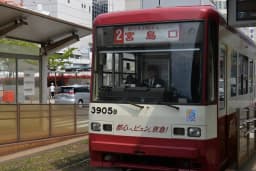
Getting around is easy thanks to the efficient tram system known locally as the Hiroden. These streetcars connect the main station to almost every major tourist site in the city. You can use an IC card (Suica, Pasmo, or ICOCA) or a ¥700 day pass for convenient and affordable travel.
Solo travel is very easy here thanks to clear English signage and the streetcar system, but a private guide can provide deeper historical context for the Peace Park monuments. Budget for around ¥10,000–12,000 per person per day for food, local transport, and entrance fees in 2026 — that covers a streetcar day pass (¥700), Peace Museum entry, lunch at Okonomimura, and dinner at a casual izakaya. Splurge nights at a Miyajima ryokan can add ¥20,000–30,000 per person including breakfast and a kaiseki dinner.
Most travelers find that two full days are enough to see the main city sites and Miyajima, three if you add Mazda or a day trip. If you are short on time, a well-planned Hiroshima 1-day itinerary from Osaka and Kyoto is also possible. Make sure to try the local oysters, anago-meshi (eel rice), and the spicy tsukemen noodles before you leave.
- Hiroshima Travel Logistics
- Transport: Hiroden Streetcar system
- Best Stay: Hatchobori or Station
- Top Food: Layered Okonomiyaki
- Wifi: Available in main areas
Hiroshima 2-Day Sample Itinerary for First Timers
Two full days is the sweet spot for first-time visitors: one day for the city's peace memorials and castle, one day for Miyajima Island. The structured plan below assumes you arrive at Hiroshima Station the night before Day 1 and check into a hotel near Hatchobori or the station. Adjust meal stops based on your appetite, but keep the morning Peace Park slot non-negotiable — afternoon crowds are heavy and the experience benefits from a quieter start.
Day 1: Peace Park, Castle, and Old-Town Garden
- 08:00 — Tram to Genbaku Dome-mae (¥220). Walk the Atomic Bomb Dome perimeter with morning light (free, 20 minutes).
- 08:30 — Cross the bridge into Peace Memorial Park. Visit the Children's Peace Monument and Cenotaph (free, 45 minutes).
- 09:30 — Hiroshima Peace Memorial Museum (¥200, allow 2-3 hours). Pre-book online to skip queues.
- 12:30 — Lunch at Okonomimura (¥1,000-1,500 for a layered Hiroshima okonomiyaki). 5 minute walk from the park.
- 14:00 — Tram to Kamiyacho-nishi (¥220). Walk to Hiroshima Castle (¥370, 60-90 minutes).
- 16:00 — Tram or 20 minute walk to Shukkeien Garden (¥260, 45-60 minutes). Catch the autumn colors in November or cherry blossoms in early April.
- 18:30 — Dinner and shopping along Hondori Arcade. Walk to the Nagarekawa nightlife district afterward — see our Nagarekawa and Ekinishi bar-hopping guide for picks.
Day 2: Miyajima Island Day Trip
- 07:30 — JR Sanyo Line from Hiroshima Station to Miyajimaguchi (¥420, 25 minutes). Free with JR Pass.
- 08:15 — JR ferry to Miyajima (¥200 + ¥100 visitor tax; free with JR Pass). 10 minutes.
- 08:30 — Walk along the seafront (15 minutes) to Itsukushima Shrine (¥300 entry). Check tide times before you go to catch the floating effect at high tide.
- 10:30 — Miyajima Ropeway up Mount Misen (¥2,000 round trip). Plan 2.5-3 hours including the summit walk and Reikado Hall.
- 14:00 — Lunch on the island: grilled oysters and anago-meshi (eel rice). Around ¥2,000.
- 15:30 — Souvenir shopping along Omotesando shopping street. Try the maple-leaf-shaped momiji manju cakes.
- 17:00 — Last ferry back at 22:14, but most travelers leave by 17:00 to catch the torii gate illuminated at sunset from Miyajimaguchi.
- 19:00 — Dinner back in Hiroshima or a final okonomiyaki near the station.
Tight on time? Compress the same plan into one full day with our Hiroshima and Miyajima 1-day itinerary — it cuts Shukkeien Garden and the castle in favour of a faster Peace Park visit.
Hiroshima Transit Costs and Getting Around (2026)
Hiroshima's tram network (Hiroden) reaches almost every major sight, and a single day pass usually pays for itself if you plan three or more rides. Buses fill the gaps to outlying areas like the Mazda Museum, while JR trains handle the run to Miyajimaguchi, Iwakuni, and Saijo. IC cards (Suica, Pasmo, ICOCA) work on every system in the city since the unified rollout, so you do not need a Hiroshima-specific card.
- Hiroden tram single ride: ¥220 flat fare in the city (¥270 to Miyajimaguchi via the tram-only route)
- Hiroden 1-day pass: ¥700 (city tram only) or ¥900 (city tram + Miyajima ferry combo)
- Bus single ride: ¥220 within the central zone
- JR Sanyo Line to Miyajimaguchi: ¥420 each way (free with JR Pass)
- Taxi initial fare: ¥600 for the first 1.5 km, then ¥80 per additional 240 m
- Hiroshima Meipuru-pu loop bus (sightseeing): ¥250 per ride or ¥400 day pass — covers all main peace sites
For long-distance arrivals from Tokyo, Kyoto, or Osaka, our guides on how to get to Hiroshima from Tokyo and Osaka and how to get around Hiroshima by streetcar and bus cover Shinkansen times, costs, and the best money-saving combos.
Frequently Asked Questions
Is one day enough for Hiroshima and Miyajima?
While you can see the main highlights in one day, it will feel very rushed. Most visitors prefer spending two days to properly explore the Peace Park and the island. This allows for a more relaxed pace and time to enjoy the local food scene.
What is the best way to get to the Peace Park?
The easiest way is to take the Hiroden tram from Hiroshima Station to the 'Genbaku Dome-mae' stop. The journey takes about 15 to 20 minutes and is very affordable. You can find more hiroshima attractions along the tram lines.
Do I need a JR Pass to get around the city?
A JR Pass is not necessary for travel within the city center as the trams are operated by a private company. However, the pass is very useful for the ferry to Miyajima and for traveling to Hiroshima from other cities. Most city sites are walkable or accessible by tram.
What is the difference between Hiroshima and Osaka Okonomiyaki?
Hiroshima style is layered with noodles and a thin crepe-like base, while Osaka style mixes all ingredients into a thick batter. The Hiroshima version is often considered more filling due to the heavy use of cabbage and yakisoba noodles. Both are delicious but offer very different textures.
How much does the Hiroshima Peace Memorial Museum cost in 2026?
The Peace Memorial Museum costs ¥200 for adults and ¥100 for high school students in 2026; junior high and younger enter free. Hours are 8:30 to 18:00 from March to November (8:30 to 17:00 December to February), with last entry 30 minutes before close. Audio guides rent for ¥400 in multiple languages.
How do I get from Hiroshima city to Miyajima Island?
Take the JR Sanyo Line from Hiroshima Station to Miyajimaguchi (25 minutes, ¥420), then transfer to the JR ferry to Miyajima (10 minutes, ¥200 plus ¥100 visitor tax). The total trip takes 35-40 minutes and costs about ¥720 one way. JR Pass holders ride the train and JR ferry for free, paying only the visitor tax.
When is the best time to see the floating torii gate at high tide?
Check the official Itsukushima tide tables before booking your ferry — high tide rises and falls roughly twice every 24 hours, so timing varies day by day. Aim to arrive within 90 minutes of peak high tide for the iconic floating effect, or at low tide if you want to walk to the gate's base. Our tide-times guide has the calendar for 2026.
Hiroshima is a city that successfully balances its heavy past with a bright and welcoming present. From the moving exhibits of the Peace Park to the natural beauty of Miyajima, plus the often-skipped Mazda Museum and Iwakuni or Saijo day-trip options, there is something for every traveler. Following these tips will help you make the most of your first visit to this remarkable Japanese destination.
Remember to take your time and respect the historical significance of the sites you visit. If you only have a single day, use our Hiroshima landmarks 1-day itinerary to plan the most efficient route through the must-see highlights. The local food and friendly atmosphere will likely make this one of the highlights of your trip to Japan. Enjoy your journey through a city that truly embodies the spirit of peace and resilience.