Yokohama Itinerary 2026: Complete 1–5 Day Guide (With Budget Tips)
Plan the perfect Yokohama itinerary for 2026. Day-by-day guides for 1 to 5 days, with prices, transit tips, and insider recommendations.
On this page
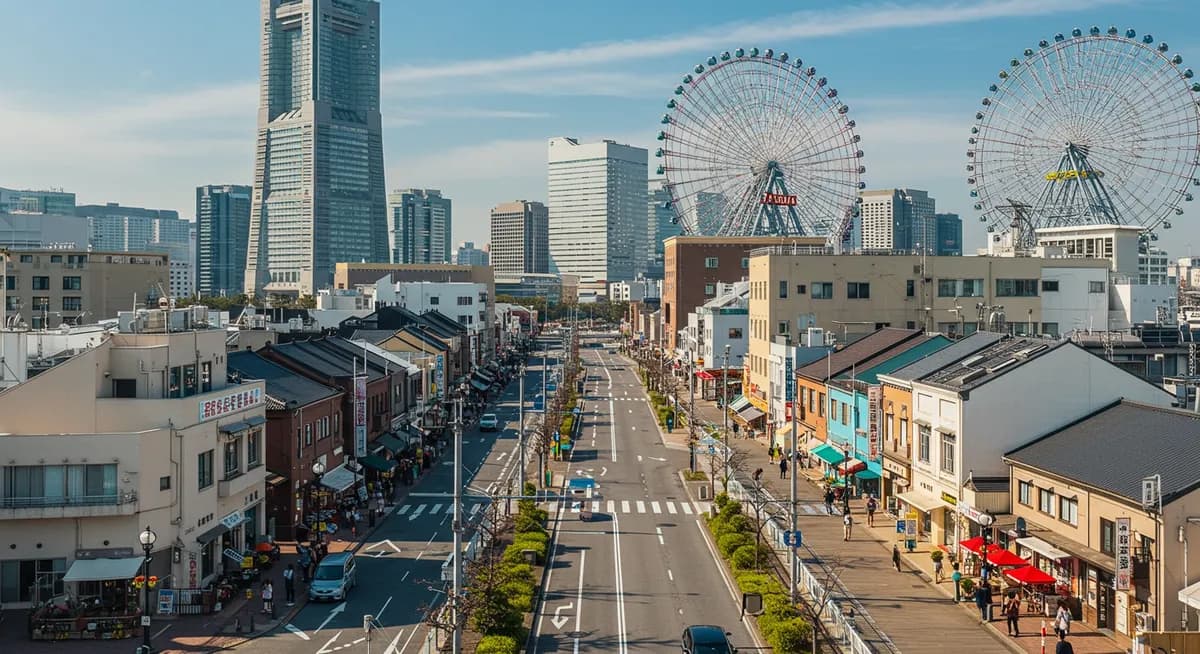
A well-planned Yokohama itinerary is the key to getting the most out of Japan's second-largest city. Just 25 minutes from Tokyo by train, Yokohama blends historic port-town charm with a futuristic waterfront, world-class museums, and one of Asia's largest Chinatowns. Whether you are planning a quick day trip from Tokyo or a full five-day deep dive, this 2026 guide gives you day-by-day plans, accurate prices, transit directions, and local tips so you can skip the guesswork and start exploring.
Yokohama is especially rewarding in 2026 thanks to ongoing waterfront revitalization projects and improved English-language signage across major stations. Explore a diverse range of activities from visiting historic landmarks to indulging in culinary adventures. Whether you are interested in things to do, seeking unique experiences, or craving thrilling adventures, Yokohama has something for everyone. Immerse yourself in the rich culture, enjoy vibrant nightlife, stay updated on exciting events, and discover the city's top highlights, activities, and attractions.
How to Get to Yokohama From Tokyo
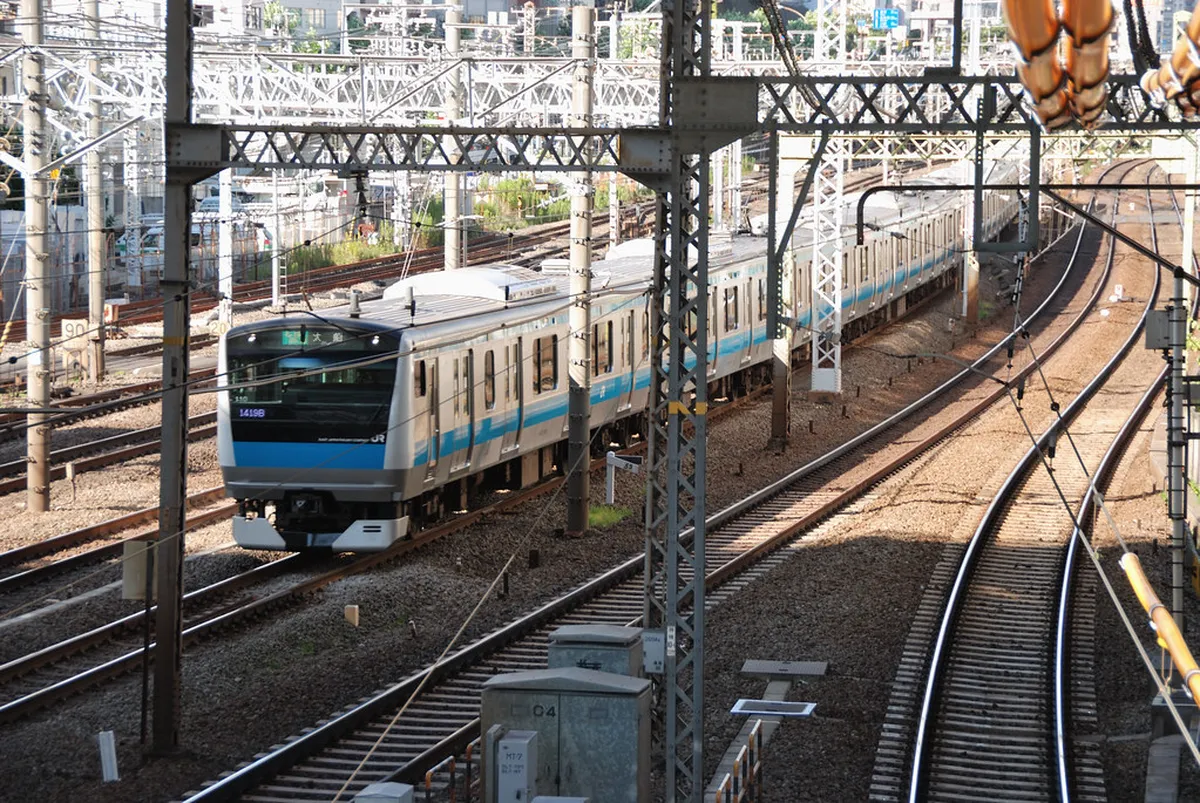
Getting to Yokohama from Tokyo is fast and straightforward. The table below summarizes your main options in 2026.
| Route | Line | Time | Cost (one-way) |
|---|---|---|---|
| Tokyo Station → Yokohama Station | JR Tokaido Line | ~25 min | ¥490 |
| Shibuya → Yokohama | Tokyu Toyoko Line | ~28 min | ¥280 |
| Shinjuku → Yokohama | JR Shonan-Shinjuku Line | ~30 min | ¥580 |
| Narita Airport → Yokohama | Narita Express (N'EX) | ~90 min | ¥4,620 |
| Haneda Airport → Yokohama | Keikyu Line | ~30 min | ¥370 |
Yokohama Station is not where most attractions are. Sakuragicho Station (one stop south, ¥140) is the better drop-off for Minato Mirai, Cosmo World, and the Cup Noodles Museum. Many first-timers waste 20 minutes walking from Yokohama Station to the waterfront.
Pro tip: If you hold a Japan Rail Pass, JR lines (Tokaido, Keihin-Tohoku, Shonan-Shinjuku, N'EX) are fully covered. For non-JR lines like the Tokyu Toyoko, use a Suica or Pasmo IC card — available at any station kiosk and reloadable at convenience stores.
Highway buses from Shinjuku and Shibuya are cheaper (around ¥1,000) but take 60–90 minutes depending on traffic. For a scenic arrival, seasonal ferries connect coastal cities to Yokohama's Osanbashi Pier.
Free: The Yokohama Essentials guide
Top things to do, where to stay, a perfect day plan, getting around, and the best time to go — a Yokohama mini-guide you can take offline.
How to Get Around Yokohama
Once you arrive, Yokohama is easy to navigate on foot, by train, by gondola, or by bus. The first thing to know: Yokohama Station is not where most attractions are. Sakuragicho Station (one stop south on the JR Negishi Line, ¥140) is the better drop-off for Minato Mirai, Cosmo World, and the Cup Noodles Museum. Ishikawacho Station is the closer stop for Chinatown and Yamate. Many first-timers waste 20 minutes walking from Yokohama Station to the waterfront — don't be one of them.
Trains and Subway
The Minatomirai Line connects Yokohama Station to the waterfront district in just 3 minutes (¥200) and continues to Motomachi-Chukagai (Chinatown) in 8 minutes total (¥220). The JR Negishi Line runs south to Sakuragicho, Kannai, and Ishikawacho. Yokohama's Blue Line subway links the Shinkansen hub at Shin-Yokohama with downtown Yokohama Station and Kannai. A Minato Mirai Line one-day pass costs ¥460 and pays off if you hop on more than twice.
Yokohama Air Cabin vs Walking the Kishamichi Promenade
The Yokohama Air Cabin is the urban gondola that opened in 2021 connecting Sakuragicho Station to the Red Brick Warehouse area, gliding 40 meters above the harbor in about 5 minutes. A one-way ticket is ¥1,000 (round trip ¥1,800), and operating hours are 10:00 AM–10:00 PM. Worth it for the view? Yes once, especially at sunset or after dark when Minato Mirai lights up — but the parallel Kishamichi Promenade walk is free, takes 12–15 minutes across three restored railway bridges, and gives you better photo angles of the Cosmo Clock 21 Ferris wheel. Most travelers do the gondola one direction and walk back.
Buses
The Akai Kutsu (Red Shoes) loop bus circles the major sights — Sakuragicho, Red Brick Warehouse, Chinatown, and Yamashita Park — every 15–20 minutes on weekends and holidays (¥220 per ride, or use IC card). The Yokohama City View Bus (hop-on-hop-off, ¥500/day) covers a wider route including Minato Mirai and the Yamate Bluff area.
Water Taxis and Sea Bass Ferry
The Sea Bass ferry connects Yokohama Station East Exit to Minato Mirai in 10 minutes and continues to Yamashita Park (¥700–¥1,000 depending on segment). Water taxis link key waterfront spots like Yamashita Park, the Red Brick Warehouse, and Hammer Head — a scenic alternative that doubles as a short harbor cruise.
Taxis and Walking
Taxis start at ¥500 and are useful late at night or with luggage. Most of central Yokohama — from Sakuragicho to Chinatown — is walkable within 20–30 minutes, and the waterfront promenade is flat, wide, and stroller- and wheelchair-friendly the entire way from Minato Mirai to Yamashita Park.
Where to Stay in Yokohama
Choosing the right area depends on your budget and priorities.
- Minato Mirai 21 (splurge): The Yokohama Royal Park Hotel occupies the upper floors of Landmark Tower. Expect ¥25,000–¥45,000/night for harbor-view rooms. The InterContinental Yokohama Grand is another upscale option right on the waterfront.
- Kannai / Chinatown (mid-range): Hotels like Hotel Edit Yokohama or Richmond Hotel Yokohama-Bashamichi offer clean, modern rooms for ¥10,000–¥18,000/night, within walking distance of Chinatown and Yamashita Park.
- Yokohama Station area (budget-friendly): Business hotels like Toyoko Inn and APA Hotel cluster near the station. Rates start around ¥6,000–¥9,000/night, with excellent train access.
- Ryokan experience: For a traditional stay with tatami mats and onsen, look at options in the Noge or Honmoku areas, slightly outside the center but easily accessible by bus.
Book well in advance during peak seasons — cherry blossom season (late March–mid April) and Golden Week (late April–early May) sell out fast.
Best Time to Visit Yokohama in 2026
The ideal season depends on what you want to experience.
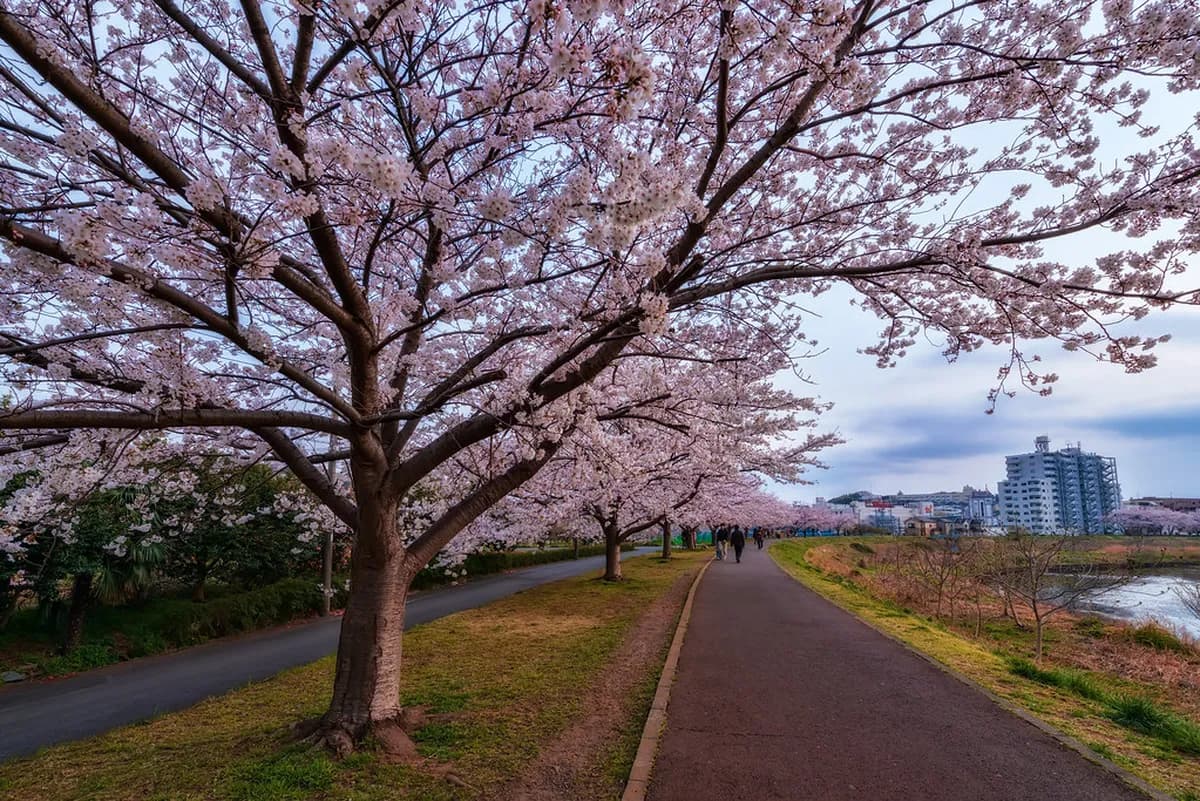
- Spring (March–May): Cherry blossoms peak in late March to early April. Temperatures average 15–22°C. Sankeien Garden and Yamashita Park are stunning during hanami season.
- Summer (June–August): Hot and humid (28–33°C) with occasional typhoons. Highlights include the Yokohama Sparkling Twilight fireworks (mid-July) and Pikachu Outbreak event (August).
- Autumn (September–November): Mild weather (15–25°C) and vibrant fall foliage. The Yokohama Oktoberfest (early October) at the Red Brick Warehouse is a local favorite.
- Winter (December–February): Cool and dry (5–12°C) with clear skies. The Yokohama Christmas Market and harbor illuminations draw large crowds in December.
How Many Days in Yokohama Do You Need?
The right number of days depends on your travel style. Here is a quick guide.
1-Day Quick Hit
Focus on Minato Mirai, Chinatown, and Yamashita Park. Arrive by 9:00 AM, hit the Cup Noodles Museum at opening, explore the waterfront, lunch in Chinatown, and catch sunset from the Red Brick Warehouse. A single day covers Yokohama's greatest hits and works perfectly as a day trip from Tokyo.
2–3 Days (Recommended)
Add the Yamate Bluff historic district, Sankeien Garden, Shin-Yokohama Ramen Museum, and a dinner cruise. Three days gives you breathing room to linger in Chinatown, visit museums, and explore neighborhoods like Motomachi and Noge without rushing.
4–5 Days (Deep Dive)
With extra time, add a day trip to Kamakura or Hakone, explore the automotive scene at Daikoku PA, visit the Kirin Beer Village (free tours with tastings), and discover hidden cafes in the Noge yokocho alley district. Five days lets you experience Yokohama at a local pace.
Cup Noodles Museum vs Shin-Yokohama Ramen Museum: Don't Mix These Up
This catches first-time visitors all the time. Yokohama has two completely different noodle-themed museums, on opposite sides of the city, with different prices, hours, and audiences. Pick the right one based on what you want.
- Cup Noodles Museum (Cupnoodles Museum Yokohama) is in Minato Mirai, a 10-minute walk from Sakuragicho Station. ¥500 admission, closed Tuesdays, open 10:00 AM–6:00 PM. Best for families and anyone who wants the hands-on My CUPNOODLES Factory workshop (¥500 extra, book ahead). It is about Momofuku Ando and the invention of instant noodles.
- Shin-Yokohama Ramen Museum is in Shin-Yokohama, near the Shinkansen station and 15 minutes by subway from central Yokohama. ¥480 admission, open 11:00 AM–9:00 PM. It recreates a 1958 Tokyo streetscape with nine regional ramen shops you can actually eat at. Best for serious ramen tourists and adults — kids enjoy it less than the Cup Noodles Museum.
If you only have time for one, pick Cup Noodles Museum for the experience or Shin-Yokohama for the food. Doing both on the same day is possible but adds an hour of transit each way.
Cherry blossom season (late March–mid April) and Golden Week (late April–early May) fill accommodation fast. Book at least 6–8 weeks ahead. Sankeien Garden crowds peak on the first full blossom weekend — arrive before 10:00 for the quietest experience.
Day 1: Yokohama's History and Culture
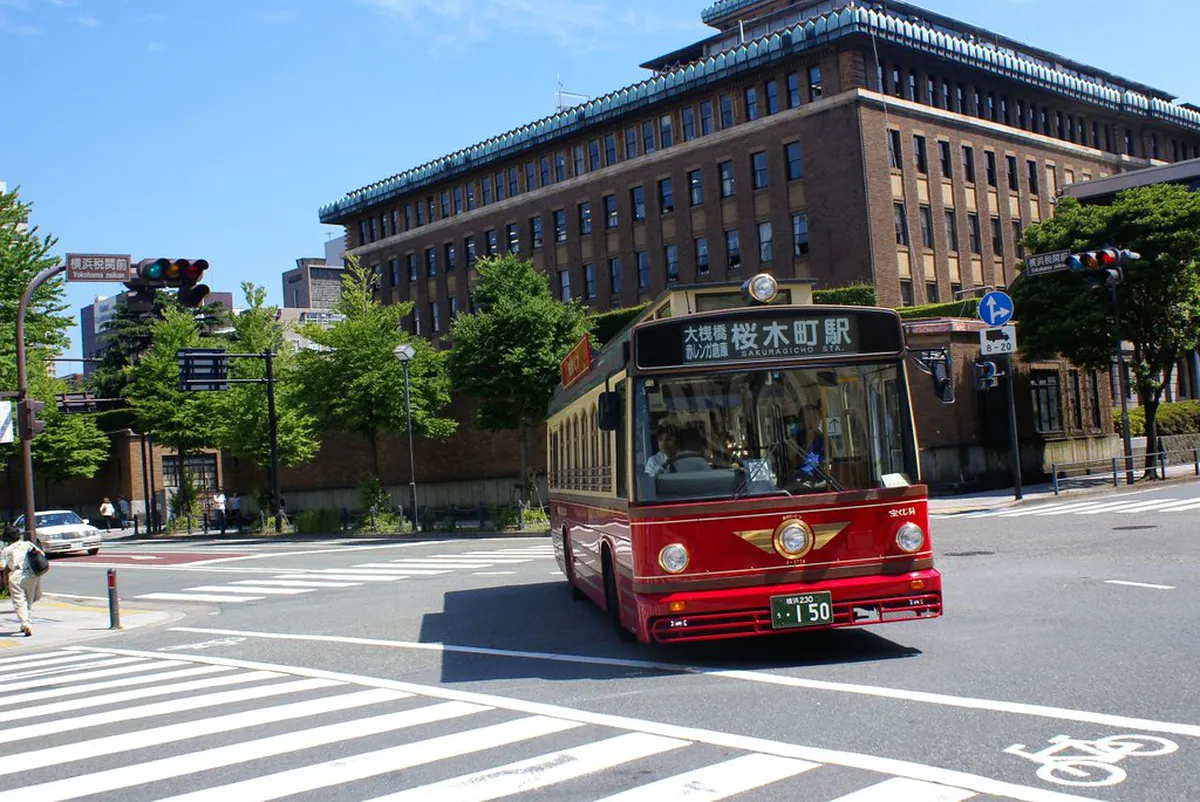
Morning: Yamate Bluff and Harbor View Park (9:00–11:30 AM)
Begin your Yokohama itinerary in the Yamate district, a hillside neighborhood where foreign traders once lived. Walk through the Western-style houses — the Bluff No. 18 House and the British House are free to enter (open 9:30 AM–5:00 PM, closed 4th Wednesday of each month). Continue to Harbor View Park for panoramic views of Yokohama Bay and the Bay Bridge. On a clear morning, you can see all the way to the Boso Peninsula. This is one of the best free viewpoints in the city.
Midday: Red Brick Warehouse and Osanbashi Pier (11:30 AM–1:30 PM)
Walk downhill to the Yokohama Red Brick Warehouse (Aka Renga Soko). Building 1 hosts rotating art exhibitions; Building 2 has shops and restaurants. For lunch, try the Bills Yokohama for fluffy ricotta pancakes or the ground-floor food court for affordable ramen and curry (¥900–¥1,400). Then stroll along Osanbashi Pier — its undulating wooden deck is an architectural landmark and offers 360-degree harbor views.
Afternoon: Silk Museum and Archives of History (1:30–4:00 PM)
Visit the Silk Museum (¥500 admission, open 9:30 AM–5:00 PM, closed Mondays) to learn how Yokohama became Japan's leading silk export port. Then cross the street to the Yokohama Archives of History (¥300), which documents the city's role in Japan's modernization from the 1850s onward. Both museums are compact and can be covered in 60–90 minutes total.
Evening: Chinatown and Yamashita Park (4:00–8:00 PM)
Walk 5 minutes to Yokohama Chinatown — with over 500 shops and restaurants across 10 blocks, it is the largest Chinatown in Asia. Start at Zenrin Gate and work your way to Kanteibyo Temple. For dinner, try Heichinrou (est. 1884, Japan's oldest Chinese restaurant) for a Cantonese set course (from ¥3,500) or grab street-food favorites like nikuman (steamed buns, ¥400) and shaomai dumplings (¥500 for 4). After dinner, stroll through Yamashita Park along the waterfront. The illuminated Yokohama Marine Tower and the retired ship Hikawa Maru (¥300 entry until 5:00 PM) make this a scenic end to Day 1. Discover more about Yokohama culture on your trip.
Day 1 Tips
- Take the JR Negishi Line to Ishikawacho Station (south exit) for the closest access to Yamate.
- Wear comfortable walking shoes — you will cover 10–12 km today.
- Visit Yamate early to avoid crowds; Chinatown peaks between 12:00–2:00 PM on weekends.
Day 2: Modern Marvels of Minato Mirai 21
Morning: Landmark Tower and Yokohama Museum of Art (9:00–12:00 PM)
Start at Yokohama Landmark Tower. The Sky Garden observation deck on the 69th floor (¥1,000 adults, open 10:00 AM–9:00 PM) offers 360-degree views — on clear days you can see Mount Fuji to the west. Next door, the Yokohama Museum of Art (¥500, closed Thursdays) houses modern and contemporary works by Dalí, Magritte, and Japanese artists. The museum's airy atrium is worth seeing even if you are short on time. For those interested in Yokohama attractions, these are essential stops.
Midday: Cosmo World and Lunch (12:00–2:00 PM)
Walk to Cosmo World, a waterfront amusement park with free entry (you pay per ride). The iconic Cosmo Clock 21 Ferris wheel costs ¥900 and gives stunning views over the harbor. For lunch, head to the nearby MARINE & WALK Yokohama shopping complex — Pie Holic offers unlimited pie lunch sets (¥1,980) and the terrace overlooks the water.
Afternoon: Cup Noodles Museum (2:00–4:30 PM)
The Cup Noodles Museum (Cupnoodles Museum Yokohama, ¥500 adults, open 10:00 AM–6:00 PM, closed Tuesdays) is one of Yokohama's most popular attractions. Design your own cup noodle at the My CUPNOODLES Factory (¥500 for the workshop — book online in advance at cupnoodles-museum.jp as slots sell out by midday). The Noodles Bazaar food court serves mini portions of noodles from eight countries for ¥300 each. Allow 2 hours for the full experience. This is one of the most unique Yokohama experiences you can have.
Evening: Dinner Cruise or Waterfront Dining (5:00–8:00 PM)
For a special evening, book a Yokohama Bay dinner cruise with Royal Wing (from ¥8,000 including buffet dinner, 2-hour cruise departing from Osanbashi Pier at 7:00 PM). Alternatively, dine at one of the waterfront restaurants in Minato Mirai — Chano-ma offers floor-seating with harbor views (dinner sets from ¥2,500). After dinner, walk the waterfront promenade to see the Cosmo Clock lit up against the skyline. Explore Yokohama nightlife if you want to keep the evening going.
Day 2 Tips
- Take the Minatomirai Line to Minatomirai Station (3 minutes from Yokohama Station, ¥200).
- Buy Cup Noodles Museum tickets online — the workshop sells out by noon on weekends.
- A Minato Mirai one-day pass (¥460) covers unlimited train rides in the area.
Day 3: Culinary Delights and Garden Tranquility
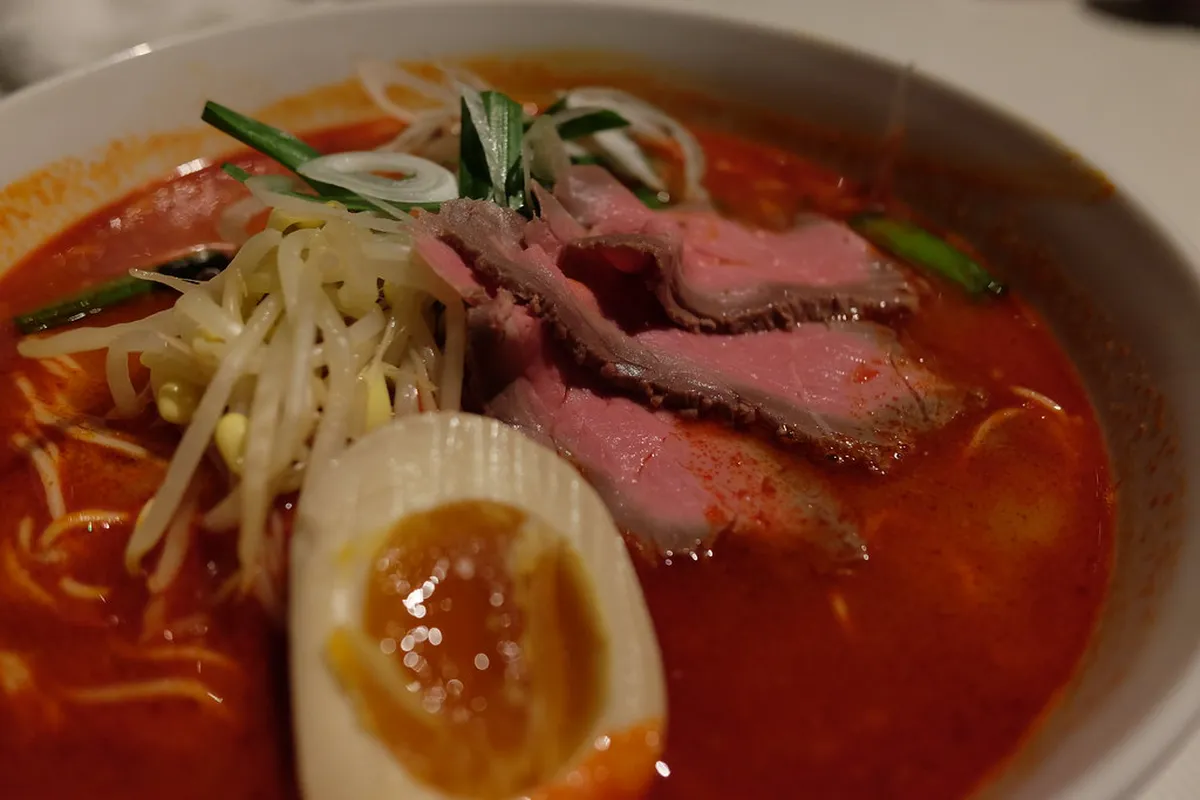
Morning: Shin-Yokohama Ramen Museum (9:30 AM–12:00 PM)
Take the Blue Line subway to Shin-Yokohama Station (15 minutes from Yokohama Station, ¥250). The Shin-Yokohama Ramen Museum (¥480 admission, open 11:00 AM–9:00 PM) recreates a 1958 Tokyo streetscape inside and hosts regional ramen shops from across Japan. Order "mini" bowls (¥500–¥600) so you can sample 2–3 styles. The Sumire booth (Sapporo-style miso ramen) and Komurasaki (Kumamoto-style tonkotsu) are local favorites. This is a must-visit for any food lover's Yokohama itinerary.
Midday: Yokohama Chinatown Revisited (12:30–2:00 PM)
Head back to Chinatown for a different culinary angle. Skip the main drag and explore the side streets — Manchinro's dim sum lunch set (¥2,200 for 10 pieces) is excellent. Try tapioca milk tea from a streetside vendor and pick up Chinese spices or tea as souvenirs at the specialty shops along Zhongshan Road.
Afternoon: Sankeien Garden (2:30–5:00 PM)
Take a bus from Chinatown (bus #8 from Yamashitacho stop, 15 minutes, ¥220) to Sankeien Garden (¥700 adults, open 9:00 AM–5:00 PM, last entry 4:30 PM). This 175,000 m² Japanese garden was built in 1906 by silk merchant Tomitaro Hara. Highlights include a three-story pagoda (originally from Kyoto's Tomyoji Temple, built in 1457), several tea houses, and seasonal flower displays — plum blossoms in February, cherry blossoms in April, and lotus in summer. The Inner Garden contains the oldest structures and is the most photogenic area. Allow 90 minutes for a leisurely visit.
Evening: Noge Yokocho and Izakaya Hopping (5:30–8:30 PM)
Return to the city center and explore Noge, Yokohama's retro entertainment district. The narrow alleys are packed with tiny izakayas, standing bars, and jazz cafes — Yokohama has been a jazz city since the 1920s. Try Noge Sanchome's standing bars for draft beer and yakitori (skewers from ¥150 each). A full izakaya dinner with drinks typically costs ¥2,500–¥4,000 per person. This is the best area to experience authentic Yokohama nightlife away from the tourist trail.
Day 3 Tips
- The Ramen Museum gets crowded after 12:00 PM — arrive at opening for shorter lines.
- Wear comfortable shoes for Sankeien Garden; paths are gravel in some sections.
- Noge is busiest (and most fun) on Friday and Saturday evenings.
Day 4: Day Trip to Kamakura or Hakone
Morning: Travel to Kamakura or Hakone (8:00–9:30 AM)
On Day 4, venture beyond Yokohama for a rewarding day trip. Two top options:
- Kamakura: Take the JR Yokosuka Line from Yokohama Station to Kamakura Station (26 minutes, ¥350). Buy the Enoshima-Kamakura Free Pass (¥780) for unlimited rides on the Enoden tram line.
- Hakone: Take the JR Tokaido Line to Odawara (50 minutes, ¥870), then use the Hakone Free Pass (¥5,000 for 2 days from Odawara) for buses, ropeways, boats, and trains within Hakone. Osaka is also within reach for longer itineraries.
Kamakura Highlights
Visit the Great Buddha (Kotoku-in Temple, ¥300 entry) — this 13.35-meter bronze statue dates to 1252 and is Kamakura's most iconic sight. Continue to Tsurugaoka Hachimangu Shrine (free entry), then explore Hokokuji Temple's bamboo grove (¥300 with matcha tea). For lunch, try shirasu-don (whitebait rice bowl, seasonal March–December) at a restaurant near Kamakura Station — Akimoto is popular with locals (from ¥1,100).
Hakone Highlights
Cruise across Lake Ashi for views of Mount Fuji (included in Hakone Free Pass), ride the Hakone Ropeway over Owakudani volcanic valley, and try the famous black eggs (kuro-tamago, ¥500 for 5) said to add seven years to your life. The Hakone Open-Air Museum (¥1,600) showcases contemporary sculptures in a mountain setting. For a soak, visit Hakone Yuryo day-use onsen (from ¥1,500).
Evening: Return to Yokohama (5:00–7:00 PM)
Aim to leave by 5:00 PM to return to Yokohama for dinner. Back in the city, enjoy a casual meal at Ramen Iekei-style shop — Yokohama is the birthplace of iekei ramen. Yoshimuraya near Yokohama Station is the original (bowls from ¥850).
Day 4 Tips
- Check the weather forecast — Mount Fuji visibility from Hakone requires clear skies, most common in winter mornings.
- Kamakura's Hase-dera Temple offers stunning coastal views and is worth the detour (¥400 entry).
- Purchase transportation passes before boarding to save time and money.
Day 5: Automotive Culture, Hidden Gems, and Farewell
Morning: Nissan Global Gallery and Kirin Beer Village (9:00 AM–12:00 PM)
Start your final day at the Nissan Global Headquarters Gallery in Minato Mirai (free entry, open 10:00 AM–8:00 PM). Browse concept cars, sit in the latest models, and learn about Nissan's history in Yokohama. Next, take the Keihin Kyuko bus to Kirin Beer Village in Namamugi (free brewery tour, reservations required at kirinbrewery.com, 80 minutes including tastings of three fresh beers). This is one of Yokohama's best free activities.
Midday: Motomachi Shopping Street and Lunch (12:30–2:00 PM)
Head to Motomachi, a charming shopping street with European-influenced boutiques, bakeries, and cafes. Pick up Yokohama souvenirs — Kiichigo chocolate from Mutekiro or Yokohama-branded goods at the Motomachi Welcome Center. Lunch at Enokitei, a Western-style house turned cafe in the Yamate area (lunch sets from ¥1,800).
Afternoon: Daikoku PA or Yokohama Port Museum (2:30–5:00 PM)
For car enthusiasts, Daikoku Parking Area (PA) is legendary — especially on weekend evenings when tuned cars gather. A daytime visit lets you see the infrastructure and occasional daytime meets. Alternatively, visit the Yokohama Port Museum (¥500, next to Nippon Maru memorial ship in Minato Mirai) to learn about Yokohama's 160-year port history, or explore the Yokohama Foreign General Cemetery on the Yamate Bluff (¥200 donation requested, open weekends and holidays).
Evening: Farewell Dinner (5:30–8:00 PM)
For your final evening, splurge on a meal at Sushi Kuine near Yokohama Station for premium omakase sushi (from ¥5,000) or enjoy casual waterfront dining at Red Brick Warehouse's terrace restaurants. Walk the harbor one last time — the lights of Minato Mirai reflecting on the water are the perfect farewell image.
Day 5 Tips
- Daikoku PA peak action is Friday–Saturday nights after 10:00 PM — a daytime visit is quieter but still interesting.
- Kirin Beer Village tours book out weeks in advance; reserve online early.
- For car-meet schedules, check online forums and social media groups for Daikoku PA events.
Yokohama Budget Breakdown (Per Day)
Here is a realistic daily budget for Yokohama in 2026, based on mid-range spending.
| Category | Budget (¥) | Mid-Range (¥) | Splurge (¥) |
|---|---|---|---|
| Accommodation | 6,000–9,000 | 10,000–18,000 | 25,000–45,000 |
| Meals (3/day) | 2,500–3,500 | 4,000–6,000 | 8,000–15,000 |
| Transport | 500–1,000 | 1,000–1,500 | 2,000–3,000 |
| Attractions | 0–1,000 | 1,500–3,000 | 3,000–8,000 |
| Total/day | ~10,000 | ~20,000 | ~45,000 |
At 2026 exchange rates (approximately ¥150 = $1 USD), a mid-range day in Yokohama costs roughly $130–$140 USD.
Chinatown Street Food: What to Order and What to Skip
Yokohama Chinatown has over 500 shops across 10 blocks, which means plenty of tourist traps alongside legitimately great food. Stick to these specific items and price points to eat well.
- Edosei panda buns (steamed pork buns shaped like pandas, ¥400 each) on Chuka Daimon-dori — the most photographed snack in Chinatown for good reason.
- Xiaolongbao (soup dumplings) at Kaika Rou — ¥600 for 4 pieces, eaten standing at the counter. Skip the giant novelty xiaolongbao with a straw; the small classic version is what locals order.
- Nikuman (steamed pork buns) at Edosei or Rouchinki, ¥400–¥500. Avoid the queues at the most Instagram-famous stalls — the buns are nearly identical at the quieter shops one block over.
- Shaomai dumplings from Kiyoken (¥500 for 4), the brand that invented Yokohama's signature train-station shaomai bento in 1928.
- Egg tarts (¥250 each) at Hongkong Sweets Saika near the East Gate — better than the touristy bakeries on the main drag.
Total damage for a proper street-food crawl: around ¥2,000–¥2,500 per person across 5–6 stops. Most stalls close their kitchens between 14:00 and 17:00, so plan an early-afternoon or evening graze.
The Iekei Ramen Pilgrimage Most Itineraries Skip
Yokohama is the birthplace of iekei ramen — the rich pork-bone-and-soy-sauce style with thick straight noodles, spinach, and a sheet of nori — invented at Yoshimuraya in 1974. Most itineraries lump ramen into a generic Chinatown or Ramen Museum stop and miss the actual pilgrimage. The original Yoshimuraya is a 7-minute walk from Yokohama Station's west exit (open 11:00–22:00, bowls ¥850–¥1,100). Expect a 30–45 minute queue at peak times (12:00–13:00 and 19:00–20:00); go at 11:00 sharp or after 15:00 to walk straight in.
The order matters: ask for futsuu (normal) noodles, koime (strong) tare, and ooaburi (extra fat) for the authentic experience on your first visit. Add a side of nori and a soft-boiled egg (¥150). Pair with rice — locals dunk the leftover nori in the soup, wrap rice in it, and eat it like a soup-soaked onigiri. Within a 1-km radius of Yoshimuraya you'll find dozens of "honke" (lineage) iekei shops opened by former apprentices: Sugitaya, Hajimeya, and Rikyu Iekei are all walkable and let you taste how the style evolves between masters. None of the SERP guides walk you through this — it is the single best Yokohama food experience for anyone who already knows they like ramen.
Nighttime Photography Spots in Yokohama
Yokohama's skyline is one of Japan's most photogenic after dark, and a few specific vantage points consistently beat the obvious ones.
- Osanbashi Pier rooftop deck after 19:00 — wide-angle of Minato Mirai with the Cosmo Clock 21 reflected in the harbor. Free, open 24 hours.
- Kishamichi Promenade (middle bridge) looking back toward the Landmark Tower — the railway-bridge ironwork frames the shot.
- Zou-no-hana Park terrace — lower foot traffic than Osanbashi, with the Bay Bridge in the same frame as Cosmo World.
- Sky Garden 69F at Landmark Tower (¥1,000) — for the only elevated angle. Avoid weekends after 20:00 when reflections in the windows ruin most shots.
The Cosmo Clock 21 changes color every minute on the hour; time your shutter for the full-saturation transitions. Tripods are tolerated on the promenade but not inside the Sky Garden.
For up-to-date opening hours, ticket prices, and seasonal event calendars in Yokohama, consult the Yokohama City Tourism Association and the official Japan National Tourism Organization Yokohama pages — both are kept current by their respective tourism authorities.
Frequently Asked Questions About Visiting Yokohama
Is Yokohama worth a day trip from Tokyo?
Yes. Yokohama is only 25–30 minutes from central Tokyo by train and offers enough attractions — Chinatown, Minato Mirai, the Cup Noodles Museum, and the Red Brick Warehouse — to fill a full day. It feels distinctly different from Tokyo, with a more relaxed waterfront atmosphere and fewer crowds at major sights. Many travelers find it is one of the best day trips from Tokyo.
How do I get from Tokyo to Yokohama by train?
The fastest option is the JR Tokaido Line from Tokyo Station to Yokohama Station, which takes approximately 25 minutes and costs ¥490. From Shibuya, the Tokyu Toyoko Line reaches Yokohama in about 28 minutes for ¥280. All JR lines are covered by the Japan Rail Pass. Trains run every 3–5 minutes during peak hours.
What is the best area to stay in Yokohama?
For first-time visitors, the Minato Mirai 21 area offers the most convenient access to major attractions and waterfront dining. Budget travelers should look at business hotels near Yokohama Station. For a cultural experience close to Chinatown and historic sites, the Kannai district is ideal, with mid-range hotels starting around ¥10,000 per night.
When is cherry blossom season in Yokohama?
Cherry blossoms in Yokohama typically bloom from late March through mid-April. The best viewing spots are Sankeien Garden, Yamashita Park, and the Negishi Forest Park. In 2026, the Japan Meteorological Corporation forecasts peak bloom around March 28–April 5 for the Kanto region.
Is a Japan Rail Pass worth it for a Yokohama trip?
If you are only visiting Yokohama from Tokyo, a JR Pass is not cost-effective — the round trip is under ¥1,000. However, if your itinerary includes Yokohama plus other cities (Kamakura, Hakone, Kyoto, Osaka), the 7-day JR Pass (¥50,000 in 2026) pays for itself quickly. For Yokohama-only trips, a Suica/Pasmo IC card is the most practical choice.
What food is Yokohama famous for?
Yokohama is the birthplace of iekei ramen — a rich pork-bone and soy-sauce style created at Yoshimuraya in the 1970s. The city is also famous for Chinatown cuisine (nikuman steamed buns, dim sum, Peking duck), Sanma-men noodles, Yokohama beer, and Navy Curry (kaigun curry), a recipe dating to the Meiji era. The Shin-Yokohama Ramen Museum and Chinatown are the two top culinary destinations.
Can I visit Kamakura and Yokohama in one day?
It is possible but tight. Kamakura is 26 minutes from Yokohama by JR Yokosuka Line. If you start early (8:00 AM), you can spend the morning in Kamakura seeing the Great Buddha and Tsurugaoka Hachimangu, then return to Yokohama by early afternoon for Chinatown and Minato Mirai. A more relaxed approach is to dedicate a full day to each city.
From the serene beauty of Sankeien Garden to the bustling lanes of Chinatown and the futuristic skyline of Minato Mirai 21, Yokohama offers one of Japan's most rewarding travel experiences in 2026. Whether you have one day or five, this itinerary gives you the structure to make the most of every hour. Start planning your unforgettable Yokohama adventure today — and check out our full guide to things to do in Yokohama for even more ideas.
Free: The Yokohama Essentials guide
Top things to do, where to stay, a perfect day plan, getting around, and the best time to go — a Yokohama mini-guide you can take offline.
You might also like


Continue reading
More guides you'll find useful