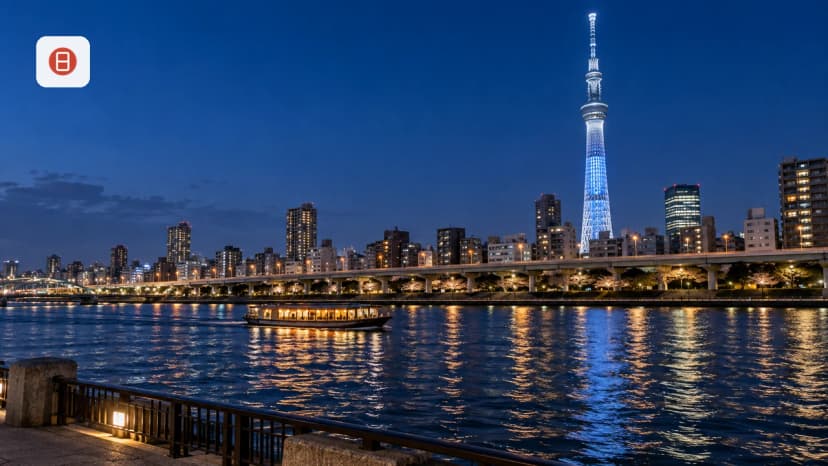
Mount Takao (Takaosan) is the most-visited mountain in Japan by visitor count — and for good reason. It sits just under an hour from Shinjuku by train, rises to 599 meters above sea level, and packs Buddhist temples, six hiking trails, monkey encounters, and panoramic Mount Fuji views into a single day. This guide covers everything you need to plan a smooth 2026 visit, whether you have four hours or a full day.
The mountain sits at the western edge of Tokyo in Hachioji, roughly 40 km from Shinjuku as the crow flies. It has been a sacred site for over 1,000 years. Mountain ascetics called yamabushi once trained here in waterfall asceticism and sutra reading. Today most visitors come for the trails, the views, and the soba noodles.
Planning Your Mt Takao Day Trip: Essential Info
A full day — roughly 6 to 8 hours from your Tokyo hotel to your return — is ideal for a comprehensive visit. A half-day works if you take the cable car up and limit yourself to Yakuo-in Temple and the summit. Budget 4 hours minimum; trails alone take 1.5 to 2.5 hours each way depending on route.
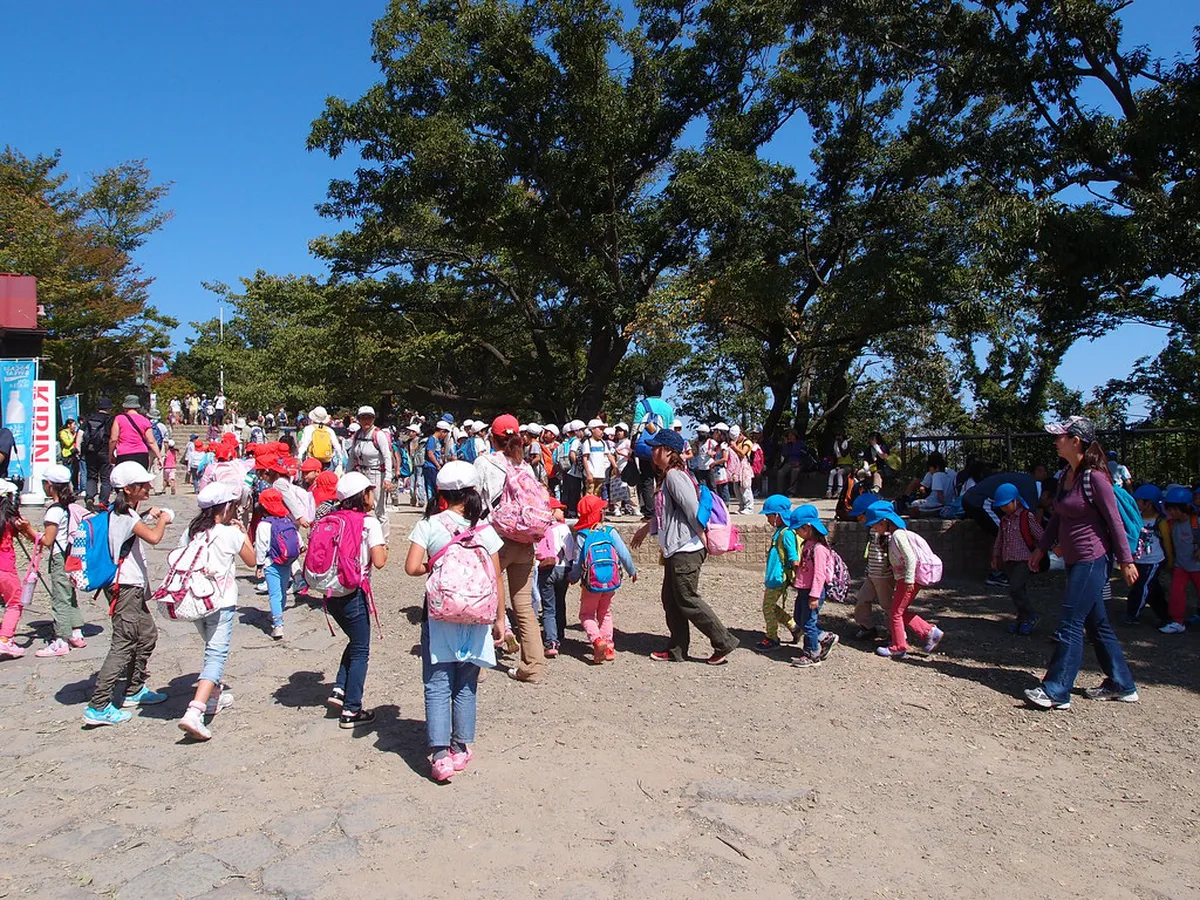
Arrive before 09:00 on weekdays to get the best of the mountain without queues. Weekends between 10:00 and 14:00 are peak hours — trails become genuinely crowded and the cable car line can stretch 30+ minutes. Autumn foliage in November and cherry blossom weekends in late March to early April are the busiest periods of the year.
The mountain is excellent in every season. Summer mornings are cooler than central Tokyo by a degree or two. Winter offers the clearest Fuji views. Spring and autumn draw the largest crowds but also the most dramatic scenery. There is no bad time, just a trade-off between atmosphere and solitude.
Getting to Mount Takao from Tokyo
The fastest and cheapest route is the Keio Line from Shinjuku Station direct to Takaosanguchi. Take the Keio Line Semi-Special Express bound for Takaosanguchi — it runs straight through without a transfer at Kitano. The fare is ¥430 one-way and the journey takes just under an hour. The first direct train departs Shinjuku at 05:29.
JR Pass holders can take the JR Chuo Line from Shinjuku to Takao Station, then transfer to the Keio Line for one stop to Takaosanguchi (¥140 extra). Note that JR Pass does not cover the Keio Line, so you pay the Keio fare regardless. From Yokohama, take the JR Yokohama Line to Hachioji, then JR Chuo to Takao and Keio to Takaosanguchi — total journey around 1 hour 15 minutes.
When you exit Takaosanguchi Station, turn right and follow the path for 500 meters to reach the cable car and chairlift stations, then keep right for the main hiking trail. Walking from Takao Station (one stop back) takes 30 minutes and is not scenic. Skip it.
If you plan to use both the Keio Line and the cable car, the Keio 1-Day Takao Ticket (¥1,690 for adults) bundles a full-day Keio/Inokashira Line pass, a round-trip cable car or chairlift ticket, and admission to the Monkey Park and Wild Plant Garden. It saves roughly ¥300 compared to buying separately and removes the need to buy multiple tickets throughout the day.
Choosing Your Ascent: Hiking, Cable Car, or Chairlift
Mount Takao offers six marked hiking trails plus two mechanical options. Here is how they compare:
- Trail 1 (Omotesando Trail): 3.8 km, easy to moderate, mostly paved. The main route, passing Yakuo-in Temple. Best for first-timers and families. Busy on weekends.
- Trail 2 (Kasumidai Loop): 0.9 km, easy. A short forest loop near the cable car upper station. Good add-on after arriving by cable car.
- Trail 3 (Katsura Woods Trail): 2.4 km, medium. Streams, forested ridges, and views. Pick it up from the summit loop or halfway along Trail 1.
- Trail 4 (Suspension Bridge Trail): 1.5 km, medium, with steep stairs. Crosses the Miyamabashi suspension bridge. Excellent for descent if you hiked up Trail 1.
- Trail 5 (Summit Loop Trail): 0.9 km, easy. Loops around the summit and connects the other trails.
- Trail 6 (Biwa Waterfall Trail): 3.3 km, challenging. Runs base to summit via a waterfall and cool forest air. One of the most scenic and least crowded.
- Inariyama Trail: 3.2 km, challenging. Via Mount Inari, base to summit. Known for year-round wildflowers and very few crowds.
The Mount Takao Cable Car runs every 15 minutes between 08:00 and approximately 17:45 (extended to 21:15 when the Beer Garden is open). The ride takes 6 minutes. One-way tickets cost ¥490 for adults; round-trip ¥950. The steepest cable car in Japan by angle of incline.
The chairlift runs from 09:00 to 16:00 (extended to 16:30 seasonally). The ride takes 12 minutes in open twin seats — a better option in fine weather. Same price as the cable car: ¥490 one-way, ¥950 return. Both deposit you near the Kasumidai Observation Deck, about 15 minutes from Yakuo-in Temple and 40 minutes from the summit on foot.
Families with strollers or visitors with limited mobility should take the cable car up. Paths near the summit and through Yakuo-in Temple are uneven, but the cable car removes the steepest section. Note that both the cable car and chairlift close earlier on weekdays — plan your descent before 17:30 to avoid hiking down in the dark.
Yakuo-in Temple: A Spiritual Stop
Yakuo-in Temple was founded in 744 by Gyoki Bosatsu and sits roughly 15 minutes below the summit on Trail 1. It is one of the three principal temples of the Shingon sect in the Kanto region and is free to enter. Allow 30 to 45 minutes to walk through the full complex.
The most striking features are the tengu statues throughout the grounds — mythical mountain guardians depicted with either a long pointed nose or a crow's beak. Brightly painted carvings cover the gate pillars and hall facades, reaching their most vivid in autumn when the surrounding maples turn red and orange. A monument inscribed with sessho kindan (prohibiting killing) stands near the main hall, a reminder of the strict protective laws maintained since the temple's founding.
One detail most visitors miss: Yakuo-in holds an ogoma-shugo fire ritual in the main hall most mornings. The ceremony involves priests chanting sutras and burning wooden prayer sticks in a sacred fire. Non-Japanese visitors can observe and participate in the ritual atmosphere without needing language skills — it usually runs from around 09:00 and lasts 30 to 40 minutes. English information is limited, so arrive early and follow the incense smoke.
For a fuller cultural experience, Yakuo-in offers shojin ryori — traditional vegetarian Buddhist cuisine — starting from ¥2,800 per person. Reservations are required and can currently only be made in Japanese via the temple's official website. Worth the effort if you can arrange it in advance.
Exploring Mount Takao's Summit & Key Attractions
The summit sits at exactly 599 meters and holds a small observation deck, a visitor information centre, a handful of souvenir shops, and several soba restaurants. On clear days — most common in winter and early spring — Mount Fuji fills the western horizon. Tokyo's sprawl stretches to the east. Spend at least 30 minutes here to absorb the scale of both views.
Near the Mount Takao Monkey Park and Wild Plant Garden, located just past the cable car upper station, a single ticket (¥500 for adults) covers both attractions. Around 60 Japanese macaques live in a natural habitat, with guides known for storytelling about individual monkey personalities — some animals respond to their names. The Wild Plant Garden displays over 300 native grass and plant species, many of which nearly disappeared during post-war development. Open daily from 09:30 to 16:30 (hours vary seasonally).
Photographers targeting Mount Fuji should plan for the summit in the morning between October and February when haze is lowest. The summit faces west-northwest toward Fuji, and early light from the east creates clean backlit conditions on the summit itself. A 200mm or longer telephoto lens is recommended if you want Fuji to fill the frame.
Seasonal Highlights: Beer Garden, Diamond Fuji & More
The Beer Garden (Beer Mount) opens annually from mid-June to mid-October near the cable car upper station. It runs 13:00 to 21:00 daily. All-you-can-eat-and-drink admission is ¥3,800 for men and ¥3,600 for women (2026 prices — verify on the official site). Premium seats with better Fuji views cost ¥5,000 per person. Student and senior discounts apply. When the Beer Garden is open, the cable car runs extended hours until 21:15, so you will not get stranded.
Diamond Fuji is the rare alignment of the setting sun with the peak of Mount Fuji, visible from the summit around 16:00 on clear days in December, near the winter solstice. It draws photographers from across Japan. Arrive by 15:30 to claim a spot on the observation deck. Bring a tripod and a telephoto lens — 200mm minimum, 400mm ideal for a frame-filling alignment shot. The event window is short (10 to 15 minutes) and depends entirely on cloud cover.
Other notable seasonal events include the Takao Hiwatari Festival (fire-walking ceremony, second Sunday in March — visitors can attempt the walk themselves), Setsubun on February 3 featuring local sumo wrestlers throwing ritual beans at the temple, the Takao Wakaba Festival through April and May with outdoor tea ceremonies and traditional dance, and the month-long Autumn Leaves Festival in November with food stalls, sake, and taiko drumming. Plum blossoms typically peak in February near the trailheads.
Food & Drink on Mount Takao
Mount Takao has its own culinary identity built around tororo soba — cold soba noodles topped with grated Japanese mountain yam (tororo). Pilgrims historically ate it for strength before ascending, and it remains the mountain's defining dish. Dozens of restaurants serve it, from simple standing stalls to sit-down rooms. Takahashiya, directly across from the base cable car station, has been serving tororo soba for over 170 years and contains a 150-year-old persimmon tree inside the building. Budget ¥1,000–¥1,500 for a bowl.
Along Trail 1 and near the Kasumidai midway observation deck you will find cafes, ramen stalls, pizza, and hot dogs. The summit has soba restaurants serving sansai soba (mountain vegetable noodles). Vegetarian visitors are well served: tororo soba is typically vegetarian, and shojin ryori at Yakuo-in (reservation required) is fully plant-based.
Street snack highlights include tengu-yaki — a black bean paste pastry baked in a tengu-face mould, sold near the cable car base station — and mitarashi dango, skewered rice dumplings with sweet soy sauce glaze. In summer and autumn, vendors also grill fresh ayu (sweetfish) on skewers along the lower trail. Vending machines exist at the midway deck and summit, but prices are roughly double what you'd pay at a convenience store in Tokyo.
One important logistics note: there are no trash cans anywhere on Mount Takao. All waste must be carried back down. Bring a small bag to collect wrappers, bottles, and food packaging before you start the ascent.
Beyond the Summit: Takao 599 Museum & Onsen
The Takao 599 Museum stands close to Takaosanguchi Station and provides an excellent introduction to the mountain's ecology before you begin your ascent. Entry is free. It displays specimens of the mountain's plants, insects, birds, and mammals in detailed exhibits, with full English labelling. A rest area and cafe are inside. Hours are 08:00 to 17:00 (April–November) and 08:00 to 16:00 (December–March), with irregular closing days — check the official site before visiting.
Takaosan Onsen Gokurakuyu is located immediately adjacent to Takaosanguchi Station — turn right as you exit the ticket gates and it is in front of you. Entry is ¥1,100 on weekdays and ¥1,300 on weekends and public holidays (peak season pricing). Children pay half price. The baths include outdoor natural hot springs, a cypress micro-bubble bath, a carbonated outdoor pool, and a rotating seasonal bath. Open 08:00 to 22:45, last entry at 22:00. Note that tattoos are not permitted.
The onsen is the ideal final stop on a Mt Takao day trip: descend the mountain, drop your bag in the locker room, and soak for an hour before catching the train home. On cold winter days after a Diamond Fuji attempt, it is genuinely restorative.
Practical Tips for Your Visit
Advance booking is not required for hiking or the cable car. The Beer Garden benefits from reservation in peak summer months. Wear walking shoes with grip — even on the paved Trail 1, steeper sections near Yakuo-in are uneven. Bring layers: the summit can be 3 to 5 degrees cooler than central Tokyo on clear winter days. A hat and sunscreen matter in summer; a wind layer matters in winter.
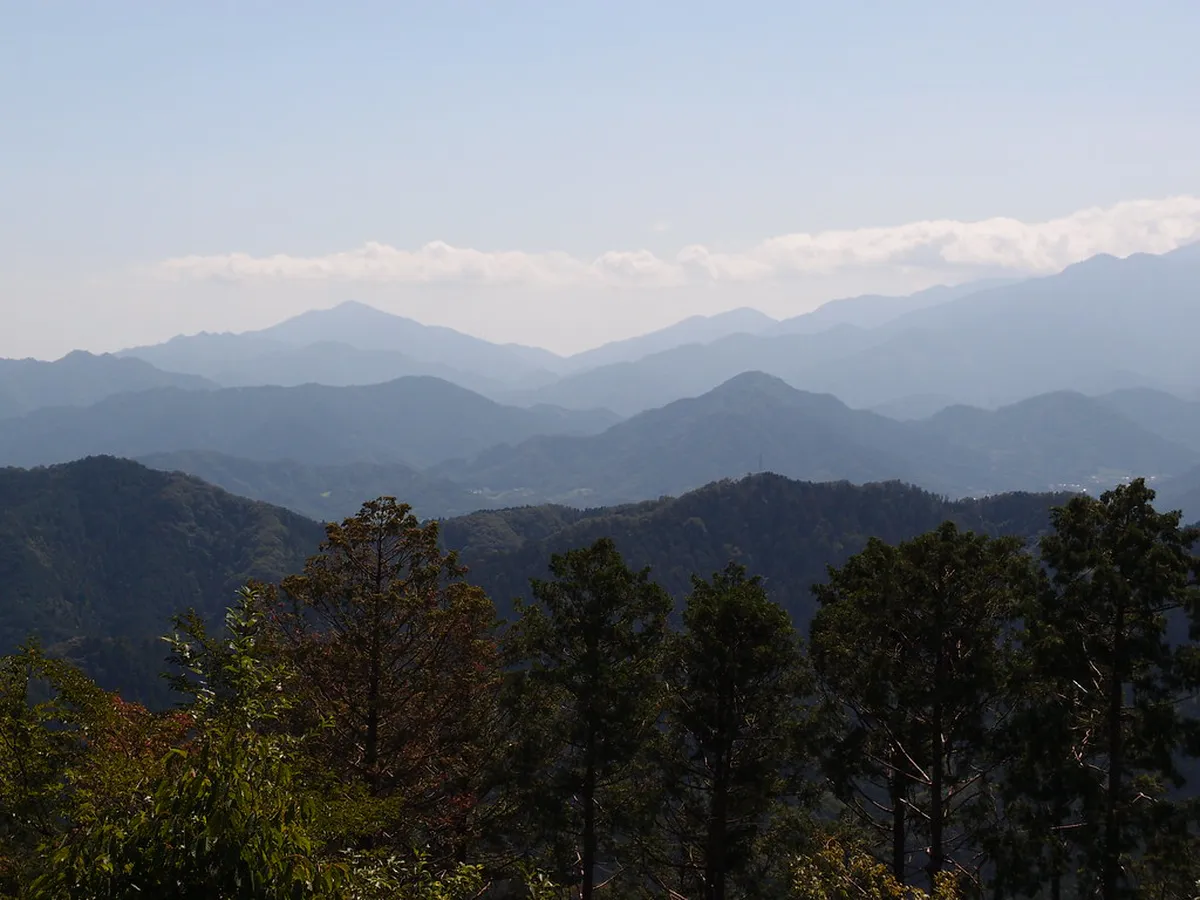
For a less crowded descent, use Trail 4 (the Suspension Bridge Trail) or Trail 6 (Biwa Waterfall Trail) rather than returning on Trail 1. These trails diverge from the summit area and carry a fraction of the Trail 1 foot traffic. Trail 4 rejoins Trail 1 near the cable car station; Trail 6 returns you to Takaosanguchi independently. Both require trail shoes and are not stroller-accessible.
Public toilets are available at Takaosanguchi Station, the midway observation deck, and the summit. Lockers are available at both ends of the cable car station for ¥100–¥500 depending on size — useful if you want to leave a large bag while hiking. The first train from Shinjuku to Takaosanguchi departs at 05:29 for those targeting a sunrise summit in summer.
For photography, the two best spots are the main summit observation deck for Fuji views and the Miyamabashi suspension bridge on Trail 4 for canopy forest shots. Morning light (before 10:00) is cleanest on the summit. In November, the canopy on the upper section of Trail 1 between Yakuo-in and the summit turns deep crimson and is best photographed in the flat overcast light typical of late autumn afternoons.
Frequently Asked Questions
When is the best time to visit Mt Takao for a day trip?
The best times are spring for cherry blossoms or autumn for vibrant fall foliage. Weekdays are less crowded than weekends. Arriving before 9:00 AM helps avoid peak crowds.
How much time should you plan for a Mt Takao summit visitor guide experience?
We recommend planning a full day, about 6-8 hours, for a comprehensive Mt Takao visit. This allows time for travel, ascent, exploring attractions, and descent. You can explore more about Mount Takao here: Mount Takao.
How much does the Mt Takao cable car cost?
A one-way ticket for the Mt Takao cable car costs ¥490. A round trip ticket is ¥950. Prices are subject to change, so always verify on the official website.
How long does it take to reach the Mt. Takao summit?
Via the popular paved Trail 1 it takes about 90 minutes on foot from the base, or roughly 40–60 minutes from the top cable-car station. Fitter hikers using the steeper nature trails can reach the 599m summit in around 60 minutes.
Mount Takao packs a surprising amount into a single day: six hiking trails, a 1,200-year-old temple complex, open-air monkey encounters, seasonal festivals, and Mount Fuji on the horizon. It is accessible enough for first-time visitors and varied enough for repeat trips. The key is timing — arrive early, avoid peak weekends if possible, and build in an hour at the onsen on the way home.
Whether you come in February for plum blossoms, December for Diamond Fuji, or any ordinary Tuesday for a quiet forest hike, Mount Takao delivers a genuine escape less than an hour from Shinjuku. Pack layers, carry your rubbish back down, and check the cable car closing time before you set off for the summit.
To verify current details, consult the Mt Takao Summit on Wikipedia and Mt Takao Summit official site.