
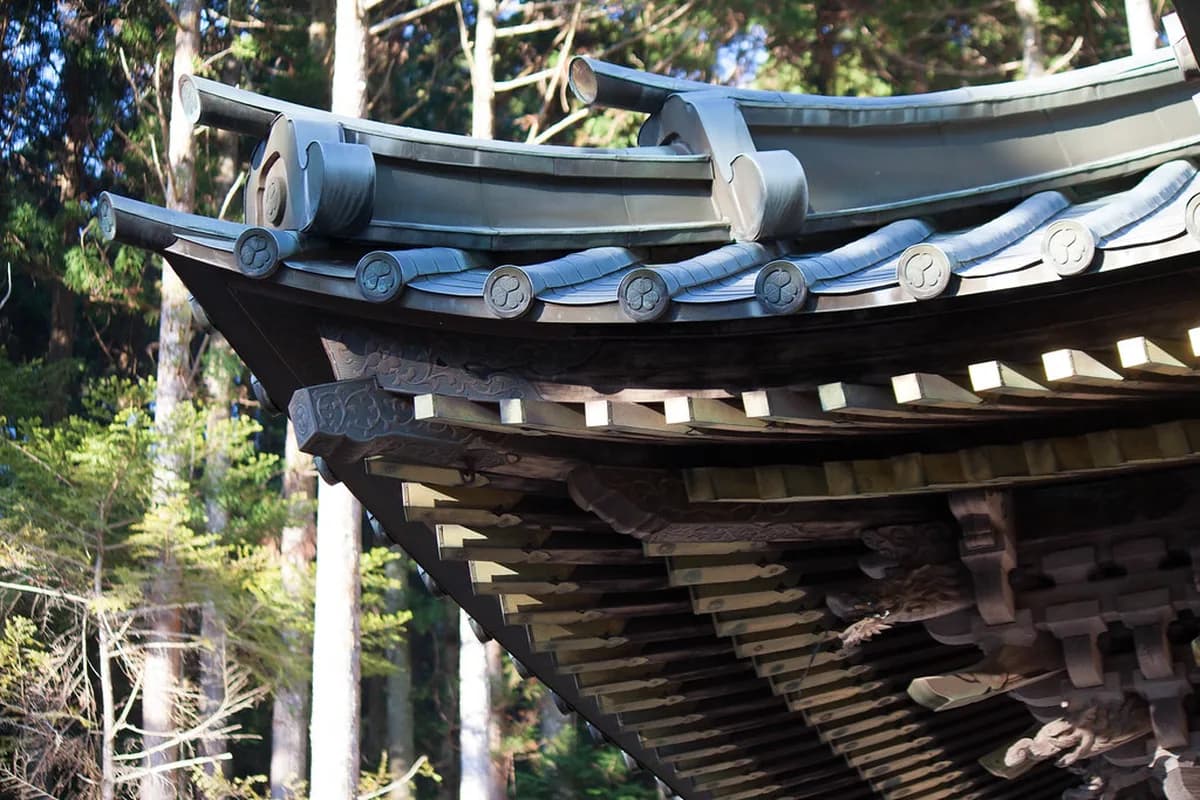
Exploring the final resting places of the Tokugawa Shoguns offers a profound window into Japan's feudal past. This tokugawa mausoleum visitor guide covers the three most significant sites across Nikko, Shizuoka, and Koyasan. Each location provides a unique blend of architectural opulence and spiritual serenity.
The Tokugawa Shogunate ruled Japan for over 250 years, bringing a long era of peace and stability. Visiting these shrines allows you to witness the immense power and wealth of the Edo period firsthand. You will find that the artistic styles vary significantly between the mountain forests and coastal cliffs.
Planning a trip to these historical landmarks requires understanding the logistics of different regions. Whether you seek the golden carvings of Nikko or the quiet paths of Koyasan, this guide ensures a smooth journey. Prepare for a deep dive into the legacy of the Great Unifier, Tokugawa Ieyasu.
Historical Legacy of Shogun Tokugawa Ieyasu
Tokugawa Ieyasu founded the shogunate that unified Japan after decades of civil war. His leadership established a social order that lasted until the mid-19th century. After his death, he was deified as a guardian deity of the nation.
The construction of grand mausoleums served to cement the legitimacy of the Tokugawa family. Successive shoguns poured resources into these sites to honor their ancestors and showcase their authority. These structures are now considered National Treasures and cultural landmarks.
Understanding the distinction between the primary shrines and clan mausoleums is vital for history buffs. While Nikko and Shizuoka focus on the first shogun, other sites honor his descendants. This network of sacred spaces reflects the deep-rooted tradition of ancestor worship in Japanese culture.
Nikko Toshogu Shrine: The Grandest Mausoleum
Nikko Toshogu stands as the most famous and visually stunning of all Tokugawa sites. Located within the lush forests of Nikko National Park, it is a designated UNESCO World Heritage site. The complex features over 50 buildings decorated with intricate wood carvings and gold leaf.
Visitors often find the sheer density of detail overwhelming during their first visit. The site is a rare example of Shinto and Buddhist elements blending seamlessly before their official separation. You should allow at least three hours to explore the main halls and the inner sanctum.
Crowds can be significant, especially during the autumn leaf season and the Grand Spring Festival. To avoid the heaviest traffic, aim to arrive before the gates open at 9:00 AM. Consider staying overnight in a local ryokan to beat the day-trip rush from Tokyo.
Kunozan Toshogu: The Original Shizuoka Site
Before the grand complex in Nikko was completed, Tokugawa Ieyasu was first buried at Kunozan Toshogu. This shrine sits atop a steep cliff overlooking the Pacific Ocean in Shizuoka. It offers a more authentic and slightly less crowded experience than its Nikko counterpart.
Reaching the shrine requires a physical commitment if you choose the traditional route. You must climb 1,159 stone steps that wind up the mountainside. The reward is a breathtaking view of Suruga Bay and a sense of accomplishment.
If the climb sounds too taxing, a ropeway connects the shrine to the Nihondaira plateau. This five-minute aerial ride provides a scenic alternative for those with limited mobility. The shrine buildings here are equally vibrant, featuring the same vivid colors found in Nikko.
The Tokugawa Clan Mausoleum in Koyasan
The Tokugawa Clan Mausoleum in Mount Koya offers a starkly different atmosphere. Built by the third shogun, Iemitsu, it consists of two identical buildings side-by-side. These structures honor both Ieyasu and his son, Hidetada.
Unlike the bright gold of Nikko, these mausoleums sit quietly amidst towering cedar trees. The architecture follows the late Edo style, featuring delicate carvings and copper roofs. It is a peaceful detour from the busier areas of the Okunoin cemetery nearby.
Visiting this site allows you to appreciate the spiritual side of the Tokugawa legacy. The interior of the buildings is often visible through the gates, revealing beautiful lacquerwork. It remains a hidden gem for those exploring the wider Koyasan attractions.
Must-See Architecture and Sightseeing Spots
The carvings at Nikko Toshogu are famous worldwide for their symbolic meanings. The "Three Wise Monkeys" represent the principle of not seeing, hearing, or speaking evil. This carving is part of a larger series depicting the stages of a human life.
Another highlight is the "Sleeping Cat" (Nemuri-neko), located at the entrance to the inner shrine. Legend says the cat protects the shrine, but its peaceful posture also symbolizes a world at peace. Look closely to find sparrows carved on the opposite side, suggesting the cat is not a threat.
The Yomeimon Gate is perhaps the most decorated structure in all of Japan. It is often called the "Twilight Gate" because one could look at it until sunset without getting bored. Each pillar and beam is covered in mythical beasts, flowers, and historical figures.
Practical Visitor Logistics: Hours and Fees
Most Tokugawa sites maintain consistent operating hours throughout the year, typically from 9:00 AM to 5:00 PM. During the winter months, some locations may close 30 to 60 minutes earlier. Always check the official website if you are visiting in late 2026 to confirm seasonal changes.
Admission fees vary depending on how many sections of the complex you wish to enter. A combined ticket for the main shrine and the museum is usually the best value. Expect to pay between 1,000 and 1,500 yen for a full adult entry at Nikko or Shizuoka.
In Koyasan, the entry fee for the mausoleum is much lower, typically around 200 yen. This makes it an easy addition to any itinerary without breaking the budget. Keep small change handy as some smaller sub-temples may not accept credit cards.
- Nikko Toshogu Shrine Admission Details
- Adult Fee: 1,300 yen
- Opening Hours: 9:00 - 17:00
- Location: Nikko, Tochigi
- Best Time: Early morning
- Kunozan Toshogu Shrine Logistics
- Adult Fee: 500 yen
- Ropeway Cost: 1,250 yen return
- Location: Shizuoka City
- Access: 1,159 steps
Transportation Guide: How to Get There
Reaching Nikko from Tokyo is straightforward via the Tobu Railway or the JR Nikko Line. If you have a Japan Rail Pass, the Shinkansen to Utsunomiya followed by a local train is the fastest route. For those without a pass, the Tobu Nikko Pass offers great value for round-trip travel.
To reach Kunozan in Shizuoka, take the Shinkansen to Shizuoka Station and then a local bus. The bus ride to the Nihondaira Ropeway takes about 40 minutes through scenic tea plantations. Alternatively, taxis are available for a quicker but more expensive journey to the base of the steps.
Koyasan is best accessed via the Nankai Railway from Osaka's Namba Station. The journey involves a scenic cable car ride up the mountain before a short bus trip into the town center. Make sure to check the Daimon Gate entrance as you arrive.
Where to Stay: Recommended Ryokans and Hotels
For a visit to Kunozan Toshogu, staying in Shizuoka City provides the most convenience. Hotel Crespa Shizuoka offers comfortable amenities near the main transit hubs. It serves as an excellent base for exploring both the shrine and the local coastal scenery.
If you prefer a more boutique experience, consider the Aoi Stay Takajo Shizuoka for its local charm. Staying in this area allows you to enjoy Shizuoka's famous green tea culture after a day of sightseeing. Local restaurants nearby offer fresh seafood from the neighboring bay.
In Nikko, traditional ryokans near the Danjo Garan style complexes offer hot spring baths. Koyasan visitors should prioritize temple lodgings (shukubo) for an immersive spiritual experience. Waking up for morning prayers adds a layer of depth to your Tokugawa pilgrimage.
Frequently Asked Questions
Which Tokugawa mausoleum is the most famous?
Nikko Toshogu is the most famous site due to its UNESCO status and opulent gold decorations. It serves as the final resting place of Tokugawa Ieyasu. Most travelers prioritize this location for its incredible architecture and historical importance in Japan.
How many steps are there at Kunozan Toshogu?
There are exactly 1,159 stone steps leading up to the Kunozan Toshogu Shrine in Shizuoka. The climb is physically demanding but offers stunning ocean views. You can opt for the Nihondaira Ropeway if you prefer to skip the strenuous hike up the cliff.
Is the Tokugawa Clan Mausoleum in Koyasan worth visiting?
Yes, it is worth visiting for its serene atmosphere and unique Edo-style architecture. While smaller than Nikko, it provides a quiet space for reflection away from the main tourist crowds. You can learn more about the area in our Kongobu-ji guide.
Visiting the Tokugawa mausoleums is a journey through the heart of Japanese history and artistry. From the golden halls of Nikko to the coastal heights of Shizuoka, these sites showcase the peak of Edo-period culture. Each location offers a different perspective on the legacy of the shoguns.
Whether you are a history enthusiast or a casual traveler, these shrines provide unforgettable experiences. Remember to plan for the physical demands of Kunozan and the crowds of Nikko. Proper timing and transport choices will make your visit much more enjoyable.
We hope this tokugawa mausoleum visitor guide helps you navigate these sacred spaces with ease. Exploring these landmarks is one of the best ways to connect with the traditions of ancient Japan. Start your planning today to witness these architectural masterpieces in person.
For official details, visit the Tokugawa Mausoleum official site and Tokugawa Mausoleum on Wikipedia.
Browse every attraction in our Koyasan attractions hub.
For more Koyasan planning, see things to do in Koyasan, our Koyasan itinerary, and a Koyasan day trip.