
Ashikaga Flower Park Illumination 2026–27: Dates, Tickets & Getting There from Tokyo
Plan Ashikaga Flower Park's 2026–27 winter illumination: dates, evening hours, ticket price, how to get there from Tokyo, and when to go.
On this page
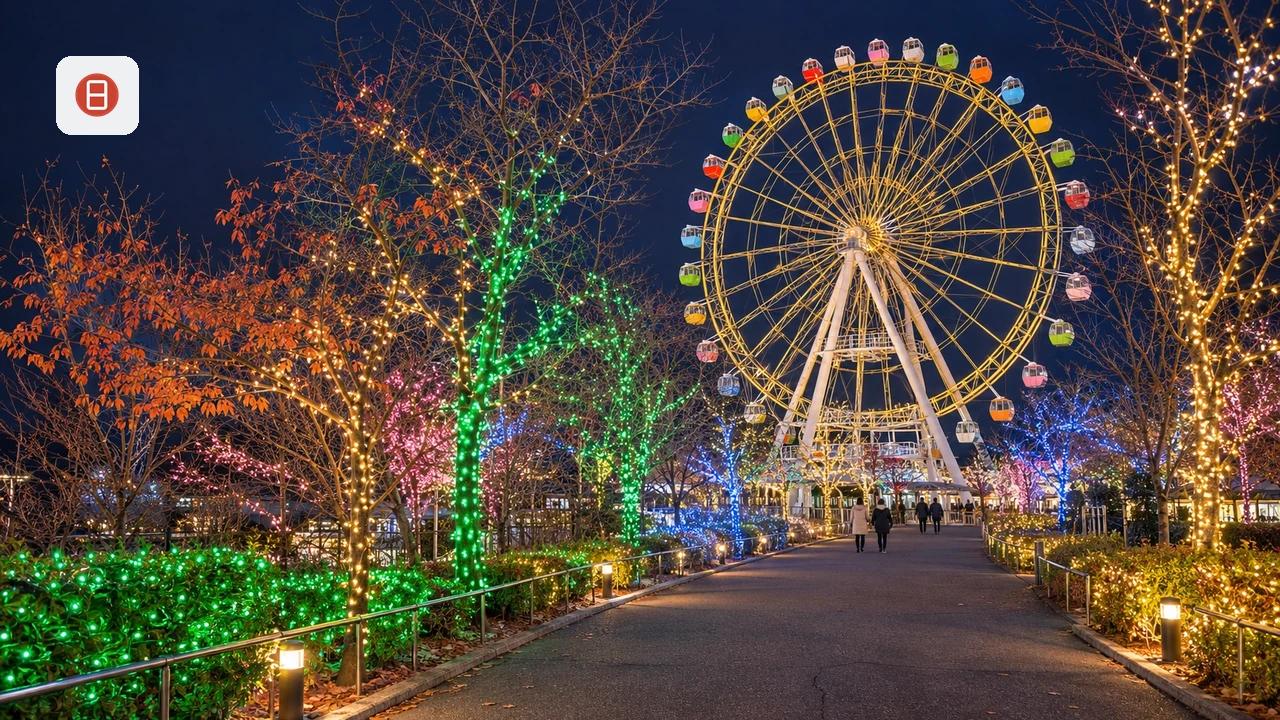
Last updated November 2026: the Ashikaga Flower Park illumination runs from Oct 17, 2026 to Feb 14, 2027 in Tochigi, with more than 5.0 million LED bulbs across a 100,000 m² park. Evening entry costs ¥1,500 for adults, and Shinkansen travel from Tokyo takes about 80 minutes each way. Use this guide to decide whether it beats the other Kanto winter light shows on your list.
Quick answer: is the Ashikaga Flower Park illumination worth the trip?
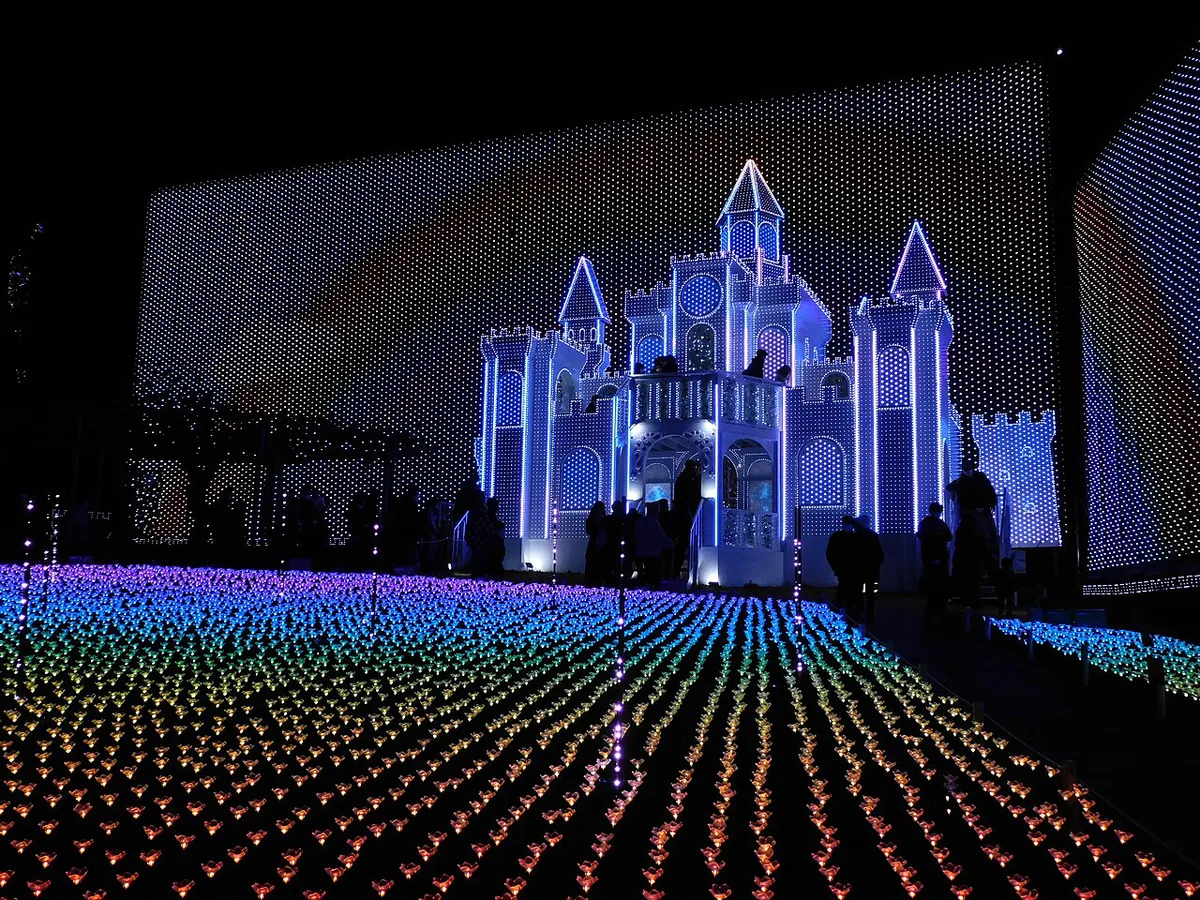
Yes, if you want a large-scale display and can handle a late return to Tokyo. The evening session runs 15:30 to 20:30, and until 21:00 on weekends and holidays. Lights come on around 16:30 to 17:00. Per the park's official site, it has been selected three times as one of Japan's Three Major Illumination Spots.
- Dates: Oct 17, 2026 (Sat) to Feb 14, 2027 (Sun), closed Dec 31
- Evening hours: 15:30 to 20:30, until 21:00 on weekends and holidays
- Evening admission: adults ¥1,500, children ¥800
- Go if: you enjoy walking through large light sets and can accept a late train home
- Skip if: you dislike cold evenings or a trip of about 2 hours each way by regular train
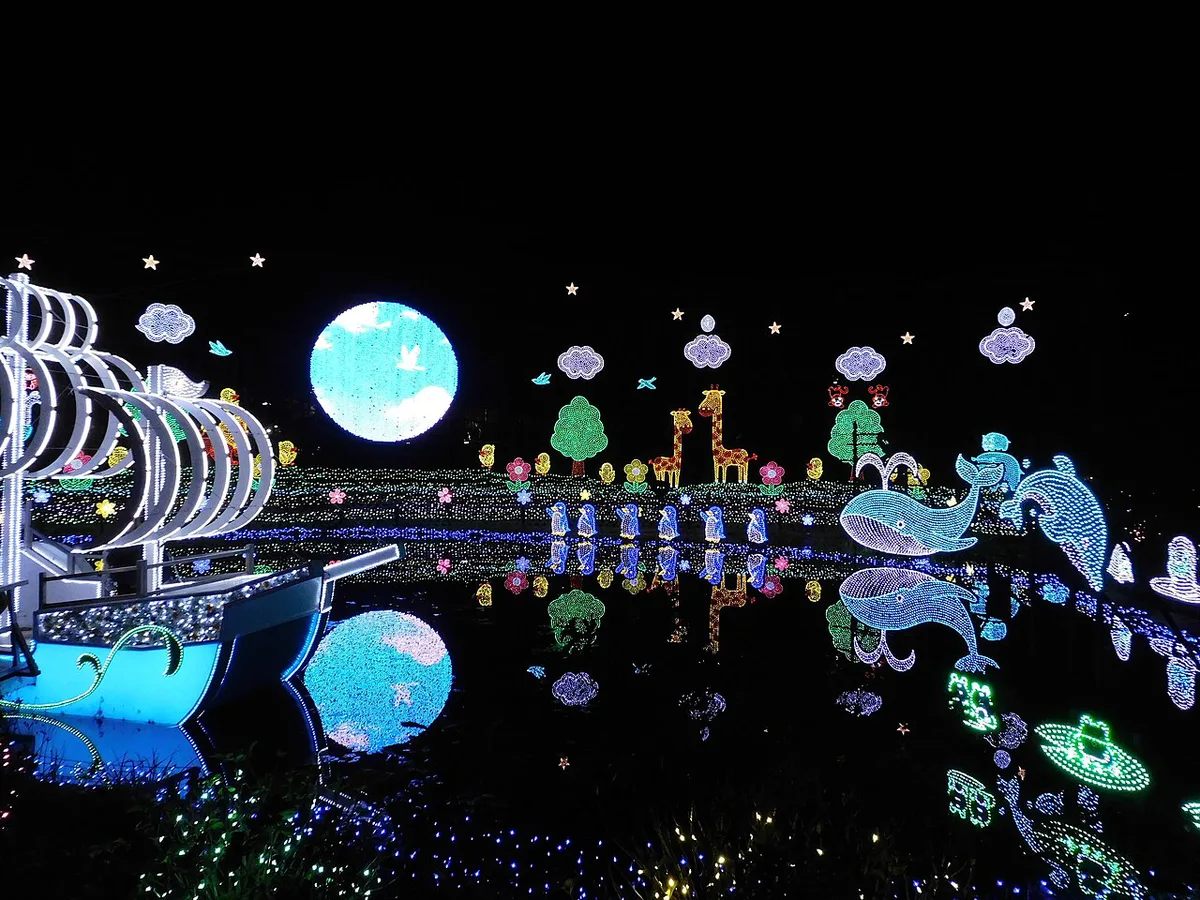
What you'll see: three themed periods
Displays change in three phases across the season. Your travel dates decide which one you get. Mid-December visitors will find the Christmas Fantasy period, which fits a wider Christmas in Japan itinerary. Beyond the main sets, the official page describes a water-surface display called One Earth for All, where reflections double the light. It also describes Snow World, a light mural spread across the mountain slope.
| Period | Name | Best for |
|---|---|---|
| Oct 17 to mid-November | Light and amethyst sage | Early-season visits with flowers and lights together |
| Late November to late December | Christmas Fantasy | Holiday trips and pairing with Tokyo Christmas plans |
| New Year's Day to Feb 14 | Lights and winter peonies | Quieter-feeling post-holiday trips |
When to go: dates, crowds and timing
Aim to arrive around 16:00 so you can walk the grounds before lights come on at 16:30 to 17:00. Dusk arrival lets you see the park in daylight and then after dark. A late arrival leaves little time before the 20:30 close. Plan 1 to 2 hours inside, which is a guideline rather than an official figure. Weeknights are reported to be quieter than weekends. Wisteria blooms in early May, so save the flower photos for a spring return.
Tickets, hours and costs
Prices and hours checked November 2026. The official site lists evening admission at ¥1,500 for adults and ¥800 for children. Daytime fees are listed separately and vary with the flower season. Adding transport shows the real cost of the trip. A Shinkansen round trip plus admission comes to roughly ¥9,500 to ¥10,500 per adult. Regular trains on the Tobu line bring the total near ¥3,500.
Taking Tobu from Asakusa keeps the round trip near ¥3,500, while the Shinkansen route runs about ¥9,500 to ¥10,500 per adult.
| Option | One-way time | One-way fare |
|---|---|---|
| JR Shinkansen via Oyama | About 80 minutes | ¥4,000–4,500 |
| JR regular trains | About 2 hours | About ¥2,000 |
| Tobu Ryomo Limited Express from Asakusa | About 70 minutes | ¥2,050 |
| Tobu regular trains from Asakusa | About 2 hours | About ¥1,000 |
| Car via Sano Fujioka IC | About 20 minutes from the IC | Free parking |
How to get there from Tokyo
The park recommends the JR Ryomo Line to Ashikaga Flower Park Station. From Tokyo, ride the Tohoku Shinkansen about 42 minutes to Oyama, then transfer to the Ryomo Line. Only a few Shinkansen stop at Oyama, so check your train. Add enough money to your transport IC card beforehand, because the station is expected to be very crowded when you leave. Leave early and check the last Ryomo Line and Tobu Line departures in a transit app. By Tobu from Asakusa, you reach Ashikagashi Station, then take a taxi of about 20 minutes costing around ¥4,000. Tomita Station is sometimes suggested as a walking alternative, so verify it before relying on it. For general rail and pass context, see our Japan Travel Guide: Plan Your Trip with Expert Tips & Itineraries. JR pass coverage applies only to the JR portion, so check your pass terms. Driving from Sano Fujioka IC on the Tohoku Expressway takes about 20 minutes. From Ota Kiryu IC it takes about 25 minutes. Expect heavy evening traffic on peak nights.
Tips for a comfortable visit
Evenings are cold, so dress warmly. Food stalls sell soup, fried chicken and crepes, and Restaurant Wisteria serves Japanese and Western dishes. Photograph the water-surface display early, before crowds fill the viewing spots. Cameras often struggle with bright LEDs, so steady your phone against a rail.
- Mistake: arriving close to the 20:30 closing time, leaving no time to walk the park
- Mistake: heading to the wrong station instead of Ashikaga Flower Park Station
- Mistake: assuming evening hours match daytime hours
- Mistake: leaving at closing time without checking the last train
Oyama, Ashikaga or back to Tokyo: where to sleep
Returning to Tokyo works if you catch an early train after the show. Staying in Oyama keeps a Shinkansen connection close and shortens the next morning's travel. A night in Ashikaga saves transfers but leaves you with fewer train options. Choose based on how late you plan to stay. Check availability for weekends and Christmas week well ahead.
Compare with other Kanto illuminations
Ashikaga suits you if scale and flower-themed sets matter more than a short trip. Our winter illumination roundup compares displays across the region. For a closer option to Tokyo, see Sagamiko Illumillion Guide: Tickets, Access & Tips. Ashikaga's ranking claims come from the park itself. Pick based on travel time and the kind of evening you want. You can also read the JNTO travel portal for national planning.
Free guide: Japan's Hidden Gems
12 under-the-radar places beyond Tokyo & Kyoto — with the best season to visit each and a local tip you won't find in the guidebooks.
You might also like


Continue reading
More guides you'll find useful