Japan Travel Adapter Guide: Do You Need One?
Find out if you need a travel adapter for Japan, which plug type fits, how to check voltage, and where to buy one if you forget it.
On this page
Last updated October 2026. For a travel adapter japan trip, most North American travelers need a cheap plug-shape adapter at most. Everyone else needs a plug adapter and must check each device's voltage label before packing.
Short answer: do you need a travel adapter for Japan?
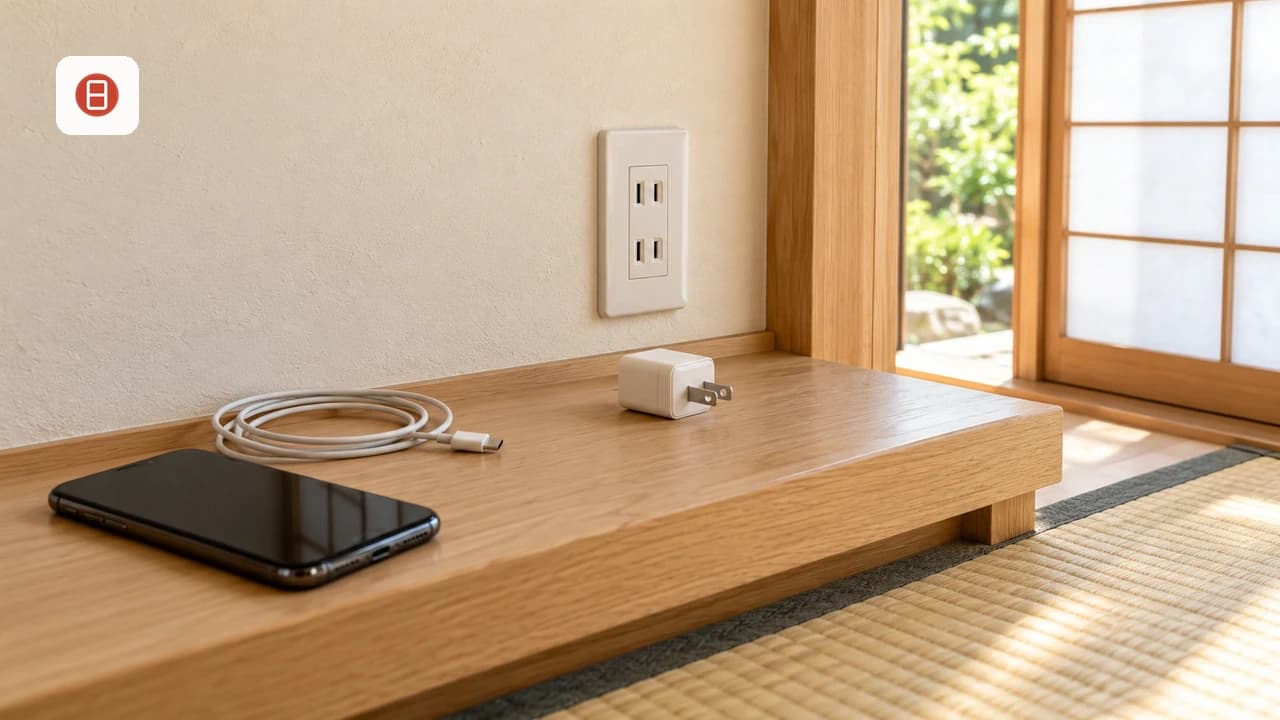
North American plugs are the same family as Japan's Type A sockets. Some Japanese outlets may be unpolarized and unearthed, so a polarized or 3-prong US plug may need a small adapter. Travelers from the UK, Ireland, the EU and Australia need a plug adapter for every device. One rule covers every case: an adapter changes plug shape, never voltage. For wider trip planning, start with our Japan travel planning guide.
Japan's outlets and voltage at a glance
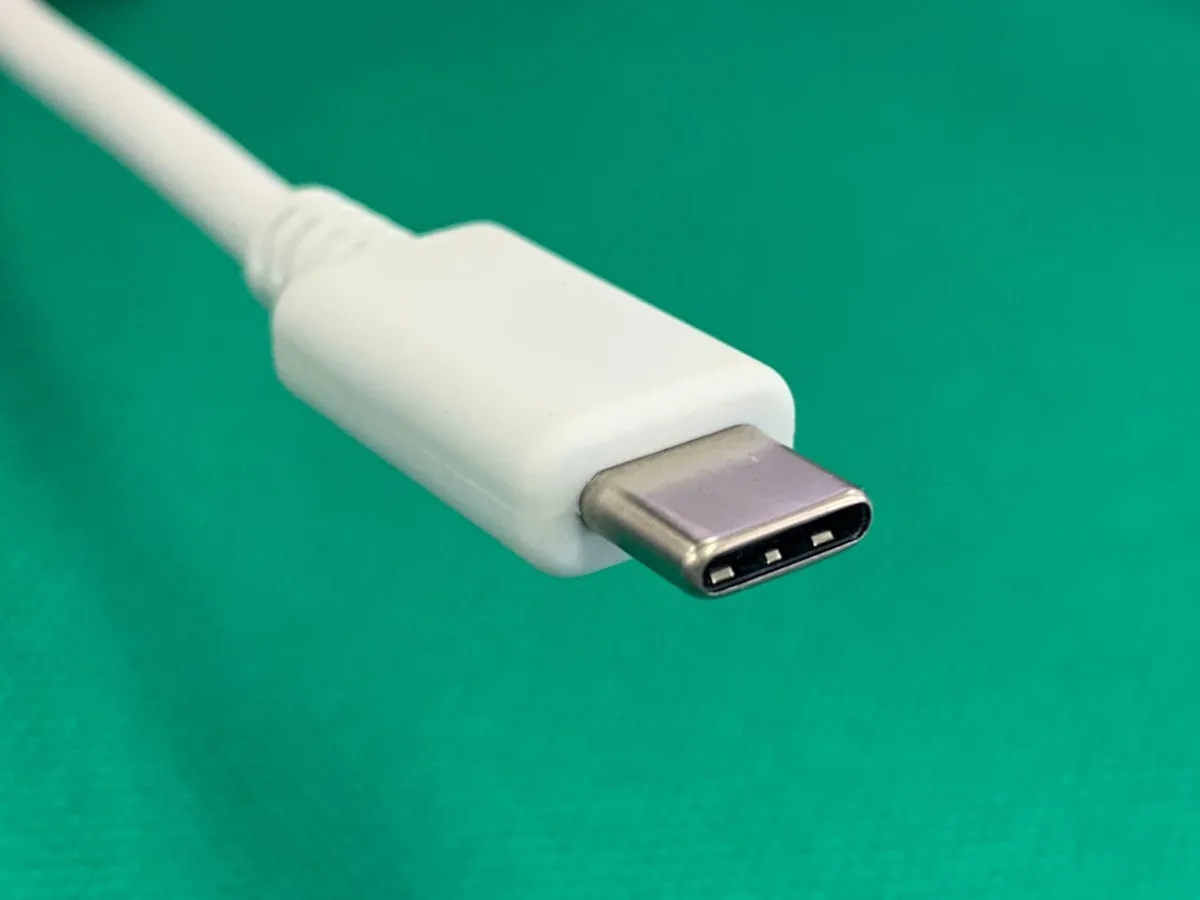
Japan's supply is nominally 100 V, which is slightly lower than the US. Frequency splits between 50 Hz and 60 Hz depending on the region. Verify the details on the FEPC English pages before you travel. Most modern chargers ignore the frequency split. Motor-driven appliances are the ones that may run slightly differently.
- Plug: Type A, two flat pins
- Also listed in some sources: Type B
- Voltage: 100 V nominal
- Frequency: 50 Hz in the east, 60 Hz in the west
Adapter, converter or neither?
Three terms get mixed up on product pages. An adapter only reshapes the plug. A converter or transformer changes voltage. Many modern chargers need neither because they accept a wide voltage range. Check the label first, then decide.
Any charger printed INPUT: 100–240V, 50/60Hz covers Japan's nominal 100 V supply without a converter, while a laptop brick still needs its own check.
- Adapter: changes plug shape only
- Converter or transformer: changes voltage, mainly for heating appliances
- Neither: a charger labeled 100–240V that already fits the socket
- Flow: check label, then 100–240V? Yes means a plug adapter only if the plug does not fit. No means a converter or a different device.
Do you need one? A quick guide by home country
Home country decides the plug question. Your devices decide the voltage question. Use this table as a starting point, then confirm on each label.
| Home region | Plug adapter needed? | Voltage check? | Main risk |
|---|---|---|---|
| US / Canada | Often only for 3-prong or polarized plugs | Yes, for heating tools | Grounded plug will not fit |
| UK / Ireland | Yes | Yes | Hair dryers built for higher voltage |
| EU | Yes | Yes | Single-purpose heating appliances |
| Australia / NZ | Yes | Yes | Packing only one adapter |
| Other regions | Yes, check your plug type | Yes | Assuming the plug fits |
How to check your devices before you pack
Look for a line reading INPUT: 100–240V, 50/60Hz on the charger or device. That marking means the device handles Japan's 100 V supply. Many laptop and phone chargers carry it, but verify each one. Skip assumptions and read every brick.
- Phone and e-reader chargers: confirm the 100–240V marking
- Laptop: check the power brick, not the laptop body
- Camera and battery chargers: check each charger separately
- Power bank: charge it from a wall adapter with the right marking
- Shaver: check the label or the manual
- CPAP: follow the manufacturer's voltage guidance, and read our Travel to Japan With Medication: What's Allowed, What Needs a Permit for medical items
Hair dryers, straighteners and other heating appliances
Heating tools are where voltage causes real trouble. A plug adapter will not fix a dryer that is not rated for Japan's supply. High-wattage tools also draw heavily from a single hotel outlet. Look for a dual-voltage label, or leave the tool at home. Many hotels supply hair dryers, so ask before you pack one. Electrical damage to gadgets is a separate worry, and the Japan Travel Insurance: What to Cover and How to Choose explains how to think about cover for electronics. Read your own policy wording before relying on it.
Choosing an adapter: single-plug, multi-port, or travel strip
Choose by trip shape, not by brand. A cheap Type A adapter is enough for a Japan-only trip with two or three devices. A multi-port GaN charger suits travelers carrying several devices or visiting several countries. A surge-protected strip helps laptops and cameras but adds weight. Never overload a strip, and check its rating against your devices.
| Adapter type | Best fit | Trade-offs |
|---|---|---|
| Single Type A adapter | Japan-only, few devices | Cheap and light, one outlet each |
| Multi-port GaN charger | Several devices, multi-country trips | Heavier, check plug coverage |
| Surge-protected travel strip | Laptop and camera users | Bulkier, needs a plug adapter too |
Buy before you go, or buy in Japan?
Buying at home costs little time and removes arrival-night risk. Buying in Japan works, but a late flight can leave shops closed and a phone dead. Pack at least one adapter in your carry-on. Prices and stock change, so this guide quotes none.
What to do if you forgot an adapter
Start with the hotel front desk, since some properties may lend adapters. Availability varies by property. Next, try electronics retailers such as Yodobashi Camera and Bic Camera. Forum posters reported adapters sitting in the travel or luggage section, though that thread dates from 2023 and 2024. One reply called Shinjuku well supplied with electronics shops. Treat that as anecdotal. Elsewhere, major station areas likely have electronics retailers, but stock is not guaranteed. Convenience stores sometimes sell adapters too.
Packing and charging tips for your trip
Older ryokan, guesthouses and capsule hotels may have few outlets. Bring a multi-port charger so one outlet serves several devices. Charge a power bank during the day. A trip like our 10-day Japan itinerary mixes hotel types, so plan for scarce outlets. Longer routes such as the 2-week Japan itinerary add more cities and more charging nights. Families should pack extra charging ports for children's devices, and our Japan family travel guide covers wider packing. Pack a short power kit: one spare adapter, a multi-port charger, and a power bank.
Carry at least one adapter in your carry-on, since the 2-week Japan itinerary adds more cities and more charging nights.
Common mistakes to avoid
Four errors cause most problems. Fix each before you leave.
- Assuming an adapter converts voltage
- Packing a hair dryer that is not dual voltage
- Buying a single-country adapter for a multi-country trip
- Relying on one outlet for every device
Frequently Asked Questions
Do I need a travel adapter for Japan from the US?
Often only a small one. Japan's Type A sockets share the US flat-pin shape. A grounded 3-prong or polarized plug may not fit, so a cheap adapter is a safe backup.
What plug type and voltage does Japan use?
Japan uses Type A sockets, and some sources also list Type B. Voltage is nominally 100 V. Frequency is 50 Hz in the east and 60 Hz in the west.
Can I use my hair dryer in Japan?
Only if its label supports Japan's supply. A plug adapter does not change voltage. Check for a dual-voltage marking, or use the dryer your hotel supplies.
Where can I buy a plug adapter in Japan if I forget mine?
Ask your hotel desk first. Electronics retailers such as Yodobashi Camera and Bic Camera were named by forum readers. Convenience stores sometimes carry them, but stock varies.
Is a plug adapter the same as a voltage converter?
No. An adapter only changes plug shape. A converter changes voltage and matters mainly for heating appliances without a 100–240V label.
Do hotels in Japan provide adapters?
Some may lend them, but availability varies by property. Ask before arrival and carry your own as backup.
Free guide: Japan's Hidden Gems
12 under-the-radar places beyond Tokyo & Kyoto — with the best season to visit each and a local tip you won't find in the guidebooks.
You might also like


Continue reading
More guides you'll find useful