Japan Travel Insurance: What to Cover and How to Choose
Do you need travel insurance for Japan? Learn what to cover, what to check on your existing policy, and how to pick a plan.
On this page
Last updated October 2026. Japan travel insurance is a coverage decision, not a confirmed entry requirement, so check current rules with official Japanese sources before you rely on that. Three things matter most: medical cover, emergency evacuation, and trip cancellation or interruption. Use the checklists below, then open our Japan trip-planning guide for the wider plan.
Do You Need Japan Travel Insurance?
Short answer: buying a policy is a risk judgment. Our brief found no evidence that tourists must show insurance to enter, but rules can change. Confirm with the Japanese government and your own country's foreign-ministry advice before you fly. Medical bills are the main exposure, because a visitor usually pays for treatment first and sorts out reimbursement later. Evacuation and cancellation costs are the other big unknowns. A policy turns those open-ended costs into a known premium. This page is general information, not insurance or medical advice.
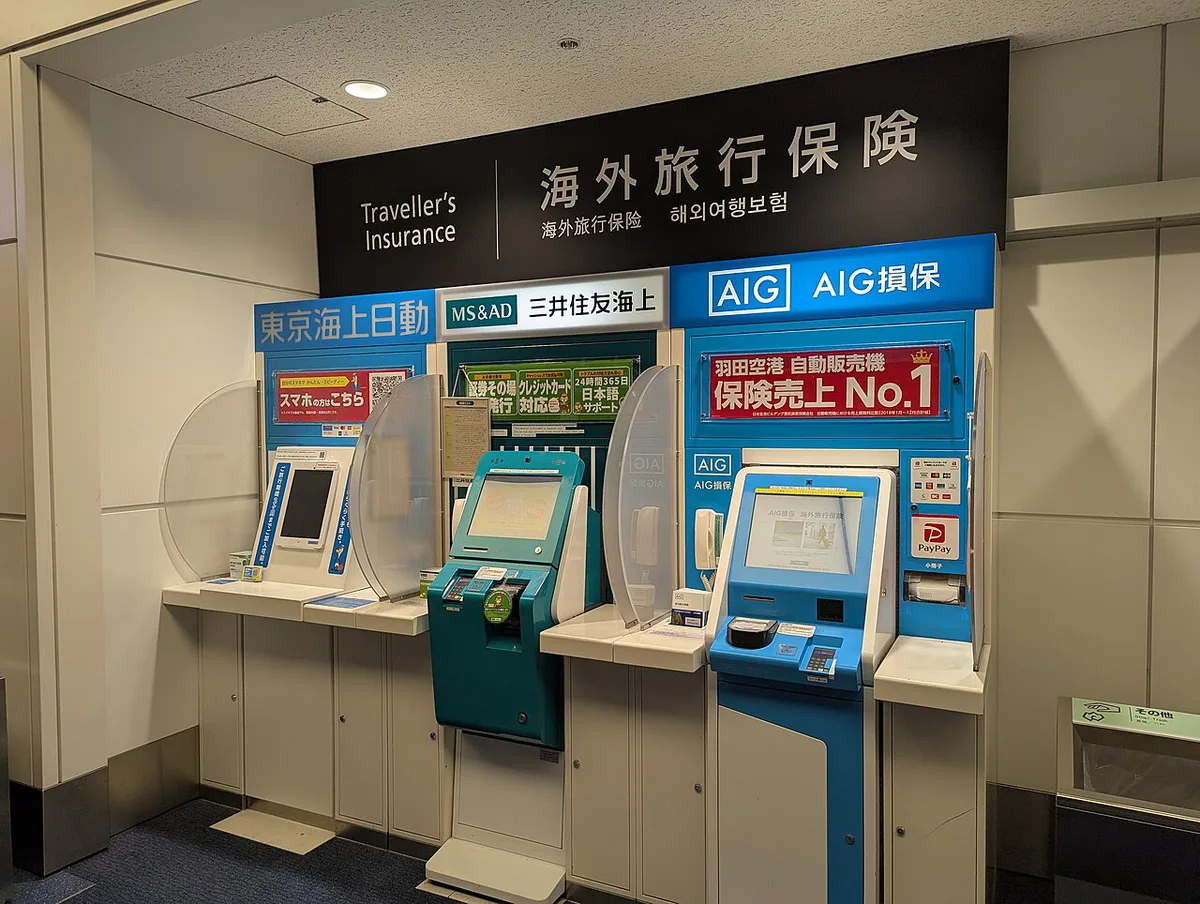
What Japan Travel Insurance Should Cover
Start with the losses that would hurt most. Medical treatment and evacuation come first. Cancellation, baggage, and delay cover matter more on pricey or tightly scheduled trips. Read the policy wording itself, because definitions differ between insurers. Emergency medical evacuation is the term to look for if you want transport to a suitable hospital or home.
| Coverage type | What it protects against | Who needs it most |
|---|---|---|
| Medical treatment | Hospital, clinic, and prescription costs after illness or injury | Every traveler, especially anyone without overseas health cover |
| Emergency evacuation | Transport to a suitable facility or home when local care is not enough | Hikers, skiers, and anyone heading outside big cities |
| Trip cancellation or interruption | Prepaid costs lost if you cannot start or finish the trip | Travelers with nonrefundable flights, hotels, or rail passes |
| Baggage and belongings | Loss, theft, or damage of luggage and gear | People carrying cameras, laptops, or specialist equipment |
| Travel delay | Extra meals and lodging when transport is disrupted | Travelers with tight connections or fixed event dates |
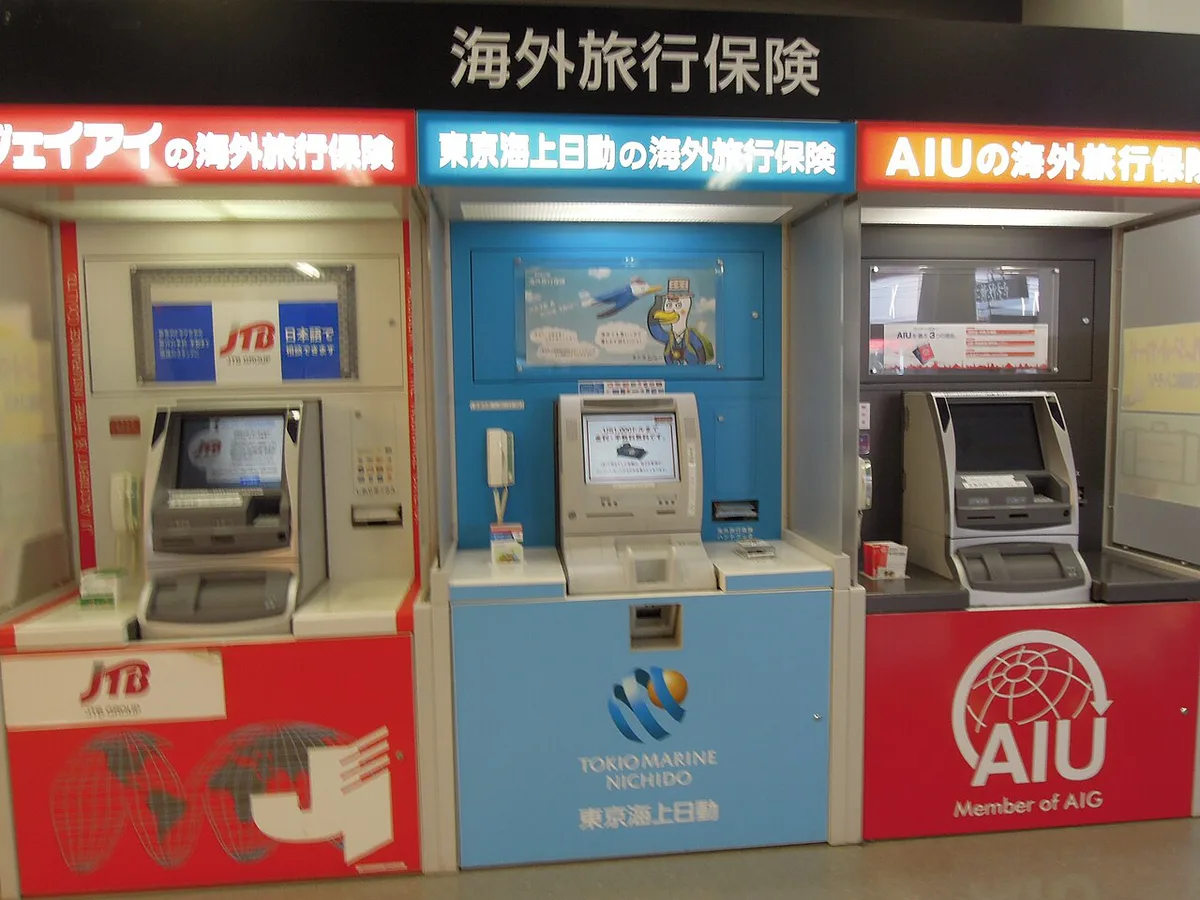
Check What You Already Have First
Many forum questions boil down to one: does my home health insurance work in Japan? Do not assume yes. Many domestic plans limit or exclude overseas care. Read the benefits document or call the insurer before you buy a second policy. Credit-card travel benefits and employer or expat plans can add cover, but each has its own conditions. Ask the questions below and write down the answers.
Before you buy, ask whether the 24-hour assistance line works from abroad, since that answer matters once you are in Japan.
- Will the plan pay a Japanese hospital directly, or do you pay upfront and claim later?
- Does it include emergency medical evacuation and repatriation?
- How does it treat pre-existing conditions?
- Which activities are excluded, such as skiing or mountain hiking?
- Does a credit card cover medical costs, or only trip delay and baggage?
- Is there a 24-hour assistance line, and does it work from abroad?
How Healthcare Works for Visitors in Japan
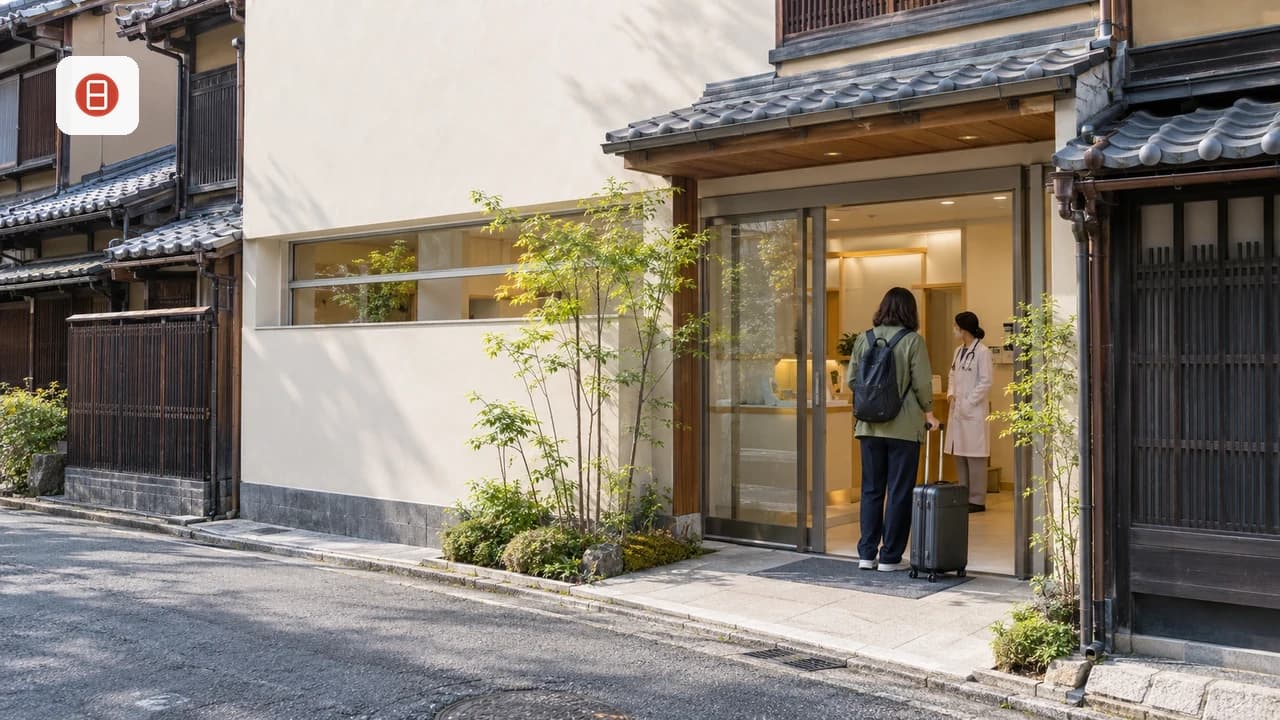
Plan to pay at the point of care. Visitors generally settle the bill first, then claim from their insurer, so keep every receipt and any itemized medical report. Language support varies by facility, and a large hospital may handle foreign patients differently from a small clinic. Treatment outside big cities may involve longer travel, so confirm that locally rather than assuming. For official visitor guidance, read the JNTO travel insurance information. Check it for the current emergency contacts and any language-assistance details.
Cost and Time Trade-Offs
We give no premium figures here because our brief held no verified, current price data. Expect cost to rise with trip length, traveler age, coverage limit, and a lower deductible. Compare quotes from several insurers on the same dates, and check the exact terms of each. Comprehensive plans cost more than medical-only plans, but they cover far more of a canceled trip. An annual plan can suit frequent travelers, though check the per-trip limits. For current rates, use each insurer's live quote tool.
Travelers on a 2-week Japan route should check an annual plan's per-trip limits against what they have prepaid.
| Plan type | Best for | Skip if |
|---|---|---|
| Medical-only | Short trips with refundable bookings | You have large prepaid costs to protect |
| Comprehensive | Expensive or inflexible itineraries, families, adventure plans | Your trip is cheap and fully refundable |
| Annual multi-trip | Several international trips in one year | You travel abroad once and need high single-trip limits |
Which Plan Fits Your Trip
Match the plan to the trip, not to a price. A first-timer on a short visit may need strong medical cover and baggage protection. A longer route has more cancellation exposure, as in our 10-day Japan itinerary. The same applies to the 2-week Japan route, where more prepaid hotels and trains are at stake. Families should check child cover and how claims work for minors. Our family travel guide covers the practical side. Skiers and hikers should confirm that the policy covers their exact activity and any evacuation from remote terrain. Anyone on prescription medication should declare it to the insurer.
When and How to Buy
Buy as soon as you book nonrefundable items. Cancellation cover often depends on purchase timing, so read the policy for its deadline. Some snippets suggest a product can be bought only after arrival, but verify that on the JNTO page above before relying on it. Do not plan around it. Before departure, save the policy PDF offline and put the insurer's 24-hour assistance number in your phone. A claim-ready kit makes any later paperwork much easier.
- Passport copy and policy number
- Policy PDF saved offline
- Insurer's emergency and assistance number
- All receipts, plus an itemized medical report if you are treated
- Prescription and medication documents
Common Mistakes to Avoid
Most problems are avoidable. Buying after a problem is foreseeable usually voids that claim. Assuming a credit card pays medical bills is another frequent error. Medication needs particular care, because Japan restricts some common medicines. Read our medication rules guide and the official medication import procedure before packing. Then tell your insurer what you carry and which conditions you have.
- Skipping activity exclusions for skiing or hiking
- Throwing away receipts or medical reports
- Not declaring medication or existing conditions
- Buying cover only after a trip problem appears
- Relying on a card benefit without reading its medical terms
Frequently Asked Questions
Is travel insurance required to visit Japan?
Our brief found no evidence of a general requirement for tourists. Rules can change, so confirm with official Japanese government sources before departure. Buying cover is still a sensible risk decision.
Does my home health insurance cover me in Japan?
Often not fully. Many domestic plans limit overseas care or exclude evacuation. Ask your insurer whether they pay a Japanese hospital directly and whether pre-existing conditions are covered.
What should Japan travel insurance cover?
Look for medical treatment and emergency evacuation first. Add trip cancellation or interruption, baggage, and delay cover based on how much you have prepaid. Check activity exclusions if you plan to ski or hike.
Can I buy travel insurance after arriving in Japan?
Some search snippets suggest a post-arrival option exists. Verify it on the official JNTO page for who can buy it and what it covers. Safer still, buy before you leave.
Do I need insurance if I take prescription medication to Japan?
Declare your medication to the insurer, because conditions and exclusions affect claims. Check Japan's import rules too. Our medication guide explains what to confirm before you pack.
Free guide: Japan's Hidden Gems
12 under-the-radar places beyond Tokyo & Kyoto — with the best season to visit each and a local tip you won't find in the guidebooks.
You might also like
Continue reading
More guides you'll find useful