
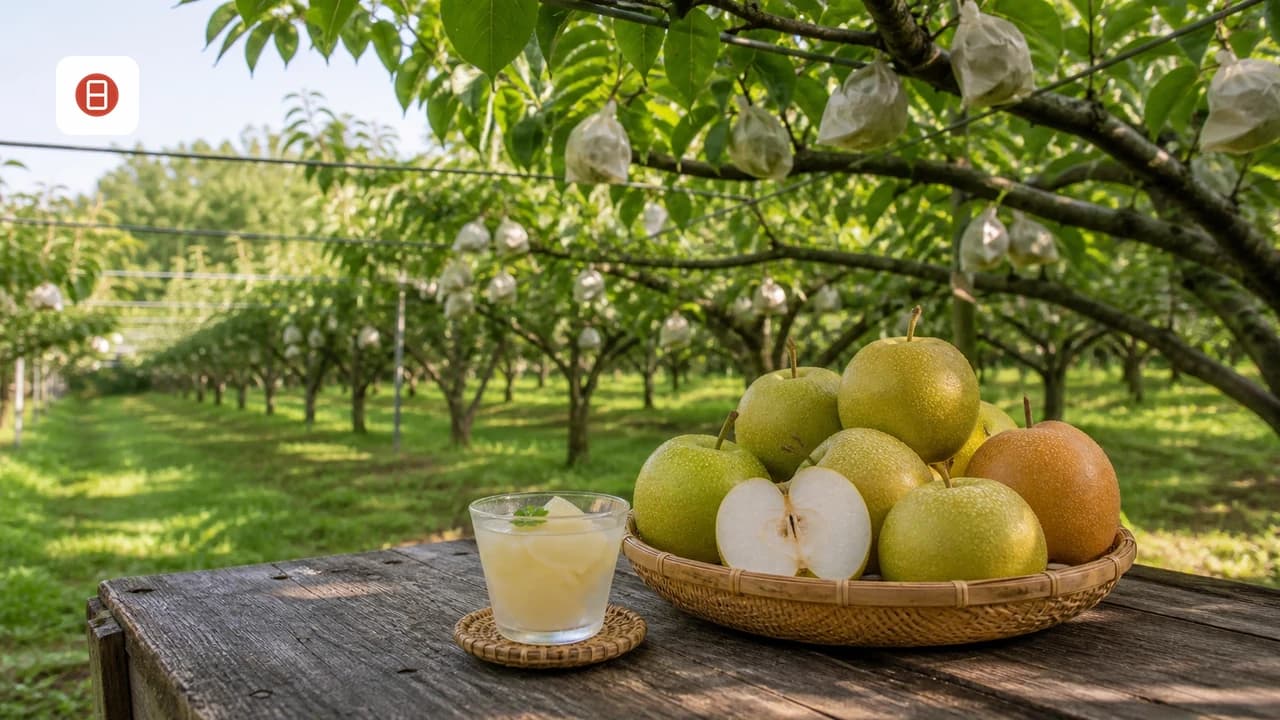
Tottori Pear Guide: Seasons, Picking and Where to Buy
Plan a Tottori pear experience with guidance on harvest seasons, orchard visits, transport, fresh fruit, souvenirs and essential checks before you go.
On this page
Last updated August 2026, this Tottori pear guide helps you choose between orchard picking, fresh fruit and packaged products. Your best option depends on your travel dates, transport and available time. Start with the broader Tottori food guide if pears are one part of a larger dining plan.
Planning Your Tottori Pear Experience
Begin with your travel month because fresh-fruit availability changes during the harvest period. Nijisseiki is the named variety confirmed for this guide, while individual farms and retailers may handle other pears. Current harvest dates, stock and visitor policies were not supplied by a primary source. Confirm those details directly before building your day around a particular orchard. A farm visit suits travelers seeking an activity and willing to accept weather risk. Central retail is more practical when you have limited time or no car. Packaged pear products provide the clearest fallback outside the harvest period. Availability still requires checking because shops can change their ranges.
- Best visit period: confirm the current harvest calendar with a specific orchard or agricultural authority.
- Best orchard option: choose only after checking the variety, picking format and reservation policy.
- Best car-free option: verify fruit stock at a market or retailer near your planned route.
- Best off-season option: look for shelf-stable pear products with clear ingredient and storage labels.
- Key caution: weather, crop conditions and venue rules can change within a season.
Why Pears Matter to a Tottori Food Trip
Pears give you several ways to explore local food without committing to a formal meal. During the applicable season, you might arrange an orchard visit or buy fresh fruit. At other times, packaged products can keep pears in the itinerary. Avoid treating every pear experience as interchangeable. Picking requires more planning than shopping, while a farm shop may offer fruit without a visitor activity. A station-area purchase can fit a short stop if current stock is confirmed. Regional context also matters when you compare fruit with the dishes covered in the San'in Region Food Guide: Best Dishes to Try. Keep historical, production and ranking claims out of your plan unless an agricultural authority currently supports them.
Tottori Pear Guide to Seasons and Varieties
Choose your pear by travel month before comparing flavor or texture. Tottori Prefecture lists greenhouse Nijisseiki around early to mid-August and field-grown Nijisseiki around late August to mid-September. Tottori City tourism lists pear-picking orchards more broadly from late August into early October, depending on the orchard and variety. These windows remain approximate until a farm or seller confirms current conditions because weather can shift picking dates and one orchard may finish before another. Read labels carefully rather than assuming a product uses a particular local variety.
Updated August 2026, choosing a variety by date is only half the decision for a car-free trip. Confirm the orchard’s current fruit, every transfer and the final return service together; a valid harvest day is not enough if the return route is impractical.
| Variety | Typical availability | Flavor or texture | Best for | Verification source |
|---|---|---|---|---|
| Nijisseiki | Greenhouse: early–mid-August; field-grown: late August–mid-September | Crisp Japanese pear; confirm current ripeness and stock | Travelers seeking Tottori's signature pear | Prefectural season table plus current orchard notice |
| Other named varieties | Do not assume the same window as Nijisseiki | Check the current seller description | Travelers comparing available fruit by date | Current producer or agricultural source |
- First, match your travel date to the current harvest notice.
- Second, compare the varieties confirmed for that date.
- Third, ask the selected orchard or retailer what remains available.
Pear Picking in Tottori: What to Verify
A successful picking trip starts with the rules of one specific orchard. Confirm whether visitors may arrive without booking or must reserve. Ask whether the fee covers admission, fruit eaten on-site, fruit taken away or a combination. Some formats may charge take-home fruit separately, so never infer inclusions from the activity name. Request the current time limit and quantity rules before paying. Payment methods, rain policies and poor-harvest arrangements also need direct confirmation. Families should ask about child rules, stroller access and toilets. Travelers with limited mobility need details about paths, seating and ground conditions. Large luggage may be impractical around growing areas, but storage availability cannot be assumed.
| Location | Access | Typical season | Reservation | Experience format | Best for |
|---|---|---|---|---|---|
| Your selected orchard | Verify station, bus stop, walk, taxi and parking details | Confirm the current picking dates | Check directly | Confirm admission, eating and take-home rules | Travelers prioritizing a seasonal activity |
| Your selected farm shop | Verify the current route and opening status | Stock depends on the current harvest | Ask whether visits require notice | Fruit purchase without assumed picking | Travelers wanting a shorter farm-based stop |
- Confirm the exact variety being harvested on your visit date.
- Ask whether the orchard requires advance reservations.
- Check what the stated fee includes before arrival.
- Verify whether picked fruit may be eaten, carried away or shipped.
- Request the accepted payment methods and cancellation terms.
- Check footwear needs, shade and the current rain policy.
- Ask about step-free access, stroller use and luggage storage.
- Reconfirm operations if severe weather or crop conditions change.
Choosing the Right Pear Experience
Match the experience to your main goal. Orchard picking offers the strongest activity focus but carries the greatest seasonal and weather dependence. A farm shop reduces activity time, although its location may still require a car or taxi. Markets and station-area retailers can work better for a short, car-free visit. Current stock must be checked before relying on either option. An educational or indoor attraction should only enter the itinerary after its operating status and pear content are verified. Packaged products are usually the most portable category, but ingredients and storage directions vary by item.
| Experience | Time commitment | Weather dependence | Perishability | Main planning question |
|---|---|---|---|---|
| Orchard picking | Allow for travel plus the activity | High | Fresh fruit needs careful handling | Is your date open and reservable? |
| Farm shop | Shorter than a full picking visit | Low for shopping | Fresh fruit remains perishable | What fruit is available that day? |
| Market or station-area retailer | Suitable for a shorter stop | Low | Plan around onward luggage | Has current stock been confirmed? |
| Verified indoor attraction | Depends on the operating venue | Low | Depends on purchases | Is the pear-related experience currently offered? |
| Packaged pear products | Brief shopping stop | Low | Follow the product label | Does the item suit your transport and diet? |
Getting Around from Tottori Station
Use Tottori Station as a planning base only when your accommodation or connection makes that practical. No specific orchard route, stop, frequency or walking distance was verified for this draft. Check the chosen venue's official access page first. Then compare it with the current rail or bus operator timetable. Public-transport users should identify the final return service before leaving central Tottori. A taxi may provide a fallback, but availability and fare require current confirmation. Rental-car travelers should verify parking, road access and seasonal operating dates. Never assume a rural venue accepts unannounced arrivals merely because parking is listed.
- For a short stop, prioritize a verified retailer along your existing route.
- For public transport, record every transfer and the final return option.
- For a rental car, confirm parking and the orchard's exact entrance instructions.
- For a half-day outing, include transfer time and a buffer for weather.
- For a taxi fallback, request a current fare estimate before departure.
- For weekend travel, recheck the timetable instead of reusing a weekday plan.
Costs, Reservations and Time Planning
No current yen-denominated orchard price was supplied by the evidence for this draft. Check the specific orchard's official fee or booking page before visiting. Confirm transport costs through the relevant operator's current fare information. Orchard outings can involve admission, picking charges, take-home fruit, shipping and transport. A retail stop generally removes the activity fee, but you still pay for products and local travel. Ask whether fruit is charged by weight or included within another fee. Card acceptance should never be assumed. Carrying a suitable cash option may help, subject to the venue's confirmed payment rules.
| Experience | On-site cost | Transport cost | Time needed | Booking risk | Main trade-off |
|---|---|---|---|---|---|
| Orchard picking | Check admission, picking and take-home fees in ¥ | Check the official route and fare | Travel plus the reserved activity | Higher when capacity or harvest is limited | More planning for a fuller activity |
| Farm shop | Check current fruit prices in ¥ | Depends on the verified location | Usually a shopping-focused stop | Stock may change | Less activity time but possible rural travel |
| Central retailer | Check current product prices in ¥ | Often part of an existing central journey | Short stop | Low booking risk but uncertain stock | Convenience instead of an orchard setting |
| Packaged souvenir purchase | Check the shelf price and shipping fee in ¥ | Depends on the chosen shop | Short stop | No activity reservation | Portable format with product-specific ingredients |
Where to Buy Fresh Pears and Souvenirs
Fresh pears and packaged souvenirs solve different travel problems. Buy fresh fruit when current stock aligns with your schedule and storage plan. A farm shop may connect the purchase to the grower, but access requires verification. Markets can offer another buying format when a current official listing confirms fruit vendors. Station-area shops may be more convenient before a train, yet their pear selection should never be presumed. Department-store or other retail availability also needs current confirmation. Ask about gift boxes, shipping areas and dispatch times before purchasing. Keep the receipt and any storage instructions provided by the seller.
As of August 2026, shop packaging still does not prove that fresh pears can cross a border. Before buying a gift box for an international trip, check destination and transit rules; otherwise, choose a labeled packaged product that suits your luggage.
- For immediate eating, ask whether the fruit is ready and how it should be stored.
- For hotel use, confirm whether cutting tools and food preparation are permitted.
- For onward travel, choose packaging that protects the fruit inside your luggage.
- For a gift, check presentation, storage and the recipient's likely delivery date.
- For shipping, confirm the destination, fee, delivery estimate and handling policy.
- For packaged products, read the ingredient, allergen and storage labels.
Pear Desserts, Drinks and Packaged Products
Treat pear desserts and drinks as products requiring current verification. Menus change, and a venue may use pear seasonally rather than throughout the year. Ask which pear variety appears in the item if that distinction matters. Travelers with allergies or dietary restrictions should request ingredient and cross-contact information directly. A pear image or flavor name does not establish the full ingredient list. Packaged sweets, preserves, drinks or other products should only be described after checking the label. For a broader meal, pears can follow the options in the beef-bone ramen guide. Another meal can draw on the local wagyu guide.
- Eat immediately: choose a currently listed dessert or drink and confirm ingredients.
- Take to the hotel: ask about refrigeration, utensils and the recommended eating period.
- Pack as a souvenir: follow the printed storage and date information.
- Send as a gift: verify shipping eligibility and handling with the seller.
Storage, Luggage and International Travel
Ask the seller how each fresh pear should be stored and handled. Packaging designed for a short local journey may not suit repeated transfers. Keep heavy items from pressing against the fruit in your bag. Hotel refrigeration should be used only when the seller's instructions support it. Packaged goods may be simpler, although liquids and fragile containers can create separate luggage concerns. Fresh produce may face airline, customs and plant-quarantine restrictions. Rules depend on your destination and transit points. Check the relevant government import authority before buying fruit for an international trip. A shop's willingness to sell or package fruit does not prove that entry is permitted.
Three Adaptable Pear-Focused Itineraries
Build your route around confirmed availability instead of a rigid schedule. Each framework below assumes Tottori Station is a possible starting point, not a guaranteed transport hub for every orchard. Current operating details, journeys and return options must be checked. Add general sightseeing through the Tottori attractions guide after securing the pear component. Seasonal fruit should remain the flexible part of the day because harvest conditions can change.
- Short car-free tasting stop: verify a central retailer, check stock, buy a manageable quantity and continue along your existing route.
- Half-day seasonal orchard visit: reserve if required, confirm transport, review picking rules and identify the final practical return.
- Pear and local-food day: arrange the pear stop first, then add a meal that does not depend on the same transport connection.
- Cold-season food combination: pair packaged pear shopping with planning from the Matsuba crab guide.
Who Should Choose Each Option
Families may value an orchard activity, but child rules, toilets and stroller access require confirmation. Food-focused travelers can compare varieties only when the day's selection supports it. Car-free visitors should favor verified central stock or an orchard with a workable return route. Travelers with limited time gain more certainty from a retail stop than an unverified rural journey. Off-season visitors should focus on labeled packaged products or a currently confirmed indoor experience. People with mobility needs must request exact path, surface and seating information. Allergy and dietary questions belong with the venue or manufacturer because recipes and handling can change.
Practical Tips and Common Mistakes
Reconfirm the harvest before leaving for an orchard. A seasonal date range does not guarantee that your preferred variety remains available. Reserve whenever the selected venue requires it, and keep the confirmation accessible. Review the return journey before departure. Wear footwear suited to the conditions described by the orchard. Never assume an admission payment includes fruit to take away. Ask staff before touching or picking anything. Leave room in your luggage for protective packaging. Confirm shipping before buying more than you can carry. Finish the plan by matching three factors: season, transport mode and available time.
- Do not rely on an undated harvest calendar.
- Do not assume every orchard grows Nijisseiki or the same other varieties.
- Do not expect walk-in access without checking.
- Do not treat admission, eating and take-home fruit as one fee.
- Do not depart before checking the final practical return.
- Do not promise overseas delivery or entry without official confirmation.
- Do not infer allergen safety from a product name or photograph.
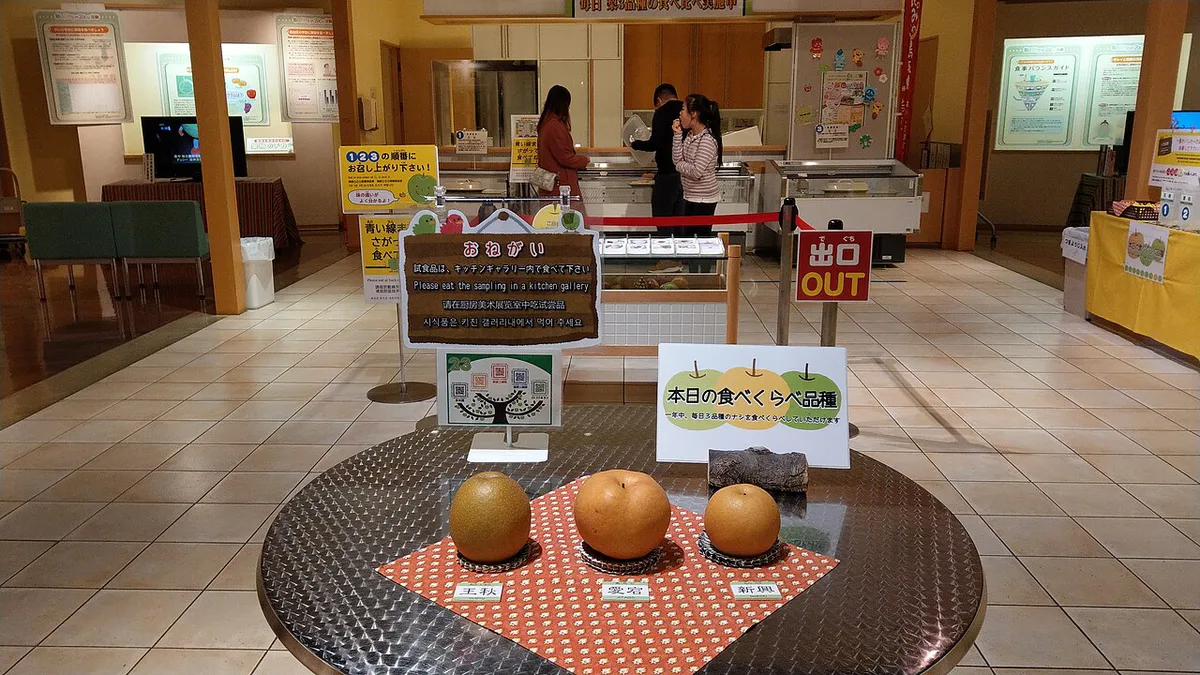
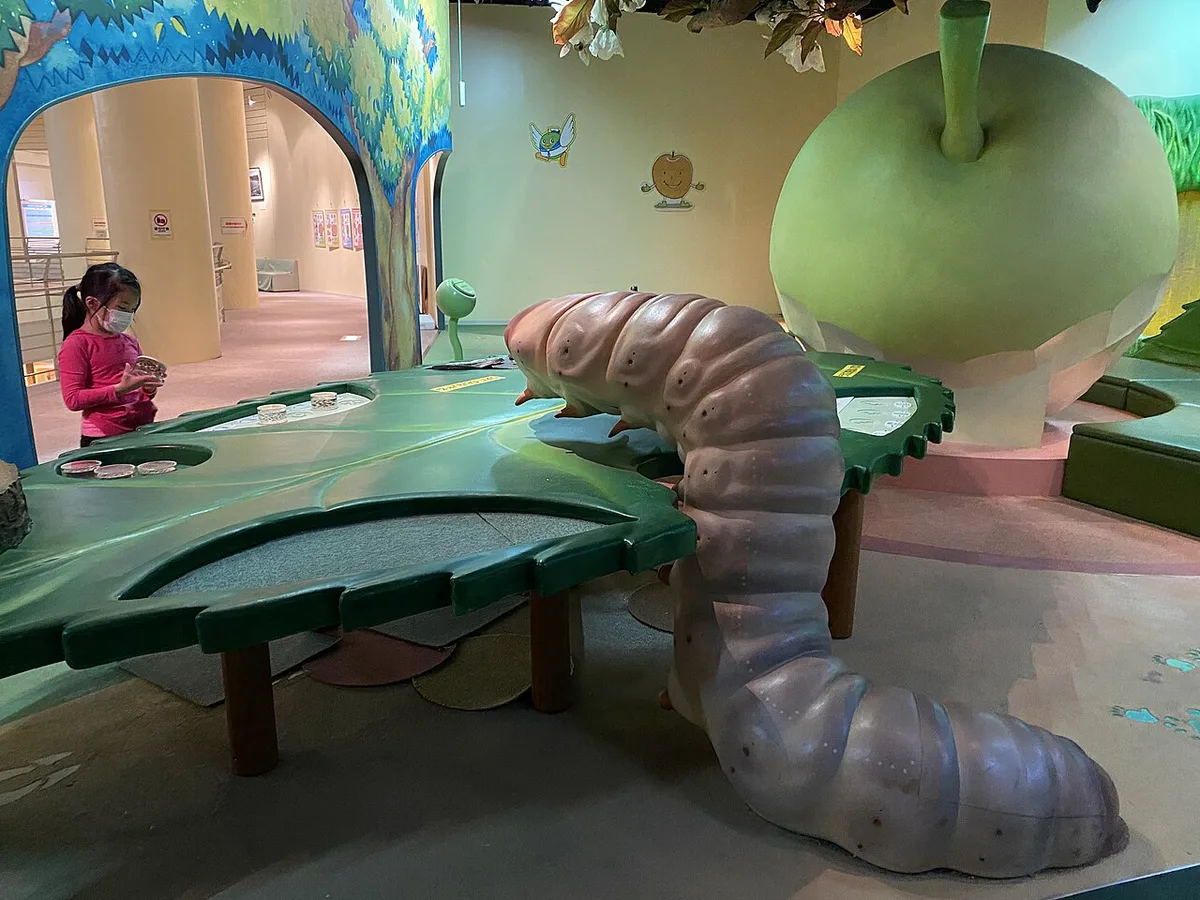
Visit Tottori Nijisseiki Pear Museum in Kurayoshi
For a pear-focused stop that does not depend on harvest weather, consider the Tottori Nijisseiki Pear Museum, also called Nashikkokan, in Kurayoshi. It is an indoor museum dedicated to the prefecture’s signature Japanese pears and is useful when orchard picking is unavailable.
The displays explain pear cultivation, local history and the development of Nijisseiki. A large living Nijisseiki pear tree is a central feature, giving visitors a closer look at how the fruit is grown. Seasonal tastings or pear products may be offered, but confirm the day’s program directly before travel.
- Best for: off-season visits, rainy days and travelers who want context beyond shopping.
- Base yourself in Kurayoshi rather than assuming it is a quick walk from Tottori Station.
- Check the museum’s current opening days, admission terms and access from Kurayoshi Station.
Pair the visit with a purchase of labeled pear sweets or drinks nearby if fresh fruit is not available. Read storage instructions before carrying food onward.
How This Guide Was Verified
Food availability, access details, seasonal rules, and the time-sensitive claims in this guide were checked on August 22, 2026 against the official sources below. Independent restaurant menus, prices, opening days, and sell-outs can change, so confirm the operator's same-day notice before making a special trip.
Frequently Asked Questions
When is Tottori pear season?
Official prefectural guidance places greenhouse Nijisseiki around early to mid-August and field-grown fruit around late August to mid-September. Pear-picking orchards may operate from late August into early October depending on variety, weather, and crop conditions, so confirm the chosen orchard.
Can visitors pick pears in Tottori?
Pear picking may be possible at participating orchards during their operating season. Confirm that the specific farm currently accepts visitors. Also verify its picking format, harvest status and take-home rules.
Do Tottori pear orchards require reservations?
Reservation policies can differ by orchard and date. Some periods may have limited capacity, so check directly before traveling. Keep any booking confirmation available on arrival.
Can I visit a pear orchard without a car?
A car-free visit depends on the selected orchard and current transport timetable. Verify every transfer, final walk and return service. Consider central retail when the route creates too much uncertainty.
Where can I buy Tottori pears near central Tottori?
Check current listings and stock at verified markets or station-area retailers. No specific central seller was confirmed by the supplied evidence. Contact the shop before making a special journey.
What can I buy if I visit outside pear season?
Look for currently stocked, shelf-stable pear products. Read each label for ingredients, allergens, storage and date information. Do not assume every souvenir shop carries the same range.
Can fresh pears be taken overseas?
Import and plant-quarantine rules depend on the destination and transit route. Check the relevant government authority before purchase. Retail packaging does not guarantee permission to cross a border.
How much time should I allow for a pear-picking trip?
Allow time for the complete return journey as well as the activity. Use the orchard's confirmed visit duration and current transport schedule. Add flexibility for transfers, weather and on-site instructions.
Free guide: Japan's Hidden Gems
12 under-the-radar places beyond Tokyo & Kyoto — with the best season to visit each and a local tip you won't find in the guidebooks.
You might also like


Continue reading
More guides you'll find useful


