4 Essential Local Foods to Eat in Tottori
Discover what to eat in Tottori, including Matsuba crab, pears, beef bone ramen, and wagyu, with practical advice for planning every meal.
On this page
Last updated August 2026. Deciding what to eat in Tottori starts with four specialties: Matsuba crab, Tottori pears, beef bone ramen, and Tottori wagyu. Your best choices depend on the season, current availability, budget, meal length, and transport plans. A casual ramen lunch requires less planning than a dedicated crab or wagyu meal. Pears can fill a snack or souvenir slot when suitable products are available. Short-stay visitors should choose different categories instead of ordering several similar dishes. Travelers with more time can reserve one main food experience and use flexible options for the remaining meals. Always confirm current menus, prices, opening days, and reservation rules directly with each business.
What Food Is Tottori Known For?
Tottori food planning usually centers on crab, pears, beef bone ramen, and wagyu. Each specialty serves a different purpose. Crab suits travelers seeking a seasonal seafood experience. Pears offer a lighter option that may work as a snack, dessert, drink, or packaged purchase. Beef bone ramen fits a quick lunch or casual dinner. Wagyu makes more sense when you want to devote extra money and time to one meal. These foods also connect Tottori with the broader San'in food region. Regional context can help if your route extends beyond the city. Availability still varies by season, producer, restaurant, and product format. Current listings should guide your final decisions. No verified menu prices accompany this brief, so check each venue's official menu or booking page for the latest ¥ amount. Compare the complete meal cost, not merely the headline ingredient. Set menus, drinks, service format, and portion size may change the final bill. Four basic questions make comparison easier. Ask whether the food is available, how it is served, how long the meal takes, and whether booking is required.
| Food | Best for | Seasonality | Relative cost | Time needed | Planning note |
|---|---|---|---|---|---|
| Matsuba crab | A dedicated seafood experience or small tasting | Seasonal; verify current availability | Usually plan as a splurge relative to a casual meal | Short tasting or longer meal | Confirm format, quantity, price, and reservation rules |
| Tottori pears | A fresh snack or practical food purchase | Varies by harvest and product type | Budget or mid-range, depending on format | Usually flexible | Check ripeness, storage needs, and portability |
| Beef bone ramen | A quick lunch or casual dinner | Check the current restaurant menu | Generally the budget-focused choice among these four | Allow for ordering and possible queues | Ask about broth ingredients and serving size |
| Tottori wagyu | A premium tasting or planned dinner | Menu availability varies | Usually a splurge relative to ramen or fruit | Quick tasting or full meal | Compare portion, preparation, and total meal price |
4 Essential Foods to Eat in Tottori
These four foods answer the main search question without relying on unverified venue claims. Treat the sequence as a decision guide rather than a strict ranking. Season, appetite, and budget can change which item deserves priority. Choose one substantial meal, one flexible snack, and an optional premium or seasonal experience. That mix gives you variety without forcing every specialty into a single day.
- 1. Matsuba crab
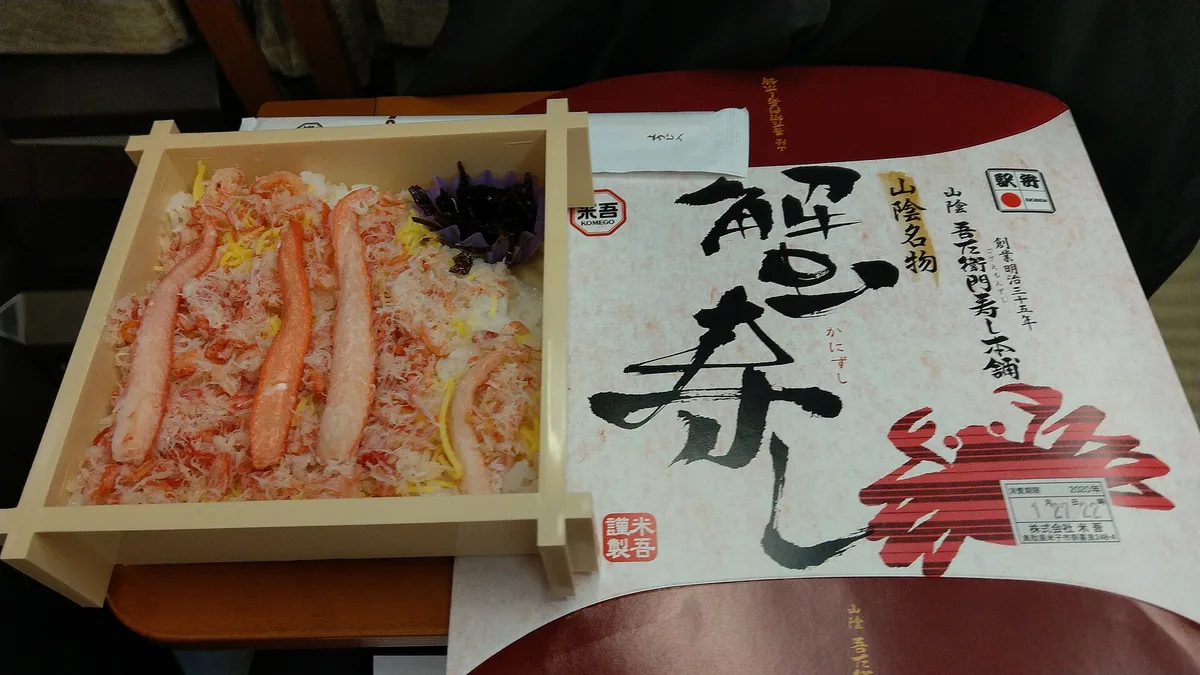
- Matsuba crab is the seafood choice for travelers prepared to compare current availability, serving format, meal length, and price before committing.
- A dedicated crab meal offers more time with the ingredient, while a smaller tasting can suit a tighter schedule or budget; confirm exactly what each option includes.
- Choose this if seasonality matters to your trip, then use the Matsuba crab guide to plan questions about menus, reservations, and quicker tasting formats.
- 2. Tottori pears
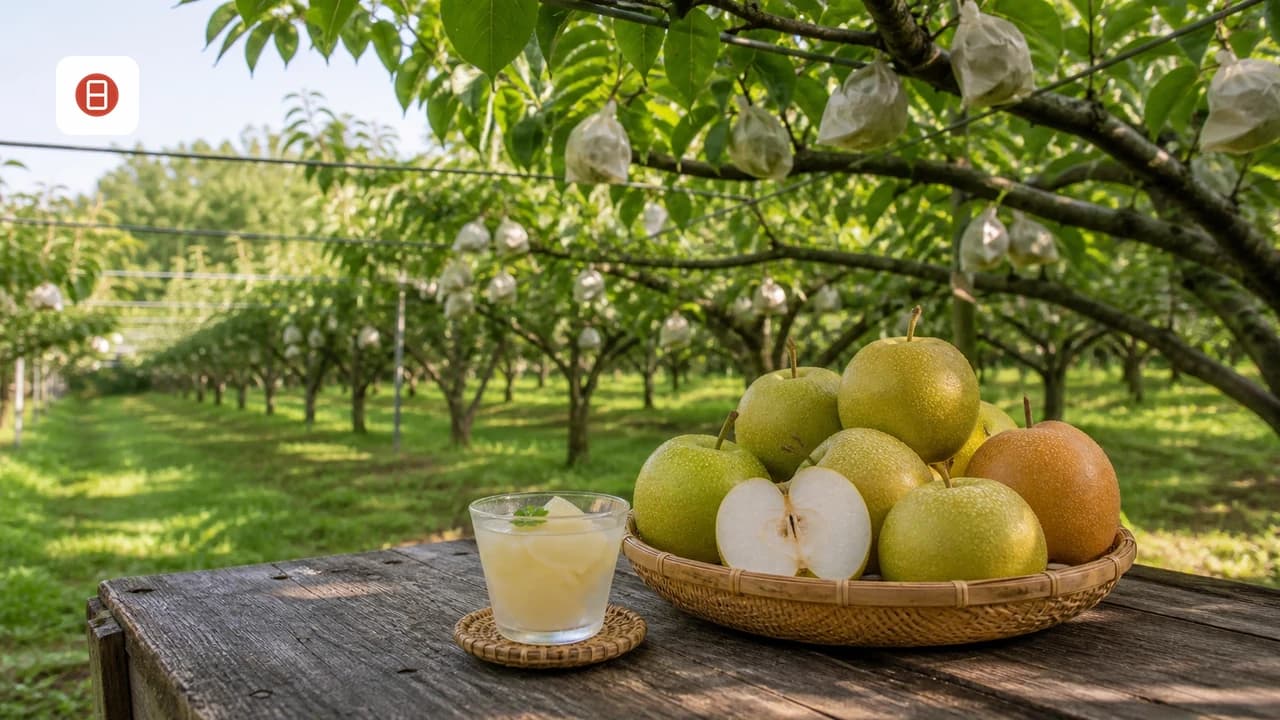
- Tottori pears can fill several trip needs, but fresh fruit, desserts, drinks, and packaged products should be treated as separate choices with different storage requirements.
- Check ripeness and current availability before buying fresh fruit, and confirm packaging or storage guidance when carrying any pear product beyond the day of purchase.
- Choose this for a lighter snack or food gift, then consult the Tottori Pear Guide: Seasons, Picking and Where to Buy before deciding between immediate eating and transport.
- 3. Beef bone ramen
- Beef bone ramen is the practical casual-meal candidate, with a savory beef-based broth indicated by its name; individual recipes, toppings, and portion sizes can differ.
- Allow time for ordering and possible queues, and ask about broth, sauces, or toppings when ingredients affect allergies, dietary choices, or personal preferences.
- Choose this for a quick lunch or relaxed dinner, then review the beef bone ramen guide for more focused planning.
- 4. Tottori wagyu
- Tottori wagyu suits a premium meal, although a smaller tasting may provide a more manageable commitment than a full restaurant experience.
- Compare portion size, cooking format, accompaniments, reservation requirements, and the complete ¥ price before judging value between available options.
- Choose this when one higher-cost meal fits your plans, and use the Tottori Wagyu Restaurants: A Practical Dining Guide to weigh a tasting against dinner.
What Should You Eat If You Have Only One Day?
A one-day plan works best when each eating moment has a different role. Keep breakfast flexible unless you have confirmed a specific local option. Make lunch the easiest substantial meal near your daytime route. Reserve the afternoon for fruit or another portable purchase when suitable products are available. Use dinner for the food requiring the greatest budget, time, or advance planning. This structure reduces unnecessary travel between meals. It also protects the main experience when a seasonal item sells out. Check four details before leaving: opening status, last-order time, reservation requirements, and transport connections. Avoid assuming all four specialties appear near one transport hub or visitor area. A distant restaurant can consume time needed for sightseeing. A reservation can also limit your ability to adjust the day after delays. Select one priority meal and one backup within a convenient part of your route. Confirm both on the day.
| One-day approach | Lunch | Snack or purchase | Dinner | Main trade-off |
|---|---|---|---|---|
| Budget-focused | Beef bone ramen or another confirmed casual meal | A pear item if currently available | A flexible meal near your route | You may skip premium crab or wagyu formats |
| First-time visitor | One casual local specialty | A different category, such as fruit | Crab or wagyu if available and affordable | Variety takes priority over depth |
| Food-focused splurge | A lighter or quicker meal | A small tasting when practical | The reserved seasonal or premium experience | The main meal requires more time and planning |
Building a Realistic Breakfast-to-Dinner Route
Start by fixing the least flexible commitment. A confirmed dinner reservation should shape the afternoon route. A seasonal lunch with limited quantities may need the same priority. Place flexible food purchases around those commitments. Breakfast does not need to carry the entire local-food agenda. Eating lightly can preserve your appetite for a planned lunch. Midday is a useful slot for beef bone ramen because it can function as a complete casual meal. Actual queue length and service speed remain venue-specific, so keep extra time around transport. An afternoon pear purchase adds another category without repeating a heavy meal. Check whether the chosen item needs refrigeration, careful handling, or prompt consumption. Dinner can then support either a seasonal crab experience or a premium wagyu meal. Ordering both as large meals on one day may strain your budget and appetite. Two headline foods plus one smaller snack form a more practical target. Save the remaining specialty for another day or a later regional stop. If weather or transport changes disrupt the route, keep your backup close to an area already on the itinerary. Review Tottori sightseeing options before matching meals with daily movements. This prevents a food detour from displacing a higher-priority visit.
| Eating moment | Suggested role | Decision to make |
|---|---|---|
| Breakfast | Flexible start | Protect appetite and avoid an unsupported venue assumption |
| Lunch | Accessible substantial meal | Check queues, menu status, and proximity to the next activity |
| Afternoon | Snack or portable purchase | Confirm storage, ripeness, and carrying needs |
| Dinner | Seasonal or premium priority | Verify booking, total cost, meal length, and transport |
Where to Look for Local Food
Useful search areas include station surroundings, shopping streets, restaurants, markets, specialty shops, and accommodations with dining. This brief does not verify a particular business, so treat each category as a planning tool. Station-area options can reduce detours for rail travelers. Shopping streets may allow several menu checks within one broader area. Markets can support browsing or a quick tasting, but current vendors and operating details require confirmation. Specialty shops are useful when the goal is a pear product or another packaged purchase. Accommodation dining may simplify a premium evening, provided the meal, price, and booking terms are confirmed directly. Car-free travelers should compare walking requirements and public-transport timing before selecting an outlying venue. Drivers still need to verify parking rather than assume it is available. Save at least two workable choices for a major meal. Current status matters more than an old recommendation.
| Venue type | Best use | Time commitment | Main risk | Format and access check |
|---|---|---|---|---|
| Restaurant | A full ramen, crab, or wagyu meal | Short to extended | Queues, limited quantities, or booking needs | Confirm dine-in rules and transport |
| Market | Browsing or a possible quick tasting | Flexible to moderate | Vendor schedules and stock can change | Check current status and eating arrangements |
| Station area | A meal placed around arrival or departure | Usually easier to fit into a short stay | Choice may narrow outside business hours | Verify exact location and opening status |
| Shopping street | Comparing several visible options | Flexible | Individual businesses keep different schedules | Check walking distance and takeaway rules |
| Specialty shop | Fruit or packaged food purchases | Usually short | Freshness and storage limitations | Ask how the product should be carried |
| Accommodation dining | A planned evening meal | Often a larger commitment | Advance booking or guest-only restrictions may apply | Confirm eligibility, menu, and final price |
How to Choose What to Eat in Tottori
Use six filters: season, budget, available time, location, dietary needs, and desired format. Begin with season because it can remove unavailable choices immediately. Next, set a meal budget using current menus expressed in ¥. No trustworthy exact prices are supplied here. Look at official restaurant menus, current booking pages, or the posted menu before ordering. Compare crab and wagyu experiences with casual ramen and fruit options on total cost. Time creates another useful dividing line. Ramen or a portable pear item may fit a compressed day better than an extended specialty meal. Location matters just as much. A convenient option can outperform a preferred dish when reaching it would disrupt transport or attraction plans. Dietary requirements need direct confirmation. Names alone do not reveal every broth, sauce, seasoning, garnish, or cross-contact risk. Finally, decide whether you want a complete meal, small tasting, immediate snack, or souvenir. Each format solves a different travel need.
| Priority | Best starting choice | What to confirm |
|---|---|---|
| Quick meal | Beef bone ramen | Current menu, queue, portion, and broth ingredients |
| Seasonal experience | Matsuba crab | Availability, preparation format, quantity, and reservation |
| Premium dinner | Tottori wagyu or a dedicated crab meal | Full ¥ price, portion, booking terms, and meal duration |
| Edible purchase | A suitable pear product | Ripeness, packaging, storage, and transport |
Choosing Between a Full Meal, Tasting, Snack, and Souvenir
A full meal gives one specialty the largest share of your time and appetite. Pick that format when the food is a central trip priority. Confirm what the meal includes before booking. A tasting is better when you want breadth or need to limit spending. Small portions are not guaranteed, so ask which current menu option matches that goal. Snacks work well between attractions, but portability still needs attention. Fresh fruit can bruise or ripen during travel. Prepared products may have different storage directions. Souvenirs require the most careful handling check. Read the label and ask the seller about storage, shelf life, and safe transport. International travelers should consult current destination-country import rules before packing food. Do not assume a sealed package is automatically permitted. Four format questions simplify the choice. Will you eat it now? Can you carry it safely? Does it require temperature control? Will transport or border rules affect it? Clear answers prevent a food purchase from becoming an inconvenience later.
The 4 specialties do not need four full-meal slots. On a short stay, use ramen as the substantial casual meal, pears as the portable category, and choose crab or wagyu as the single planned splurge.
| Format | Best when | Key question |
|---|---|---|
| Full meal | One specialty is a trip priority | What does the current menu include? |
| Tasting | You want variety or a smaller commitment | Is a smaller serving actually offered? |
| Snack | You need flexibility between activities | Can it be eaten or carried safely now? |
| Souvenir | You want to take a product onward | What storage and import rules apply? |
Seasonality and Availability Without Guesswork
Seasonality should guide the plan without creating false certainty. Tottori Prefecture currently sets the male Matsuba crab fishing season from November 6 through March 20. Greenhouse Nijisseiki pears are generally available in early to mid-August and field-grown fruit in late August to mid-September, while some pear-picking orchards operate into early October depending on variety and conditions. Check current official producer, tourism, restaurant, or retailer information shortly before your visit. Availability can differ between fresh ingredients and processed products, and a crab dish on a general menu does not prove that every serving format is offered that day. Keep another format of the same specialty in mind, then save a different local food as a second alternative.
| Availability check | Why it matters |
|---|---|
| Fresh ingredient versus packaged product | Different formats may follow different schedules |
| General menu versus today's menu | A listed specialty may not be served in every format |
| Reservation versus ingredient confirmation | A table booking may not guarantee a particular dish |
| Primary choice versus two backups | Alternatives protect the day from sellouts or schedule changes |
Practical Dining Tips in Tottori
Check each restaurant twice when the meal matters. Review its current information during planning, then confirm again near the visit. Opening days, last-order times, menus, and reservation rules can change. Specialty and premium meals deserve earlier attention than flexible casual options. Ask whether reserving a table also reserves the desired dish. Limited quantities may require a separate request. Keep a backup option when traveling beyond central visitor areas. Save its address, current hours, and transport details before departure. Payment methods also need direct verification. Carrying an alternative payment method can help, but do not assume every business accepts the same options. Ingredient questions should be specific. Ask about broth, sauces, cooking fats, garnishes, and shared preparation areas. Staff cannot assess a restriction accurately without clear details. Vegetarian suitability should never be inferred from visible toppings. Beef bone ramen requires particular care because the broth itself is central to the dish. Takeaway purchases need another set of checks. Confirm how soon the food should be eaten, whether it needs refrigeration, and whether the packaging suits your journey. Fresh pears require protection from pressure and heat. Premium meat or seafood products may have stricter storage needs, so follow the seller's current directions. Plan meals alongside attraction schedules and transport departures. Leave enough flexibility for queues, ordering, and payment. No universal dining time applies across all venues. Finally, keep screenshots or written details when a reservation has special terms. Review cancellation rules before confirming any paid booking.
| Before the meal | Question to ask |
|---|---|
| Operating status | Are the opening day and last-order time current? |
| Specialty availability | Is the desired dish offered on the visit date? |
| Reservation | Does booking a table secure the dish? |
| Cost | What is the complete current price in ¥? |
| Dietary needs | What ingredients and shared preparation areas are involved? |
| Takeaway | How should the food be stored and transported? |
| Access | Does the route fit current transport and attraction plans? |
A Final Shortlist for Your Tottori Food Plan
Your final answer to what to eat in Tottori should contain two or three realistic choices, not an overloaded checklist. Pick beef bone ramen when speed and budget lead the decision. Add a pear item when current availability and storage suit the day. Reserve Matsuba crab for a seasonal seafood priority after confirming the menu. Choose Tottori wagyu when a premium meal fits your budget. Travelers staying one day can combine a casual meal, a portable purchase, and one planned dinner. Longer visits can separate crab and wagyu into different meals. That approach protects your appetite and creates room for schedule changes. Confirm every operating detail directly before setting out.
How This Guide Was Verified
Food availability, access details, seasonal rules, and the time-sensitive claims in this guide were checked on August 22, 2026 against the official sources below. Independent restaurant menus, prices, opening days, and sell-outs can change, so confirm the operator's same-day notice before making a special trip.
Explore food in other cities
Frequently Asked Questions
What food is Tottori most famous for?
This brief confirms four headline specialties: Matsuba crab, Tottori pears, beef bone ramen, and Tottori wagyu. It does not provide evidence for ranking one as the single most famous. Choose among them using season, current availability, budget, meal length, and preferred format.
What should a first-time visitor eat in Tottori?
Select foods from different categories. Beef bone ramen can cover a casual meal, while a pear item can provide a snack or portable purchase. Add Matsuba crab or Tottori wagyu when availability, time, and budget support a planned specialty meal.
Is Tottori food expensive?
Costs depend on the ingredient, portion, and dining format. Ramen and some fruit options generally suit a tighter budget than a dedicated crab or wagyu meal. Check the venue's current official menu for the complete ¥ price because this brief supplies no verified figures.
Which Tottori foods are seasonal?
The male Matsuba crab fishing season currently runs November 6–March 20. Nijisseiki pears are generally harvested from early August through mid-September depending on greenhouse or field production, while some orchards pick into early October. Restaurant inventory, crop conditions, and packaged products can follow different schedules.
What is a good quick meal in Tottori?
Beef bone ramen is the clearest quick-meal candidate among the four core foods. Actual service time and queues vary by restaurant. Confirm the current menu, opening status, last-order time, portion expectations, and broth ingredients before relying on it during a tight connection.
Can travelers find local food near transport hubs?
Station areas are useful places to check, but this brief does not verify any specific venue or guarantee that every specialty is nearby. Review current maps and business pages. Compare walking distance, opening times, luggage needs, and your next departure before choosing.
Do specialty restaurants require reservations?
Reservation policies vary. Confirm directly when planning crab, wagyu, or another premium meal. Ask whether the booking covers only the table or also secures the chosen dish. Seasonal availability and limited quantities may require a separate confirmation.
What Tottori food makes a practical souvenir?
A suitable pear product may be practical when its packaging, storage needs, and transport rules match your journey. Check the label and ask the seller for current handling guidance. International travelers should also verify their destination's food-import requirements before buying.
Explore Tottori Food and Dining
Use these guides to compare local dishes, dining areas and practical food experiences in Tottori.
Food and Dining Guides
Free guide: Japan's Hidden Gems
12 under-the-radar places beyond Tokyo & Kyoto — with the best season to visit each and a local tip you won't find in the guidebooks.
You might also like


Continue reading
More guides you'll find useful