Tottori Beef-Bone Ramen and Restaurant Guide
Learn what defines Tottori beef-bone ramen, how to order it, what ingredients to check, and how to fit a bowl into a practical Tottori itinerary.
On this page
Last updated August 2026. This guide explains Tottori beef bone ramen and helps you choose a suitable place to try it. The dish is concentrated in central and western Tottori Prefecture; restaurant hours, access, prices, and ingredients still need a current operator check before visiting.
Tottori Beef Bone Ramen: Quick Answer
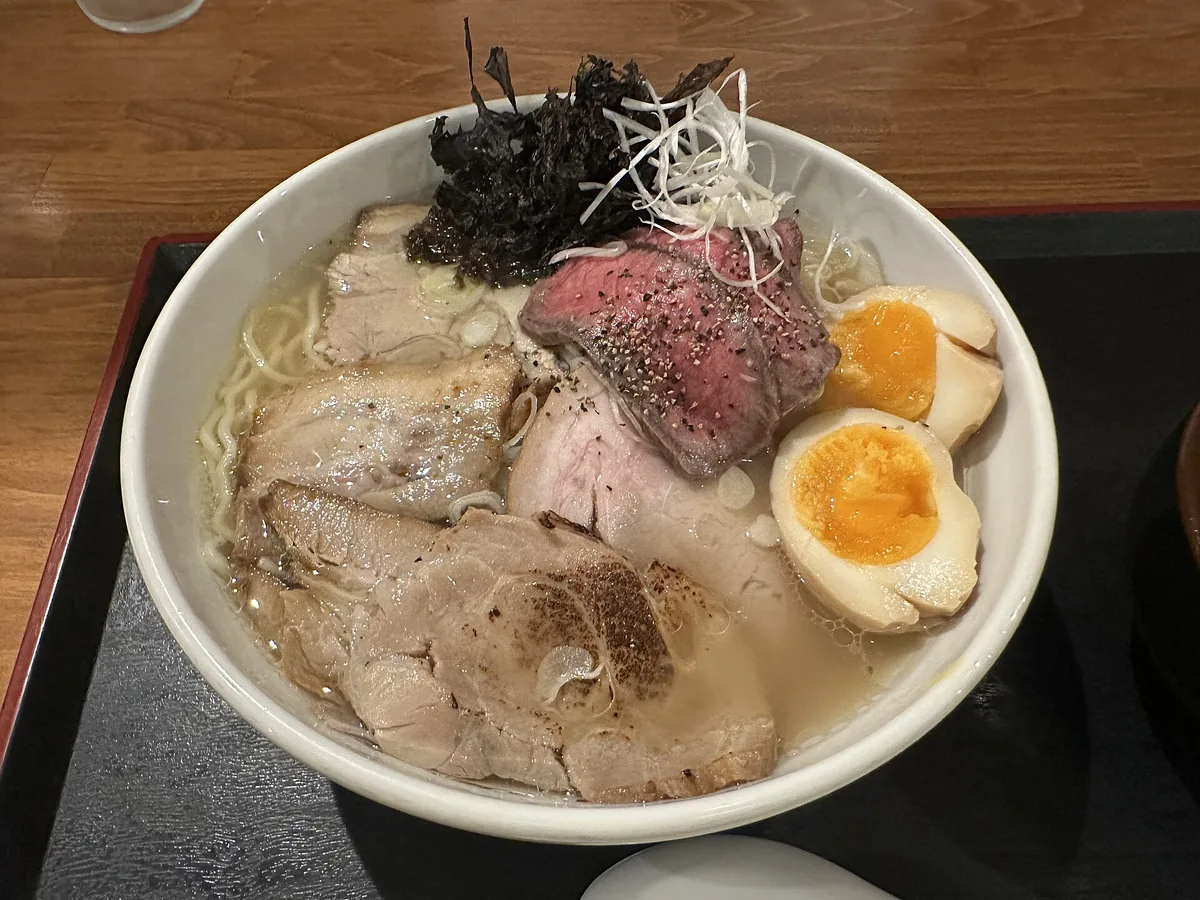
Tottori beef bone ramen is ramen built around broth made with beef bones. That base distinguishes it from tonkotsu ramen, which centers on pork bones. Individual restaurants may use different seasonings, noodles, oils, and toppings, so one bowl cannot represent every version in Tottori.
Your first decision is geographical. A reference to “Tottori” may mean Tottori City or another location within Tottori Prefecture. Confirm the full address before adding a restaurant to your route. This matters when a promising bowl requires extra rail, bus, taxi, or car travel.
Tottori's official tourism guide identifies the dish with central and western Tottori and names examples including Kamitoku in Akasaki, Sumire Shokudo, and Ramen Kogane. Treat those as starting points rather than guarantees: confirm the current branch, menu, hours, and access directly before travel, and keep one nearby backup.
- Confirm that the menu specifically identifies a beef-bone broth or gyukotsu preparation.
- Match the full restaurant address with Tottori City or the relevant prefectural destination.
- Check current hours, the regular closing day, and temporary notices.
- Verify the ordering method, payment options, and ingredient questions directly.
- Save a second confirmed restaurant that fits the same part of your route.
What Makes Beef Bone Ramen Different?
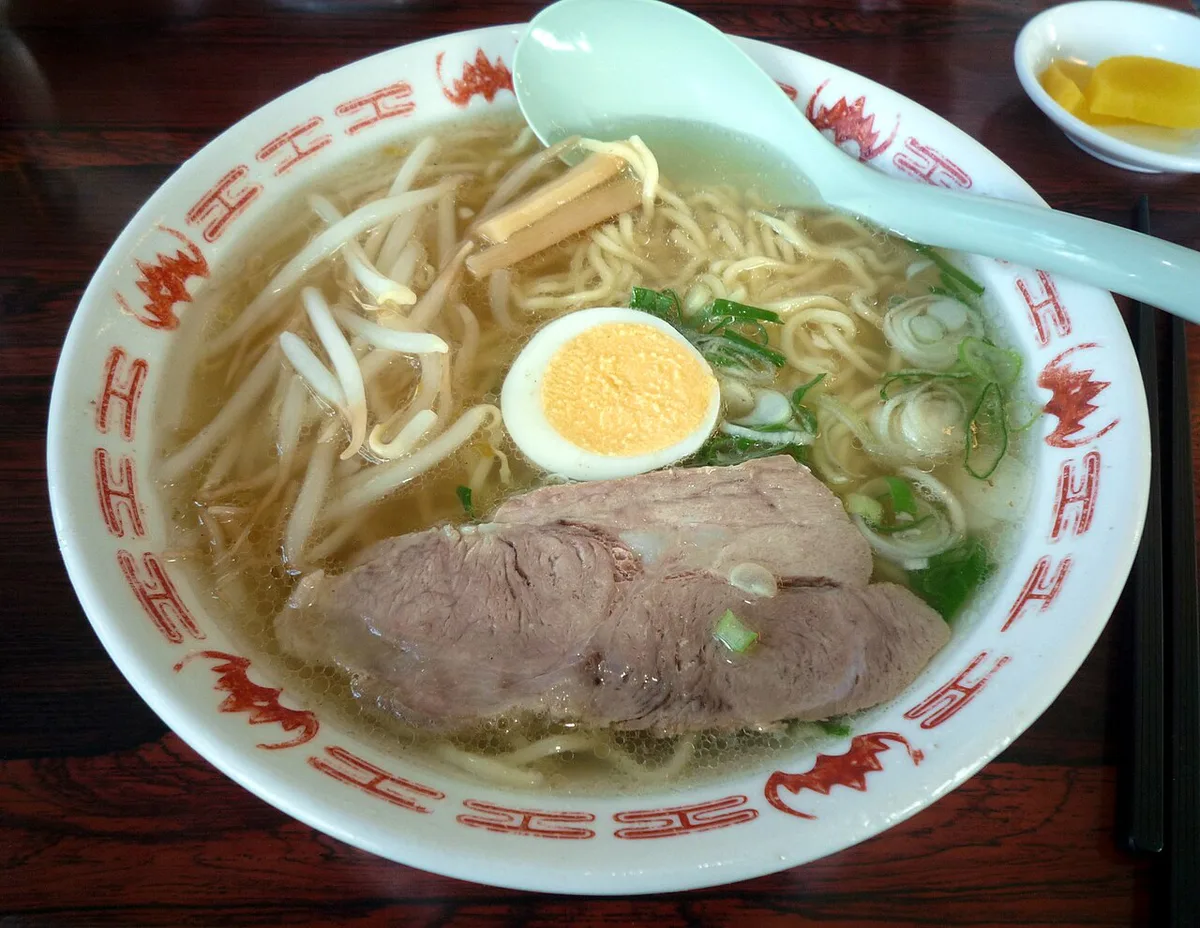
The defining distinction is the stock base. Beef bones provide the foundation for beef bone ramen, while pork bones define pork-bone ramen. That ingredient difference does not establish a universal taste, texture, color, or level of richness.
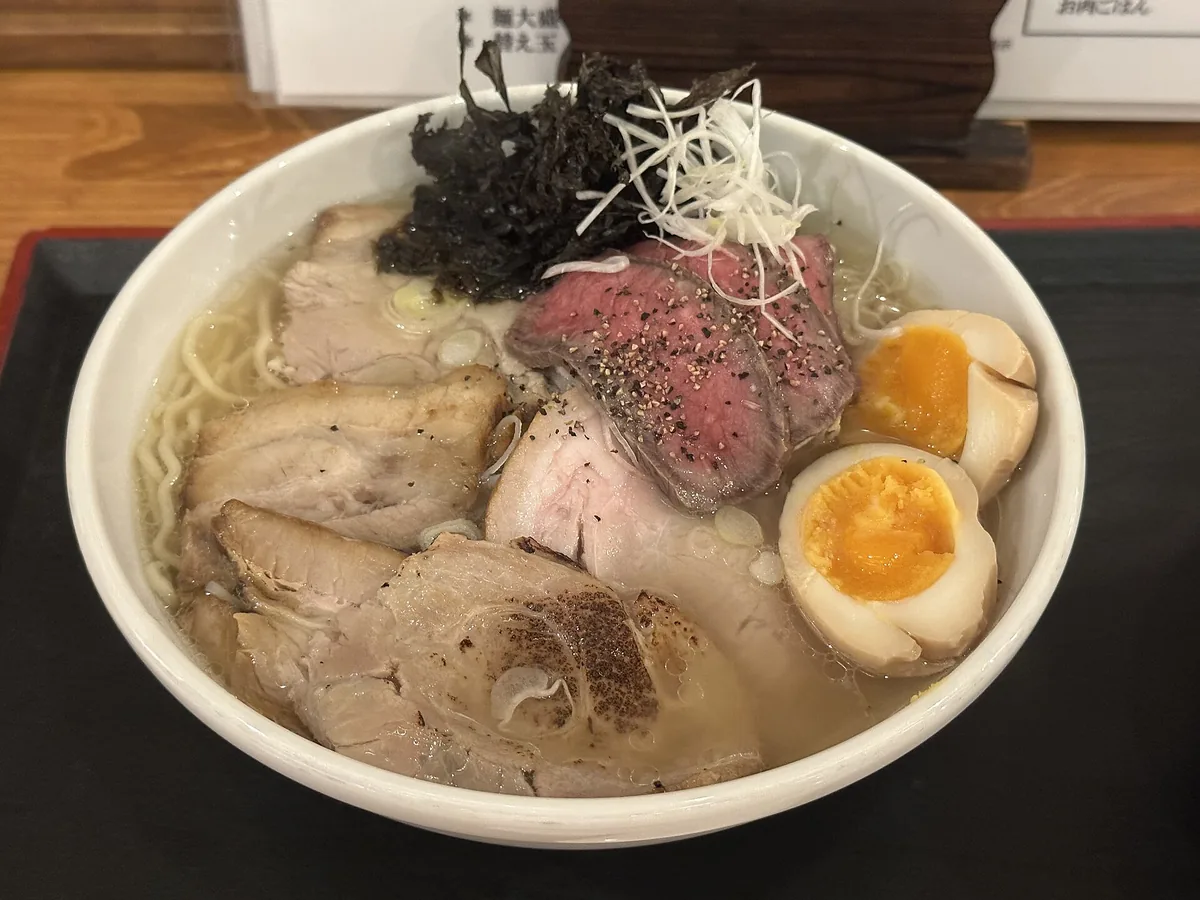
Preparation can vary from one kitchen to another. Seasoning, aromatic oil, noodle shape, cooking time, and toppings may all change the final bowl. Menu photographs can help you recognize visible toppings, but they cannot confirm hidden ingredients.
You may encounter the term “gyukotsu” when researching beef-bone broth. Match that wording with the restaurant’s current menu rather than assuming every ramen containing beef uses a beef-bone stock. A bowl with sliced beef could still have another broth base.
Comparing the dish with tonkotsu is useful when ordering. Ask which bones form the broth and whether pork appears elsewhere in the recipe. This distinction matters for preference, allergies, religious requirements, and other dietary restrictions.
Sensory descriptions should remain restaurant-specific. A clear-looking broth is not automatically light, and an opaque broth is not automatically heavy. Seasoning and fat can affect both aroma and mouthfeel. Use official menu descriptions as a starting point, then ask staff about the bowl you plan to order.
How to Choose a Beef Bone Ramen Restaurant
Start with your route rather than an unverified ranking. A restaurant near your arrival point may save a separate journey. Another option could fit better beside sightseeing, lodging, or an onward connection.
Next, compare the complete commitment. Menu price is only one part of the decision. An outlying restaurant can add fares, fuel, parking costs, transfers, or a longer return journey. A central option may reduce those expenses even when its bowl costs more.
Opening patterns also shape the choice. Confirm whether service covers lunch, dinner, or both. Look for a regular closing day and any notice about temporary changes. Same-day confirmation is sensible when the meal anchors the rest of your schedule.
Seating and ordering deserve a separate check. A compact counter may suit one diner but complicate a group meal. Table availability, ticket-machine instructions, translated menus, and payment methods should come from the restaurant’s current information.
Dietary suitability cannot be inferred from the words “beef bone.” Pork, seafood, alcohol, wheat, eggs, dairy, or other ingredients may appear in broth, seasoning, noodles, oil, or toppings. Contact the restaurant when avoiding any ingredient is medically or personally important.
- Route fit: compare the restaurant with your arrival point, planned attractions, and lodging.
- Service window: confirm that current hours match your intended lunch or dinner.
- Access burden: include every transfer and the return journey.
- Group fit: verify seating arrangements instead of judging from old photographs.
- Ordering support: look for a current menu and documented ordering process.
- Dietary fit: request direct confirmation about ingredients and cross-contact.
Tottori Beef Bone Ramen Options at a Glance
Use this comparison structure after finding currently documented candidates. It organizes options by traveler need without assigning unsupported rankings. Complete each row from an official restaurant website, official account, or direct response.
Official tourism material supplies several regional examples, but it does not replace a current operator check for hours, prices, payment, or temporary closure. Compare a named venue with the exact route and visit date before treating it as the day's primary stop.
| Option | Area and access | Best for | Time trade-off | Cost context | Verification note |
|---|---|---|---|---|---|
| Arrival-area candidate | Confirm walking route from your actual arrival point | Travelers with limited schedule flexibility | Usually the first option to assess for a short meal window | Compare menu cost with any added local transport | Verify address, service hours, closure notices, and payment |
| Sightseeing-route candidate | Confirm access from a planned attraction | Travelers grouping food with sightseeing | May avoid a separate food-only journey | Assess total route cost rather than bowl price alone | Verify the attraction route and restaurant status separately |
| Outlying candidate | Confirm every train, bus, taxi, or driving step | Travelers prioritizing a specific documented menu | Requires the largest itinerary buffer | Include return transport, fuel, and parking where relevant | Verify transport schedules, parking, hours, and menu availability |
Where to Try Beef Bone Ramen in Tottori
A dependable recommendation needs more than a restaurant name. Each candidate should have a current address, documented beef-bone ramen, useful access information, and a recent operating notice. Published hours and prices should also be recorded when available.
Official tourism names regional examples, but current business details remain operator-specific. Match the beef-bone menu to the correct branch and address, then save a nearby backup that suits the same route.
Begin with official restaurant channels. Confirm that the account or website belongs to the same branch shown on your map. Multi-branch businesses may have different menus, hours, closing days, and payment systems.
Official tourism organizations can help establish regional food context. However, an older tourism listing does not prove that a restaurant still operates. Cross-check each venue with its own current channel or contact the business directly.
Transport information needs the same care. State the exact origin used for any journey estimate. Separate walking time from train, bus, taxi, or driving time. Avoid describing a location as “nearby” unless the current route supports that description.
Choose one candidate that fits your existing route. Keep another option in the same practical area whenever possible. A distant backup offers little protection if the original problem is a missed connection or limited travel time.
Before relying on a detailed restaurant entry, note the date checked and reconfirm the menu item, hours, closing day, price, payment process, and nearest useful transport point. Official tourism recognition establishes regional context, not the venue's same-day operating status.
- Restaurant identity: official name, branch, and complete address.
- Dish evidence: current menu wording that identifies beef-bone ramen.
- Route evidence: origin point, transport mode, transfers, and return plan.
- Schedule evidence: published hours, closing day, and temporary notices.
- Cost evidence: current local-currency menu price and added transport costs.
- Ordering evidence: table service, counter ordering, or a meal-ticket machine.
- Dietary evidence: direct answers about ingredients, allergens, and cross-contact.
Access, Timing, and Budget Trade-Offs
Plan the meal around verified service hours. A lunch stop works only when the restaurant’s current lunch window matches your route. Dinner requires the same check, especially when onward transport or attraction hours limit flexibility.
Allow a buffer for navigation, ordering, eating, and possible demand at meal times. No exact queue estimate is supported by the brief, so avoid building a tight connection around one restaurant. Leave enough flexibility to use your backup without abandoning the day’s main plan.
Cost comparisons should use Japanese yen and current published menus. No verified price was supplied for this draft, so an estimated bowl range would be misleading. Check the restaurant’s official menu, official account, or direct response for the current ¥ price.
Transport can change the value calculation. A walkable restaurant may have a higher menu price but a lower total trip cost. An outlying choice can require fares, fuel, parking, or a taxi. Compare both directions of travel before deciding.
Reservations should not be assumed. Ramen service often depends on the individual venue’s system, and the supplied brief confirms no booking policy. Check whether the restaurant accepts reservations or expects walk-in customers before structuring a group visit.
How to Order and What to Check
Ordering procedures differ by restaurant. Some businesses may document a ticket machine, while others may describe counter or table ordering. Treat the current instructions for your chosen venue as authoritative.
Before selecting a button or menu item, match the dish name with its description. Confirm the broth base rather than relying on a photograph. Ask whether different sizes, toppings, or side dishes alter the ingredients you need to avoid.
Payment also requires a current check. Do not assume that a restaurant accepts cards, contactless payment, or foreign-issued cards. Carrying sufficient yen provides a backup, but the restaurant’s official payment information should guide your plan.
A translated note can reduce confusion when your request is specific. Keep each question short and identify the ingredient clearly. Staff may be able to explain a recipe, yet only the restaurant can decide whether it can safely accommodate an allergy.
- Confirm that the selected bowl uses beef-bone broth.
- Ask what forms the seasoning and aromatic oil.
- Check the noodles and every included topping.
- Verify portion choices before completing the order.
- Confirm the payment method before eating.
- Keep the restaurant name and address available in Japanese.
Dietary Restrictions and Allergy Cautions
Beef-based broth does not establish vegetarian, vegan, halal, or gluten-free suitability. Other animal products may appear in the stock, seasoning, oil, noodles, or toppings. Alcohol and seafood ingredients also require direct confirmation when relevant.
Wheat may appear in noodles or seasonings, while eggs can appear in noodles or toppings. Those examples are questions to investigate, not claims about every bowl. Request the ingredient information for the exact dish and branch you plan to visit.
Cross-contact deserves separate attention. Shared pots, utensils, preparation surfaces, or cooking water may matter for an allergy. The evidence pack provides no restaurant-specific controls, so only direct communication can clarify current practice.
Bring a translated allergy or dietary card when misunderstanding could carry serious consequences. Name the prohibited ingredients and explain whether cross-contact is acceptable. If staff cannot confirm safety, choose another meal instead of treating uncertainty as approval.
- Do not infer pork-free status from a beef-bone menu label.
- Ask separately about seafood, alcohol, eggs, dairy, and wheat.
- Confirm whether the noodles contain an ingredient you avoid.
- Explain allergy severity and ask about cross-contact.
- Treat vegetarian, vegan, halal, and gluten-free suitability as unconfirmed until answered directly.
How to Add the Meal to a Tottori Itinerary
Place the ramen stop beside an activity already on your route. The Tottori attractions guide can help you identify the day’s main sightseeing priorities. Compare each restaurant candidate with those stops only after confirming its address.
For broader meal planning, use the Tottori food guide to avoid repeating similar meals. A beef-bone ramen lunch can sit beside a different evening specialty, provided both businesses have verified service hours.
Travelers interested in another beef-focused meal can consult the Tottori Wagyu Restaurants: A Practical Dining Guide. Keep the two experiences separate when reviewing menus because ramen broth and wagyu dishes answer different dining goals.
Wider regional context appears in the San’in food guide. Use it when your route extends beyond Tottori City, but verify each destination and transport leg independently.
Seasonal planning may also affect other meals. Review the Matsuba crab guide before treating crab as an available companion experience. Restaurant offerings and relevant seasons need current confirmation.
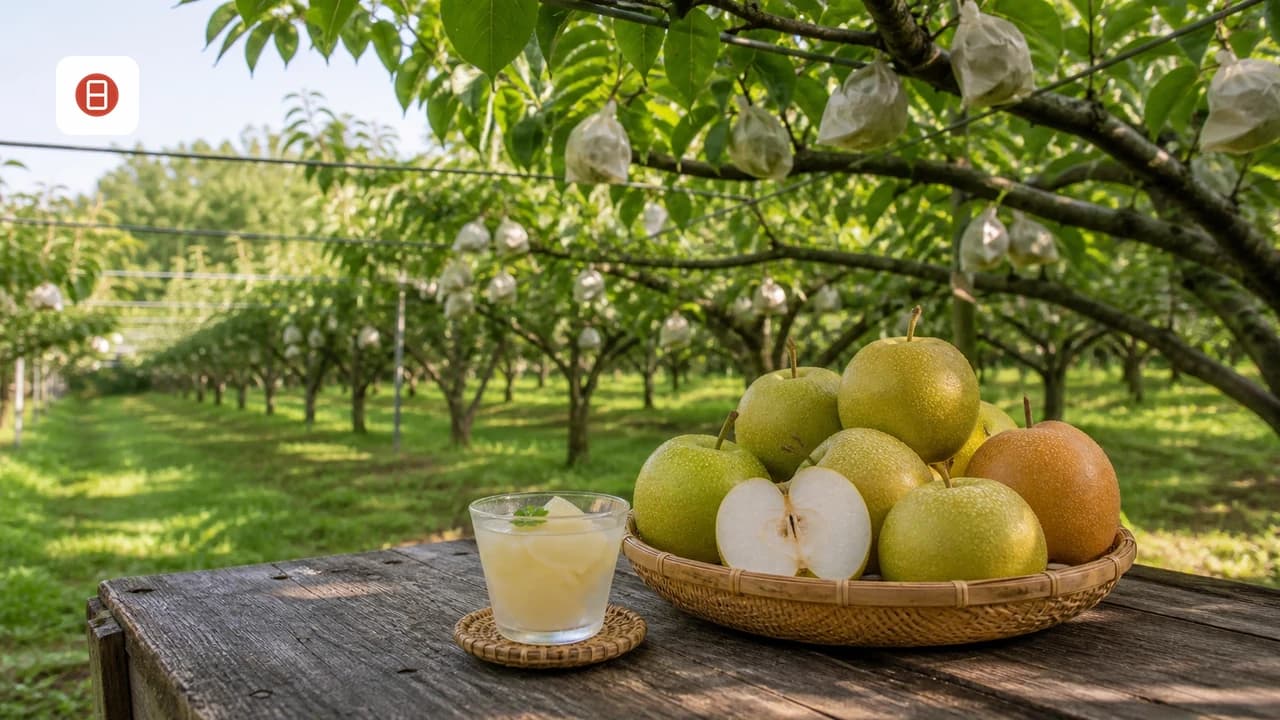
Fruit-focused planning belongs in the Tottori Pear Guide: Seasons, Picking and Where to Buy. Check current availability rather than assuming a particular pear product or harvest experience matches your travel dates.
Avoid crossing the city or prefecture solely because an old listing describes a restaurant enthusiastically. Route efficiency matters more than an unsupported reputation claim. One well-verified bowl near your plans is more useful than several speculative stops.
A Two-Option Meal Plan
Build a simple primary-and-backup plan. The primary restaurant should match your preferred service period and existing route. Your backup should require little additional travel from the same part of the itinerary.
Record both addresses before departure. Save the current menu, opening notice, closing day, payment information, and contact channel. Map the return journey as carefully as the outward route.
On the day, check for temporary notices before leaving. If the primary choice cannot be confirmed, switch early instead of waiting until the rest of your schedule becomes difficult. Keep another suitable meal nearby when dietary requirements make substitutions harder.
This approach also prevents a food stop from controlling the entire day. The meal remains a meaningful regional experience, while sightseeing and transport retain enough flexibility to absorb changes.
Final Planning Checklist
Complete these checks shortly before departure. Current confirmation matters because menus, prices, operating hours, and transport details can change after an article is published.
- Route: confirm the full address and whether it is in Tottori City or elsewhere in the prefecture.
- Dish: verify that beef-bone ramen appears on the current menu.
- Hours: check the intended service period and regular closing day.
- Status: review temporary notices and confirm the restaurant still operates.
- Backup: save one alternative that fits the same route.
- Budget: find the current ¥ menu price and add all transport costs.
- Payment: verify cash, card, ticket-machine, or other documented procedures.
- Diet: confirm ingredients, allergens, and cross-contact directly.
- Transport: check every required connection and the return journey.
- Timing: leave flexibility for ordering, eating, and an unplanned change.
Plan for Central Tottori, Not Just Tottori City
Beef bone ramen is strongly associated with central Tottori Prefecture, not only Tottori City. Official regional tourism guidance highlights shops near Kurayoshi Station and in Kotoura. In Kotoura, JR Urayasu and Akasaki are useful station names when checking a restaurant’s address.
That geography changes the itinerary decision. A bowl may fit naturally on a day around Kurayoshi, yet require a separate rail or road journey from Tottori City. Do not treat a search result labelled “Tottori” as city-centre convenience.
- Kurayoshi Station area: a sensible first search area for rail travellers visiting central Tottori.
- Kotoura: check whether the restaurant is closer to Urayasu or Akasaki before deciding how to arrive.
- Tottori City: prioritize only venues whose current menu and address suit your city-based plans.
Record the municipality, station, and full address for both choices. Check the current menu and service notice before setting out. This avoids losing sightseeing time to an unintended regional detour.
How This Guide Was Verified
Food availability, access details, seasonal rules, and the time-sensitive claims in this guide were checked on August 22, 2026 against the official sources below. Independent restaurant menus, prices, opening days, and sell-outs can change, so confirm the operator's same-day notice before making a special trip.
Frequently Asked Questions
What is Tottori beef bone ramen?
Tottori beef bone ramen uses beef bones as the foundation of its broth. Recipes can differ in seasoning, noodles, oil, and toppings, so check the description for the specific restaurant and bowl.
What does beef bone ramen taste like?
No single taste description applies to every restaurant. Preparation and seasoning can change aroma, saltiness, richness, and mouthfeel. Use current menu descriptions and ask staff about the bowl you intend to order.
How does it differ from tonkotsu ramen?
Beef bone ramen centers on a beef-bone broth, while tonkotsu centers on pork bones. Other ingredients may still overlap, so the broth label alone does not establish pork-free or allergen-free status.
Where should a first-time visitor try it?
Choose a currently verified restaurant that fits your arrival point or sightseeing route. Confirm the address, menu, hours, access, and payment method through an official channel. Keep one nearby backup.
Can I find beef bone ramen near convenient transport?
Tottori's official tourism guide names examples across central and western Tottori, including Kamitoku in Akasaki, Sumire Shokudo, and Ramen Kogane. Check the correct branch and complete route from your actual arrival point because the tourism listing does not guarantee same-day hours or transport.
How much does Tottori beef bone ramen cost?
No current restaurant price was supplied, so this guide does not estimate a range. Check the chosen restaurant’s current official menu for a ¥ price. Add fares, fuel, parking, or taxi costs when comparing locations.
Is it suitable for vegetarian, halal, or gluten-free diners?
Suitability cannot be inferred from a beef-bone label. Ask about the broth, seasoning, noodles, oil, toppings, alcohol, and cross-contact. Carry a translated dietary card when the restriction is important.
Do restaurants accept cards or require cash?
Payment procedures vary, and the evidence pack confirms no restaurant-specific policy. Check the venue’s official information before visiting. Carry enough yen as a practical backup when current card acceptance remains unclear.
How much time should I allow for the meal?
Allow time for the complete trip, ordering process, meal, and return route. Add flexibility for possible meal-time demand or a switch to your backup. Avoid placing the stop immediately before a fixed connection.
What other Tottori foods should I try?
Consider a separate wagyu experience, seasonal crab research, or pear-focused planning. Confirm current menus and seasonal availability before building any of them into the same trip.
Free guide: Japan's Hidden Gems
12 under-the-radar places beyond Tokyo & Kyoto — with the best season to visit each and a local tip you won't find in the guidebooks.
You might also like


Continue reading
More guides you'll find useful