Yobuko Squid, Market and Dining Guide
Plan your Yobuko squid guide trip: live-style ika sashimi, Yobuko Asaichi market hours, top restaurants, and 2026 bus times from Karatsu.
On this page
Last updated August 2026, this Yobuko squid guide covers the port town's live-style ika sashimi and its two-stage kitchen trick. Yobuko sits inside Karatsu City on Saga Prefecture's Genkai Sea coast, a separate trip from central Saga City dining. Time a visit around the morning market and the day's catch, and sashimi, tempura, and market food line up into one focused day trip.
The Yobuko Squid Guide Basics: Why This Port Is Different
Yobuko squid arrives at the table so fresh it is still moving, a style called ika no ikizukuri. Its mantle looks nearly transparent, with a firm, faintly sweet bite that sets it apart from squid sashimi served hours after the catch. Two things built the town's reputation: this live-style squid and the Yobuko Asaichi morning market. Locals and travel writers commonly group Yobuko's market with Takayama and Wajima as one of Japan's three major morning markets. Squid ties the whole visit together. Market stalls sell the same catch dried and grilled. Restaurants keep tanks stocked straight from the Genkai Sea. Rotating drying racks line the waterfront as a visible sign of the trade. Saga Prefecture's seafood identity actually splits across two coasts. Genkai Sea supplies Yobuko's squid, while the Ariake Sea further south supplies nori and shellfish traditions. This trip anchors a wider Saga Prefecture food itinerary, separate from dining in Saga City center itself.
Yobuko Morning Market Hours, Location, and What to Buy
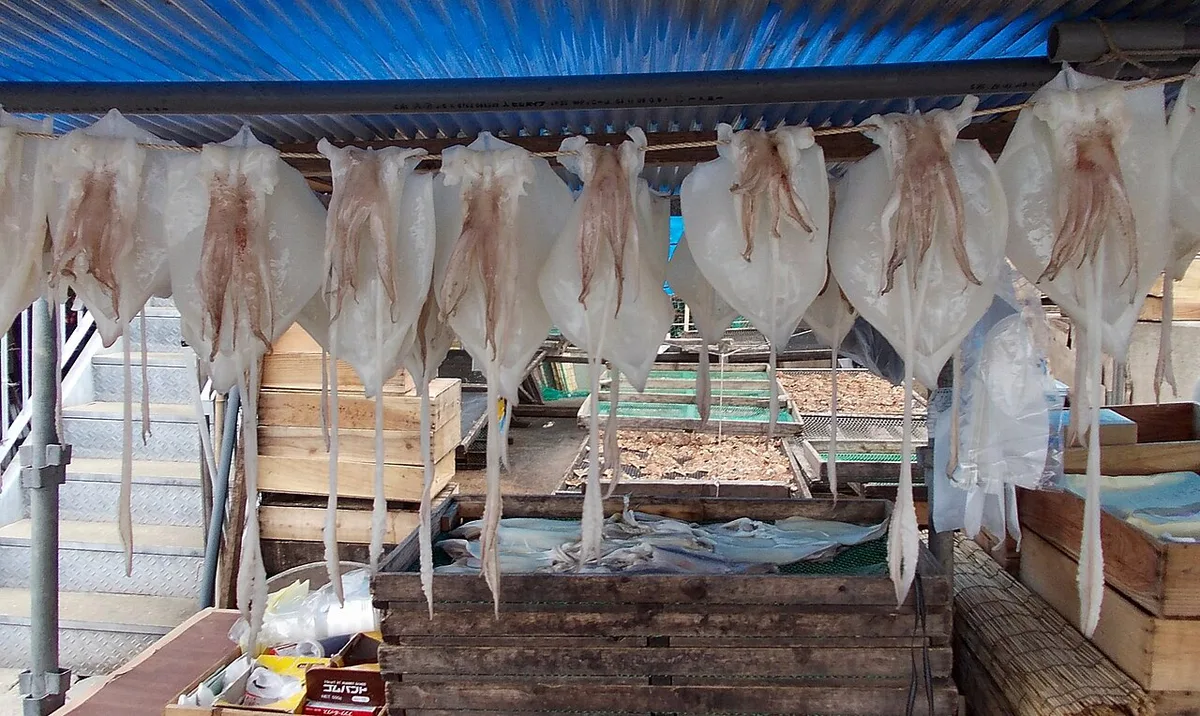
Stalls line roughly 200 meters of Asaichi-dori, arranged on both sides of the street. Local sellers, many of them longtime stallholders, will let you sample items before you buy anything. Beyond fresh squid, look for ika shumai, ichiyaboshi (overnight-dried squid), and sea urchin cracked open to order. Grilled squid and shellfish cooked right at the stalls fill the street with a distinct smell. Early arrivals catch full trays. Latecomers meet stalls already packing up.
Yobuko Morning Market officially runs 7:30 AM to noon, except January 1, but each vendor chooses its own opening time. Arrive early for the widest choice without assuming every stall will be operating.
- Address: 4177 Yobukocho, Yobuko, Karatsu, Saga 847-0303
- Hours: 7:30 AM to 12:00 PM daily, closed January 1
- Planning window: early morning, within the official 7:30 AM to noon market hours; individual stalls vary
- Admission: free
- Parking: free, on the north side of Asaichi-dori
How to Eat Ika No Ikizukuri: The Two-Stage Squid Meal
Ika no ikizukuri commonly comes in two stages. Staff lift a squid from the tank, slice the mantle into sashimi, and plate it within moments. The flesh still looks translucent, and the tentacles can still move when it reaches the table. Once the sashimi plate is cleared, participating kitchens cook the remaining portions as tempura or salt-grilled squid. Whether this second preparation is included, optional, or charged separately varies by restaurant, so check before ordering. Texture is the real difference between the two stages: raw mantle is firm and clean-tasting, while tempura is warmer, richer, and less chewy.
Squid Seasonality: Swordtip vs Big-Fin Reef Squid
Two species carry the ikizukuri trade through the year, and timing changes which one lands on the plate. Live squid still depends on the day's catch and sea conditions, in season or not. Rough seas can keep boats in port, which empties the tanks regardless of the calendar. Ask staff directly rather than trusting a printed or digital menu, since live availability often isn't listed.
| Squid | Season | Notes |
|---|---|---|
| Kensaki ika (swordtip squid) | Often associated with warmer months | A common ikizukuri variety, prized for its sweetness |
| Aori ika (big-fin reef squid) | Often associated with cooler months | Availability depends on the catch and venue |
Where to Eat: Top Yobuko Squid Restaurants
Several restaurants around the port specialize in ikizukuri, each with a different draw. Visitor reports put a full ikizukuri set meal at roughly ¥2,700 to ¥3,300, depending on the restaurant and squid size. Some restaurants also carry a short list from Saga's sake breweries to pair with the sashimi course. Restaurants without lunchtime reservations fill quickly after opening. Arriving right when doors open improves your odds of live squid still in the tank.
- Ika Honke: port-view dining with traditional floor seating upstairs, and tanks of live squid near the entrance.
- Manbo: known locally as an undersea restaurant, with dining set below sea level.
- Kawataro: credited as an early adopter of the ikizukuri style in the Yobuko area.
- Yumeyashiki: close to the market, a practical pick for shorter queues. A fresh squid sashimi set meal runs about ¥3,300.
Getting to Yobuko from Karatsu and Fukuoka
Karatsu is the practical gateway to Yobuko for most travelers. Drivers should look for free parking on the north side of Asaichi-dori, close to the market street. Combine the day with Karatsu's castle and coastal sights before or after the market. Travelers extending the coast trip sometimes continue toward Ureshino's tea and onsen tofu route as a second stop in Saga Prefecture. Fares and hours here reflect 2026 visitor reports, so confirm specifics locally before you travel.
Budget separately for the current bus fare and the restaurant's current ikizukuri set price. Both can change, and squid size or availability can affect the meal cost.
| Route | Time | Notes |
|---|---|---|
| Karatsu Oteguchi Bus Center to Yobuko | About 30 minutes | Check the current Showa Bus timetable and fare |
| Karatsu Station to Bus Centre | 5-minute walk | Starting point for the Yobuko bus |
| Fukuoka to Yobuko by car | Roughly 60 to 90 minutes | Depends on traffic and route |
Beyond the Plate: Nagoya Castle Ruins, Nanatsugama Caves, and Tajima Shrine
Sightseeing around the port pairs naturally with the squid meal, and most of it sits within a short bus ride or walk. The museum has previously offered handheld tablet tours that reconstruct the castle's original buildings on site. Check current availability when you arrive. Confirm Nagoya Castle's current grounds entry fee before visiting too, since prices can shift.
- Nagoya Castle Ruins & Museum: about a 12-minute bus ride from Yobuko; museum entry is free, and visitor reports put castle grounds entry at ¥100.
- Nanatsugama Caves: boat tours run out to a set of basalt sea caves along the coast.
- Tajima Shrine: a historic shrine overlooking the water, an easy add-on to a port walk.
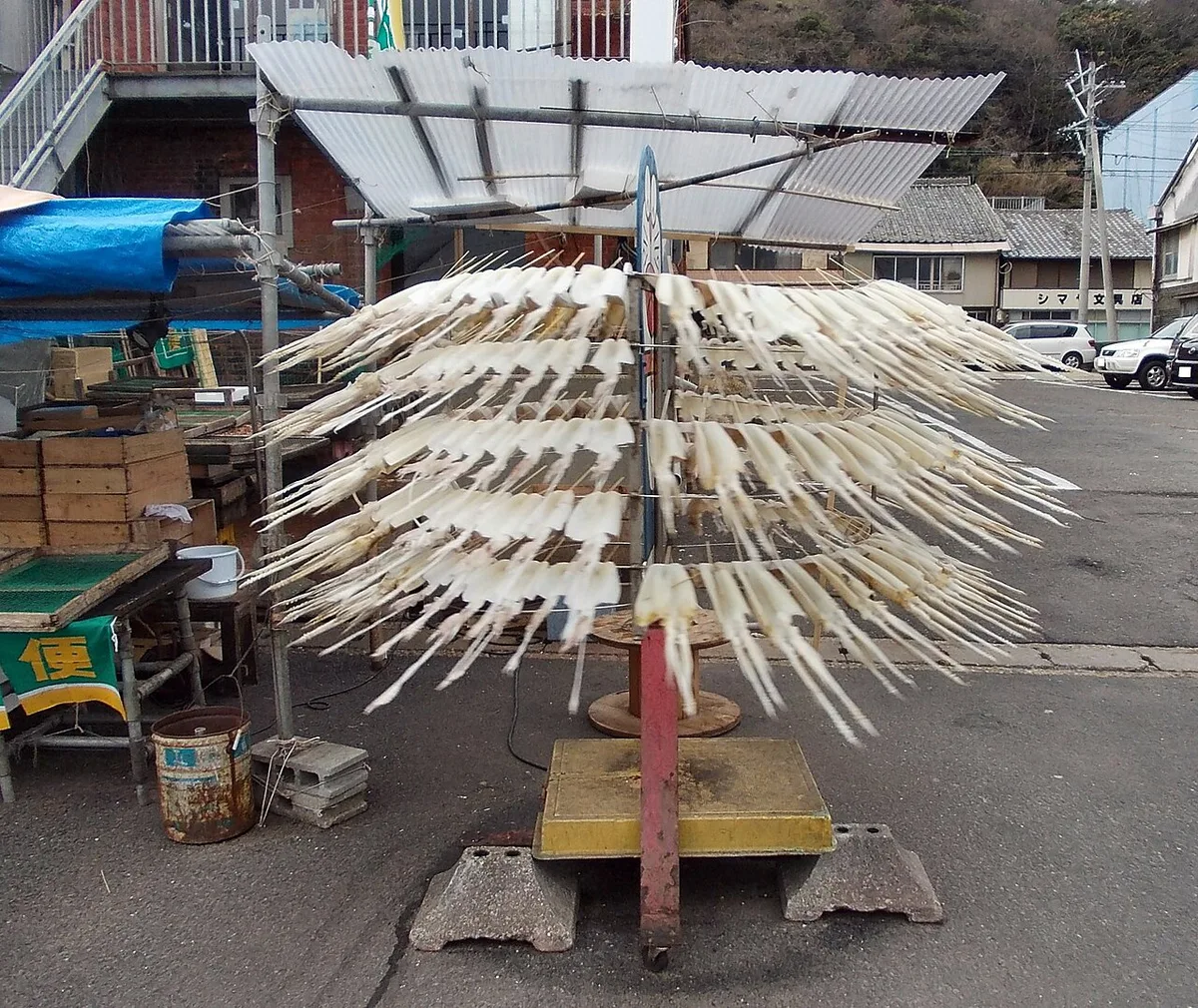
- Squid drying machines: rotating racks along the port that dry the catch in view of passersby.
Mistakes to Avoid in Yobuko
A few timing and expectation mistakes come up often for first-time visitors. Treat the morning market and the squid meal as the anchor for the day, then layer in castle or shrine time around it.
- Arriving after 11:30 AM: stalls start closing and restaurant queues stretch to their longest.
- Assuming live squid is guaranteed: catch and weather decide daily availability, not the calendar.
- Skipping a backup plan: if tanks run empty, treat Saga's wagyu beef as a backup meal instead of squid.
- Ignoring customs rules: dried seafood products often can't cross into other countries as souvenirs.
A Simple Yobuko Morning Itinerary
Start at Yobuko Asaichi early within its official 7:30 AM to noon hours. Walk Asaichi-dori first and sample ika shumai, grilled squid, or sea urchin before buying dried seafood, while remembering that individual vendors set their own hours. Keep lunch flexible because the live-squid supply depends on that morning’s catch.
- Morning: browse the market and photograph the rotating squid-drying racks along the port.
- Before lunch: join a restaurant queue and ask whether live ika no ikizukuri is available before committing.
- After lunch: continue toward the Nagoya Castle Ruins and Museum after checking the current bus schedule.
This order avoids trying to visit the castle before a market that closes at noon. It also gives you a practical alternative if restaurant tanks are empty. In that case, choose ika shumai or salt-grilled squid, then keep the coastal sightseeing plan unchanged.
How This Guide Was Verified
Food availability, access details, seasonal rules, and the time-sensitive claims in this guide were checked on August 22, 2026 against the official sources below. Independent restaurant menus, prices, opening days, and sell-outs can change, so confirm the operator's same-day notice before making a special trip.
Frequently Asked Questions
Is Yobuko squid served alive?
Yes, in the ikizukuri style. Staff cut and plate the squid within moments of pulling it from the tank, so the mantle stays translucent and the tentacles can still move. A second course follows: the head and tentacles come back as tempura or salt-grilled squid. Live squid is not guaranteed on every visit, since availability depends on the day's catch.
What is the best season for Yobuko squid?
Different squid species appear at different times of year, with kensaki often associated with warmer months and aori with cooler periods. Exact dates are not guaranteed: weather, the day's catch, and the restaurant's tanks decide what reaches the table.
How do you get from Karatsu to Yobuko?
Take a bus from Karatsu's Oteguchi Bus Center. Karatsu Tourism gives the ride as about 30 minutes; check the current Showa Bus timetable and fare before travel because service details can change.
What are Japan's Three Great Morning Markets?
Yobuko's market is commonly grouped with Takayama in Gifu Prefecture and Wajima in Ishikawa Prefecture as Japan's three widely cited morning markets. The Yobuko Asaichi runs along Asaichi-dori daily except January 1, from 7:30 AM to 12:00 PM.
What happens if live squid isn't available that day?
Catch size and sea conditions decide live squid supply day to day, so tanks can run low or empty. Ask staff directly rather than relying on a posted menu. Ika shumai, dried squid, and a Saga beef meal all work as a reliable backup plan.
Free guide: Japan's Hidden Gems
12 under-the-radar places beyond Tokyo & Kyoto — with the best season to visit each and a local tip you won't find in the guidebooks.
You might also like


Continue reading
More guides you'll find useful