What to Eat in Saga Prefecture: 12 Best Foods to Try in 2026
A 2026 guide to what to eat in Saga Prefecture, from Saga beef and Yobuko squid to Ureshino onsen tofu, Takezaki crab, and Saga nori.
On this page
Last updated August 2026, this guide covers what to eat in Saga Prefecture, from Genkai Sea squid and sea bream in the north to Ariake Sea crab and nori in the south. Twelve dishes below make up the core list, along with the travel times and reservation windows that keep a food trip from turning into a wasted afternoon.
12 Best Foods to Eat in Saga Prefecture
Saga Prefecture's food scene splits along two coastlines and a central agricultural plain, and the twelve dishes below cover all three. Each entry names the dish, explains why it matters, and points you to at least one place that serves it well.
- Saga Beef (A5 Wagyu)
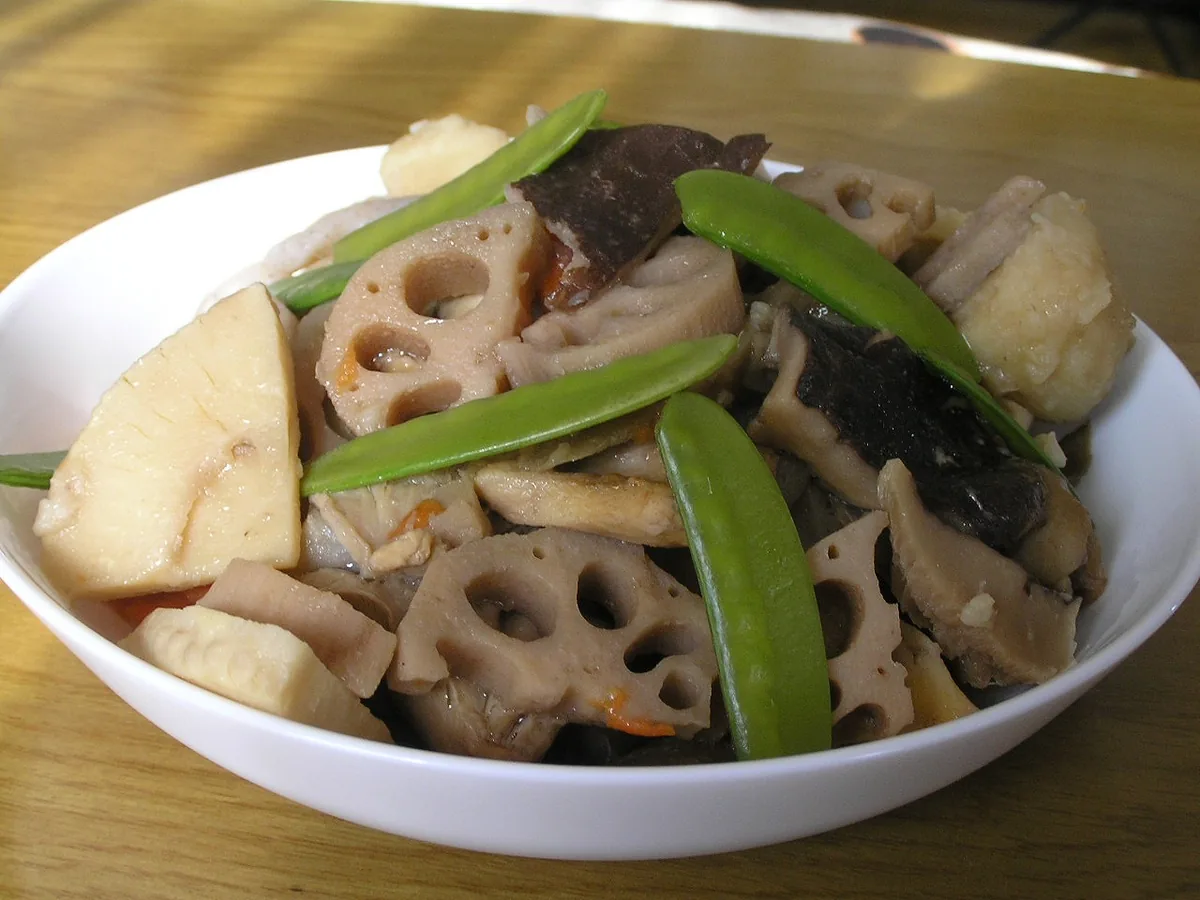
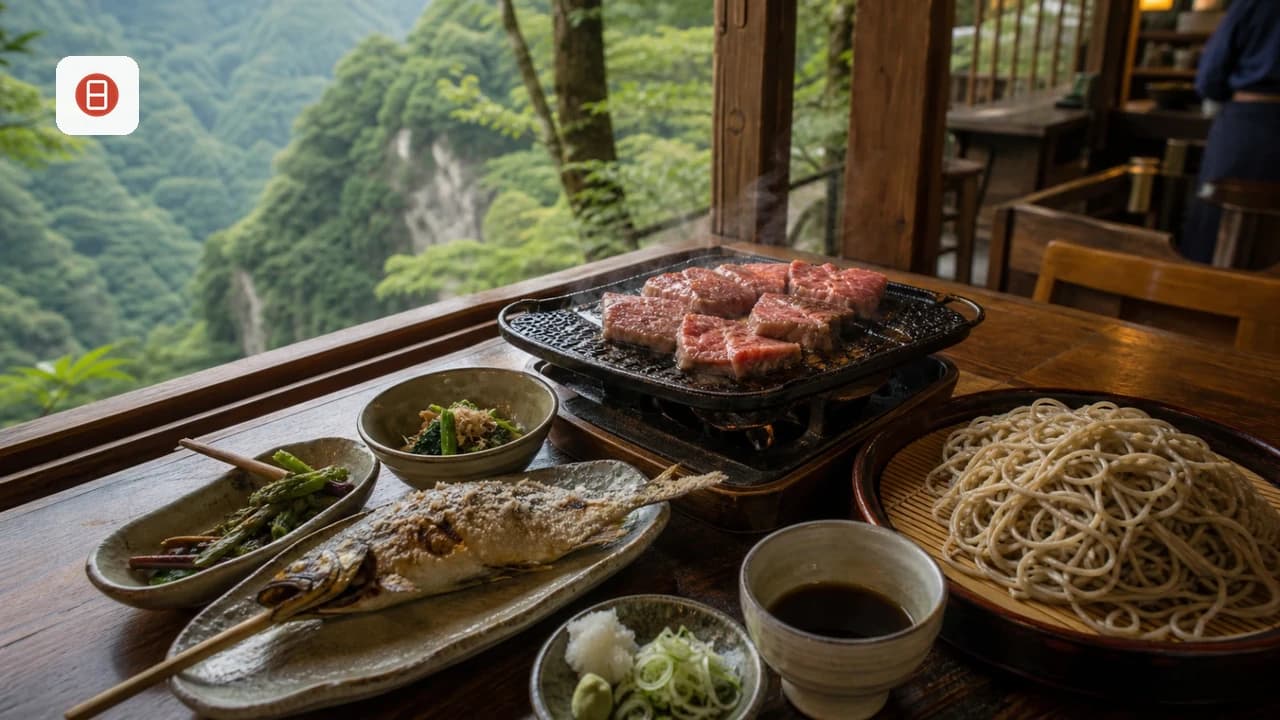
- Saga Beef is graded on the tsuya-sashi standard, judged on fine, glossy marbling rather than raw fat coverage, and top cuts reach Japan's A5 grade.
- Yakiniku En Ju in Saga City serves only grade-5 cuts at sunken kotatsu tables, with rare cuts and gyutan (beef tongue) alongside the standard menu.
- The Saga Beef Restaurants: Where to Eat A5 Wagyu in Saga City covers the full grading system and where else to book a table.
- Yobuko Squid (Ika no Ikizukuri)
- Yobuko squid arrives at the table still moving, and chefs slice it into near-transparent sashimi within minutes of the catch.
- Kanko Hotel Taibokaku near Yobuko serves live squid sashimi as part of its kaiseki dinner course.
- The Yobuko Squid Guide: Ika Sashimi, Morning Market Hours, and Bus Times From Karatsu covers boat times and how to dodge the midday queue at the busiest counters.
- Ureshino Onsen Yudofu
- Ureshino's hot spring water runs alkaline, and that chemistry breaks down the tofu's surface protein until it turns silken in the pot.
- Hirakawaya Tofu & Cafe simmers it hot-pot style with seasonal vegetables and a clear broth, then follows up with tofu parfait and tofu soft-serve for dessert.
- The Ureshino onsen tofu guide has the full list of the town's tofu restaurants.
- Takezaki Crab
- Takezaki crab comes from the waters off Mt. Tara, on the Ariake Sea side of the prefecture.
- Female crabs carrying roe peak in winter, and male crabs are the better catch in summer, so the season shapes which crab shows up on the plate.
- Tara town has nine hot-spring lodgings built around crab season, including Taratakezaki Onsen Hoyosou's private baths looking over the Ariake Sea.
- Saga Nori
- The Ariake Sea's 6-to-7-meter tidal range lets seaweed cycle between direct sun and submersion.
- That cycle produces Japan's largest volume of dried nori, according to the Ministry of Agriculture's regional profile of Saga.
- Try it dried and salted as a snack, or simmered into tsukudani, a seaweed preserve served over rice. The Ariake seafood and nori guide covers where it's sold fresh near Kashima.
- Maeumimon: Mudskipper and Warasubo
- Ariake's tidal flats produce a set of creatures found nowhere else in Japan, known locally as maeumimon.
- Mutsugoro (mudskipper) is grilled kabayaki-style with a sweet soy glaze.
- Warasubo, an eel goby with an unusual face, typically turns up in warasubo no misojiru, a miso soup, rather than in ramen. Kashima's restaurants near the Ariake coast are the most reliable spot to find both on a menu.
- Imari Wagyu Hamburg Steak
- Imari, northwest of Saga City, turns its Wagyu into a lower-cost format, a hamburg steak with a demiglace sauce simmered for days.
- Gyumaru Imariten serves it sizzling on a hot plate, and the dish costs less than a full yakiniku course while still using the same grade of local beef.
- It's a practical way to taste the region's beef quality without booking a formal yakiniku dinner.
- Godofu
- Arita's version of tofu skips soybeans in the usual sense. Arrowroot and starch are added to soy milk and set until the mixture curdles into a firmer, silkier block.
- It's typically served cold with a sesame-soy sauce, a preparation known as godofu no gomashoyu-kake.
- Restaurants and pottery studios near Arita's kiln district serve it as a starter.
- Sukozushi
- Sukozushi is pressed sushi built in a large wooden box called a murofuta, scored into roughly 10-centimeter squares that each become one serving.
- Toppings include Ariake Sea seafood and grilled mutsugoro mudskipper glazed kabayaki-style, and the dish traces back roughly 500 years to festival offerings for feudal lords.
- It appears at festivals and special occasions in the Shiorishi region rather than as an everyday restaurant item, so ask locally about which events serve it.
- Ika no Kakeae
- Ika no kakeae is a home-style dish of raw seafood, thinly sliced daikon, and wakame, dressed in a vinegar-miso sauce.
- Squid is the base near Karatsu. Households closer to the Ariake side sometimes swap in sardine, mackerel, or horse mackerel instead.
- It shows up on izakaya menus as a starter rather than a headline dish, so pair it with a larger order like grilled fish.
- Hizen-Hamashuku Sake
- Hizen-Hamashuku, in Kashima City, is a working sake district built around breweries that have run for generations.
- Hizenya offers tastings of sake alongside amazake and fruit liqueurs, so it works even for travelers who aren't drinking straight sake.
- For pairing notes and label picks such as Amabuki and Nabeshima, see the Saga Sake Breweries and Tasting Guide: Tours, Costs, and Routes for 2026.
- Ureshino Tea
- Ureshino grows tea in the hills above its hot springs, and the leaves are commonly blended rather than sold as a single varietal.
- Kusuki no Mori, a seven-minute walk from Imari Station, runs a workshop where a herbalist blends a personalized tea from more than 100 ingredients.
- Pair a cup with Ureshino's onsen tofu, since local restaurants typically sell the two together.
The Genkai Sea vs. Ariake Sea: Reading Saga's Flavor Map
Saga divides cleanly along its coastline, and that split explains most of the menu. The Genkai Sea to the north carries the Tsushima Current, and its squid and sea bream from Yobuko and Karatsu define the northern coast. The Ariake Sea to the south has a tidal range up to 6 to 7 meters, the largest in Japan, according to the Ministry of Agriculture's regional profile of Saga. That tidal flat produces the crab, nori, and mudskipper dishes covered further up this list. In between, the Saga Plain grows the rice, onions, and asparagus that back the beef and the sake. Saga-biyori rice earned Japan's top Special A tasting rank for ten straight years through 2019. Pair this food route with temples, gardens, and pottery villages in the same three zones by adding the Saga attractions guide to your plan.
Genkai Sea's Tsushima Current shapes northern squid and sea bream, while the Ariake Sea's 6 to 7 meters tidal range—Japan's largest—drives southern crab and seaweed harvests, explaining why a rental car helps visitors sample all three regional cuisines in one day.
| Region | Towns | Signature Foods |
|---|---|---|
| North – Genkai Coast | Karatsu, Yobuko | Squid sashimi, sea bream, ika no kakeae |
| South – Ariake Coast | Kashima, Tara | Takezaki crab, Saga nori, mutsugoro, warasubo |
| Central – Saga Plain | Saga City, Ureshino | Saga beef, Saga-biyori rice, sake, onsen tofu |
Saga Beef vs. Kobe Beef vs. Imari Beef: What Changes With Price
Saga Beef, Kobe Beef, and Imari Beef are all Wagyu, but they come from different grading systems and price tiers. Saga Beef must meet the tsuya-sashi glossy-marbling standard, and top cuts reach grade 5 under the same national grading system Kobe Beef also uses. Kobe Beef carries its own separate brand certification and typically commands a premium at yakiniku and steakhouse menus outside Kyushu. Imari Beef comes from the same regional Wagyu lineage. It becomes more affordable when served as a hamburg steak rather than as sliced or grilled cuts. If you want a lower-cost taste of the same beef quality, order the Imari Wagyu hamburg steak instead of a full yakiniku course. Menus set exact prices by cut and restaurant, so confirm current pricing directly with Yakiniku En Ju or Gyumaru Imariten before you book.
| Beef | Grading | Typical Format | Relative Cost |
|---|---|---|---|
| Saga Beef | Tsuya-sashi marbling, up to grade 5 | Yakiniku or kaiseki cuts | Higher — full-course dining |
| Kobe Beef | Separate brand certification | Steakhouse or yakiniku cuts | Premium, especially outside Kyushu |
| Imari Beef | Same regional Wagyu lineage | Hamburg steak format | Lower — one-plate meal |
Getting to Yobuko Squid Market: Distances and Timing
Yobuko is not directly on a train line, and that catches visitors who assume a quick rail hop will get them there. From Saga City, the full transit to Yobuko runs 80 to 90 minutes by car or a combination of train and bus. The rail portion alone takes time. Saga Station to Karatsu is roughly 70 minutes on the JR Karatsu Line. Hakata Station to Karatsu runs about 80 minutes on an express line. From Karatsu, a local bus or a rental car covers the last stretch to Yobuko's squid restaurants and the Marinepal Yobuko boat dock. Arrive before 11:00 AM at popular counters such as Manbou if you want to avoid waits that can stretch past two hours. Marinepal Yobuko's Ika Maru sightseeing boat departs frequently between 9:30 AM and 4:30 PM for those adding the Nanatsugama sea cave to the same day.
Yobuko squid's signature freshness—served within minutes of catch, still moving on the plate—justifies the 80 to 90 minutes transit from Saga City and the requirement to arrive before 11:00 AM to avoid two-hour waits.
Best Time to Visit for Food: Festivals, Crab Season, and Reservations
Karatsu Kunchi and the Saga International Balloon Fiesta both take place around early November, creating a busy travel period, but event dates, entries, transport, and restaurant demand change by year. Check the current official event schedules, then reserve any must-eat restaurant as soon as those dates are confirmed rather than relying on a fixed three-month rule. Time a Takezaki crab visit around the season instead of the festival calendar. Winter brings female crabs carrying roe, and summer is better for male crabs, so pick the season that matches what you want on the plate. Temporary rail service such as Balloon Saga Station should also be confirmed for the current event.
Getting Around Saga for a Food Trip
Saga's food destinations sit far enough apart that public transit alone makes for a slow trip. Karatsu and Yobuko sit north, Ureshino and Tara sit south, and Arita and Imari sit west. A rental car lets you cover two or three of these food stops in a single day instead of one. The Futatsuboshi 4047 sightseeing train covers one leg of that route between Takeo Onsen and Nagasaki, with lounge-style seating in its middle car. Book ahead and you can add a boxed lunch built around Saga beef and Ariake Sea nori, so the ride doubles as a meal. Saga Airport connects directly to Haneda, plus routes to Narita, Shanghai, Xi'an, Taipei, and Seoul. A highway bus also runs from Hakata Bus Terminal straight to Saga Station for a no-transfer option from Fukuoka.
Pairing Saga Sake With Local Dishes
Saga’s breweries make a useful stop between food destinations, especially around Kashima and Hizen-Hamashuku. Rather than ordering one bottle for every dish, ask for a small tasting flight. It helps match the sake’s weight to the meal.
- Pair chilled Nabeshima with Yobuko squid sashimi or sea bream. Its clean profile keeps the seafood’s sweetness in focus.
- Try Amabuki with grilled Saga Beef or Imari hamburg steak. The brewery is known for using flower yeasts, and a fuller pour suits richer meat.
- Choose a gently warmed local sake with Ureshino onsen yudofu or warasubo miso soup. The warm serving temperature works well with soft tofu and savory broth.
Hizenya in Hizen-Hamashuku offers tastings alongside amazake and fruit liqueurs. Buy only after tasting if you plan to carry bottles onward. A rental car is useful for food hopping, but it means choosing a designated driver or using local transport after a brewery visit.
How This Guide Was Verified
Food availability, access details, seasonal rules, and the time-sensitive claims in this guide were checked on August 22, 2026 against the official sources below. Independent restaurant menus, prices, opening days, and sell-outs can change, so confirm the operator's same-day notice before making a special trip.
Explore food in other cities
Frequently Asked Questions
Is Saga Beef better than Kobe Beef?
That comes down to preference rather than a fixed ranking, since no independent index compares the two directly. Saga Beef is judged on the tsuya-sashi marbling standard and reaches grade 5 at its best. Kobe Beef runs its own separate brand certification and typically carries a premium price outside Kyushu. Both come from Wagyu cattle, but different herds and different grading systems, so treat the choice as a style decision rather than a quality gap. If you want a lower-cost taste of the same regional beef, order the Imari Wagyu hamburg steak instead of a full course.
How do you get to Yobuko Squid Market from Fukuoka?
Travel by rail from Hakata toward Karatsu, then transfer at Karatsu's Oteguchi Bus Center for Yobuko. Karatsu Tourism gives the final bus ride as about 30 minutes. Check the current rail and Showa Bus timetables, and ask the chosen restaurant about same-day live-squid availability rather than assuming a fixed wait.
What is the best month to eat Takezaki crab?
Winter is best if you want female crabs carrying roe. Summer is the better season for male crabs, which run larger. Either way, book a Tara-area restaurant or onsen lodging ahead of time. Tara has nine hot-spring properties built around crab season, and they fill up fast on winter weekends.
Can you find warasubo, sometimes nicknamed alien ramen, in Saga City?
Warasubo is real, and it does look unusual, with a face many visitors compare to something otherworldly. It is not typically served as ramen, though, despite the nickname. Look for it as warasubo no misojiru, a miso soup, at restaurants along the Ariake coast in towns such as Kashima. Saga City menus are less likely to carry it than coastal towns closer to the tidal flats.
Do you need a rental car to eat your way through Saga?
A car is not strictly required, but it saves significant time. Yobuko, Ureshino, Tara, and Arita sit in different directions from Saga City, and train and bus connections between them run infrequently. A rental car lets you cover two or three of these food stops in a single day instead of one. Without a car, plan on picking one region per day and using JR lines such as the Karatsu Line or the Nagasaki Main Line to get there.
When should restaurants in Karatsu or Saga City be booked for a November trip?
Check the current Karatsu Kunchi and Saga International Balloon Fiesta dates first, then reserve any must-eat venue as soon as the trip is fixed. Demand differs by restaurant and year, so there is no dependable town-wide three-month or one-week booking rule.
Explore Saga Food and Dining
Use these guides to compare local dishes, dining areas and practical food experiences in Saga.
Food and Dining Guides
Free guide: Japan's Hidden Gems
12 under-the-radar places beyond Tokyo & Kyoto — with the best season to visit each and a local tip you won't find in the guidebooks.
You might also like


Continue reading
More guides you'll find useful