Ureshino Tea and Onsen Tofu: A Complete Saga Guide
Plan a Ureshino tea and onsen tofu day in Saga: yudofu prices, tea-making classes, Siebold-no-Yu bathing, and the shinkansen route from Hakata and Nagasaki.
On this page
Last updated August 2026, this guide explains the link between Ureshino tea and onsen tofu in Saga Prefecture. Ureshino's alkaline hot spring water softens tofu into onsen yudofu and gives the town's baths their signature silky feel. A single afternoon can cover a tofu lunch, a tea tasting, and a soak.
Ureshino Tea and Onsen Tofu: The Alkaline Connection
Ureshino sits in western Saga Prefecture, where hot spring water and farmland share the same underground source. Records in the Nara-period Fudoki of Hizen Province, compiled in 713, already described a spring here that could heal illness. During the Edo period, the town grew as a post station on the Nagasaki Kaido, the road linking Nagasaki and Kokura. Its water today is a sodium bicarbonate and sodium chloride spring, and the defining trait is a silky, slippery feel on skin. That alkalinity is also what breaks down the surface of tofu when it's simmered, turning the broth cloudy and softening the edges into onsen yudofu. Local tea, grown on the surrounding hillsides for roughly 500 years, shows up before and after both experiences, from tasting rooms to tea-infused baths to the ryokan breakfast table. The Ureshino Onsen Tourism Association describes the springs as one of Japan's three great beauty baths, alongside hot springs in Shimane and Tochigi prefectures. These dishes fit into a broader Saga food scene worth exploring beyond Ureshino.
How Onsen Yudofu Is Made and Where to Eat It
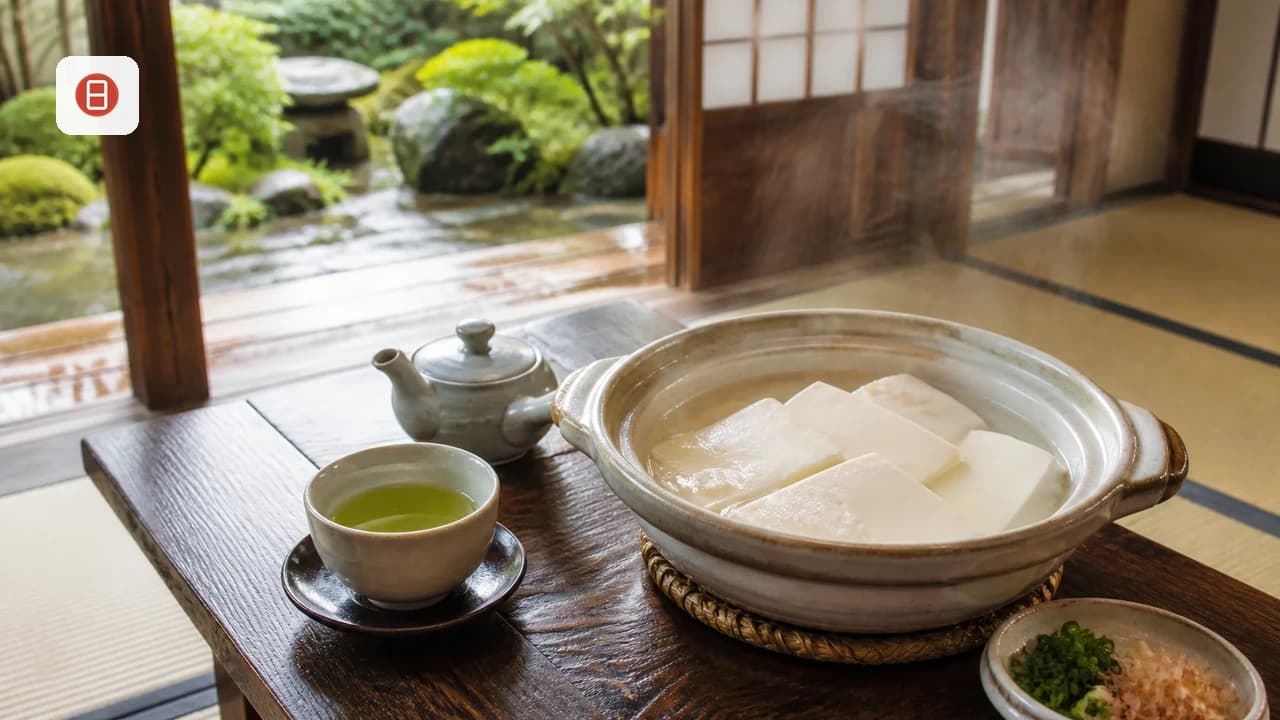
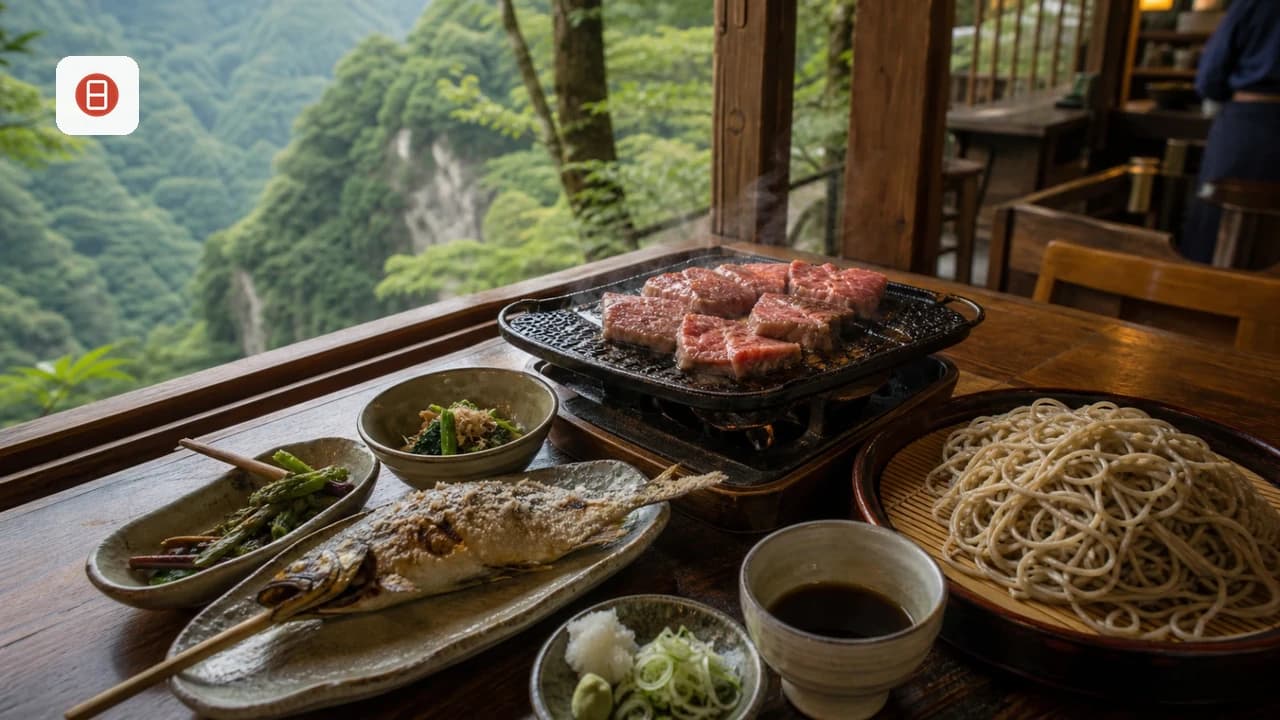
Onsen yudofu means tofu simmered tableside in Ureshino's spring water, inside a ceramic pot. Alkaline minerals in the water react with proteins on the tofu's surface, so its edges dissolve into the broth and turn it cloudy white. Texture matters more than shape here, since the result is soft and spoonable rather than the firm cubes found elsewhere. Souan Yokocho, in the center of Ureshino Onsen town, is widely cited as the dish's birthplace and makes its own tofu in-house. It also runs a self-serve green tea machine and offers an okara croquette worth ordering as a side. Small seating counts mean queues build quickly around opening time, so arrive about 15 minutes early. A ryokan breakfast works as a reliable fallback, since onsen yudofu is a standard dish on the morning spread at many inns.
The same spring water that emerges at 85 to 95°C (185 to 203°F) must be cooled for safe bathing, yet remains hot enough tableside for simmering Ureshino's signature onsen yudofu.
- Souan Yokocho's sets and prices can change; check the restaurant's current menu before visiting
- Typical condiments: grated ginger, thin green onion, and a sweet soy-based sauce
- Yudofu prices vary by restaurant, portion, and course size
Ureshino Tea: 500 Years of Tamaryokucha and Gyokuro
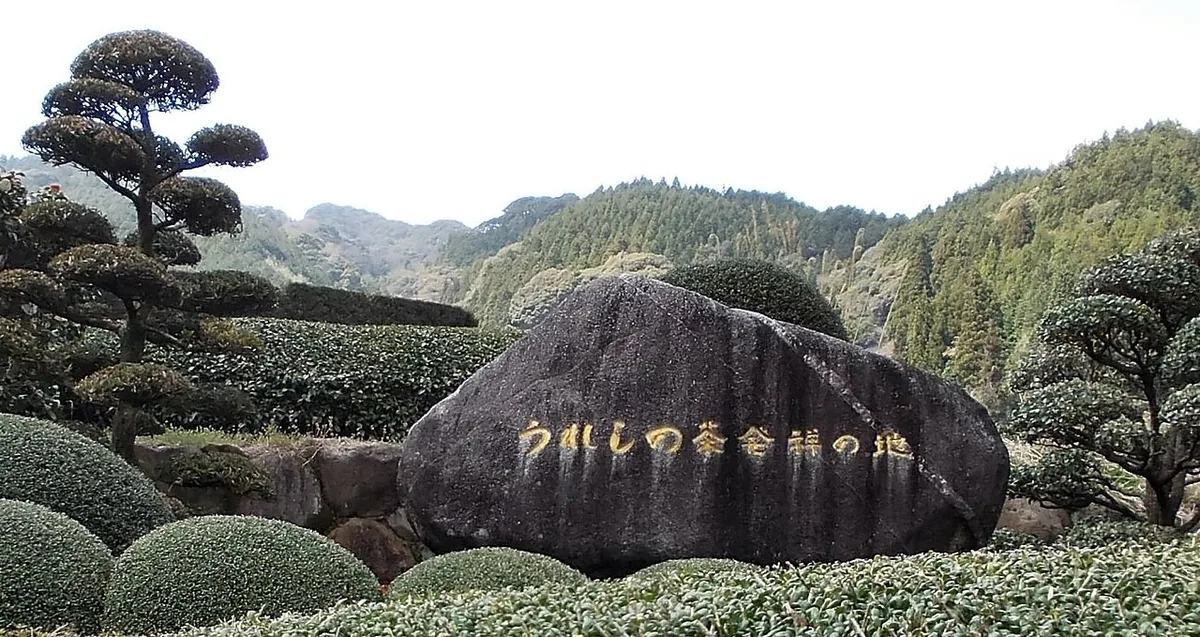
Producers here have grown tea for roughly 500 years, and the signature style is Tamaryokucha, a gyokuro-style tea rolled into a curled, comma-like leaf rather than a straight needle. Two versions dominate: steamed tea, prized for a refreshing aroma and rich umami, and pan-fired tea, known for a fragrant, clean finish. Ureshino tea regularly ranks well in Japan's National Tea Competition. At the Ureshino Tea Exchange Hall, known locally as Chaoshiru, the current tea-brewing experience takes about 30 minutes and costs ¥1,000. Factory tours are a separate program for prebooked weekday groups of 8–20, are unavailable from April through June, and do not accept individual walk-ins. The pan-roasting experience is currently suspended. Nearby tea shops sell leaves in a range of grades and prices, while some also offer green tea gelato. Tea tourism has grown around town since roughly 2017, with programs for tasting tea seated among the fields alongside local farmers. For a bath that combines both specialties directly, Warakuen ryokan runs an open-air tub infused with Ureshino tea instead of plain spring water.
The Beauty Bath: Siebold-no-Yu and Toyotamahime Shrine
Bicarbonate and chloride define the spring, and its main draw is a silky, almost slippery feel on skin rather than any smell or color. Weakly alkaline minerals emulsify sebum and soften dead skin cells at the surface, per the Ureshino Onsen Tourism Association's own explanation. Siebold-no-Yu is the town's best-known public bath, an orange-roofed, Taisho-era-style wooden building at the center of the hot spring district. It opened in 2010 and takes its name from the German doctor Siebold, said to have visited during the Edo period. Current admission is ¥450 for adults and ¥220 for children. It opens 6:00–22:00, with last entry at 21:30, and closes on the third Wednesday of the month. Baths are separated by gender, as at most Japanese onsen facilities, and the complex includes a large communal pool plus private rooms. Confirm the current tattoo policy directly rather than assuming a private room changes the facility's rules. A short walk away, Toyotamahime Shrine honors a deity linked to beauty, with a white catfish said to be her messenger; visitors come specifically to pray for clear skin. Source water emerges at 85 to 95°C (185 to 203°F), so each facility cools it before use — limit long soaks and moisturize afterward.
Getting to Ureshino: Shinkansen, Bus, and Taxi
Ureshino-Onsen Station opened on September 23, 2022, on the Nishi Kyushu Shinkansen, the first rail service to reach Ureshino City in about 90 years. From Hakata, the standard route runs the Relay Kamome limited express to Takeo-Onsen Station, then a same-platform transfer onto the Kamome Shinkansen, for a total trip of about one hour. Nagasaki connects faster: the shinkansen ride runs roughly 25 minutes direct. An express bus also links Fukuoka Airport to the Ureshino Bus Center in around 90 minutes. Driving is another option, and many visitors combine Ureshino with Takeo Onsen or wider Saga sightseeing by car. The station itself sits roughly 1 to 2 kilometers (about 0.6 to 1.2 miles) from the hot spring town center, and that is not a walkable distance with luggage. Use the local bus or a taxi into town instead of walking it. Once inside the hot spring district, Siebold-no-Yu, the tofu restaurants, and Toyotamahime Shrine sit close enough together to cover on foot.
A One-Day Itinerary: Tofu, Tea, and a Soak
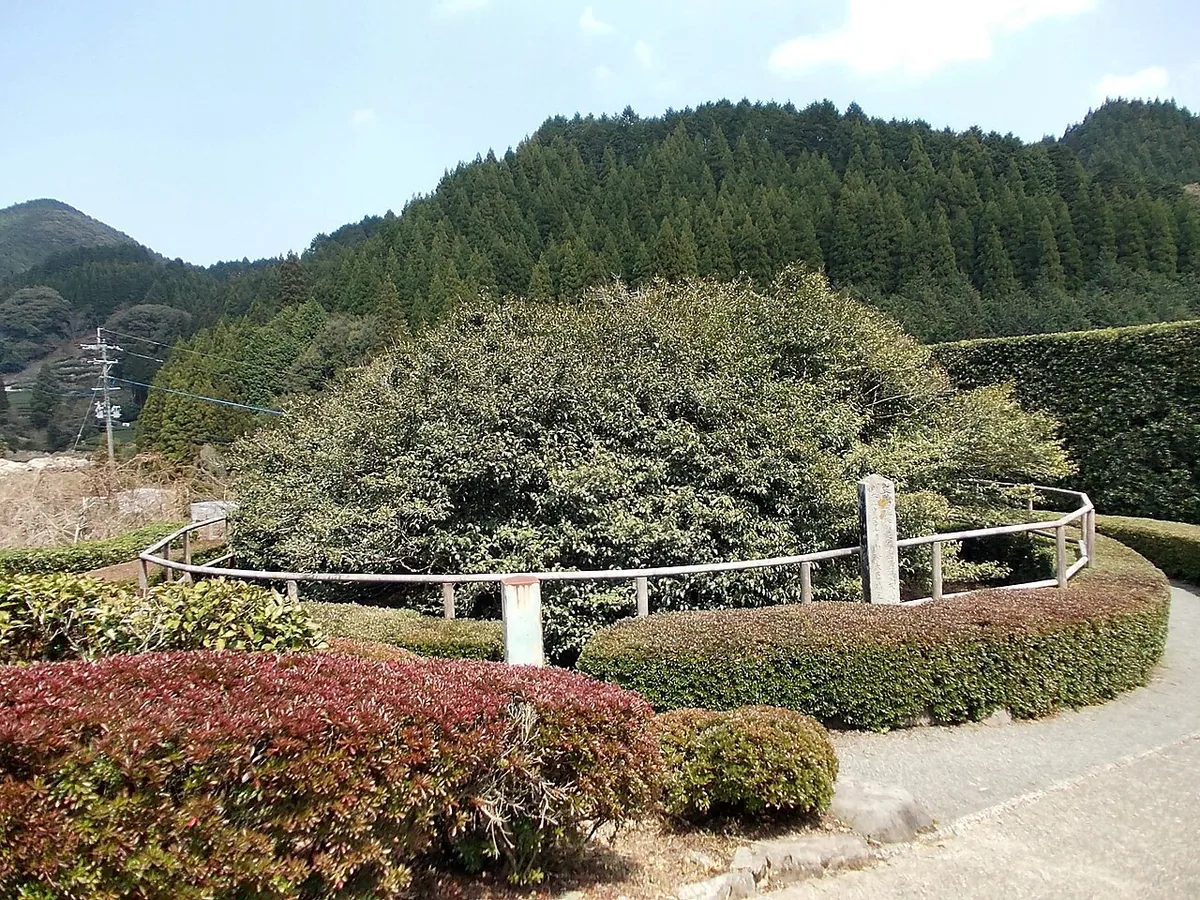
A single day covers Ureshino's core experiences if you start early and use the bus from the station. This order keeps the queue-heavy tofu restaurant first and ends near the shrine before an evening train. Visiting in mid-to-late March adds one more stop worth the detour: the Hundred-Year Cherry Tree of Nando-ryo, which blooms alone amid the surrounding tea fields.
- Morning: bus or taxi from Ureshino-Onsen Station into the hot spring town center
- Late morning: onsen yudofu at Souan Yokocho, arriving about 15 minutes before opening
- Early afternoon: a prebooked tea-brewing experience at the Ureshino Tea Exchange Hall (Chaoshiru); factory tours have separate group-only requirements
- Mid-afternoon: a soak at Siebold-no-Yu or a ryokan day-use bath
- Late afternoon: a beauty prayer at Toyotamahime Shrine, then the footbath at Yuyu Plaza
- Evening: an overnight ryokan stay with a tea-infused bath and yudofu breakfast, or the shinkansen back to Hakata or Nagasaki
Ureshino vs Takeo Onsen at a Glance
Ureshino often gets paired with Takeo Onsen, a short trip away and reachable directly from Hakata without the transfer required for Ureshino. Takeo's own baths date back roughly 1,300 years, with a historic Tower Gate marking the entrance to the bathhouse district. Trip planners usually pick one town as a base and treat the other as a half-day add-on. Both towns sit near Mifuneyama Rakuen's gardens, worth adding to either overnight plan.
| Aspect | Ureshino Onsen | Takeo Onsen |
|---|---|---|
| Water feel | Sodium bicarbonate/chloride spring; silky, slippery texture | Historic spring water; some baths run notably hot, one recorded at 46°C (115°F) |
| Signature food | Onsen yudofu and Tamaryokucha tea | Traditional inn dining, without a signature hot-spring dish |
| Main draw | Souan Yokocho tofu, Chaoshiru tea hall, Siebold-no-Yu bath | Hiryugama Kiln pottery and the 3,000-year-old camphor tree at Takeo Shrine |
| Access from Hakata | About one hour, via a same-platform transfer at Takeo-Onsen Station | Direct limited express, no transfer required |
Budget: Low vs High-Spend Days
Ureshino works on almost any budget, since a bath, a tofu lunch, and a tea stop all have low-cost versions. High-spend days add an overnight ryokan, a premium tea purchase, and a specialty side trip. Sake Brewery Avenue, officially Hizen Hamashuku Sakagura Dori, is a short detour lined with working sake breweries and soy sauce shops; pair a stop there with Saga's sake breweries before dinner. Along the same street, a roadside vendor grills eel to order, a detour some travelers rate above the sit-down restaurants nearby.
| Category | Lean-budget choice | Higher-spend choice |
|---|---|---|
| Tofu lunch | Check the current Souan Yokocho menu | Multi-course yudofu meal; price varies |
| Tea | Chaoshiru tea-brewing experience, ¥1,000 | Premium tea purchase or a separately booked group experience |
| Bathing | Siebold-no-Yu public bath, ¥450 for adults | Ryokan stay with a private tea-infused bath at Warakuen |
| Side trip | Free footbath at Yuyu Plaza | Roadside grilled eel near Sake Brewery Avenue, about ¥3,500 per eel |
Mistakes to Avoid in Ureshino
A few small planning mistakes account for most disappointing Ureshino trips, and all of them are avoidable with a little scheduling. Ureshino also works well as one stop on a longer Saga food route. Pair the tofu and tea with Saga's wagyu beef inland. Add a coastal detour for Yobuko's live squid. Round out the trip with Ariake Sea seafood and nori near the coast.
- Don't walk from Ureshino-Onsen Station with luggage; the town center sits 1 to 2 kilometers (about 0.6 to 1.2 miles) away, so take the bus or a taxi
- Arrive at Souan Yokocho about 15 minutes before opening, since it seats only a small number of tables
- Check tattoo policy before booking a public bath; Siebold-no-Yu offers private rooms, and several ryokan rent private baths too
- Store any tea purchase in the freezer, and let it reach room temperature before opening the bag
How This Guide Was Verified
Food availability, access details, seasonal rules, and the time-sensitive claims in this guide were checked on August 22, 2026 against the official sources below. Independent restaurant menus, prices, opening days, and sell-outs can change, so confirm the operator's same-day notice before making a special trip.
Frequently Asked Questions
What exactly is onsen yudofu?
It's tofu simmered tableside in Ureshino's alkaline hot spring water, served in a ceramic pot, until the edges dissolve and the broth turns cloudy white. Bicarbonate minerals in the water react with the tofu's surface, producing a softer texture than standard yudofu.
Is Ureshino tea the same as gyokuro?
Ureshino's Tamaryokucha is a gyokuro-style tea, but the leaves are rolled into a curled, comma-like shape rather than gyokuro's straight needle form. Producers make both steamed and pan-fired versions, and the region regularly ranks well in Japan's National Tea Competition.
How do you get from Fukuoka to Ureshino?
From Hakata Station, take the Relay Kamome limited express to Takeo-Onsen Station, then transfer on the same platform to the Kamome Shinkansen bound for Ureshino-Onsen Station; the trip runs about one hour. An express bus also runs from Fukuoka Airport to the Ureshino Bus Center in around 90 minutes.
Can you visit Ureshino as a day trip?
Yes. Nagasaki sits about 25 minutes away by shinkansen, and Hakata is roughly one hour away. Fitting in a tofu lunch, a tea stop, and a bath within one day is realistic, though an overnight ryokan stay adds a tea-infused bath and a yudofu breakfast.
Are Ureshino's baths tattoo-friendly?
Many public baths in town still restrict visible tattoos, following the norm at most Japanese onsen. Siebold-no-Yu offers private baths as a workaround, and several ryokan rent private bath time too; confirm policy when booking.
Should you eat tofu or tour tea first?
Eat first if a queue at Souan Yokocho is a concern. Chaoshiru's tea-brewing experience can follow lunch when reserved, but its factory tour is a separate weekday program for prebooked groups of 8–20 and is unavailable from April through June.
Free guide: Japan's Hidden Gems
12 under-the-radar places beyond Tokyo & Kyoto — with the best season to visit each and a local tip you won't find in the guidebooks.
You might also like


Continue reading
More guides you'll find useful