Saga Beef Restaurants: Where to Eat A5 Wagyu in Saga City
Find the best Saga beef restaurants, from Kira Saga's teppanyaki counter to casual yakiniku, with 2026 hours, prices, and booking tips for Saga City.
On this page
Last updated August 2026, this guide covers Saga beef restaurants for travelers in Kyushu's Saga Prefecture. JA Saga grades the beef strictly, and eating it here costs less than ordering the same cut in Tokyo or Osaka. These sections cover formats, flagship names like Kira Saga, realistic budgets, and the booking rules that trip up first-time visitors.
What Makes Saga Beef Restaurants Worth Seeking Out
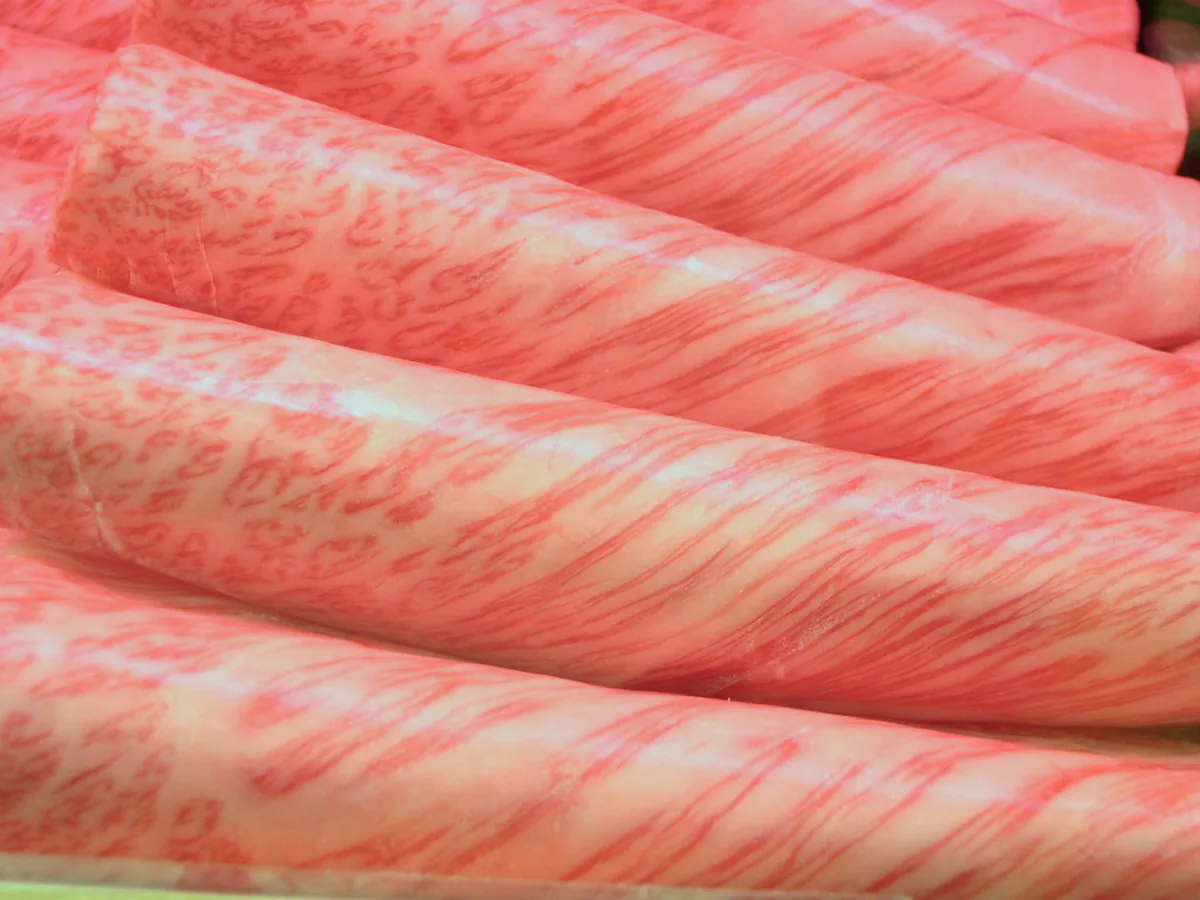
JA Saga restricts the Saga Beef label to cattle graded A4 or A5, with a Beef Marbling Standard of 7 or higher. Cattle below that threshold are sold as Saga-wa-gyu, a broader regional term rather than the certified top tier. The distinction matters at the table: look for a menu note or signage referencing the A4/A5 grade and BMS score directly, rather than a generic 'Saga beef' label with no grading detail attached. That reference is the practical certification cue for confirming you're ordering the certified tier, not the wider regional category. Marbling, called shimofuri in Japanese, is what gives the beef its soft texture and rich flavor at the table. Kira Saga's own description calls the result melt-in-the-mouth and tender, a claim tied directly to that marbling standard. Eating it in Saga Prefecture also tends to cost less than the same grade in Tokyo or Osaka. Shorter farm-to-kitchen distances here also help keep costs down. Kyushu as a whole has drawn growing international attention for the quality of its local meat, seafood, and produce, and Saga beef sits among the region's signature draws within that scene. International travelers researching Saga beef restaurants are usually comparing formal teppanyaki against more casual formats, and that certification cue is the fastest way to confirm the grade in either setting. For a wider view of the prefecture's food scene beyond beef, the Saga food guide covers seafood, tea, and sake in the same region.
Teppanyaki vs Yakiniku vs Shabu-Shabu: Choosing Your Format
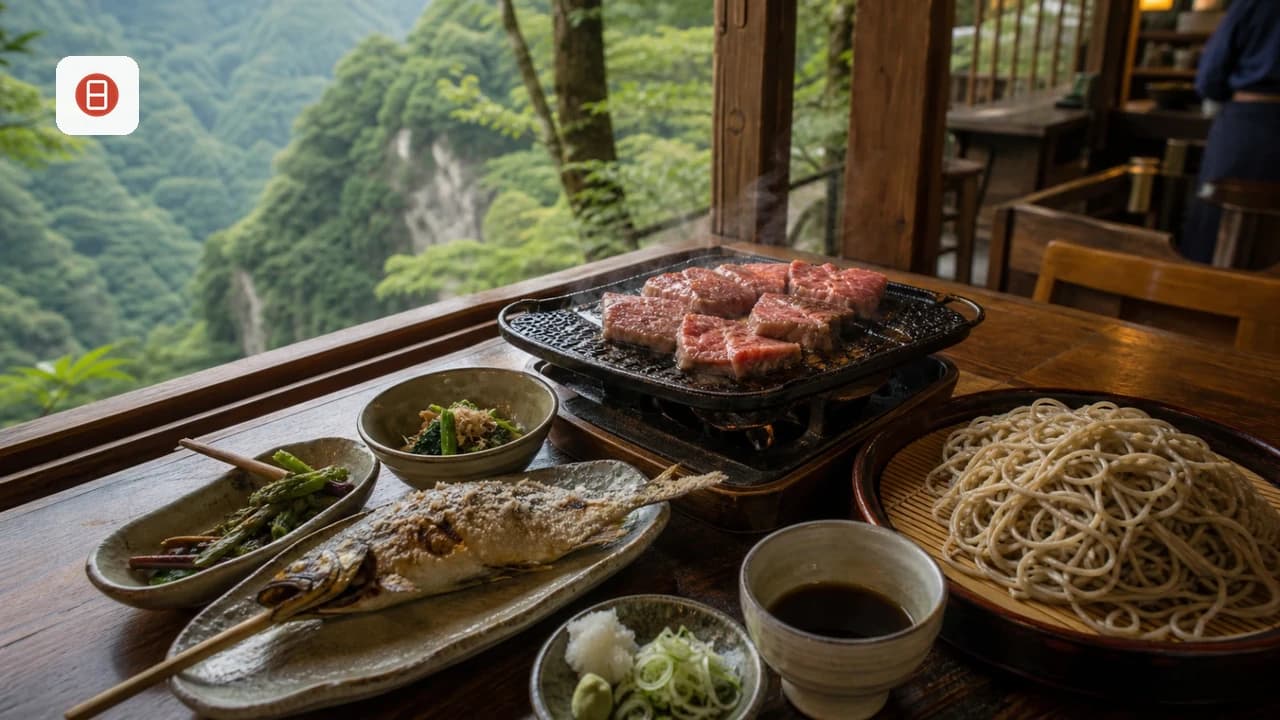
Saga beef restaurants split broadly into four formats, and picking the right one shapes both your budget and your evening. Teppanyaki suits a slower, special-occasion dinner, while yakiniku works better for groups who want to control their own pace. Shabu-shabu and casual steak or hamburger formats fill the middle ground, useful when you want the beef without committing to a full production. Booking difficulty tracks roughly with formality, so a teppanyaki counter needs more advance planning than a walk-in-friendly yakiniku table.
| Format | Best For | Typical Price | Booking Difficulty | Kid-Friendly |
|---|---|---|---|---|
| Teppanyaki | Couples, special occasions | ¥15,000+ dinner course | High – reserve ahead, especially weekends | Limited – Kira seats only ages 10+ at the counter |
| Yakiniku | Groups, families | Below a teppanyaki dinner course | Moderate | Yes |
| Steak or hamburger | Solo diners, quick lunch | Around ¥5,000 for a lunch set | Low | Yes |
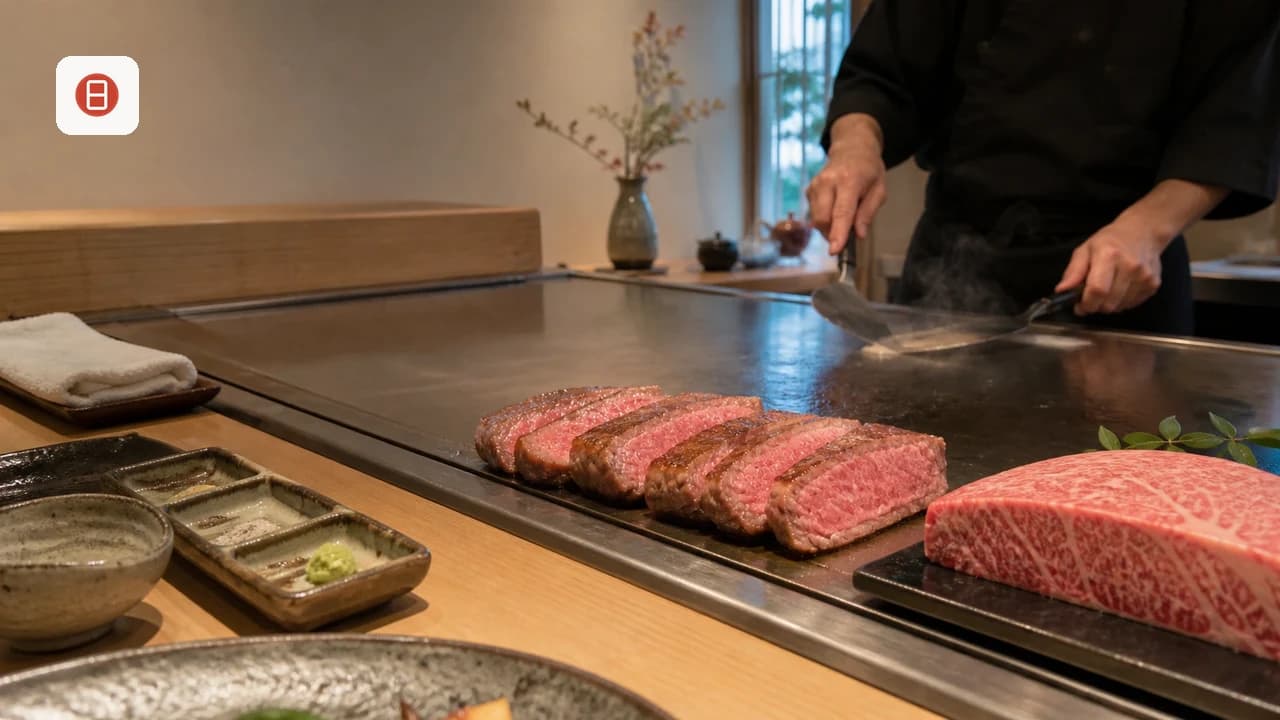
- Teppanyaki: a chef sears the beef to order at a hot iron griddle in front of you.
- Yakiniku: raw slices arrive at the table and you grill them yourself.
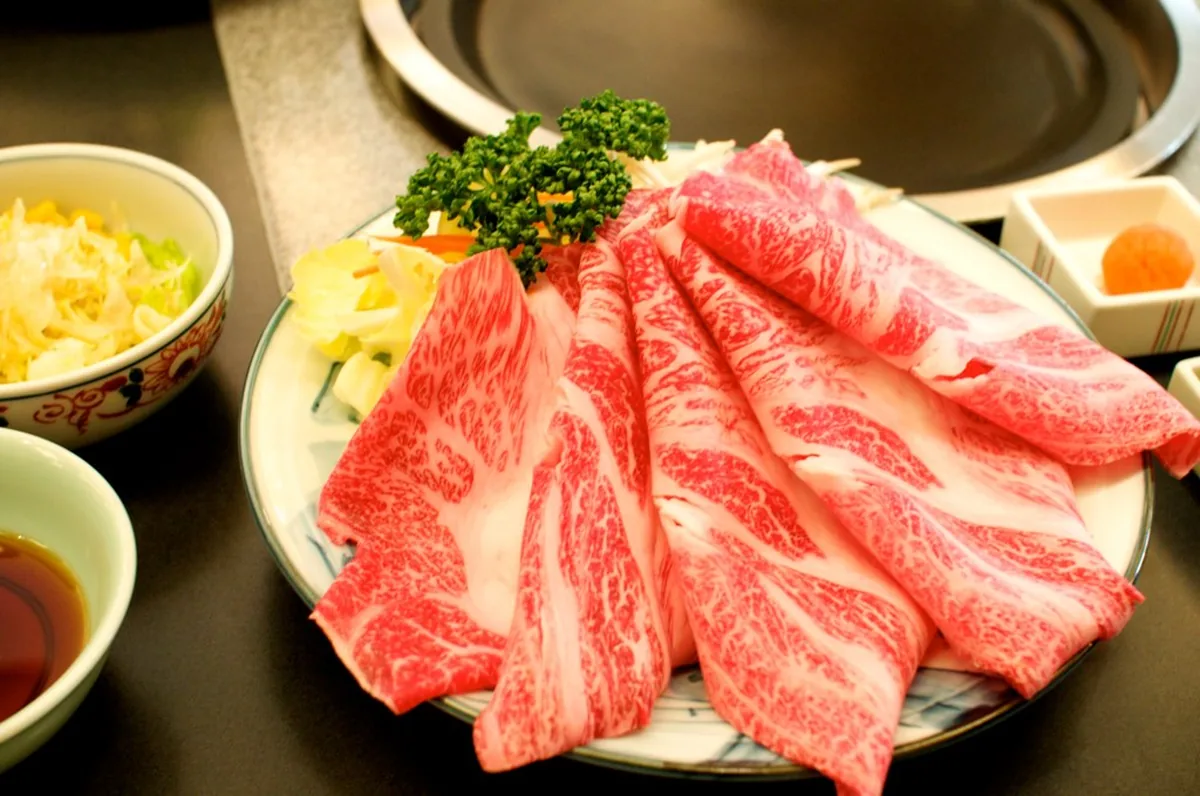
- Shabu-shabu: thin slices cook in seconds in a simmering broth, then dip into sauce.
- Steak counters and hamburger spots: fast, casual formats for a quick meal.
What's on the Menu: From Cuts to Courses
Saga beef restaurants build their menus around how the meat is served, not just which cut you order. Teppanyaki dinner courses typically layer several dishes around the beef course, moving through starters before the main cut reaches the griddle. Yakiniku menus instead price by cut and portion, so you build the meal yourself as you order rounds to the table. Shabu-shabu sets pair thin-sliced beef with a broth and dipping sauces, a lighter option than a heavy teppanyaki course. Casual formats push the range further: Saga beef also turns up as steak sets and as beef hamburgers, both aimed at travelers who want the certified beef without a formal sit-down meal. Across all of these formats, restaurants that print the A4/A5 grade and BMS score on the menu are signaling the same certification cue covered above, so it's worth checking the printed menu even inside a casual format.
Kira Saga and Other Names Worth Knowing
Kira Saga is the flagship name to know. Its honten sits at 3-9-16 Otakara in Saga City, with on-site parking for up to 70 cars. Lunch runs from 11:00 to 15:00, with last order at 14:00, and dinner runs from 17:00 to 22:00, with last order at 21:00. It closes on the second Wednesday of the month, though the restaurant notes holidays can shift, so confirm before you drive out. Kira also operates branches in Tosu and Hakata, plus a Ginza location in Tokyo, alongside a sister restaurant called Yorankan. Yorankan operates as a separate brand name within the same group, giving travelers a second address to check if the honten is fully booked. Reservations run through a local line, 0952-28-4132, or a toll-free number, 0120-297-132, and the restaurant's listing also links out to Google Maps for exact directions. Notify the restaurant of any food allergy when you book, since Kira asks for advance notice to accommodate it. Its teppanyaki corner is limited to guests age 10 and older, so families traveling with younger children may prefer a yakiniku format instead. Local izakayas serve Saga beef in a more relaxed, lower-key setting for travelers who'd rather skip the formal counter. Many diners pair the meal with a regional pour; the Saga Sake Breweries and Tasting Guide: Tours, Costs, and Routes for 2026 breaks down which local breweries suit a beef-heavy dinner.
Teppanyaki restricts diners to age 10 and older, but yakiniku or lunch steak formats welcome younger children and cost far less—¥5,000 versus ¥15,000 or more—while preserving access to certified Saga beef.
Budgeting a Saga Beef Meal: Lunch Sets vs Dinner Course
A teppanyaki dinner course at a flagship restaurant like Kira Saga typically starts around ¥15,000. That price reflects the full multi-course structure a dinner service is built around. Dinner courses can run higher than ¥15,000 depending on the cut and number of courses, so treat that figure as a starting point, not a ceiling. Lunch sets offer the same quality of beef for closer to ¥5,000, trimmed down from the full dinner course. That gap makes lunch the more practical way to try A5-grade Saga beef without committing to a splurge-level dinner bill.
Teppanyaki's premium pricing—¥15,000 or more—correlates with stricter booking requirements and lower walk-in odds, making yakiniku and lunch steak far more practical for flexible travelers.
- Book the lunch teppanyaki or steak set instead of dinner: it commonly runs near ¥5,000 against ¥15,000+ for a full dinner course.
- Arrive at opening, 11:00, on a weekday to improve your odds without a reservation.
- Ask for the set menu rather than à la carte cuts, since sets are built around the lunch price point.
- Skip à la carte add-ons at lunch if you're watching the budget; the set price already includes the certified cut.
- Expect menu items to shift with the season, so confirm the current lunch set before you go.
Logistics: Hours, Reservations, and the Weekend Warning
Reservations make the biggest difference to whether you eat well or wait. Kira Saga's own booking notice warns that walk-ins may be turned away during the lunch rush, particularly on weekends and public holidays. Some travelers book online through the restaurant's own reservation channel, while others rely on a hotel concierge to place the call in Japanese. A same-day walk-in on a weekend remains the riskiest of the three options. Confirm any dietary restriction at the time of booking rather than after you've been seated, since kitchens plan courses in advance.
- Parking: up to 70 cars at the Kira Saga honten in Otakara.
- Lunch hours: 11:00 to 15:00, last order 14:00.
- Dinner hours: 17:00 to 22:00, last order 21:00.
- Closed: the second Wednesday, though holiday exceptions apply.
- Allergies: flag them when you book, not at the table.
- Children: teppanyaki seating starts at age 10.
Where to Base Yourself: Saga City, Tosu, and the Coast
Saga City is the practical hub for a Saga beef restaurants trip. Its flagship Kira honten and the largest concentration of dining options both sit there. Tosu is the other confirmed base, where Kira runs a dedicated branch for travelers who don't want to route back into the city center. Both bases sit within the same beef-focused trip, so the choice mostly comes down to where the rest of your Saga itinerary is anchored. Pair a beef dinner with a walk through Saga City's attractions beforehand, so you arrive hungry rather than rushed. For broader Kyushu routing and seasonal travel conditions, Japan's national tourism portal is a useful planning reference alongside this guide.
Mistakes to Avoid and How to Round Out the Meal
The most common mistake is showing up without a reservation on a weekend or public holiday. That's exactly when Kira Saga's own notice warns you're most likely to be turned away. A second mistake is skipping the allergy notice at booking time, since kitchens need the lead time to adjust a set course. Menu items also change seasonally, so a specific cut or side you saw online might not be on offer that week. Treat a confirmed reservation as a commitment, since a late cancellation on a busy night takes a seat away from another traveler. Don't overlook the side dishes either: Saga's rice and nori round out a set menu instead of sitting there as filler. Local nori from the Ariake Sea often appears alongside beef courses, adding a savory contrast to the richness of the meat. The Ariake Sea nori guide covers where to try it as its own dish.

Beyond the Beef: Rounding Out a Saga Food Trip
A Saga beef dinner works well as one course in a longer Kyushu gourmet travel itinerary rather than a single stop. On the northern coast, the Yobuko squid experience centers on live squid served as sashimi, a contrast to the richness of a teppanyaki course. Many travelers follow a heavy beef dinner with a lighter stop in Ureshino for tea and onsen tofu, where the tofu simmers in mineral-rich onsen water. Together, a beef dinner in Saga City, a squid lunch on the coast, and a tea stop in Ureshino form a compact three-stop food route across the prefecture. Spacing these three experiences across two or three days keeps each one distinct instead of crowding them into a single meal-heavy day.
How This Guide Was Verified
Food availability, access details, seasonal rules, and the time-sensitive claims in this guide were checked on August 22, 2026 against the official sources below. Independent restaurant menus, prices, opening days, and sell-outs can change, so confirm the operator's same-day notice before making a special trip.
Frequently Asked Questions
What is the difference between Saga Beef and Saga-wa-gyu?
Saga Beef is the certified top tier, graded A4 or A5 with a Beef Marbling Standard of 7 or higher under JA Saga's standards. Saga-wa-gyu is the broader regional label for cattle that don't reach that grade, a step below the certified name. Menu signage that cites the A4/A5 grade and BMS score is your cue that you're getting the certified tier. That signage is the quickest way to tell the two tiers apart without asking staff directly.
Do you need a reservation at Kira Saga?
A reservation is strongly recommended, especially on weekends and public holidays, but it is not stated as universally mandatory. Booking ahead reduces the risk of being turned away and lets the kitchen plan around allergies disclosed in advance.
How much does a meal at a Saga beef restaurant cost?
A teppanyaki lunch set commonly runs near ¥5,000, while a full dinner course at a flagship restaurant like Kira Saga starts around ¥15,000. Yakiniku and casual steak or hamburger formats generally price below the teppanyaki dinner course. Choosing lunch over dinner is the simplest way to control the bill. Add drinks or extra sides and either total climbs from there.
Can children eat at Saga beef teppanyaki restaurants?
At Kira Saga, only guests age 10 and older are seated at the teppanyaki counter. Families traveling with younger children usually have an easier time at a yakiniku restaurant, where table seating isn't restricted the same way. Confirm the age policy directly with the restaurant if you're planning a family visit, since it can vary by branch.
Where should you base yourself to eat Saga beef?
Saga City is the most practical base, since it holds the Kira Saga flagship and the largest concentration of dining options. Tosu works as an alternative if you're routing through that area and don't want to backtrack. Either base keeps a flagship-level Saga beef restaurant within easy reach.
Does the menu at Saga beef restaurants change with the seasons?
Yes, Kira Saga notes that menu items may vary seasonally, so specific cuts or sides can shift throughout the year. Confirm current offerings when you book rather than assuming a dish you saw online is still on the menu. That's also why a printed or posted menu note matters more than a name you might recall from a previous trip.
Free guide: Japan's Hidden Gems
12 under-the-radar places beyond Tokyo & Kyoto — with the best season to visit each and a local tip you won't find in the guidebooks.
You might also like


Continue reading
More guides you'll find useful