

Fukubukuro in Japan: How to Buy New Year Lucky Bags
Learn what fukubukuro are, where to look for New Year lucky bags in Japan, and how to choose between a walk-in sale, preorder, or lottery.
On this page
Last updated November 2026. In Japan, fukubukuro (福袋), or lucky bags, are New Year retail bundles sold for a set price. Depending on the offer, the contents may be a surprise, partly disclosed, or listed in full, so choose a bag you’d be happy to use.
What are fukubukuro?
Fuku means good fortune, and fukuro means bag. Buying a lucky bag is part of Japan’s New Year shopping season, though accounts differ on who started the custom. Look at what the shop actually promises before deciding how much of a surprise you want. Sample photos, for instance, can show the kind of item inside without telling you which version you’ll get. Read the wording beside the photo before counting anything in it as part of the purchase.
When and where to buy lucky bags in Japan
There’s no single New Year sale date across Japan, so start with the holiday notice for the exact branch you plan to visit. Use the retailer’s own sale notice for the bag’s launch time, which can differ from when the building opens.
Walk in, preorder, or enter a lottery?
Sale methods and deadlines depend on the offer, so use the retailer’s current campaign page to see which applies. Pick the option that fits your trip even if you don’t get your first choice.
| Sale method | Time commitment | How certain is it? | What to look for |
|---|---|---|---|
| Walk-in | Go to the branch at the posted sale time and leave room for a queue. | Stock can run out before you reach the counter. | Queue entrance, ticket rules, and a nearby fallback. |
| Preorder | Order within the sales window and set aside time for pickup or delivery. | An accepted order gives you more certainty than joining a queue. | Order deadline, pickup branch, and collection window. |
| Lottery, if offered | Enter by the deadline and make time to act on the result. | An entry doesn’t reserve a bag. | Result date, claim deadline, and payment instructions. |
How much do fukubukuro cost, and are they worth it?
For the current price in yen, use the specific bag’s listing on the retailer’s official New Year campaign page. Compare the total, including delivery, with what you’d pay to buy only the items you actually want.
Even if the bag costs less than buying the items separately, make 2 checks before paying. Can you use what’s inside and carry it home?
Fit lucky-bag shopping into a short New Year trip
Build your shopping stop around the branch’s posted sale or pickup window. For the rest of the holiday, use the guide to Japan’s New Year holiday to decide what else belongs on that day.
Before You Buy: Check What You Can Actually Use
A lucky bag can be good value only when its contents suit your trip. Before paying, make 2 checks: whether you can use the items and whether you can carry them home. Clothing bags may contain a fixed size. Food bundles need suitable storage. Voucher bundles may have expiry dates or redemption limits.
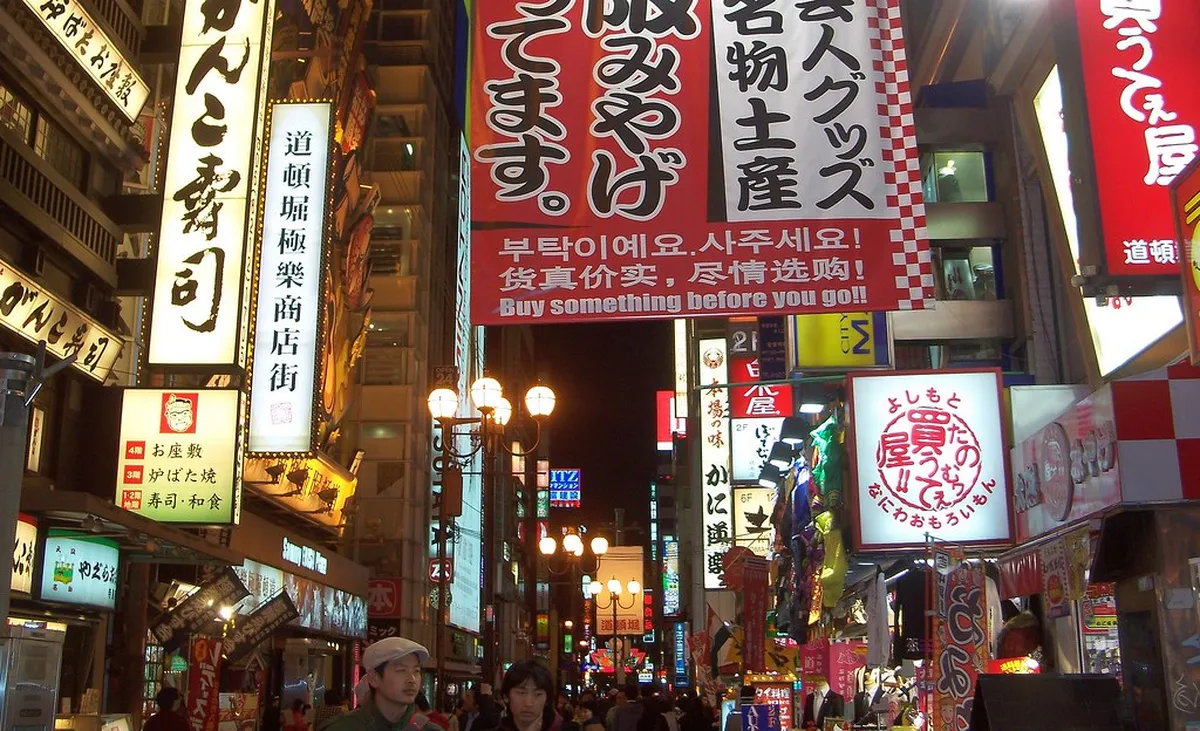
At department stores such as Isetan or Takashimaya, read the specific offer page rather than relying on display photos. Some bags list every item. Others show sample images or only name the product category. Confirm whether delivery costs apply and check the return terms before you complete payment.
For a short visit, choose 1 bag from a branch already on your itinerary. Avoid tying up your final morning with a pickup window that falls after departure. If a voucher is included, check where it can be redeemed and whether the branch is convenient for the rest of your plans.
For trip-planning details, see Japan National Tourism Organization (JNTO).
For related deep-dives, see our Joya no Kane: Japan’s 108 New Year’s Eve Bell Strikes and Toshikoshi Soba: Meaning, Timing & How to Try It guides.
Pair Lucky-Bag Shopping With New Year Traditions
Fukubukuro shopping belongs to the New Year season, while many well-known customs take place on New Year’s Eve. Joya no Kane involves 108 bell strikes at temples, so treat it as a separate outing from a department-store sale or pickup. Toshikoshi soba is another New Year’s Eve tradition that can fit more easily around an evening plan.
Keep the shopping stop simple if your itinerary includes either custom. Choose 1 bag from a branch already near your planned route. Make 2 checks before paying: confirm that you can use the contents and that you can carry them home. This is especially important when a bag includes food, clothing, or vouchers.
Check the branch’s posted sale time and any pickup window before arranging your day. A bag sold through preorder may require collection at a particular branch. If that window conflicts with a temple visit or your departure, choose a walk-in option nearby or skip the purchase.
Free guide: Japan's Hidden Gems
12 under-the-radar places beyond Tokyo & Kyoto — with the best season to visit each and a local tip you won't find in the guidebooks.
You might also like


Continue reading
More guides you'll find useful


