

Hatsuhinode: Japan’s First Sunrise of the New Year
Learn what hatsuhinode means and how to watch Japan’s first sunrise of the year, with tips on viewpoints, holiday transport, and cloudy mornings.
On this page
Last updated November 2026 — hatsuhinode (初日の出) means the first sunrise of the year and is also the Japanese custom of watching it on New Year’s Day. Start with a view you can reach on foot from your accommodation. Save the longer trip for a spot with a clearer horizon and a reliable route before dawn.
What is hatsuhinode?
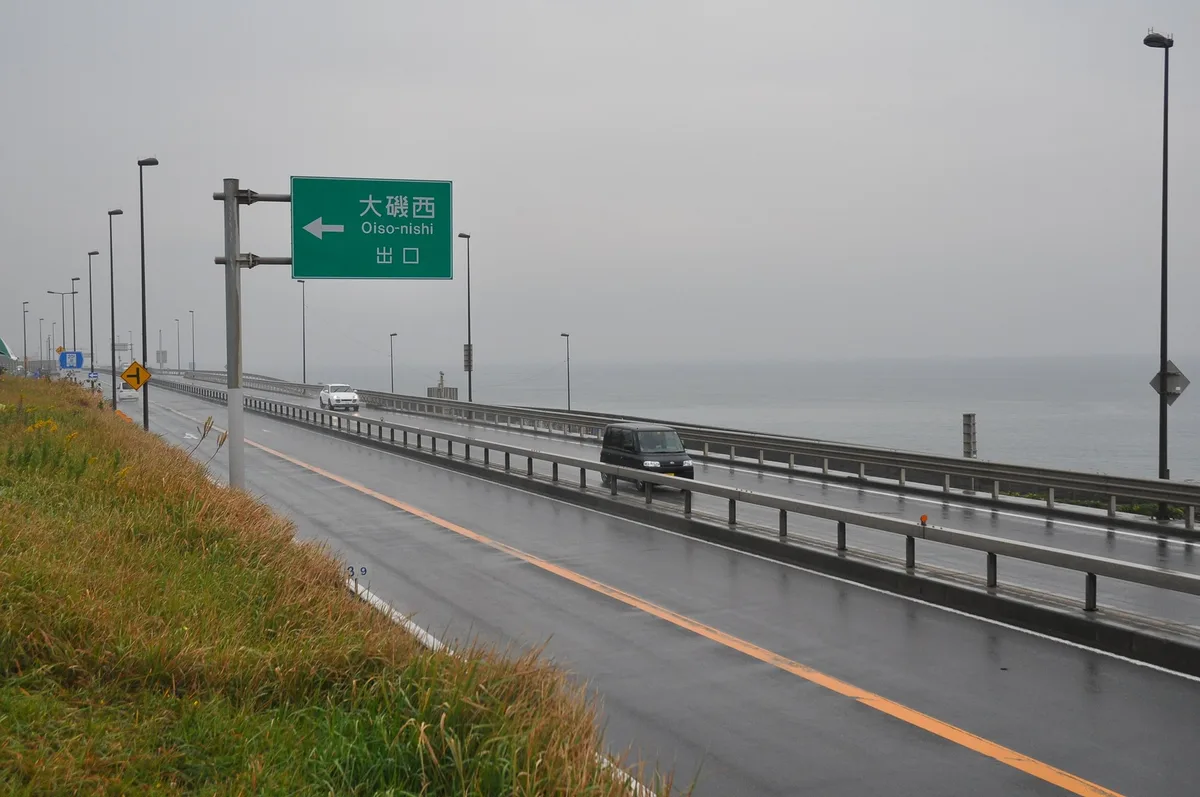
Japan’s national tourism board describes the year’s first sunrise as a symbol of good luck. You can mark the occasion simply by pausing to watch the sun come up. Treat the sunrise as its own outing or make it the opening to a day of Japanese New Year celebrations. Hatsumode, the first shrine or temple visit of the year, is a separate custom you can fit into your morning. Read about it alongside other ways to welcome the year.
Where should you watch Japan’s first sunrise?
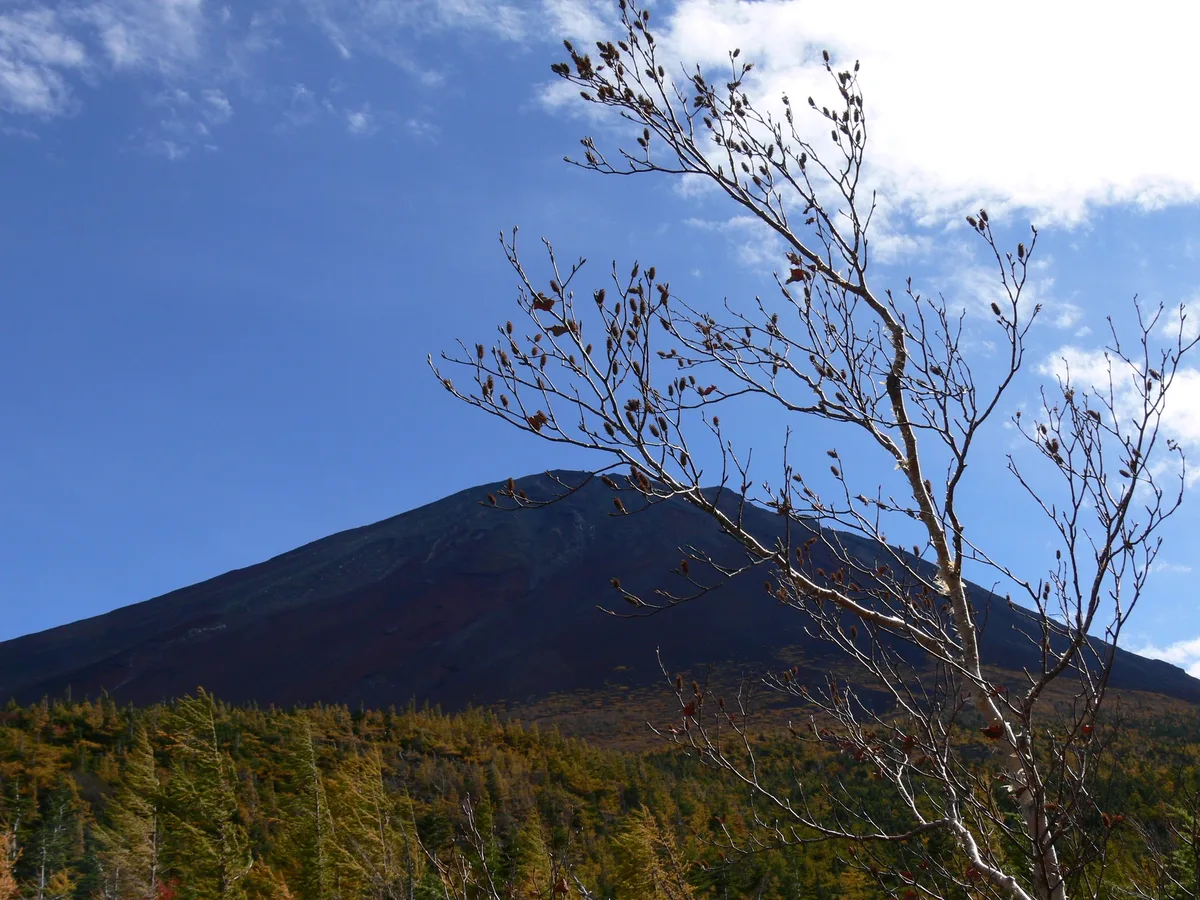
Pick the view from the spot where you’ll actually stand. An east-facing route doesn’t guarantee an open horizon if the path drops below a seawall or ends behind buildings.
| Viewpoint | Best if | What to look for toward the east | Getting there before dawn | What rules it out |
|---|---|---|---|---|
| Walkable public viewpoint | You want to leave from your accommodation without relying on holiday transit. | Open sky from a public path or viewing area. | Walk the approach in daylight and note where you can stop without blocking the path. | Buildings block the view, or the only good angle is behind a gate. |
| Beach | You’re staying near the coast and can get to a public viewing spot without walking at the water’s edge. | A clear view over the water rather than into a headland. | Find the public entrance and trace the path from there to your viewing spot. | Rough conditions, poor footing or an approach you can’t follow in the dark. |
| Elevated viewpoint | You want a wider view and have a practical way up and back. | An opening above nearby roofs or hills, not a deck that faces away from sunrise. | Allow for the ascent and use the venue’s holiday notice if there’s a gate or lift. | Access starts after sunrise, or the final climb is dark or icy. |
What time should you leave on New Year’s Day?
Use the National Astronomical Observatory of Japan’s sunrise data for January 1 at your chosen location. Work backward from that time to decide when to leave.
- Pick a target arrival time. Give yourself room to reach the viewing area and move if your first spot has a blocked view. If the skyline is uneven, a small change in where you stand may make more difference than arriving earlier.
- Trace the final walk. Count the time from the stop or parking area to the place you’ll stand. Arriving at the station before sunrise doesn’t mean you’ll make it to the viewpoint.
- Read the operator’s New Year timetable. Look for the first departure that gets you to the viewpoint by your target arrival time. For a connection, make sure both legs run early enough.
- Set a cutoff for changing plans. Switch to the walkable option if no holiday service gets you there on time. Use the same fallback if you miss the last departure that would work.
What should you check the night before?
Don’t assume regular hours apply before dawn on the holiday. For Tokyo, use the official city guide for event listings and the venue’s own holiday notice for entry.
- Read the notice for the exact entrance you plan to use. For a managed viewpoint, look for any reservation requirement or admission fee. If you’re driving, look up where you can park and when the lot opens.
- Walk the approach while it’s light if you can. Note unlit stretches and poor footing. Choose a route you’ll be comfortable taking in the dark and save it on your phone.
- Plan the trip back as well as the trip out. Look up a return departure and locate its stop before you leave. If you plan to walk back, choose a route that doesn’t depend on crossing a gated area.
- Decide where to wait if you arrive early. If your plan depends on a warm waiting area, find out when it opens. Otherwise, plan on being outside until dawn.
What if clouds hide the first sunrise?
Look up the Japan Meteorological Agency’s forecast for the viewpoint, not just your accommodation. Cloud can hide the sun even after the listed sunrise time.
- Decide what you want to see. If a brightening sky is enough, you don’t need a clear view of the sun itself. A spot near where you’re staying makes sense if a clearer view would take a long detour.
- Look at the wind forecast as well as cloud cover. Skip the exposed option if conditions make the approach uncomfortable. Take the walkable route you picked the night before or wait for daylight if neither route feels right.
- Dress for standing still if you do go. Wind may feel sharper at an exposed viewpoint than on the walk there. Use this guide to January travel to plan the rest of your winter trip.
For related deep-dives, see our Kadomatsu Meaning and Where to See It in Japan and Kagami Mochi in Japan: Meaning, Timing and Kagami Biraki guides.
Free guide: Japan's Hidden Gems
12 under-the-radar places beyond Tokyo & Kyoto — with the best season to visit each and a local tip you won't find in the guidebooks.
You might also like


Continue reading
More guides you'll find useful


