

Toshikoshi Soba: Meaning, Timing & How to Try It
Learn why Japan eats toshikoshi soba on New Year’s Eve, when to have it, and how to choose between a soba shop, takeaway, and instant noodles.
On this page
Last updated November 2026. Toshikoshi soba are Japan’s “year-crossing” noodles, traditionally eaten on New Year’s Eve. Their length represents a wish for a long life, while the way they break easily symbolizes leaving the old year’s hardships behind.
What Is Toshikoshi Soba?
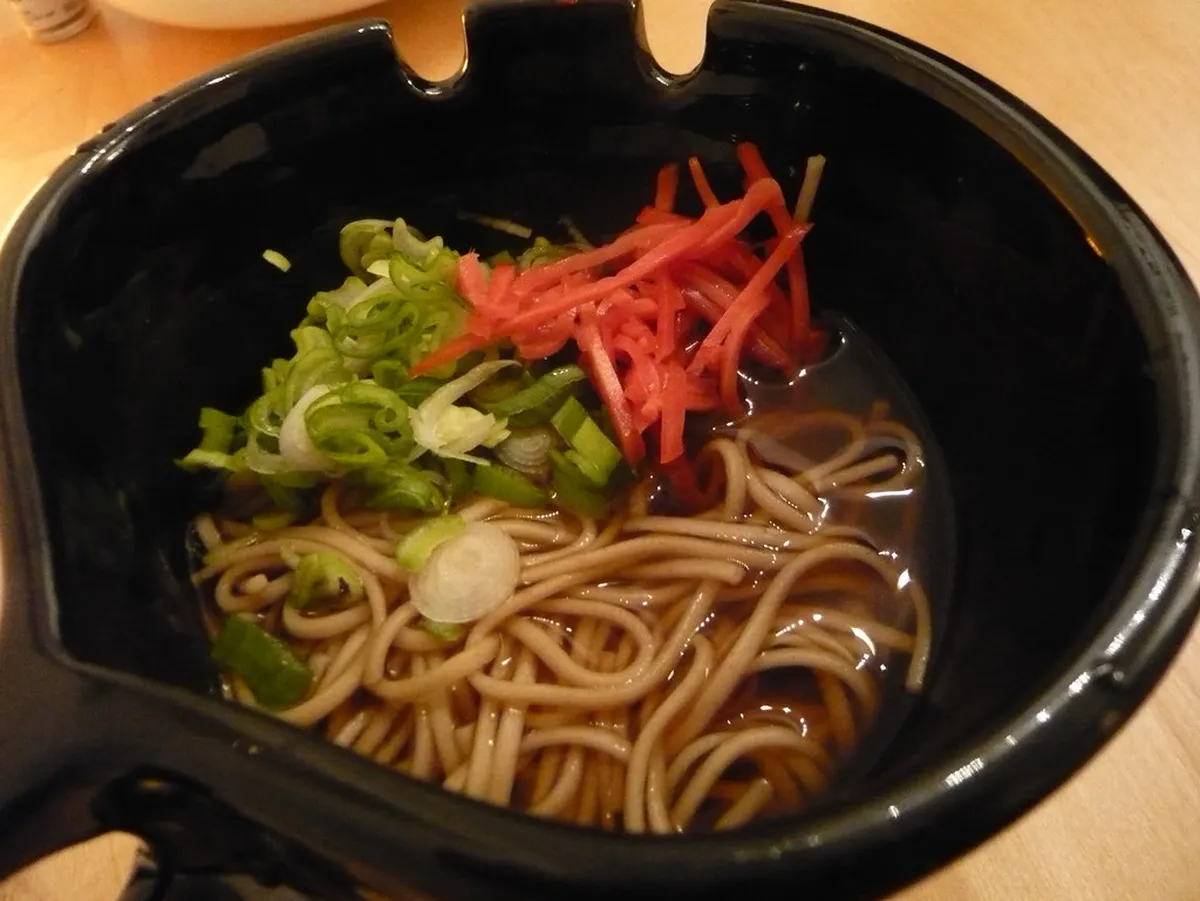
These Japanese New Year’s Eve noodles take their name from the occasion, not from a particular recipe. Soba is made with buckwheat flour, and a bowl served in warm broth is one way to join the custom. Green onions or nori can finish a simple bowl. Shrimp tempura is another option, not a requirement. If the menu doesn’t have a separate year-end listing, ask what soba the shop is serving that evening. An ordinary bowl of soba can mark the occasion without a special topping or a holiday label.
On December 31, a regular bowl of soba at lunch or early dinner lets you join the custom without waiting for midnight.
Why Do People Eat Soba on New Year’s Eve?
Long, thin strands carry a wish for longevity in Japan’s New Year food traditions. How easily the noodles break suggests something different: leaving the past year’s troubles behind. Those interpretations can sit side by side because one looks ahead and the other looks back. Neither tells you exactly how the custom began. You don’t need to eat the noodles in a particular way to take part. For a wider look at the holiday, see how the meal fits into Japanese year-end customs.
When Do You Eat Toshikoshi Soba?
Eat toshikoshi soba on December 31, known in Japan as Ōmisoka. Lunch or an early dinner lets you take part without waiting for midnight. If the bowl is your main plan for the evening, leave room for a walk-in queue. When the temple visit matters more, eat near your accommodation or somewhere already on your route. Pick up takeaway or a packaged option earlier if a late arrival makes a sit-down meal uncertain.
Treat dinner and New Year’s Eve bells as separate plans. Soba isn’t a requirement for attending the ceremony. Use the temple’s event notice for its schedule and any entry instructions. For the trip back, look up the last departure you can actually catch in the transit operator’s holiday timetable. Don’t assume a late ceremony means trains or buses will run later. Our guide to the evening can help you decide what to fit around dinner.
Where to Try Toshikoshi Soba in Japan
There’s no single holiday price or serving schedule for soba across Japan. Use the shop’s current menu and holiday notice for dine-in or takeaway prices, and the shelf label for packaged soba.
| Dine in at a soba shop | You want a bowl served hot and have room in your evening for a queue. | A walk-in wait can eat into your plans. Aim for the last-order time, not the posted closing time. | Use the holiday notice for last orders, walk-ins or reservations, and any limited menu. Compare prices on the menu actually being served that day. |
| Takeaway from a soba shop | You want to eat at your accommodation without spending the evening waiting for a table. | Pickup still has to fit the shop’s holiday hours. Ask whether the noodles come ready to eat or need reheating. | Ask if takeaway is offered that day and if you need to order ahead. Use the takeaway menu for the price, not the dine-in listing. |
| Convenience-store or instant soba | You’re arriving late or want a backup you can buy earlier. | Find a pack before heading out. For instant soba, make sure you’ll have hot water where you plan to eat. | Use the shelf label for the price and the package for preparation instructions. Don’t count on finding a seasonal pack late at night. |
How Toshikoshi Soba Varies Across Japan
Kyoto’s regional food traditions include nishin soba, served with herring. Look for the word nishin if that’s the topping you want. In Tokyo, tempura soba is a style documented on local soba menus going back to the Edo period. Read the menu description if you’re after shrimp rather than assuming the word tempura tells you what was fried. Herring soba and tempura soba are local menu examples, not fixed New Year’s Eve recipes. Choose the version you want to eat, then use the shop’s holiday menu to see if it’s being served. If neither is on offer, a bowl of soba in warm broth still fits the occasion.
Frequently Asked Questions
How to make traditional soba?
For a simple year-end bowl, cook the soba according to the package and serve it in warm broth. Finish with sliced green onions, or add nori if you have it.
Can celiacs eat buckwheat noodles?
Pure buckwheat is naturally gluten-free, but soba noodles can contain wheat flour. Read the package label or ask the shop about gluten in the noodles, broth, and toppings. Skip the bowl if you can’t establish that those ingredients and the preparation are safe from gluten cross-contact.
Free guide: Japan's Hidden Gems
12 under-the-radar places beyond Tokyo & Kyoto — with the best season to visit each and a local tip you won't find in the guidebooks.
You might also like


Continue reading
More guides you'll find useful


