Kakunodate Morokoshi Sweets and Cafe Guide
Compare Kakunodate morokoshi sweets: nama, traditional, and usuyaki styles, plus shop hours, prices, and a walking route through the Samurai District for 2026.
On this page
Last updated August 2026, this guide breaks down Kakunodate morokoshi sweets so you know exactly what to order before you reach the Samurai District. Three main styles compete for attention: traditional, nama, and usuyaki, each with a different texture and shelf life. Use it to pick shops by specialty, time a visit around cherry blossom and chestnut seasons, and see which sweets survive the trip home.
What Are Kakunodate Morokoshi Sweets?
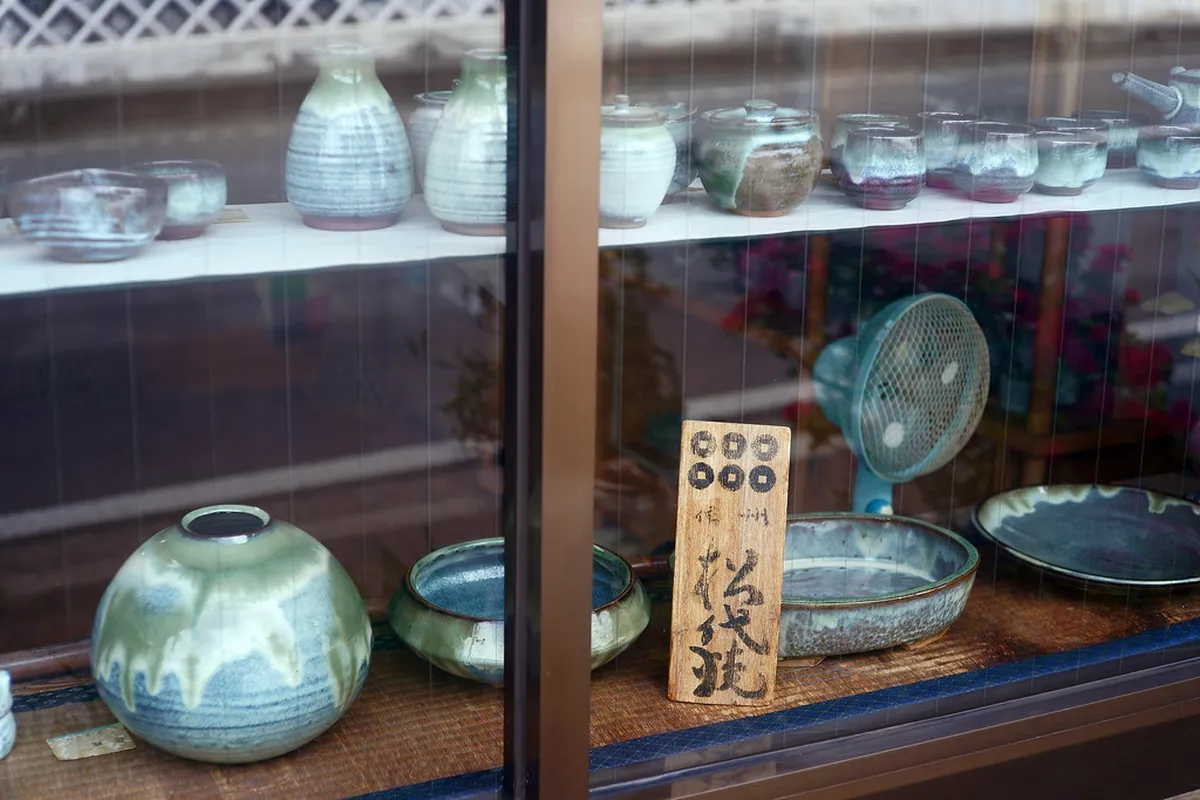
Morokoshi is Akita's signature molded confection, made from roasted adzuki bean flour and sugar. According to Morokosian's own account, the recipe's history runs well over 300 years. Nama morokoshi has a specific origin. Isamiya Shoten, the company later known as Morokoshian, developed the unbaked style in 1957 at a small factory in Kakunodate town. Kakunodate earned its Little Kyoto of Akita nickname partly through its first samurai lord, Ashina Yoshichika, who came from a court noble family in Kyoto. The Satake Kita family later governed the same castle town and shaped a tea culture that still pairs naturally with a plate of morokoshi. For the town's full savory lineup, see the Kakunodate food guide.
- Traditional morokoshi: pressed into a wooden mold and dried, for a firm, slightly smoky bite.
- Nama morokoshi: unbaked and moist, with the aroma of roasted adzuki beans still intact.
- Usuyaki morokoshi: pressed thin, baked, and less sweet than the other two styles.
Where to Buy Morokoshi: Morokosian, Todoan, and Kurakichi
Morokosian is the town's morokoshi specialist, run by Isamiya Co., Ltd. Staff most often recommend two products to first-time tasters: the classic Nama Morokoshi and the bean-topped Sakasen variety. Three storefronts carry the full lineup. Morokosian's wider lineup goes beyond the two flagship items. Sakasen layers Yamashina and adzuki beans on Nama Morokoshi for a semi-sweet finish. Sakura Horohoro is a cookie-like bake with roasted adzuki flour and a hint of cherry leaf. Morokoshi Peanuts folds peanuts into gently sweetened dough for a crisp bite. Fukashi Morokoshi wraps a steamed bean-jam bun in Morokoshi dough. A boxed Gift assortment packs the bestsellers together for souvenirs. Todoan Samurai House Store sells the same traditional dried style and offers tastings, with locations near the station and by the Sakuranamiki parking lot. A Tenpo-era textbook called Eboshi Oya listed the sweet as a Kakunodate product under the older name karatotsuchi. Todoan is listed under the Morokoshian branding in local tourism materials, so confirm which products are stocked at which address before a special trip. Kanmi-sabou Kurakichi takes a different approach, baking Nama Anmorokoshi alongside chestnut kanoko and mizu yokan, with matcha and anmitsu served in its attached cafe.
- Kakunodate-ekimae Store: about a 3-minute walk from JR Kakunodate Station; open 9:00 to 18:00; accepts VISA, Master, JCB, and UnionPay; three parking spaces on site.
- Sakura Namiki Store: on the cherry-tree-lined street between the station and the Samurai District.
- Bukeyashiki Store: inside the Samurai District, for a stop between residence tours.
Beyond Morokoshi: The Kakunodate Sweets Trail
Morokoshi is not the only reason to keep walking. Six more stops round out a proper sweets trail through Kakunodate's merchant quarter. Ando Brewing Main Store was founded in 1853 and is best known for miso and soy sauce. Its chilled amazake, made only from rice koji, is worth the stop for something sweet and non-alcoholic. Find the brewery's full product range on its Ando Jozo Kakunodate: A Guide to Akita's Historic Miso and Soy Sauce Brewery page. A free tour of its mid-Meiji storehouse and library is included. That estate is part of Kakunodate Historical Village. See the Kakunodate attractions guide for this site and other samurai-era stops along the same streets. For cherry-blossom flavors, Morokosian's Sakura Horohoro cookie carries the scent of cherry leaf. Hatta Kashi-ho, founded in 1887, sells Hanami Dango for a limited spring run. Hatta also makes seasonal Iris Dango and Momiji Dango later in the year. In the Tomachi merchant quarter near the old Tatetsu, Nishinomiya, and Ando family houses, Goto Fukushindo has traded in bean paste for over 140 years. Its Kumquat Manju and Gofuku Yokan are local favorites. Buke Yashiki no Chaya, on the samurai residence street, pours matcha, sesame, and seasonal cherry-blossom soft serve for a tea-style break between shops. Shelf life matters for souvenirs. Nama's moisture means it does not keep as long as the dried traditional version. Treat nama morokoshi as an eat-soon souvenir. Pack the traditional dried version instead for a longer trip home.
- Kumagaya Naruto Mochi Shop: coarsely crushed glutinous rice wrapped in a subtly sweet bean paste, sold at the storefront and, as of the shop's last listed details, at the Wondermol Takayanagi supermarket. Confirm current stock before a special trip.
- Akita Pudding Tei, at 16 Yokomachi: opened in spring 2020 and is billed by the local tourism association as Akita Prefecture's first pudding specialty store. Expect long lines on holidays and during the Cherry Blossom Festival.
- Little One Hinata Cafe, at 17 Yokomachi: near the entrance to Samurai Residence Street, with a Saimyoji chestnut sundae that typically runs October through November.
- Kurata Sweets, inside Ando Brewery's Kitaura Main Building: soy sauce soft serve made with the brewery's own soy sauce, plus Obakona, Hidekona, and Sakura Baumkuchen.
- Aoyagiya High-Colored House: a cafe in the Haikarakan building on the Aoyagi family's former estate, serving Sanazura Ice Cream made from wild grape juice.
Planning Your Sweets Walk: Route, Rental Bikes, and Hours
The tourism association's official Kakunodate Japanese Sweets Course links these shops into one loop. It starts and ends at JR Kakunodate Station, with a listed travel time of about 5 hours if you stop everywhere. Most travelers shorten it to the morokoshi specialists plus two or three extras, which fits into an afternoon. The full loop also passes Gateaux Yamada, known for cherry-blossom-colored baked treats. It continues to Sakaiya's fruit parlor, home of the Fruit Shop Taiyaki, and to Soba-kiri Chosuke's roasted buckwheat soft serve. Add these if you want to extend the walk beyond morokoshi. Walking covers the route easily. Samurai District access is straightforward: about a 15-minute walk, or a 3-minute drive, from the station. For a faster loop, Shimoda Rental Cycle, at Uohiro, rents bikes about a 1-minute walk from the station. It sits in front of the Ekimae Kura tourist information center. Budget roughly ¥500 to ¥1,500 for a sweets-and-tea set at most cafes along the route. Shop hours cluster around 9:00 to 17:00 or 18:00. Morokosian's station-front store, for instance, runs 9:00 to 18:00. Check the Samurai District restaurants guide for where to eat before dessert. For Kakunodate's other signature dish, try the Inaniwa udon and Hinai chicken guide. Most morokoshi is bean-and-sugar based, without dairy or eggs. Find more options in the Kakunodate budget and vegetarian food guide.
The full sweets loop takes about 5 hours, so pack dried morokoshi instead of nama—the moist version doesn't travel well during a long afternoon outing.
Seasonal Sweets: Cherry Blossom Festival, Hiburi Kamakura, and Autumn Chestnuts
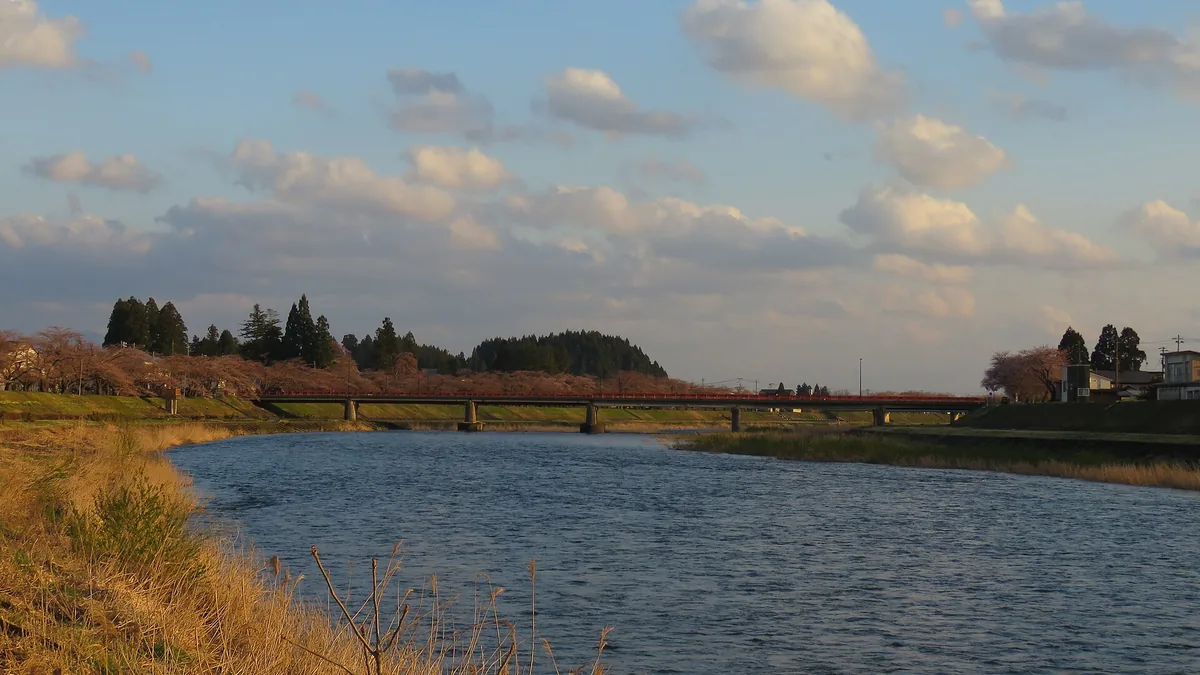
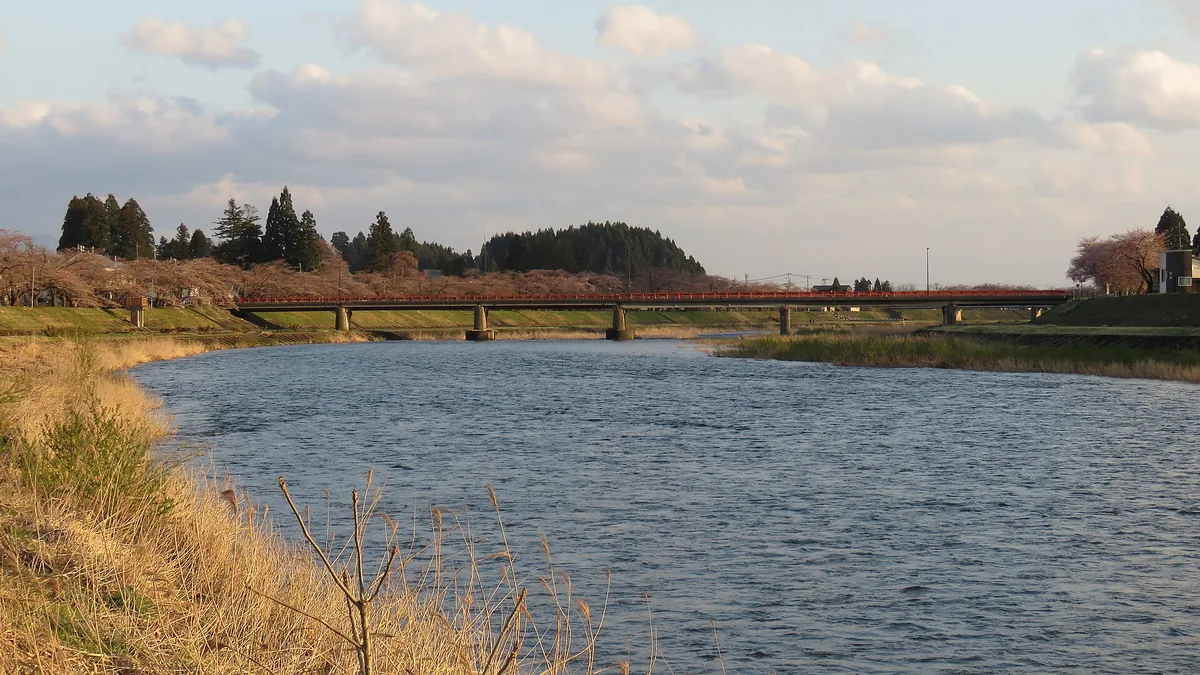
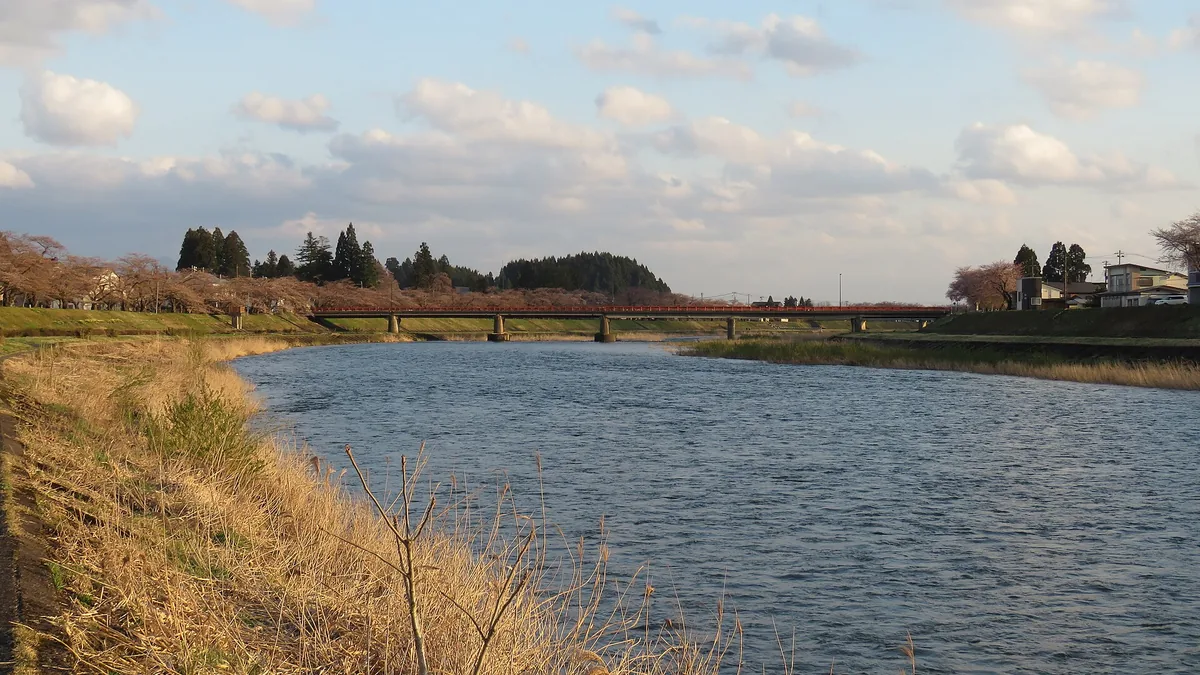
Kakunodate's Cherry Festival runs April 15 to May 5 along the Hinokinai River bank and Buke Yashiki Street. About 400 Somei Yoshino trees, planted in 1934, line roughly 2 kilometers of the riverbank and typically bloom from late April. Weeping cherry trees on the samurai residence streets, planted roughly 350 years ago, gained National Natural Monument status in 2009, when 162 of them were officially designated. Hiburi Kamakura falls on February 14 at dozens of spots around town, with participants swinging burning straw ropes to ward off bad fortune. Most morokoshi shops keep regular winter hours rather than festival hours, so plan a dessert stop before or after the bonfires, not during them. Autumn is peak season for Saimyoji chestnuts across town. Little One Hinata Cafe's chestnut sundae typically runs October through November. Sakuragi's chestnut-based Sobagaki Shiruko and Shibukawani and Yokan appear on a similarly limited schedule. Petit Fraise, near Yokomachi Bridge, fills its case with chestnut pies, daifuku, and Mont Blanc through the same window.
Akita Pudding Tei (spring 2020 opening) coincides with the April 15 to May 5 cherry festival when 400 Somei Yoshino trees line the riverbank; expect long lines and plan an early morning visit.
Traveler Decision Matrix and Mistakes to Avoid
Use this table to match a shop to what matters most on a short visit. Cross-reference it against opening hours before setting out. A handful of shops close one day a week, so confirm current holidays locally.
| Shop | Signature Sweet | Style | Best For |
|---|---|---|---|
| Morokosian (Isamiya) | Nama Morokoshi, Sakasen | Moist, traditional-meets-modern | First-time tasters and gift boxes |
| Todoan Samurai House Store | Traditional dried Morokoshi | Firm, historic | Tastings before you buy |
| Kanmi-sabou Kurakichi | Nama Anmorokoshi, chestnut kanoko | Modern cafe | Pairing morokoshi with matcha and anmitsu |
| Kurata Sweets (Kitaura Main Building) | Soy sauce soft serve | Novelty, savory-sweet | A break from bean-flour sweets |
| Ando Brewing Main Store | Chilled amazake | Traditional brewery | Non-alcoholic tasting plus a free storehouse tour |
| Little One Hinata Cafe | Saimyoji chestnut sundae (Oct-Nov) | Seasonal, modern | Autumn visits near Samurai Residence Street |
| Akita Pudding Tei | Pudding | Retro, modern | A non-morokoshi dessert break |
- Buying only the hard traditional morokoshi disappoints travelers who prefer a soft bite. Look for Nama on the label instead.
- Shopping late in the afternoon during the Cherry Blossom Festival risks missing popular items. Limited-run treats like Hanami Dango can sell out by around 2 PM on festival days.
- Packing only Nama Morokoshi for a long journey home is a common misstep, since the moist style does not keep as well as the dried Traditional version. Mix in a box of Traditional Morokoshi or Usuyaki for the suitcase instead.
- Assuming Todoan and Morokosian stock identical items at every address is risky. The two share branding under Isamiya, so confirm on site.
How This Guide Was Verified
Food availability, access details, seasonal rules, and the time-sensitive claims in this guide were checked on August 22, 2026 against the official sources below. Independent restaurant menus, prices, opening days, and sell-outs can change, so confirm the operator's same-day notice before making a special trip.
Frequently Asked Questions
What is morokoshi, and is it related to corn?
Morokoshi is a molded confection made from roasted adzuki bean flour and sugar, not corn. Some English listings for Todoan translate its name loosely as a corn shop, but that reflects the shop's name, not the ingredients.
What's the difference between nama and traditional morokoshi?
Traditional morokoshi is pressed into a wooden mold and dried, giving it a firm, slightly smoky texture. Nama morokoshi skips the drying step, so it stays moist and soft with the aroma of roasted adzuki beans. Usuyaki morokoshi is a third option: pressed thin, baked, and less sweet than either.
How much should you budget for morokoshi and cafe stops in Kakunodate?
Plan on roughly ¥500 to ¥1,500 for a sweets-and-tea set at most cafes along the route. A boxed Gift assortment from Morokosian costs more, depending on size. Ask staff at the station-front store for current pricing.
When is the best time to find Saimyoji chestnut sweets in Kakunodate?
Chestnut season runs roughly October through November. Little One Hinata Cafe's chestnut sundae, Sakuragi's chestnut Sobagaki Shiruko, and Petit Fraise's chestnut pastries all follow that same seasonal window.
Does morokoshi travel well as a souvenir?
Dried styles are generally easier to transport than soft nama morokoshi, but shelf life and storage are product-specific. Follow the printed best-before date and storage directions rather than assuming a fixed number of days.
Free guide: Japan's Hidden Gems
12 under-the-radar places beyond Tokyo & Kyoto — with the best season to visit each and a local tip you won't find in the guidebooks.
You might also like


Continue reading
More guides you'll find useful