Inaniwa Udon and Hinai Chicken in Kakunodate
Where to order Inaniwa udon and Hinai chicken in Kakunodate for 2026, with combo-set prices, restaurant hours, and the Sato Yosuke sales-only warning.
On this page
Last updated August 2026, this guide covers Inaniwa udon and Hinai chicken in Kakunodate, the two dishes locals rank as Akita's signature meal. Both specialties sit within walking distance of the Samurai District, so a short stop can cover a smooth hand-stretched noodle and a rich chicken-and-egg bowl. Specific restaurants, set menu prices, and one noodle shop that sells but does not serve are covered below.
Inaniwa Udon and Hinai Chicken in Kakunodate: The Basics
Kakunodate sits in Semboku City and keeps its Edo-era samurai streets intact. Two Akita specialties define a meal here: Inaniwa udon, a thin hand-stretched noodle, and Hinai chicken, a firm-textured bird prized for oyakodon. Sakura-no-Sato has offered a set combining the two, but check the current menu and price. Visitors combining lunch with sightseeing can pair the meal with the Kakunodate attractions. The wider Kakunodate food guide covers other local plates.
Inaniwa Udon: Hand-Stretched Since 1665
Inaniwa udon traces its production method to 1665, when the first-generation Inaniwa Kichizaemon developed it in Inaniwa, Yuzawa City. Wheat dough is hand-kneaded, stretched, and dried over days rather than cut with a machine. That process gives the noodle a flat, translucent look, unlike the thick white strands of standard udon. Specialist makers still select ingredients by hand and inspect each batch before it ships, a fully handmade method many Inaniwa producers still follow. Cooks in Japan commonly group Inaniwa udon with Sanuki udon and Mizusawa udon as the country's three major udon styles. Order it cold as seiro, a dipping style that lets the smooth, chewy texture stand out. Order it hot, in a soup base, on cooler days instead.
Hinai Chicken (Hinai-jidori): Why It Anchors the Oyakodon
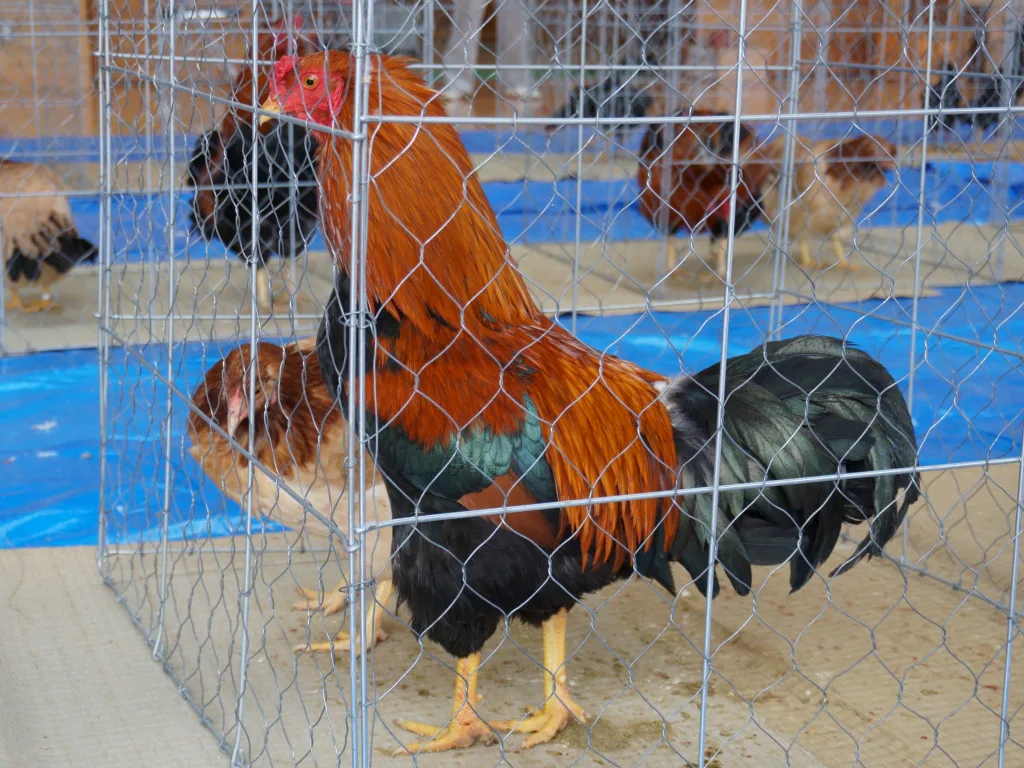
Hinai chicken carries more fat and firmer muscle than standard broiler chicken, so the meat stays tender even after simmering in the oyakodon pot. Restaurants prize that texture alongside the rich flavor the breed is known for locally. Hinai chicken is commonly grouped with Nagoya Kochin and Satsuma-dori as Japan's three major regional chicken breeds. Beyond oyakodon, the same chicken forms the stock and meat in Kiritanpo Nabe, a hot pot built around grilled rice sticks. That dish leans toward the cold season, while Inaniwa udon stays on menus year-round.
Kiritanpo nabe is primarily a cold-season dish. Availability and price change, so confirm the current menu rather than relying on an older ¥2,630 listing.
Where to Order the Combo: Sakura-no-Sato
Sakura-no-Sato, at Higashikatsurakucho 9 in Kakunodate, is the most direct way to try both specialties in one sitting. Its Hinai chicken oyakodon uses three eggs simmered with the chicken, a house method the restaurant is known for in local media coverage. Order the Oyakodon and Udon set for ¥1,600 and choose hot or cold noodles depending on the season. The restaurant sits about a 15-minute walk from JR Kakunodate Station.
- Hours: 9:00–17:00 (meals served 10:00–16:30)
- Price range: ¥500–¥1,800
- Holiday schedule: irregular
- Parking: 5 spaces
- Access: about 15 minutes on foot from JR Kakunodate Station
More Places to Pair Both Dishes
Touhachi-do has served Hinai chicken oyakodon, Inaniwa udon, and multi-dish sets, but current prices and hours need direct confirmation. The previously reported free Friday cultural session for the first ten guests is not supported by a current operator source and should not be treated as available. Shokudo Inaho is known for a Gakko Kaiseki tray, but confirm its current booking policy and every component if managing a vegetarian diet or allergy. For a broader list, see the Samurai District restaurant guide.
| Restaurant | Signature dish | Price | Notes |
|---|---|---|---|
| Sakura-no-Sato | Oyakodon & Udon set | Check current menu | Combination set |
| Touhachi-do | Hinai Chicken Oyakodon | Check current menu | Confirm current hours |
| Touhachi-do | Inaniwa udon in Hinai chicken soup | ¥1,280 | Multi-ingredient broth |
| Touhachi-do | Kiritanpo Nabe set | Check current menu | Cold-season hot pot |
| Shokudo Inaho | Gakko Kaiseki Teishoku | ¥1,200–¥1,800 (area range; not itemized on site) | 9-box fermented vegetable tray |
| Agodashi Udon Kosendo | Ume Oboro Inaniwa Udon | ¥1,200–¥1,800 (area range; not itemized on site) | Flying-fish broth |
The Sato Yosuke Sales-Only Warning
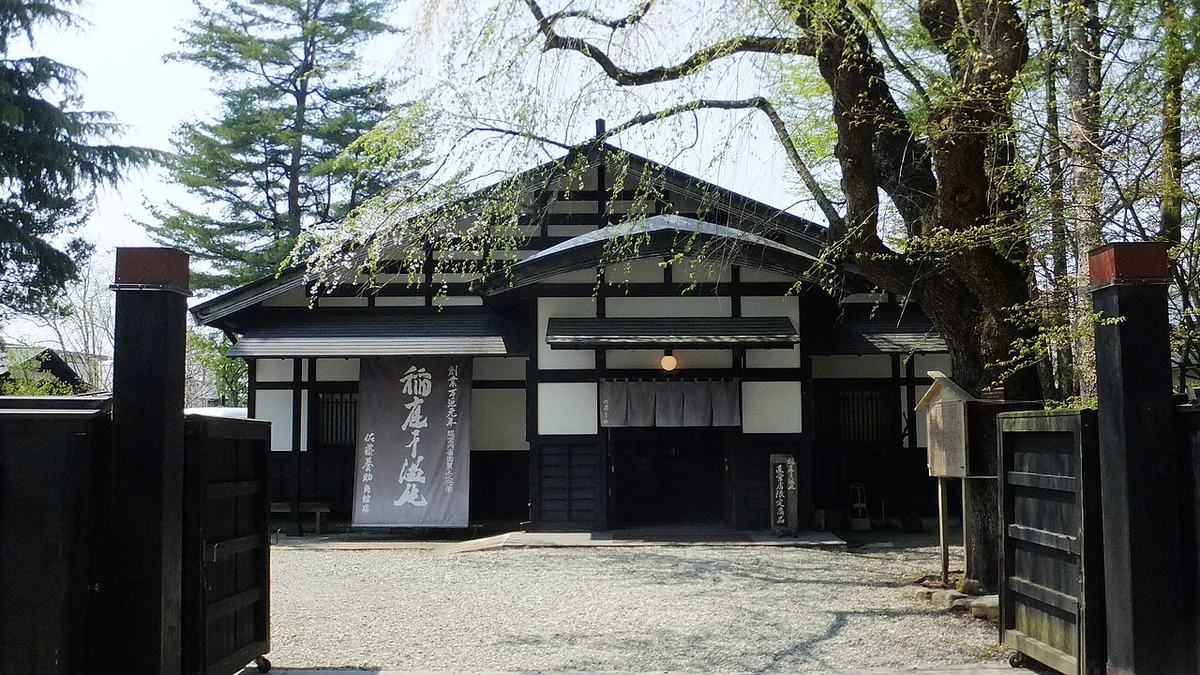
Sato Yosuke Kakunodate-ten looks like a restaurant from the street, but it operates as a shop only. Founded in 1860, the brand carries a noodle-making technique once served as the official dish of Lord Satake, ruler of the Akita domain. That technique has passed down through generations of the same family. Inside, staff sell dried Inaniwa udon as a packaged souvenir rather than a cooked meal. Travelers wanting to eat right away should walk to Sakura-no-Sato, Touhachi-do, Shokudo Inaho, or Agodashi Inaniwa Udon Kosendo instead. Pick up Sato Yosuke noodles afterward to cook at home.
Menu Decisions: Oyakodon, Skewers, and Nabe
A well-made oyakodon shows a loose, barely-set egg over firm chicken pieces, not a dry scramble. Hinai chicken holds its bite even after simmering, the texture restaurants highlight when describing the dish. For a different format, order Hinai chicken skewers grilled over charcoal. Kiritanpo Nabe is the cold-season order, built from grilled rice sticks simmered with Hinai chicken, mushrooms, and vegetables. Inaniwa udon works year-round instead. Choose the cold seiro style with a dipping sauce to taste the noodle's texture. Choose the hot version, closer to a soup, on a chilly afternoon.
- Plain grilled meat skewers
- Spring onion between cuts (negima)
- Hand-formed meatball skewers
- Chicken skin skewers
- Gizzard skewers
Which Stop Fits Your Visit
Each restaurant covered here leans toward a different kind of visit. Match the stop to what matters most on the day.
All recommended stops sit about a 15-minute walk from JR Kakunodate Station, so visitors can combine multiple restaurant visits with Samurai District sightseeing in a single efficient outing.
- Combination lead: Sakura-no-Sato; confirm the current set and price
- Touhachi-do: confirm its menu and any cultural programming directly
- Fermentation and pickles focus: Shokudo Inaho, nine-box Gakko Kaiseki tray
- Lighter noodle broth: Agodashi Inaniwa Udon Kosendo, flying-fish stock
- Souvenir noodles to cook at home: Sato Yosuke Kakunodate-ten, sales counter only
Prices, Hours, and Getting There
JR Kakunodate Station sits about a 15-minute walk from the Samurai District restaurant hub, the same distance both Sakura-no-Sato and Touhachi-do quote for their own addresses. Expect to pay ¥1,200 to ¥1,800 for a standard lunch set built around oyakodon or udon. A few dishes run higher. Touhachi-do's Kiritanpo Nabe set costs ¥2,630, and its Kamo (duck) nabe set costs ¥1,530. Many family-run shops close by late afternoon. Sakura-no-Sato serves meals only until 16:30, even though the building stays open to 17:00. Touhachi-do keeps longer hours, open 11:00 to 19:30 with last orders at 19:00. Both restaurants list their holiday schedule as irregular rather than a fixed weekly closing day, so confirm hours before a special trip.
- Sakura-no-Sato: 9:00–17:00 (meals 10:00–16:30), irregular holidays
- Touhachi-do: 11:00–19:30, last order 19:00, irregular holidays
- Access: about 15 minutes on foot from JR Kakunodate Station to the Samurai District hub
Timing Tips and What Not to Skip
Lunch service peaks between 12:00 and 13:30, especially during cherry blossom season in spring and the autumn foliage weeks. Arrive before noon or after 13:30 to skip the wait at the smaller shops. Don't overlook iburi gakko, a smoked and fermented daikon radish that Shokudo Inaho serves as part of its nine-box Gakko Kaiseki tray. Many broths and dipping sauces in the area lean on local soy sauce and miso. The Ando Jozo Kakunodate: A Guide to Akita's Historic Miso and Soy Sauce Brewery guide covers that seasoning tradition in more depth. Because several restaurants here are family-run, call ahead or check posted hours, since an irregular holiday can close a shop without much notice. Save room afterward for a stop at the Morokoshi sweets and cafes nearby. Travelers keeping to a budget, or looking for meat-free options, should check the budget and vegetarian food guide before choosing a restaurant.
How This Guide Was Verified
Food availability, access details, seasonal rules, and the time-sensitive claims in this guide were checked on August 22, 2026 against the official sources below. Independent restaurant menus, prices, opening days, and sell-outs can change, so confirm the operator's same-day notice before making a special trip.
Frequently Asked Questions
Where can you order both Inaniwa udon and Hinai chicken together in Kakunodate?
Sakura-no-Sato has offered a combination set. Confirm the current menu, price, and service hours directly before visiting.
Is Sato Yosuke Kakunodate-ten a place to eat?
No. The Kakunodate branch sells dried Inaniwa udon as a packaged product only. Eat at Sakura-no-Sato, Touhachi-do, Shokudo Inaho, or Agodashi Inaniwa Udon Kosendo instead, then buy Sato Yosuke noodles afterward as a souvenir.
How much does Hinai chicken oyakodon cost in Kakunodate?
Prices vary by restaurant and set. Older listings for Touhachi-do and Sakura-no-Sato should not be treated as current; check the venue's latest menu.
Should Inaniwa udon be ordered hot or cold?
Cold, served seiro-style with a dipping sauce, shows off the noodle's smooth texture best. Try it hot, such as Touhachi-do's tempura Inaniwa udon at ¥1,420, on a cold day or when a warm broth sounds better.
When is the best time to avoid crowds at these restaurants?
Aim for before noon or after 13:30, since the 12:00 to 13:30 window fills up fastest, especially in cherry blossom and autumn foliage weeks. Many of these shops also close by late afternoon, so plan lunch rather than dinner.
Are there vegetarian or budget-friendly options near the Samurai District?
The two headline dishes both center on chicken or a chicken-based broth, so options at these specific restaurants are limited. Check Kakunodate's separate budget and vegetarian food guide for plant-based alternatives before choosing a restaurant.
Free guide: Japan's Hidden Gems
12 under-the-radar places beyond Tokyo & Kyoto — with the best season to visit each and a local tip you won't find in the guidebooks.
You might also like


Continue reading
More guides you'll find useful