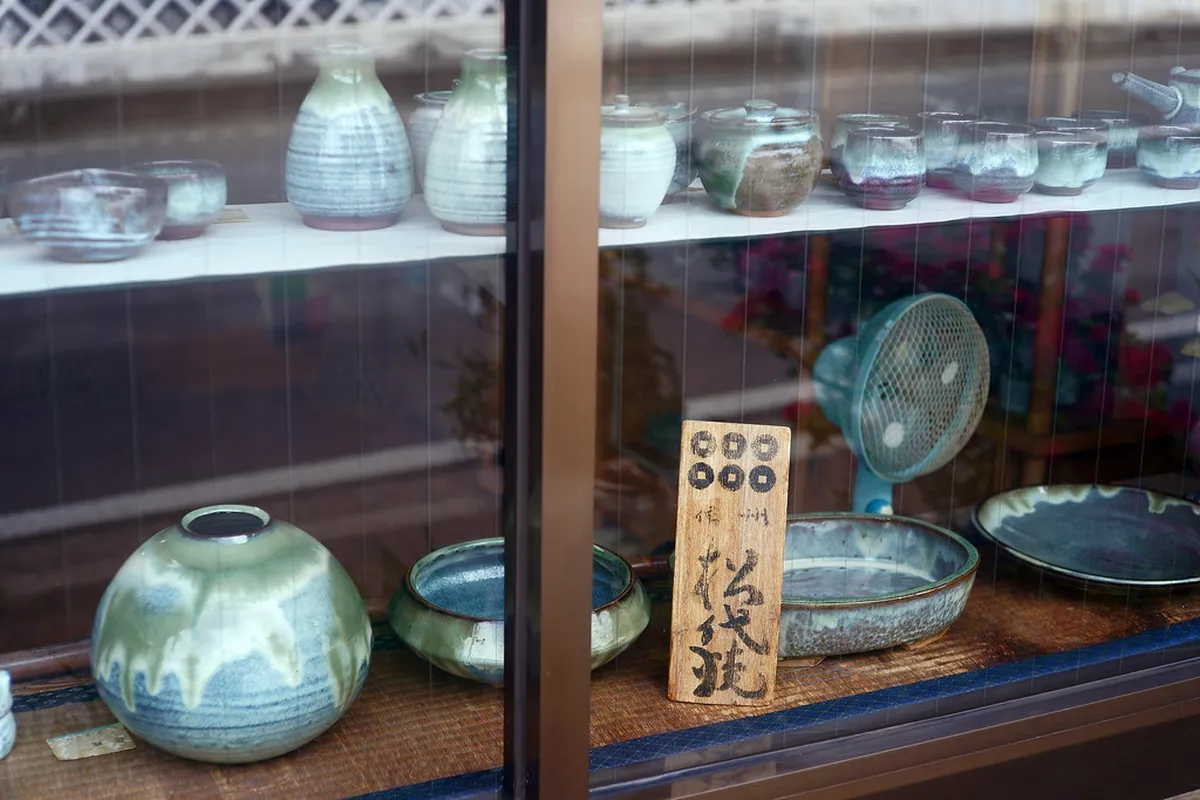
Kakunodate Samurai District Restaurant Guide
A 2026 guide to Kakunodate samurai district restaurants, from Shokudo Inaho's gakko trays to dining inside the Aoyagi-ke manor.
On this page
Last updated August 2026, this guide narrows down Kakunodate samurai district restaurants to the handful worth timing your walk around. The Bukeyashiki area rewards travelers who eat where the Edo-period atmosphere holds, not at a generic stop near the station. Expect casual shokudo counters, one reservation-only ryotei, and a manor complex that serves food inside its own walls.
Kakunodate Samurai District Restaurants at a Glance
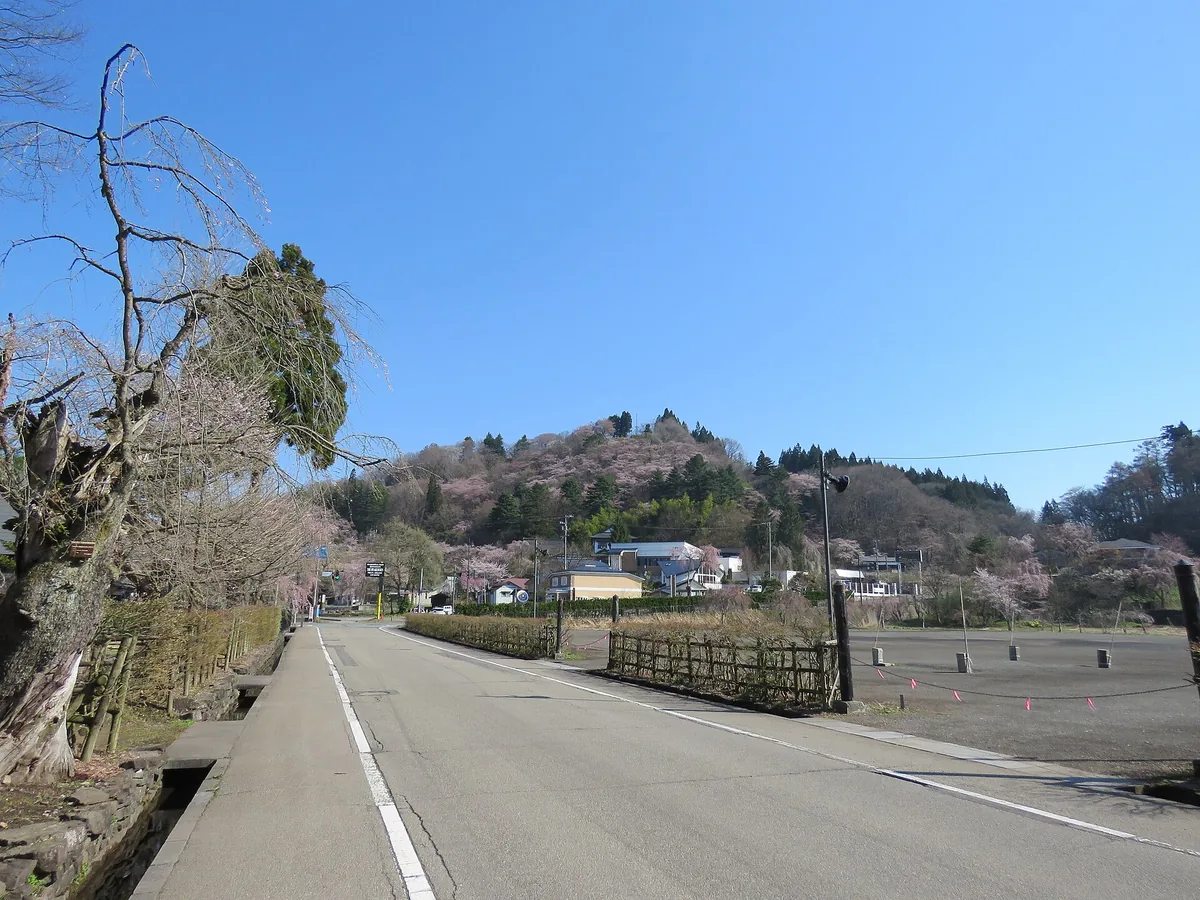
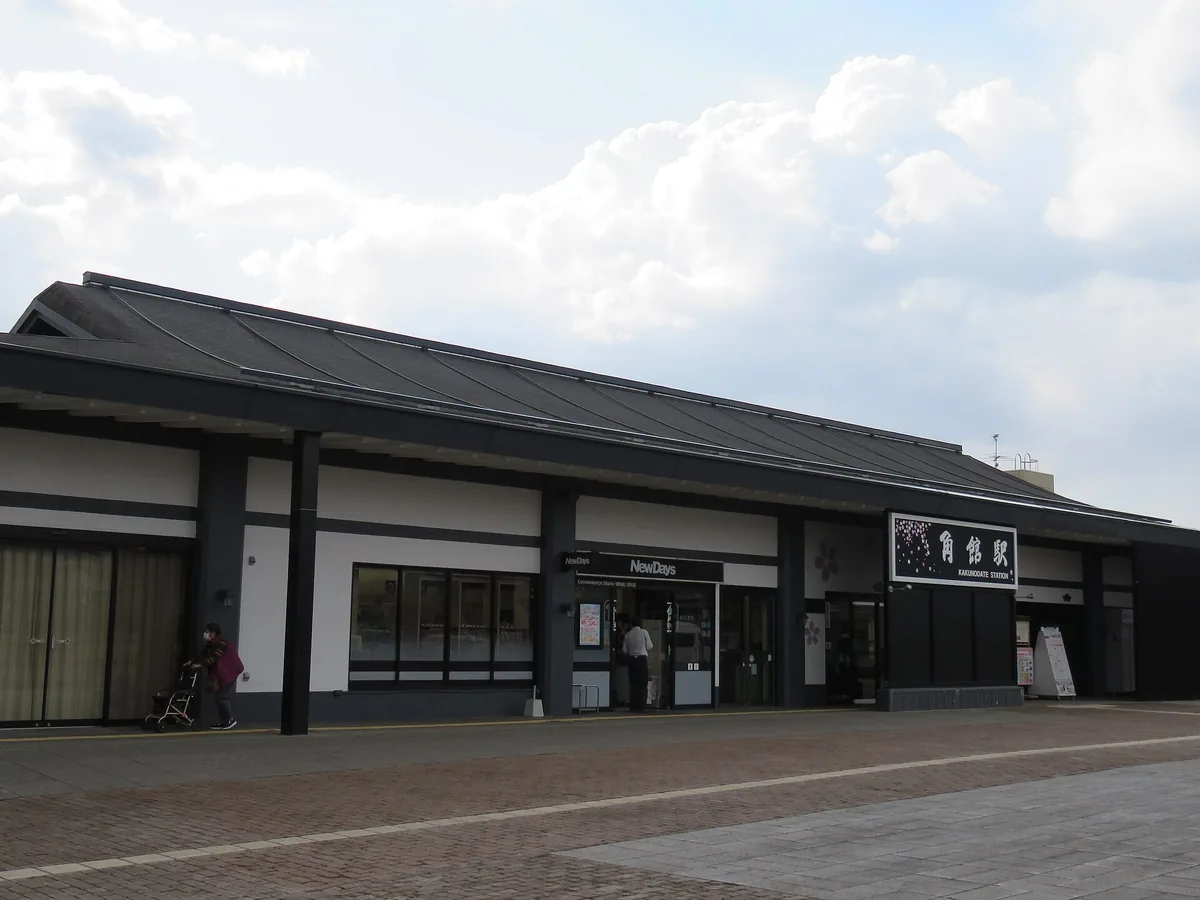
Most dining choices cluster in a narrow band between the Yoko-machi intersection and the northern end of Bukeyashiki-dori, the street lined with former samurai residences. Reaching the district takes about a 20-minute walk from JR Kakunodate Station, or a short taxi ride if luggage or weather make the walk unappealing. Some accounts describe the wider town as Little Kyoto for its preserved Edo-period streets, and the food scene follows the same rhythm: quiet, seasonal, and easy to miss without a plan. Use the table below to match a restaurant to your schedule before you set out, since several of the smaller spots keep short or seasonal hours. For the full spread of dining options across town, see the Kakunodate food guide.
| Venue | Best For | Price Feel | Reservation Needed? |
|---|---|---|---|
| Shokudo Inaho | Casual walk-in lunch, Gakko Kaiseki tray | Budget to moderate | No, walk-in seating |
| Ryotei Inaho | Formal seasonal set lunch | Higher, splurge-tier | Yes, especially in cherry blossom season |
| Aoyagi-ke manor dining | Eating inside a samurai residence complex | Moderate, plus ¥500 manor admission | Not typically required |
| Sakaiya farmer's store | Parfaits, taiyaki, and iburi-gakko to take away | Budget | No reservation |
Signature Akita Flavors to Order
Inaniwa udon is the dish most competitor guides mention first, and it deserves the attention. The noodles are hand-stretched and dried, which leaves them thinner and smoother than the thicker Sanuki udon served in western Japan. Order it cold with a dipping sauce in summer or hot in a kiritanpo-style broth during colder months. Find more bowl recommendations in the Inaniwa udon and Hinai-jidori guide. Hinai-jidori is the other name you will see on menus throughout Kakunodate. It's often described as one of Japan's most prized native chicken breeds, valued for a firmer bite and deeper flavor than standard broiler chicken. You'll find it grilled, in oyako-don rice bowls, or paired with kiritanpo rice sticks in a hot pot. Kiritanpo itself is pounded rice shaped around a wooden skewer, then toasted before it goes into a hot pot with local chicken and vegetables. It's a cold-weather staple across the district and often appears alongside Inaniwa udon or Hinai-jidori on set menus. Gakko is the Akita dialect word for tsukemono, the fermented and pickled vegetables served across Japan in small portions. Iburi-gakko is the region's signature version. It's a daikon radish dried for several days, then fermented for months with rice bran, salt, and sugar. The result is crunchy, smoky, and sweet-savory rather than simply sour. Shokudo Inaho builds an entire tray around it, the Gakko Kaiseki Teishoku, with nine small boxes of fermented and pickled vegetables that change with the season. A typical tray might mix fermented onion with kabocha squash, pair iburi-gakko with natto, and include a few pieces of iburi-gakko tempura-style. The exact lineup changes by season. For a deeper look at how the region ferments beyond pickles, see the Ando Jozo miso guide.
Top Restaurant Picks Inside and Near the Samurai District
Shokudo Inaho and Ryotei Inaho serve different dining formats, but current booking rules should be confirmed directly rather than inferred from older visitor accounts. Aoyagi-ke is the largest open samurai-manor complex, and its official listing confirms cafes and restaurants within the grounds. Admission is ¥500; current hours are 9:00 AM-5:00 PM from April through November and 9:00 AM-4:30 PM from December through March. Check the individual food business's service hours because manor admission hours do not guarantee a kitchen is open. More snack stops appear in the Kakunodate sweets and cafes guide.
Atmosphere Versus Convenience: Choosing Where to Sit
Eating inside Aoyagi-ke means dining inside real Edo-period architecture, with the manor's own restaurants and tea shops built into the grounds. That immersion comes with manor hours and the ¥500 entry fee layered on top of any food order. Shokudo Inaho sits at the opposite end of the trade-off, on the merchant-district border about seven minutes from the station. It charges no entry fee, takes no reservation, and serves the same regional staples, Inaniwa udon, Hinai-jidori dishes, and the Gakko Kaiseki tray, without the manor setting. Neither choice is wrong. Travelers short on time or budget do better near the station, while travelers who want the full samurai-era setting should build in the extra ¥500 and the walk to Aoyagi-ke.
Manor and Museum Admission Fees to Budget For
If you're pairing a meal with manor and museum visits, budget for entry fees separately from food, since none of the following include a meal. These are the same manor fees referenced in the atmosphere-versus-convenience comparison above, so budget them in either direction you choose. These fees stack quickly if you're touring several manors in one afternoon, so decide ahead which two or three are worth the stop before your meal:
Despite Aoyagi-ke staying open until 17:00, most restaurants in and around the district close by 17:00, leaving little practical time for an evening meal within the manor grounds.
- Aoyagi-ke (Aoyagi Samurai Museum): ¥500, open 9:00-17:00 April-November and 9:00-16:30 December-March
- Ishiguro Samurai Museum: ¥500, open 9:00-17:00, until 16:00 from December to March
- Kawarada Samurai House: ¥500, open 9:00-17:00, until 16:30 from December to March, closed December 28 to January 4
- Denshokan Museum: ¥500, open 9:00-17:00, until 16:30 from December to March, closed December 28 to January 4
- Omura Art Museum: ¥800, open 10:00-17:00, until 16:00 from December to March, closed Thursdays and also Wednesdays from December to March
- Odano, Iwahashi, and Matsumoto samurai houses: free admission, but closed from around November or December through mid-April
Lunch Hours, Dinner Gaps, and the Walking Route
Lunch is the reliable meal in the samurai district, typically served from 11:00 to 14:00. Dinner options thin out fast, and most restaurants in and around the district close by 17:00. Plan an evening meal back near the station instead. Hotel Folkloro Kakunodate, renamed Hotel B4T Kakunodate in 2026, runs a restaurant serving local cuisine and can work as a backup if a chosen spot turns out to be closed. During December through March, several manor hours end at 16:00 instead of 17:00, which also shortens the window for a late lunch nearby. Many day-trip itineraries start with lunch at Shokudo Inaho, since it sits closest to the station, then move deeper into the district toward Aoyagi-ke and Ishiguro-ke for the afternoon. Distance from the station also shapes when to eat. Planning meals around the walking route keeps arrival and departure simple. Pair the walk with the Kakunodate attractions guide to fit the manors and museums around your restaurant stops.
Planning a circuit through multiple manors on a 20-minute walk adds ¥500 per property entrance fee. Budget total admission costs upfront before committing to visiting three or more manors in one afternoon.
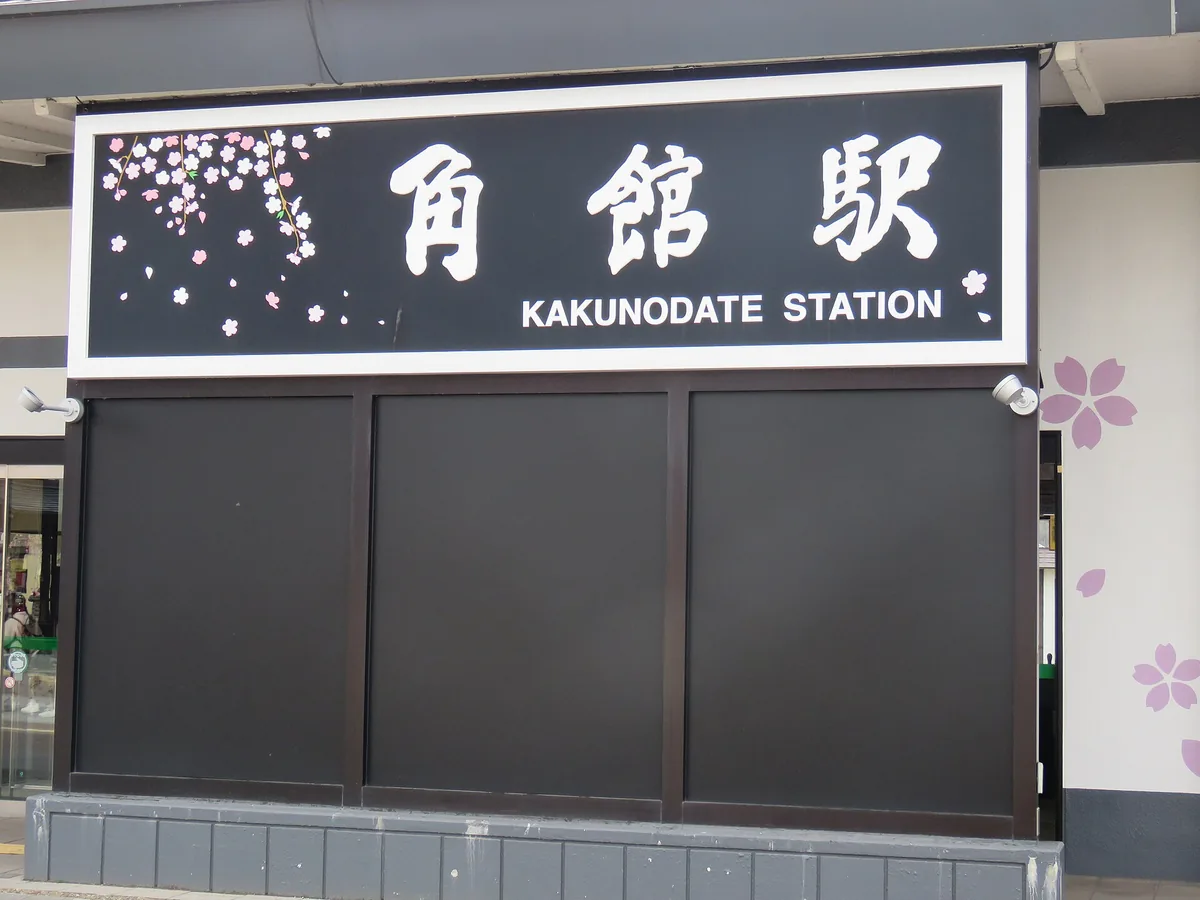
- JR Kakunodate Station to Shokudo Inaho: about 7 minutes on foot, on the way toward the district
- Station to the Yoko-machi intersection, where the samurai district begins: about 20 minutes on foot, or a short taxi ride
- Inside the district: Aoyagi-ke, Ishiguro-ke, and the smaller manors sit along Bukeyashiki-dori, within easy walking distance of each other
A Note for Vegetarians and Budget-Minded Travelers
Hinai-jidori chicken shows up in nearly every set meal in the district, which makes vegetarian planning harder than it looks. The safest options are the gakko trays, since they're built from fermented and pickled vegetables rather than meat or fish. Ask whether an udon broth uses kombu dashi instead of a chicken or bonito base. Not every shokudo offers a vegetable broth by default, so confirming before ordering saves a wasted trip. Kiritanpo rice sticks are usually served in a meat-based broth too, so treat them the same way and ask first. Sakaiya's parfaits and taiyaki are naturally meat-free, which makes the farmer's store an easy stop when a sit-down menu looks entirely chicken-based. Vegetarian and budget-minded options both appear in the Kakunodate budget and vegetarian guide.
Seasonal Planning and Mistakes to Avoid
Winter closes more of Kakunodate than first-time visitors expect. Odano, Iwahashi, and Matsumoto, three of the smaller samurai houses, close from early November or December through mid-April. Restaurants near them often follow suit with irregular winter hours, and travelers have reported spots closed with no notice on Google Maps. Confirm opening hours the same day if you're visiting between December and April, and keep a backup restaurant in mind near the station. If a listing looks uncertain, ask the hotel front desk to confirm hours by phone before you walk over. Early May brings the opposite problem. Cherry blossom season draws crowds to Bukeyashiki-dori, and waits at popular counters can run close to two hours. Book Ryotei Inaho ahead if visiting during this window, and expect Shokudo Inaho's walk-in line to move slowly at peak lunch hours. Rural Akita listings on Google Maps are not always current, including hours and open status. Treat any single listing as a starting point rather than a guarantee, and have a second restaurant option in mind before you commit to the day's walking route.
How This Guide Was Verified
Food availability, access details, seasonal rules, and the time-sensitive claims in this guide were checked on August 22, 2026 against the official sources below. Independent restaurant menus, prices, opening days, and sell-outs can change, so confirm the operator's same-day notice before making a special trip.
Frequently Asked Questions
What is the closest restaurant to Kakunodate Station in the samurai district?
Shokudo Inaho is a convenient sit-down lead on the way from the station, but confirm its current hours and booking policy directly rather than assuming walk-in-only service.
Do you need a reservation to eat in the Kakunodate samurai district?
It depends on where you're eating. Shokudo Inaho and the Sakaiya farmer's store both take walk-ins. Ryotei Inaho, the more formal sister restaurant, requires a reservation, especially during the early May cherry blossom season.
Are restaurants open year-round in Kakunodate's samurai district?
Not reliably. Several of the smaller samurai houses, including Odano, Iwahashi, and Matsumoto, close from early November or December through mid-April. Nearby restaurants often shift to irregular winter hours around the same window. Confirm hours the same day if traveling in winter, since Google Maps listings for the area are not always current.
What food should you order in Kakunodate's samurai district?
Start with Inaniwa udon, a thin hand-stretched noodle, and Hinai-jidori chicken, one of the region's most prized ingredients. Try a Gakko Kaiseki tray for a sampler of Akita's fermented and pickled vegetables, including iburi-gakko, the smoked and fermented daikon that defines the local palate.
Is there a vegetarian option near the samurai district?
Choices are limited and require confirmation. A gakko tray may include sauces, dashi, alcohol, or shared preparation, so it is not automatically the safest option. Ask about every component, including udon broth and pickle seasoning.
How much does it cost to eat inside a samurai manor like Aoyagi-ke?
Aoyagi-ke charges ¥500 just to enter the manor grounds, separate from anything ordered at its restaurants or tea shops. Factor that admission in before you sit down, since it applies whether or not you plan to eat there.
How far is Aoyagi-ke from Shokudo Inaho?
Shokudo Inaho sits close to the station, about seven minutes on foot on the way into the district. Aoyagi-ke sits farther in, along Bukeyashiki-dori, so plan roughly 20 minutes of total walking from the station if you're visiting both in one trip.
What's the best time of day to visit for a meal without a wait?
Early lunch, right at 11:00, tends to beat the crowd at walk-in spots like Shokudo Inaho. Waits build fastest around midday and during the early May cherry blossom peak, so arriving right when doors open is the safer bet.
Free guide: Japan's Hidden Gems
12 under-the-radar places beyond Tokyo & Kyoto — with the best season to visit each and a local tip you won't find in the guidebooks.
You might also like


Continue reading
More guides you'll find useful