

Sendai Weather By Month: Your Ultimate Travel Guide
Plan your trip to Sendai by understanding its weather by month. Discover the best seasons for festivals, cherry blossoms, and winter sports.
On this page
Updated November 2024 from my autumn 2023 visit, this guide helps you navigate Sendai weather by month. Sendai, known as the 'City of Trees,' offers distinct seasonal beauty. For most travelers, the sweet spot for visiting is late spring (May to early June) or early autumn (September to October). These shoulder seasons provide pleasant temperatures and fewer crowds compared to peak summer. I visited in late September and found the crisp air and vibrant autumn foliage truly magical. It was perfect for exploring both the city and nearby Matsushima Bay. Understanding Sendai's climate patterns is key to planning your perfect trip. This guide breaks down each season, covering everything from temperature to local events. You will be well-prepared for any time of year.
Understanding Sendai's Seasons
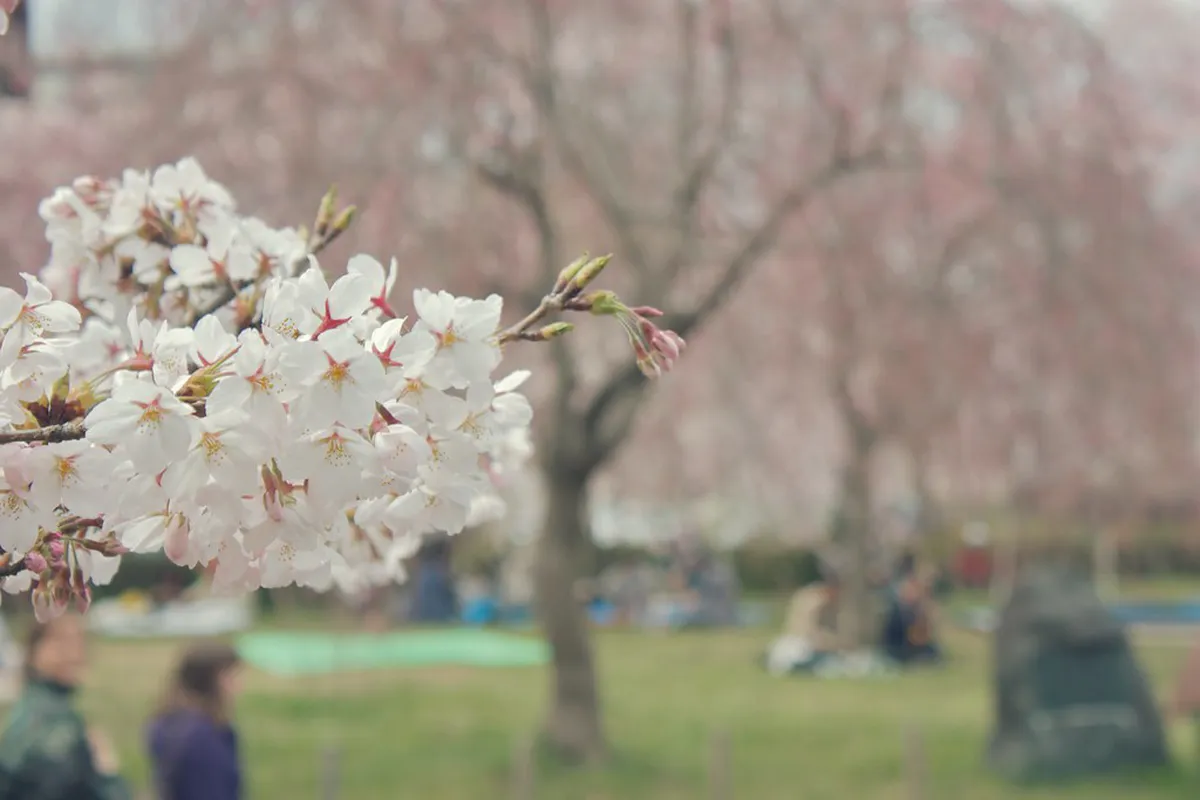
Sendai experiences four distinct seasons, each with its own charm and challenges. Spring brings cherry blossoms and mild weather, ideal for sightseeing. Summer is warm and humid, bustling with festivals and outdoor activities. Autumn transforms the landscape with stunning fall foliage and comfortable temperatures. Winter sees cold weather and significant snowfall, offering opportunities for winter sports and cozy experiences. Knowing these patterns helps you decide the best time to visit.
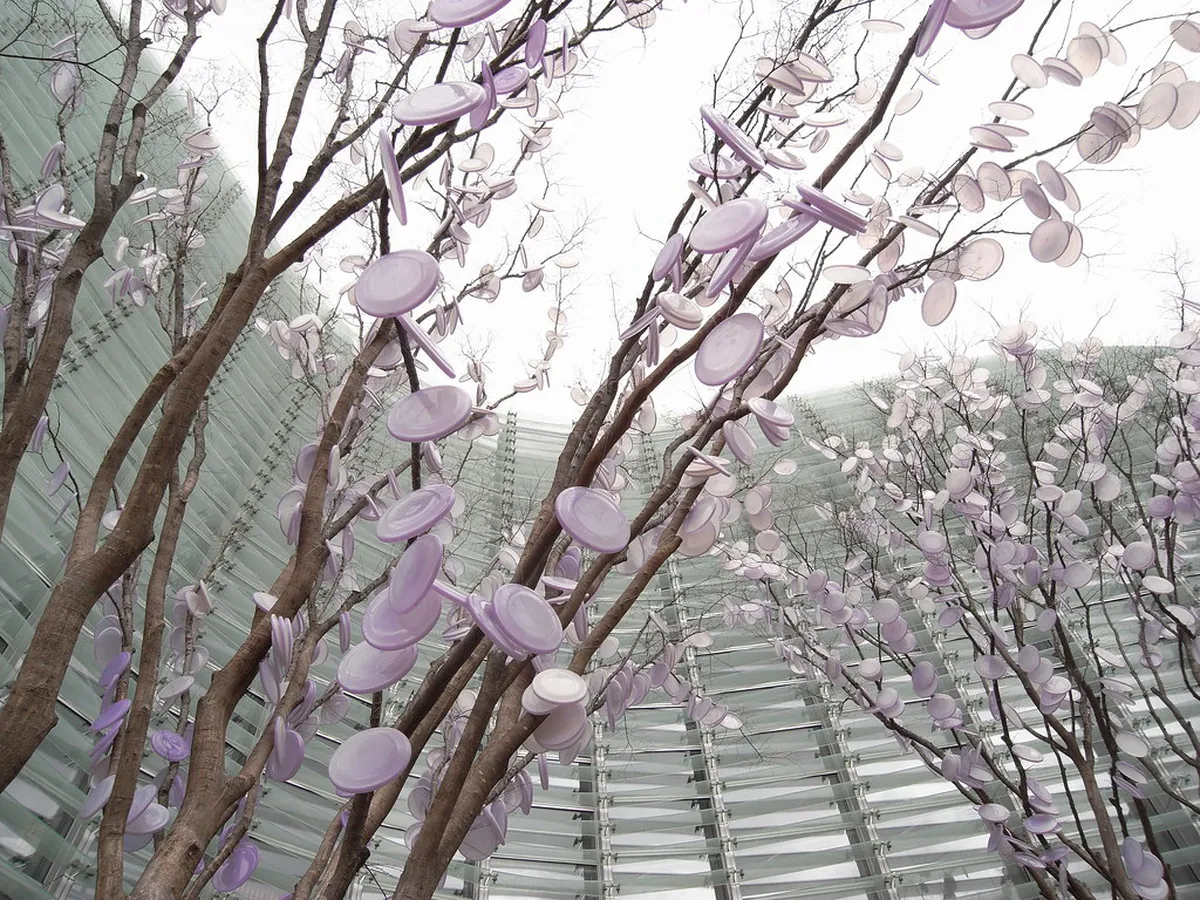
The city's location in the Tohoku region means it has more pronounced seasonal changes than southern Japan. This includes colder winters and more distinct autumn colors. Always check specific monthly forecasts closer to your travel date for accuracy. Weatherspark.com provides detailed climate data. My late September trip, for example, had sunny days but also a couple of surprisingly chilly evenings. This meant my light jacket was essential. Planning for these variations is always a good idea.
Sendai Season Comparison: Weather, Crowds, and Events
Choosing the best time to experience Sendai depends on your priorities. Whether you seek vibrant festivals, serene nature, or budget-friendly travel, each season has its advantages. This comparison helps you weigh your options carefully. It covers typical conditions and popular events. Consider the balance between weather comfort, crowd levels, and pricing for your ideal visit. This table provides a quick overview of what to expect seasonally. Data is based on typical climate patterns.
| Season | Month-Range | Weather | Crowds | Prices | Events | Best for |
|---|---|---|---|---|---|---|
| Spring | Mid-April to Early June | Mild, pleasant (10–20°C / 50–68°F), cherry blossoms late April, light rain possible. | Moderate, increasing for Golden Week (late April/early May). | Moderate, higher during Golden Week. | Sendai Aoba Festival (May), cherry blossom viewing. | Cherry blossoms, comfortable sightseeing, outdoor activities. |
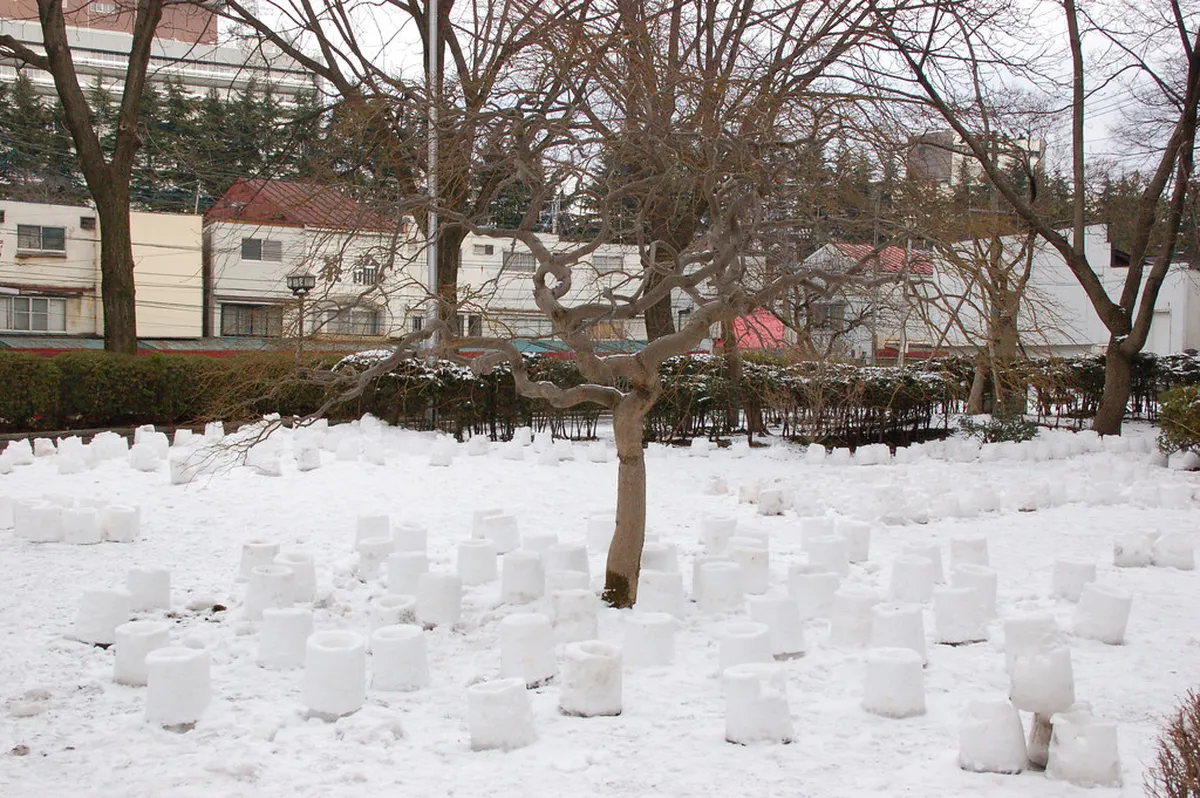
| Summer | Mid-June to August | Warm, humid (22–30°C / 72–86°F), rainy season (June-July), occasional typhoons August. | High, especially during major festivals. | High, particularly for accommodation. | Sendai Tanabata Festival (August), summer fireworks. | Festivals, vibrant city life, exploring 15 Best Things to Do in Sendai. |
| Autumn | September to November | Cool, crisp (15–25°C / 59–77°F), beautiful fall foliage October-November, occasional rain. | Moderate, popular for foliage viewing. | Moderate, good value outside peak foliage. | Jozenji Streetlight Festival (September), various harvest festivals. | Fall foliage, hiking, comfortable exploration, day trips. |
| Winter | December to Mid-April | Cold, snowy (0–8°C / 32–46°F), heavy snowfall in January-February, clear days too. | Low, except for ski resorts and New Year's. | Lower, good deals on flights and hotels. | Sendai Pageant of Starlight (December), winter sports. | Winter sports, hot springs, cozy indoor activities, fewer tourists. |
What to Pack for Sendai by Season
Packing smart can significantly enhance your Sendai experience. Japan's weather can change quickly, so layers are always a good idea. Consider the specific activities you plan to do. My autumn trip required both light shirts and a warm jacket for evenings.
- Spring (April-June)
- Light jacket or cardigan
- Long-sleeved shirts
- Comfortable walking shoes
- Umbrella for rain showers
- Summer (July-August)
- Lightweight, breathable clothing
- Sunscreen and hat
- Insect repellent
- Rain jacket or umbrella
- Autumn (September-November)
- Sweaters and warm layers
- Medium-weight jacket
- Scarf for cooler evenings
- Comfortable shoes for walking
- Winter (December-March)
- Heavy winter coat
- Thermal underwear
- Hat, gloves, and scarf
- Waterproof boots with good grip
Pick Sendai If: Traveler Type Recommendations
Sendai caters to diverse travel styles, but certain times of year suit specific preferences best. Consider what you hope to gain from your trip before deciding on dates. This section offers tailored advice for various types of visitors. Choosing the right season can make all the difference for your travel goals. Think about your priorities, whether it is budget, activities, or avoiding crowds. You can find the ideal time for your visit.
- Pick late spring (May-June) or early autumn (September-October) if you are a
- First-time visitor seeking pleasant weather
- Traveler wanting to avoid extreme crowds
- Nature lover interested in cherry blossoms or fall foliage
- Pick summer (July-August) if you are a
- Festival enthusiast
- Fan of warm, humid weather
- Family traveling during school holidays
- Pick winter (December-March) if you are a
- Budget-conscious traveler
- Skiing or snowboarding enthusiast
- Visitor seeking serene, snowy landscapes and hot springs
- Pick shoulder seasons (late April, early June, September, November) if you are a
- Photographer seeking vibrant colors
- Hiker enjoying cooler temperatures
- Traveler looking for a quieter experience
What's Closed in Sendai's Low Season?
While Sendai is a major city, some attractions and businesses adjust their hours during the low season. Winter, particularly January and February, sees fewer tourists. This can mean reduced operating times for certain establishments. Smaller, seasonal shops or restaurants, especially those in more remote areas like Akiu Onsen or around Matsushima Bay, might close. Ferries to some outer islands in Matsushima may also operate on a reduced schedule. Always check ahead for specific venues.
Many outdoor attractions, like some garden sections or specific walking trails, might be less accessible due to snow. Major city attractions, such as the Sendai Castle Site and museums, generally remain open year-round. However, they may have shorter winter hours. Always confirm directly with the venue before your visit.
Sendai's Unique Weather Nuances
Sendai's climate has specific characteristics that can impact your visit. Understanding these nuances helps you prepare better. The city experiences distinct weather patterns influenced by its coastal location and position in northern Japan. Japan.travel offers good regional weather insights. One notable aspect is the 'Yamase' wind, a cool, damp wind from the Pacific that can bring cooler temperatures and cloudiness during early summer. This can affect agricultural areas. It also makes some summer days feel less oppressive.
While typhoons are more common in southern Japan, Sendai can experience their effects in late summer and early autumn. These may bring heavy rain and strong winds. Always monitor local weather forecasts during these months. Accuweather.com provides good local forecasts. Winter brings significant snowfall, especially in January and February. This creates beautiful snowy landscapes but can also cause travel disruptions. Public transport usually handles snow well, but allow extra time for your journeys. My autumn visit had no such issues, but winter can be quite different.
Frequently Asked Questions
What does the temperature feel like in Sendai?
Sendai's temperatures vary greatly by season. Summers are warm and humid, often feeling hotter due to the humidity. Winters are cold with significant snowfall, making it feel quite chilly. Spring and autumn are generally mild and pleasant.
Which Sendai weather by month options fit first-time visitors?
First-time visitors should consider late spring (May-early June) or early autumn (September-October). These months offer comfortable temperatures and beautiful scenery. You can enjoy sightseeing without extreme heat or cold. It is an ideal introduction to the city.
Is Sendai weather by month worth including on a short itinerary?
Yes, understanding Sendai's weather by month is crucial even for short itineraries. It helps you pack appropriately and plan activities suited to the conditions. A short trip can be greatly enhanced by knowing what to expect seasonally.
Sendai offers a captivating experience throughout the year, with each season presenting unique opportunities. From the vibrant cherry blossoms of spring to the snowy landscapes of winter, careful planning ensures a memorable trip. Remember to consider your personal preferences and activities. The shoulder seasons of late spring and early autumn generally provide the most comfortable weather and a good balance of events. Always check specific forecasts closer to your travel dates. This will help you make the most of your visit to this beautiful Japanese city.
Free: The Sendai Essentials guide
Top things to do, where to stay, a perfect day plan, getting around, and the best time to go — a Sendai mini-guide you can take offline.
You might also like

Continue reading
More guides you'll find useful


