teamLab Borderless is a mapless digital-art museum beneath Azabudai Hills in central Tokyo. Projected flowers, light sculptures, responsive creatures, and drifting digital worlds move between rooms, so the museum feels less like a fixed sequence than a space you discover by getting deliberately lost. The current venue opened in 2024 after the original Odaiba museum closed.
Borderless and teamLab Planets are separate museums with different tickets. Borderless emphasizes wandering, interconnected rooms, and art that crosses boundaries; Planets emphasizes a prescribed barefoot route through water and garden installations. Both belong in the Tokyo attractions guide, but most short-stay visitors only need one.
2026 Tickets and Booking Strategy
Official adult entrance passes use dynamic pricing, beginning at ¥3,600 and rising on popular dates. Ages 13–17 pay a separate youth rate, ages 4–12 pay a child rate, and children three and under enter free. Flexible date-only passes cost substantially more and make sense only when schedule uncertainty is worth the premium.
Buy through the official teamLab Borderless page. Same-day tickets may appear online or at the venue, but sold-out slots are common and on-site adult tickets carry a ¥200 surcharge. Direct official bookings can generally change date or time under stated conditions, but cancellations are not normally allowed.
Morning entry gives the calmest exploration. If only afternoon slots remain, avoid arriving exactly at a round-hour rush. There is no time limit after admission, but re-entry is not permitted. Treat the fixed entry as an anchor in your Tokyo itinerary, leaving flexible neighborhood sightseeing before or afterward.
How the Mapless Museum Works
There is no visitor map by design. Artworks migrate between spaces, passages are easy to miss, and retracing your route can reveal a different scene. The official app identifies nearby works and adds context without imposing a fixed order. Download it and charge your phone before arrival; reception is not the moment to start a large update.
Major spaces include flowing flower worlds, athletic or topographic installations, responsive creatures, rooms of suspended light, and the Infinite Crystal World. Exact artwork availability changes with maintenance and seasonal programming. EN TEA HOUSE turns a drink surface into another digital canvas and requires each visitor to order.
A good approach is one unstructured first loop, then a second pass looking for rooms you missed. Staff can point toward categories of work without giving you a conventional route.
Clothing, Lockers, and Photography
Unlike Planets, Borderless does not require walking through water or removing shoes. Comfortable footwear still matters because you stand and wander for several hours. Some spaces have mirror floors; wrap skirts are available for visitors who want them. Dark rooms, changing levels, loud audio, flashing light, and aromas can affect visitors with sensory or mobility concerns.
Photos and video are allowed for personal use, but flash, tripods, monopods, and long selfie sticks are prohibited. Keep screens dim around other visitors. Free lockers are available, and items over 50 centimetres plus strollers must go to the luggage area. Drinks need caps; food is not allowed inside.
Wheelchair access is available by elevator, although some installations cannot safely accommodate every mobility device. Contact the museum before purchase if access to particular artworks determines the value of your visit.
Borderless vs teamLab Planets
| Factor | Borderless | Planets |
|---|---|---|
| Location | Azabudai Hills, central Minato | Toyosu waterfront |
| Format | Mapless, free exploration | Mostly linear barefoot route |
| Physical element | Dark rooms and varied floors | Knee-deep water and barefoot surfaces |
| Typical time | 2–3 hours | 1.5–2 hours |
| Best for | Art exploration and repeat discovery | Tactile spectacle and a defined route |
Choose Borderless if you want more time, a central location, and the pleasure of discovery. Choose Planets if water-based immersion and a straightforward sequence appeal more. Doing both is worthwhile for serious digital-art fans, but schedule them on different days.
Access and Nearby Attractions
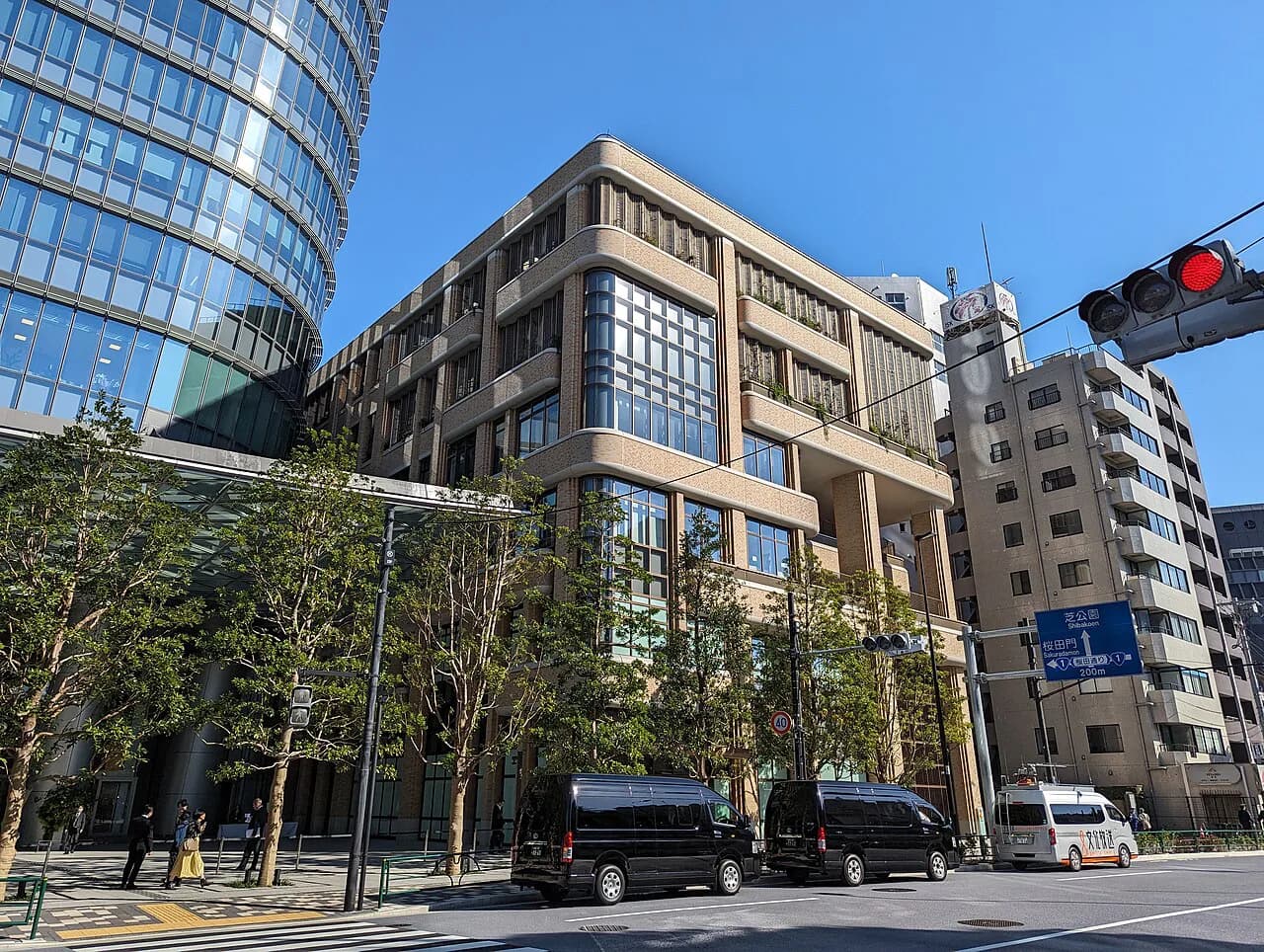
The entrance is on B1 of Azabudai Hills Garden Plaza B. Kamiyacho Station Exit 5 on the Hibiya Line is about two minutes away through a connected underground passage. Roppongi-Itchome Station Exit 4 is roughly six minutes away. Follow Borderless signs inside the complex rather than navigating to the tallest tower.
Pair the museum with Roppongi, the Mori Art Museum, or Tokyo Tower. Avoid stacking Borderless and Planets merely because both are teamLab; the cross-city transfer and sensory fatigue make that a poor same-day plan.
Frequently Asked Questions
How long should you spend at teamLab Borderless?
Most visitors need two to three hours. There is no fixed route or stay limit after entry, but re-entry is not allowed.
Do you get wet at Borderless?
No. The water route belongs to teamLab Planets. Borderless keeps shoes on, though rooms can be dark and floors may vary.
Can you buy tickets at the door?
Only when the date is not sold out, and on-site tickets cost more. Advance official booking is safer.