Shin-Yokohama Station Guide: Shinkansen, Transfers & Tips
Shin-Yokohama Station explained: Shinkansen services, how to reach Haneda and central Yokohama, transfers, luggage tips, and when to board elsewhere.
On this page
Last updated October 2026: Shin-Yokohama train station is the Shinkansen stop for Yokohama, and it sits in North Yokohama, well away from the waterfront and Minato Mirai. Local lines include the JR Yokohama Line, the Yokohama Municipal Subway Blue Line, and the Sotetsu-JR Direct and Tokyu Shin-Yokohama connections. Use this guide to decide whether to board here, change here, or sleep elsewhere, and start with our Japan Travel Guide: Plan Your Trip with Expert Tips & Itineraries for the wider trip.
Shin Yokohama Train Station at a Glance
Shin-Yokohama is a transit hub first and a sightseeing stop second. Tokaido Shinkansen trains call here, so you can reach Tokyo in roughly 18 minutes at the fastest, according to a reseller listing. Confirm that timing on the JR Central station information page before you plan a tight connection. Minato Mirai, Kannai and the harbor sights lie elsewhere in the city. Plan a separate ride to reach them.
- Location: North Yokohama, not on the waterfront.
- Shinkansen: Tokaido Shinkansen, with stopping patterns to verify.
- Local rail: JR Yokohama Line and Yokohama Municipal Subway Blue Line.
- Newer through-running links: Sotetsu-JR Direct and Tokyu Shin-Yokohama Line. Check current operators and timetables.
- Best for: early Shinkansen departures, quiet overnight stays, rail transfers.
How to Get to Shin-Yokohama Station
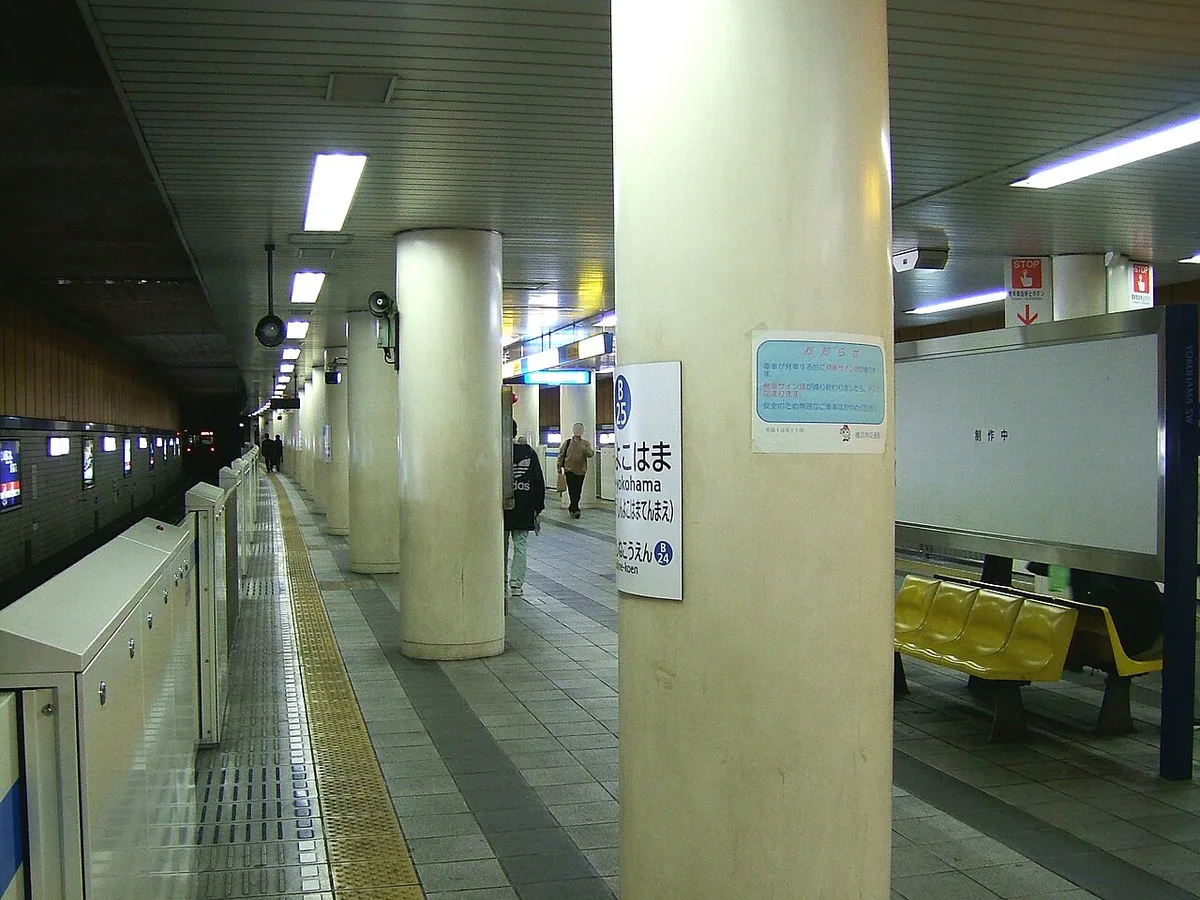
Your route depends on where you start. From central Yokohama and Yokohama Station, the JR Yokohama Line and the subway Blue Line are the usual local options. Check both in a journey planner for current times. From Haneda, plan on one or two changes and add a generous buffer. From Narita, expect a longer trip, so travel in daylight if you carry large bags. From Tokyo or Shinagawa, the Shinkansen itself is the fast option, though it costs more than a local train. Newer through-line services from Sotetsu and Tokyu can cut transfers on some routes. Confirm which operator runs your train that day. Heading for the cruise port later? Our cruise terminal guide covers the waterfront side, and the official Osanbashi visitor page lists port details.
Shinkansen Services from Shin-Yokohama
Shin-Yokohama sits on the Tokaido Shinkansen, so trains run west toward Nagoya, Kyoto and Osaka and east toward Tokyo. Nozomi, Hikari and Kodama are the three train types, and not every Nozomi stops here. Check the timetable for your exact train before you buy. Kodama stops at every station but takes longest. Hikari stops more often than Nozomi. Compare departures in the official JR Central timetable rather than assuming. During major holidays, a reseller page says all Nozomi seats become reserved-only. Verify those periods with JR Central.
Shin-Yokohama vs Yokohama Station vs Shinagawa: Where to Board
Pick the boarding station by your hotel, not by habit. Use the table as a starting point, then confirm each point with official sources.
| Criterion | Shin-Yokohama | Yokohama Station | Shinagawa |
|---|---|---|---|
| Best fit | Stays near the station; early departures | Hotels in central Yokohama | Tokyo-side hotels |
| Changes from a Minato Mirai hotel | Usually at least one; verify route | Check route | Check route |
| Shinkansen availability | Tokaido line; not every Nozomi stops (verify) | Not a Shinkansen stop | Tokaido line; verify patterns |
| Crowds and luggage | Verify on-site | Verify on-site | Verify on-site |
| Fares | Check JR Central | Check JR Central | Check JR Central |
Station Layout, Transfers, and Luggage
Expect the Shinkansen concourse and the JR and subway levels to sit separately. Allow extra minutes for the walk between them, and verify the elevator route on-site or in official station information. Luggage rules matter more than layout. A reseller page cites a 160 cm total-dimension limit for bags without a reservation. Bags from 160 cm to 250 cm need an oversized-baggage seat, and bags over 250 cm are not allowed. It also cites a ¥1,000 fee for unreserved oversized bags. Confirm every figure with JR Central before travel. Families with strollers can compare stays in our family hotel picks.
- Measure length plus width plus height before you pack.
- Reserve an oversized-baggage seat early if your bag exceeds 160 cm.
- Consider luggage delivery for very large items.
- Mark lockers and elevators as verify on-site.
Tickets, Fares, and Booking Options
Money-wise, a reseller listing shows ¥4,370 for an unreserved Shin-Yokohama to Tokyo ticket. Treat that as a vendor price, not an official fare. Check the current fare on JR Central before budgeting. You can buy at the station, book online through an official-style service, use a rail pass if it covers the Tokaido line, or use a third-party reseller. Reserved seats guarantee a place. Unreserved cars are first-come and can mean standing in busy periods. Reseller QR vouchers may need exchange for a physical ticket, and one vendor advises arriving 30 minutes before departure. Do not assume that rule applies elsewhere.
Bags over 160 cm without a reservation are a problem, so pair big luggage with a reserved ticket.
Staying Near Shin-Yokohama: Is It Worth It?
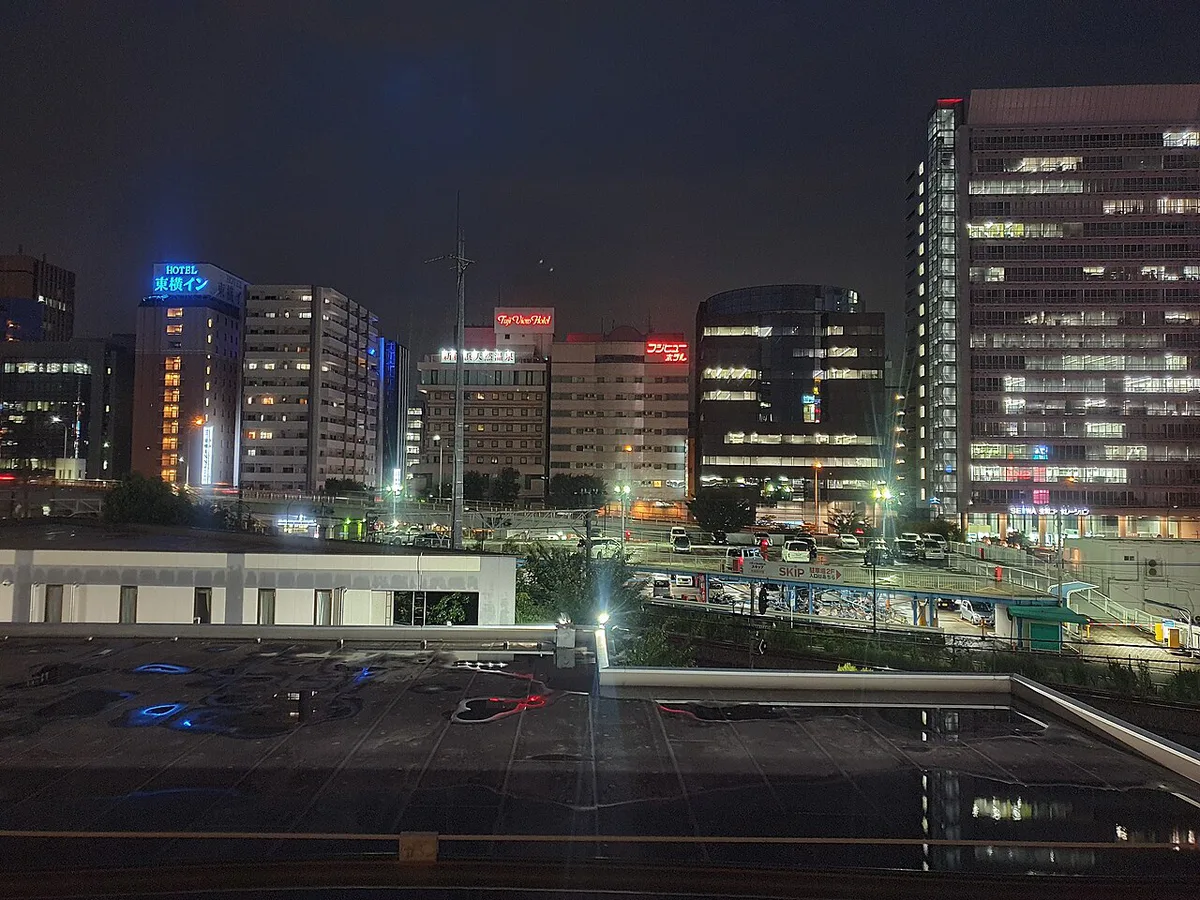
Stay here for an early Shinkansen, a quieter night, and easy rail access. Skip it if you want harbor views or evening strolls. Minato Mirai and Kannai sit a longer ride away, so you trade sightseeing proximity for transit speed. Compare neighborhoods in our guide to where to stay. Browse specific properties in our Yokohama hotel roundup.
Harbor-view plans add more travel than the roughly 18 minutes to Tokyo, because Minato Mirai sits a longer ride away.
What to Do Nearby, and Whether It Is Worth the Time
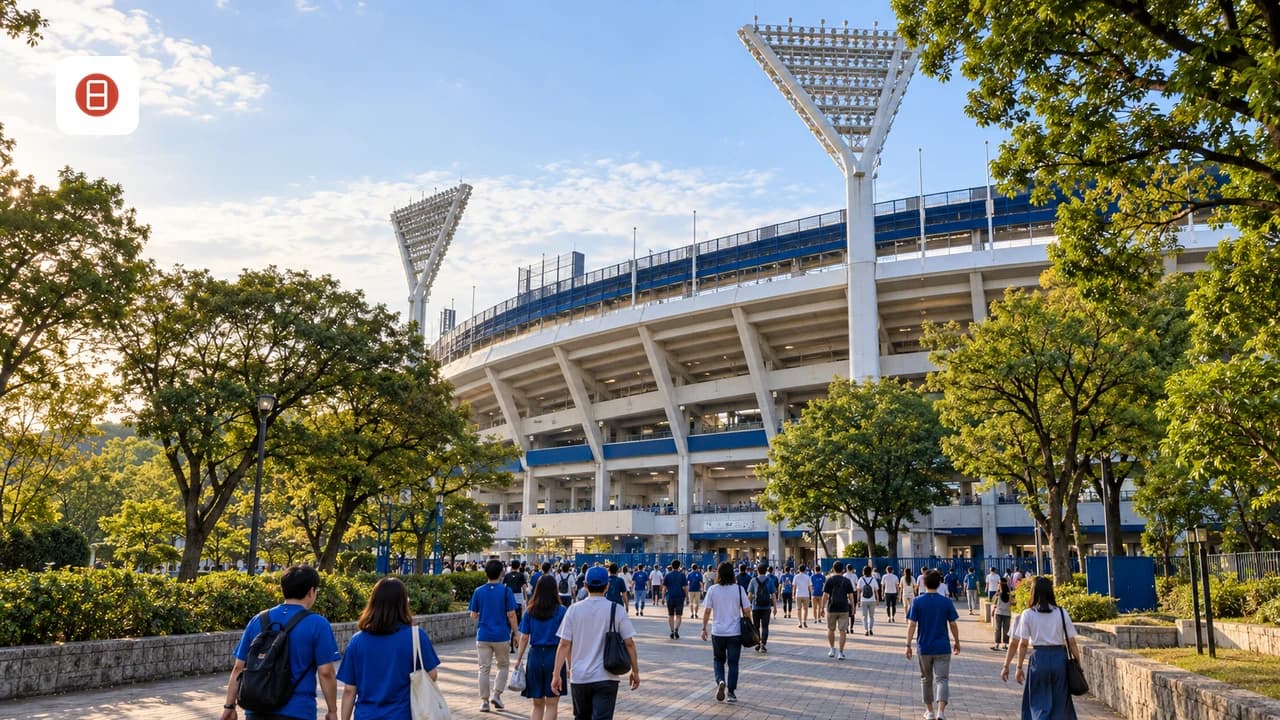
Most visitors treat the area as a stopover. If you have a spare hour, eat near the station and keep your sightseeing for the waterfront. Confirm any named venue in official sources before you go. For the main sights, continue to our Yokohama attractions guide. On ballgame days, crowds may reach the station. Check the Baystars visitor information, then read our Baystars ticket guide. Large events at nearby venues can also crowd platforms, so verify dates separately.
Mistakes to Avoid
Most errors come from assuming. Avoid these:
- Assuming Shin-Yokohama is near Minato Mirai.
- Assuming every Nozomi stops here.
- Packing a bag over 160 cm without a seat reservation.
- Booking a tight connection on a first-day arrival with large luggage.
- Treating a reseller price as the official fare.
- Guessing the Mt. Fuji side. Verify seat letters and direction before booking.
Frequently Asked Questions
Which line connects Shin-Yokohama Station to central Yokohama?
The JR Yokohama Line and the Yokohama Municipal Subway Blue Line are the main local options. Check a journey planner for current times to Yokohama Station or Kannai.
How long is the Shinkansen from Shin-Yokohama to Tokyo?
A reseller listing cites about 18 minutes at the fastest. Confirm this against the JR Central timetable. For Kyoto, check the same timetable for your train type.
Do all Shinkansen stop at Shin-Yokohama?
No. Not every Nozomi stops here, so verify your exact train. Hikari and Kodama stop more often.
Is Shin-Yokohama near Minato Mirai or the waterfront?
No. It is in North Yokohama. Plan a separate ride to the harbor, and use our attractions guide for the next step.
Is Shin-Yokohama worth staying at, or only for transit?
It suits early departures and quiet nights. Choose Minato Mirai or Kannai if sightseeing matters more than rail access.
Free: The Yokohama Essentials guide
Top things to do, where to stay, a perfect day plan, getting around, and the best time to go — a Yokohama mini-guide you can take offline.
You might also like



Continue reading
More guides you'll find useful