10 Best Areas to Stay in Yokohama (2026): Neighborhood Guide
Discover the best areas to stay in Yokohama. Compare Minato Mirai, Chinatown, and Kannai with hotel picks, transit tips, and a Yokohama vs. Tokyo value guide.
On this page
After five visits to the Kanagawa prefecture, I have found that Yokohama offers a breathing room Tokyo often lacks. The city provides wider streets, larger hotel rooms, and a refreshing sea breeze that makes urban exploration much more relaxing. Deciding between Yokohama vs Tokyo: 8 Key Differences for Your Japan Trip often comes down to your desire for space and value.
This guide was last refreshed in October 2026 following my most recent stay in the Noge district. I have personally vetted these neighborhoods to ensure they meet modern standards for safety, transit, and local charm. Updated prices and transit rules for 2026 are included to help you budget accurately for your upcoming trip.
During my last stay, I realized that many travelers accidentally book hotels far from the actual sightseeing hubs. Choosing the right base is essential because the city is more spread out than it looks on a map. I recommend prioritizing proximity to the Minato Mirai Line or JR Negishi Line for the most seamless experience.
Is it Better to Stay in Tokyo or Yokohama?
The value proposition of staying in Yokohama is significantly higher than in the crowded centers of Shinjuku or Shibuya. Average business hotel rooms here often measure 20 square meters compared to the cramped 12 square meters found in Tokyo. You will frequently find that your yen goes much further when booking mid-range accommodation near the waterfront.
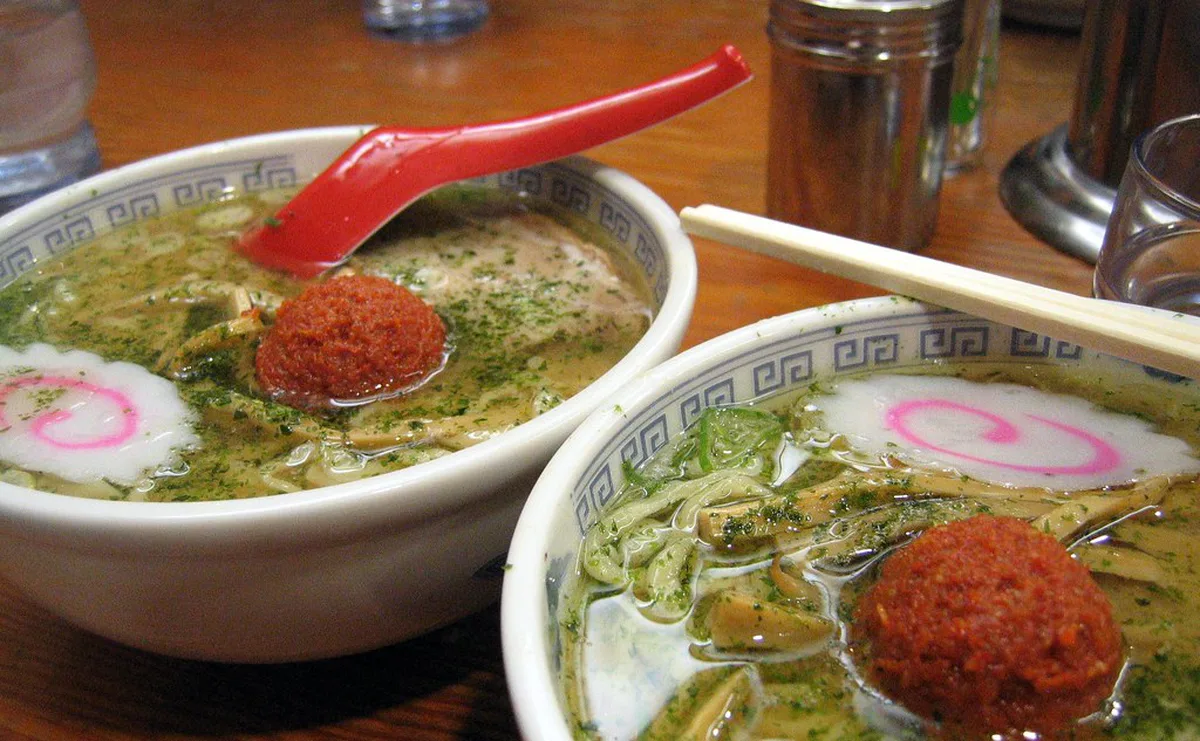
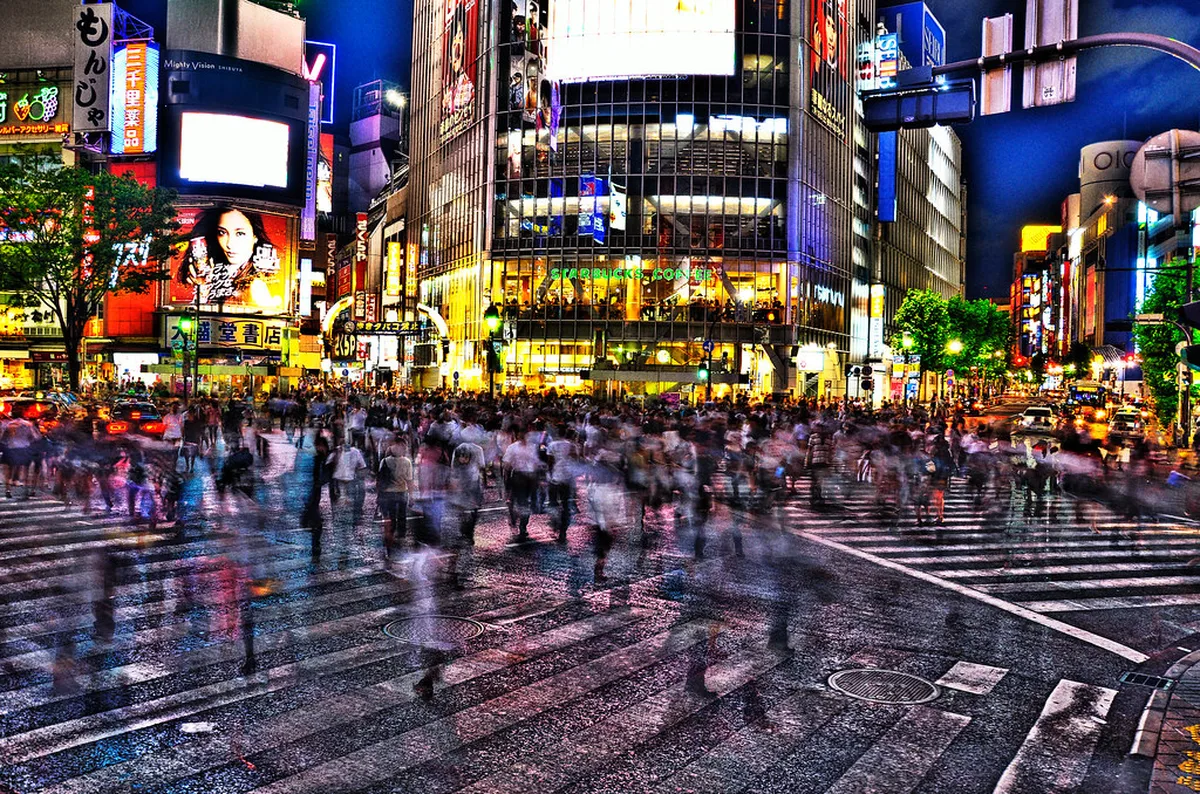
Commuting into central Tokyo takes roughly 30 minutes via the JR Tokaido or Shonan-Shinjuku lines. This makes the city an excellent base for those who want to see the capital without paying premium nightly rates. The atmosphere is noticeably calmer, which is a massive benefit after a long day of fighting crowds at Shibuya Crossing.
Most travelers find that the lower prices and better views more than compensate for the short train ride. However, if your itinerary is exclusively focused on West Tokyo nightlife, the late-night transit costs might add up. I suggest weighing the cost of a JR pass against the savings you earn on your hotel room.
Yokohama is best accessed via the Minato Mirai Line and JR Negishi Line. These transit hubs connect most top neighborhoods and make it easy to move between districts without paying extra fares.
10 Best Areas to Stay in Yokohama (2026)
Selecting the right area depends on whether you prefer modern luxury, historic charm, or convenient transit hubs. Our editors have reviewed the Yokohama Neighborhoods Guide: 11 Best Areas and Travel Tips to select these top ten locations. Each spot offers a unique vibe that caters to different types of travelers from solo backpackers to families.
The following list focuses on accessibility and the quality of local amenities like dining and shopping. We have also considered the Tips and Areas for Hotels in Yokohama 2026 within each specific district for your convenience. Expect to find a mix of international chains and unique local boutique stays throughout these selected zones.
- Minato Mirai 21 Waterfront District
- This futuristic district serves as the city's primary tourism hub with iconic skyline views and luxury hotels.
- Expect to pay between $180 and $450 per night for high-end rooms with floor-to-ceiling harbor windows.
- Most hotels in this area operate 24-hour receptions with standard check-in times starting at 3 PM daily.
- Book a room on a higher floor to see the Cosmo Clock 21 Ferris wheel light up every evening.
- Yokohama Chinatown Culture Zone
- Staying here puts you in the heart of Japan's largest Chinatown surrounded by vibrant colors and delicious cuisine options.
- Boutique hotels and mid-range stays typically cost between $90 and $170 per night depending on the season.
- Many local guest houses are open daily but some smaller restaurants nearby close on Tuesdays or Wednesdays.
- Visit the Kanteibyo Temple early in the morning before the massive midday tour groups arrive at 11 AM.
- Kannai Historic and Government Center
- Kannai offers a blend of Western-style historic architecture and very affordable business hotels for budget-conscious travelers.
- Standard room rates usually range from $65 to $110 per night for clean and functional spaces.
- The area is highly accessible via the JR Negishi Line and the Blue Line subway throughout the day.
- Check out the Yokohama HouseBar if you prefer a more local residential feel during your stay.
- Noge District Nightlife Hub
- Noge is the best choice for travelers who want an authentic Showa-era atmosphere filled with small izakayas.
- Accommodation here is mostly focused on budget hotels and capsule options ranging from $40 to $85 nightly.
- Most bars in the area open at 5 PM and stay busy until well past midnight on weekends.
- Try the local specialty of skewered meats at a standing bar for a truly immersive evening experience.
- Yokohama Station Shopping Area
- This is the most convenient location for those planning frequent day trips to Tokyo or Kamakura by train.
- Large international hotels and department store stays cost between $130 and $220 per night on average.
- The station complex is open from early morning until the last train around 1 AM every night.
- Use the underground walkways to navigate between hotels and malls without ever having to step out into the rain.
- Shin-Yokohama Shinkansen Gateway
- Choose this area if you have an early morning bullet train to Kyoto or Osaka the next day.
- Business hotels dominate this district with reliable pricing between $70 and $130 per night for standard rooms.
- The Shinkansen gates are open from 6 AM until late evening for travelers moving across the country.
- The Ramen Museum is located just a few minutes away and makes for a perfect final dinner in town.
- Yamashita Park Waterfront Strip
- This scenic area is perfect for those who enjoy morning jogs and quiet evenings by the water.
- Classic luxury hotels here often charge between $200 and $400 for rooms with historic naval views.
- Yamashita Park is a public space open 24 hours a day with beautiful rose gardens blooming in spring.
- Walk to the Osanbashi Pier at sunset for the best free panoramic view of the entire city skyline.
- Motomachi Fashion and Boutique Street
- Motomachi offers a sophisticated European vibe with high-end shopping and quiet, upscale residential streets for visitors.
- Expect limited hotel options that lean toward the premium side with rates starting around $150 per night.
- Shops in this district typically open at 11 AM and close earlier than those in the station area.
- This is the best neighborhood for finding unique Japanese leather goods and high-quality local jewelry brands.
- Ishikawacho Local Neighborhood
- Ishikawacho provides a quieter alternative to Chinatown while remaining within walking distance of the main tourist sights.
- Guest houses and small local hotels offer competitive rates between $55 and $95 per night for travelers.
- The local train station connects directly to the JR Negishi Line for easy access to the waterfront.
- Explore the backstreets to find hidden cafes that serve excellent pour-over coffee to the local community.
- Kanazawa-ku Family Friendly Zone
- Located further south, this area is ideal for families visiting Sea Paradise or the local beaches and parks.
- Resort-style hotels and family suites generally cost between $120 and $250 per night during the peak season.
- The Seaside Line provides a scenic automated train ride through the district with views of the bay.
- Plan a full day at the aquarium here as it is one of the largest facilities in Japan.
| Area | Best For | Price Range | Transit Access |
|---|---|---|---|
| Minato Mirai | First-timers, luxury seekers | $180–$450/night | Minato Mirai Line |
| Chinatown | Culture, dining enthusiasts | $90–$170/night | JR Negishi Line |
| Kannai | Budget travelers | $65–$110/night | JR Negishi Line, Blue Line |
| Noge | Nightlife, authentic experience | $40–$85/night | Local area |
| Yokohama Station | Day-trippers, Tokyo access | $130–$220/night | JR/Station complex |
What to Skip: Overrated Yokohama Stays
While most areas in the city are safe and clean, I recommend skipping the industrial zones near Tsurumi. These neighborhoods are often listed for their low prices but they lack the charm and dining options of central districts. You will likely spend more on train fares and time than you actually save on the nightly room rate.
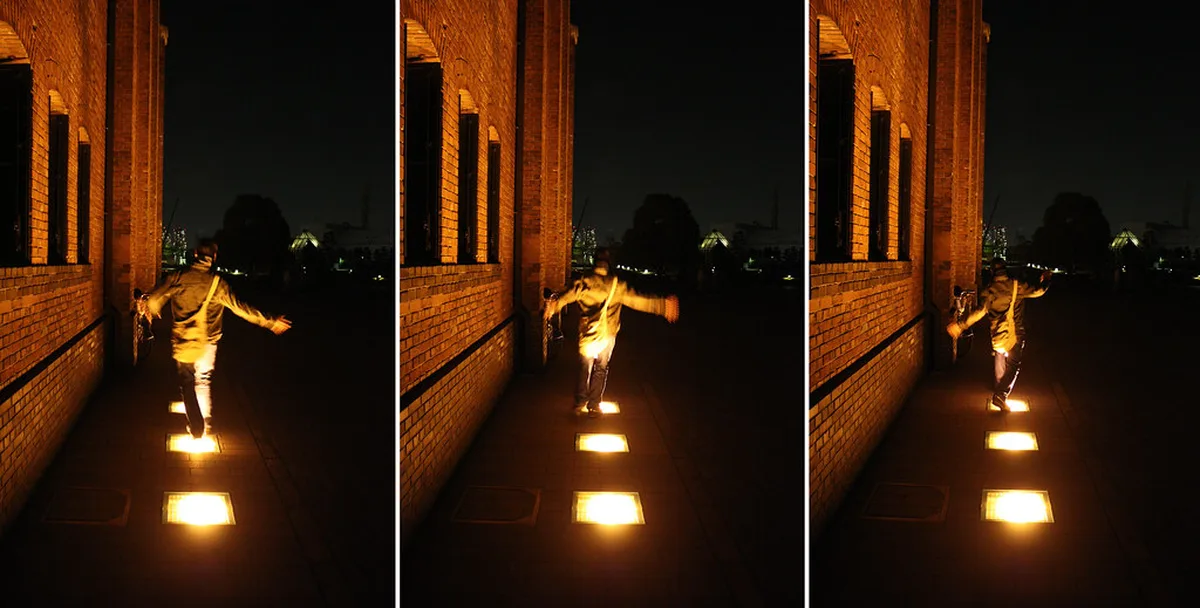
I also suggest avoiding hotels that are more than a ten-minute walk from a major train station. Yokohama is a hilly city in certain parts and dragging luggage up steep inclines is a common visitor mistake. Stick to the flat coastal areas or the immediate vicinity of the main transit hubs for a better experience.
Some older business hotels near the port can be quite dated with lingering smoke smells in the hallways. Always check recent reviews from 2026 or 2026 to ensure the property has maintained its cleanliness standards. It is often worth paying an extra $10 for a guaranteed non-smoking room in a newer building.
Yokohama's hilly terrain means dragging luggage can be challenging. Stay within a ten-minute walk of a major train station for easier navigation with your bags.
How Many Days Do You Need in Yokohama?
Many people visit as a day trip, but staying for two nights allows you to see the city's best side. The skyline is most impressive after dark when the buildings and the Ferris wheel are fully illuminated. A two-day stay gives you enough time to explore Chinatown, Minato Mirai, and the historic Sankeien Garden.
If you use the city as a base, you can easily reach Kamakura in under 25 minutes by train. This strategy allows you to avoid the higher hotel prices found in the smaller seaside temple town. I find that three days is the perfect amount of time to balance city sights with coastal relaxation.
Budgeting for your stay is straightforward as most major attractions have very reasonable entry fees for visitors. Most travelers spend roughly $40 to $60 per day on food and local transit after paying for accommodation. Check out the Ways to Navigate Yokohama: A Transport Guide guide to find the best day passes for your itinerary.
Frequently Asked Questions
Is it cheaper to stay in Yokohama than Tokyo?
Yes, Yokohama hotels are generally 20% to 30% cheaper than comparable properties in central Tokyo. You also get significantly more floor space for your money in most business and luxury hotels. This makes it a great value choice for families or long-term travelers.
What is the best area for first-time visitors?
Minato Mirai 21 is the best area for first-timers due to its central location and proximity to major attractions. It offers excellent transit links via the Minato Mirai Line. You will be within walking distance of the waterfront, shopping malls, and several museums.
How long does it take to get to Tokyo from Yokohama?
The train ride from Yokohama Station to Tokyo Station takes approximately 30 minutes on the JR Tokaido Line. Shinkansen trains from Shin-Yokohama reach Tokyo in just 18 minutes. Frequent service runs from early morning until midnight daily for commuters and tourists.
Choosing the best area to stay in Yokohama depends on your travel style and your overall budget for the trip. Whether you pick the modern towers of Minato Mirai or the historic streets of Kannai, you will enjoy a unique atmosphere. The city remains one of the best-kept secrets for travelers who want a high-quality Japanese urban experience.
I hope this neighborhood breakdown helps you find the perfect home base for your next adventure in Kanagawa. Remember to book your preferred hotel at least two months in advance for the best rates in 2026. Safe travels and enjoy the incredible harbor views that only this vibrant port city can provide.
Free: The Yokohama Essentials guide
Top things to do, where to stay, a perfect day plan, getting around, and the best time to go — a Yokohama mini-guide you can take offline.
You might also like


Continue reading
More guides you'll find useful