

How Many Days in Yokohama? 1, 2 or 3-Day Plans
Wondering how many days in Yokohama is enough? Get 1, 2 and 3-day plans covering Chinatown, Sankeien Garden and Noge nightlife, from a third-visit guide.
On this page
Yokohama is a vibrant port city just south of Tokyo that offers a refreshing change of pace. Many visitors wonder exactly how many days in Yokohama are necessary to see the best sights. This guide is perfect for first-timers looking to escape the Tokyo crowds for a few days.
I wrote this guide after my third visit to help you decide your perfect trip length. Last refreshed after my spring visit in May 2026, it reflects the latest opening times and costs. Whether you want a day trip or a slow stay, this detailed Yokohama Itinerary 2026: Complete 1–5 Day Guide (With Budget Tips) has you covered.
At a Glance: 3-Day Yokohama Itinerary
Planning a trip to this harbor city requires balancing modern attractions with historic districts. A three-day stay allows you to see the waterfront, the gardens, and the local nightlife. I found that staying overnight helps you avoid the morning rush from central Tokyo.
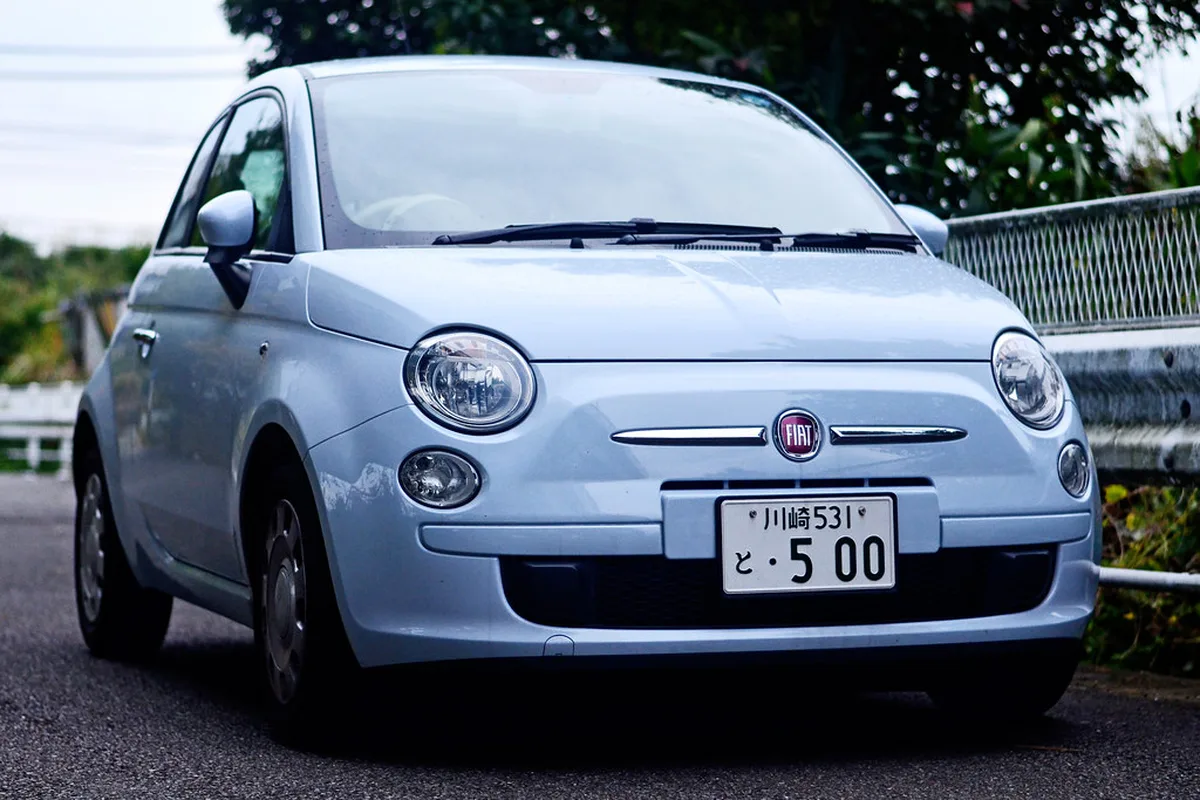
The city is divided into several distinct zones that are easy to navigate by train. Minato Mirai serves as the modern heart, while Chinatown offers a traditional sensory experience. Follow this summary to get a quick idea of your daily goals.
- Day 1: Waterfront and Noodles classics
- Morning: Minato Mirai harbor walk
- Afternoon: Cup Noodle Museum visit
- Evening: Chinatown street food tour
- Day 2: Culture and Nightlife exploration
- Morning: Red Brick Warehouse shopping
- Afternoon: Yamashita Park stroll
- Evening: Noge district bar hopping
- Day 3: Gardens and Slow Travel peace
- Morning: Sankeien Garden traditional walk
- Afternoon: Yamate western house tour
- Evening: Marine Tower sunset views
Most Yokohama attractions open around 10:00 AM, so you can enjoy a slow breakfast first. Staying overnight helps you avoid the morning rush from central Tokyo, allowing a more relaxed pace that avoids travel burnout.
Is Yokohama Worth Visiting?
Travelers often ask if they should skip Yokohama in favor of staying in Tokyo. Yokohama feels much more spacious and breezy than the dense streets of Shinjuku. The maritime history provides a unique international atmosphere you won't find elsewhere.
I personally love the wide sidewalks and the views of the Tokyo Bay. Food lovers will find some of the best ramen and dumplings in the country here. A visit to Yokohama Chinatown is worth the trip alone for the flavors.
The 3-Day Yokohama Itinerary: Day-by-Day
Spending three days here allows for a relaxed pace that avoids travel burnout. You can dive deep into the neighborhoods rather than just checking off major landmarks. Most attractions open around 10:00 AM, so you can enjoy a slow breakfast first.
We hit the harbor at 9:30 AM and enjoyed the empty piers before the crowds. Walking between the main waterfront sites is easy and very scenic in good weather. Make sure to wear comfortable shoes as you will likely walk several miles daily.
- Day 1: Waterfront and Noodles classics
- Morning: Explore Minato Mirai harbor
- Afternoon: Interactive Cup Noodle Museum
- Evening: Dinner in vibrant Chinatown
- Time: 8 hours total
- Logistics: Use Minato Mirai Line
- Optional: Ride the Air Cabin gondola
- Day 2: Culture and Nightlife exploration
- Morning: Shop at Red Brick Warehouse
- Afternoon: Relax in Yamashita Park
- Evening: Izakaya hopping in Noge
- Time: 9 hours total
- Logistics: Walkable waterfront area
- Optional: Visit Hikawa Maru ship
- Day 3: Gardens and Slow Travel peace
- Morning: Wander through Sankeien Garden
- Afternoon: Visit Yamate Western Houses
- Evening: Views from Marine Tower
- Time: 7 hours total
- Logistics: Bus to Sankeien required
- Optional: Visit the Motomachi shops
Book in Advance: Essential Reservations
Some popular spots in Yokohama can get very crowded on weekends and holidays. You should book your DIY ramen session at the museum at least two weeks early. The Cup Noodle Museum Official Site offers online reservations for the factory.
Timed entry for the Landmark Tower Sky Garden is also recommended for sunset times. Popular restaurants in Chinatown often require a booking for Saturday night dinners. Planning these ahead saves you from waiting in long queues during your vacation.
Morning Stroll Through Sankeien Garden
I arrived at Sankeien Garden at 9:00 AM and had the pond to myself. This massive traditional garden features 17 historic buildings brought from across Japan. Admission typically costs 900 JPY ($6) and the gates are open 9:00 AM–5:00 PM.
Historic structures like the three-story pagoda make for incredible photography opportunities. The garden is a fantastic alternative to the crowded parks in Kyoto or Tokyo. Expect to spend about two hours wandering the various paths and tea houses.
Afternoon Antics in the Cup Noodle Museum
The Cup Noodle Museum is a highlight for families and foodies alike. Adult admission is only 500 JPY ($3.50), and it is open daily 10:00 AM–6:00 PM. Inside, you can learn about the history of instant ramen through colorful exhibits.
The most popular activity is designing your own custom cup of noodles. I recommend visiting on a weekday to avoid the school group rushes. Allow at least 90 minutes to see the exhibits and complete the workshop.
Nightlife in Noge: Bars and Izakayas
Noge is the best place to experience authentic Japanese drinking culture in Yokohama. This district is famous for its 'tachinomiya' or standing bars that serve small plates. I found that Noge has the best atmosphere after 7:00 PM when locals finish work.
Most bars are small, so be prepared to squeeze in with other patrons. Ordering a few skewers of yakitori and a cold beer is the local way. Check out our Yokohama Food Guide: 12 Must-Try Dishes and Places for specific bar recommendations.
How to Get to Yokohama from Tokyo
Getting from Tokyo to Yokohama is incredibly simple and fast. The JR Tokaido Line connects Tokyo Station to Yokohama in just 25 minutes. If you are in Shibuya, the Tokyu Toyoko Line is a very cheap option.
Trains run frequently from early morning until well past midnight every day. A one-way ticket usually costs between 300 and 500 JPY ($2–$3.50). I suggest using an IC card like Suica for seamless transfers between lines.
Where to Stay in Yokohama
Choosing the right base makes a big difference in your overall travel experience. Minato Mirai is home to the best hotels in Yokohama with harbor views. This area is perfect for couples looking for a romantic evening atmosphere.
Budget travelers should look at the Kannai area for more affordable business hotels. Kannai is close to both the waterfront and the lively Noge nightlife district. Staying near Yokohama Station is best if you plan many day trips by train.
Add an Extra Day: Day-Trip Add-Ons
If you have more time, you can easily plan a day trip nearby. Kamakura is only 25 minutes away and offers beautiful temples and a giant Buddha. The coastal town of Enoshima is another great choice for seafood and sea views.
Nature lovers might enjoy heading further south to the Miura Peninsula for hiking. Hakone is also reachable for those wanting a hot spring experience near Mt. Fuji. These extensions turn a short city break into a full regional exploration.
Getting Around: Transit Options
The city is very walkable, especially along the scenic waterfront promenade. For longer distances, the Akai Kutsu red buses are very convenient for tourists. These buses loop through the main sightseeing spots for a flat 220 JPY fare.
The Minato Mirai subway line is the fastest way to travel between major hubs. I often use the Yokohama Air Cabin Tickets for a scenic shortcut. This gondola ride offers a unique perspective of the skyline from above.
Make sure to wear comfortable shoes—you will likely walk several miles daily, especially along the scenic waterfront. Consider purchasing an IC card like Suica for seamless transfers between train lines, as trains run frequently from early morning until well past midnight every day.
Best Time to Visit Yokohama
Spring is arguably the best time to visit for the cherry blossom season. Yamashita Park and Sankeien Garden are covered in pink petals during late March. Summer brings exciting fireworks displays over the harbor, though it can be humid.
Autumn offers cool temperatures and vibrant fall foliage in the traditional gardens. Winter is surprisingly beautiful with massive illumination displays throughout Minato Mirai. I recommend visiting in May or October for the most comfortable walking weather.
Yokohama Travel Tips and FAQs
Many travelers find that two days is the sweet spot for a first visit. This allows you to see the main sights without feeling rushed or exhausted. Always carry some cash for the smaller food stalls in Chinatown and Noge.
The Red Brick Warehouse is a great spot for souvenir shopping and snacks. Most shops there are open from 11:00 AM until 8:00 PM daily. Don't forget to check the weather before booking the Air Cabin for the best views.
Frequently Asked Questions
Is one day enough in Yokohama?
One day is enough to see the waterfront and Chinatown. However, you will miss the gardens and nightlife. Two days is much better for a complete experience.
Is Yokohama cheaper than Tokyo?
Hotel prices in Yokohama are often 20% lower than in central Tokyo. Food costs are similar, but you get more space for your money. It is a great budget alternative base.
What is Yokohama famous for?
Yokohama is famous for its massive Chinatown and the modern Minato Mirai skyline. It was the first port to open to foreign trade in Japan. This history is visible in its architecture.
Deciding how many days in Yokohama depends on your interest in food and history. A two-day trip offers the perfect balance for most international travelers. You will leave with a deep appreciation for this breezy, international port city.
I hope this guide helps you plan an unforgettable stay in Kanagawa Prefecture. Whether you come for the ramen or the gardens, Yokohama never fails to impress. Safe travels as you explore one of Japan's most underrated urban gems.
Combine this with our Yokohama attractions guide for a fuller itinerary.
Free: The Yokohama Essentials guide
Top things to do, where to stay, a perfect day plan, getting around, and the best time to go — a Yokohama mini-guide you can take offline.
You might also like


Continue reading
More guides you'll find useful


