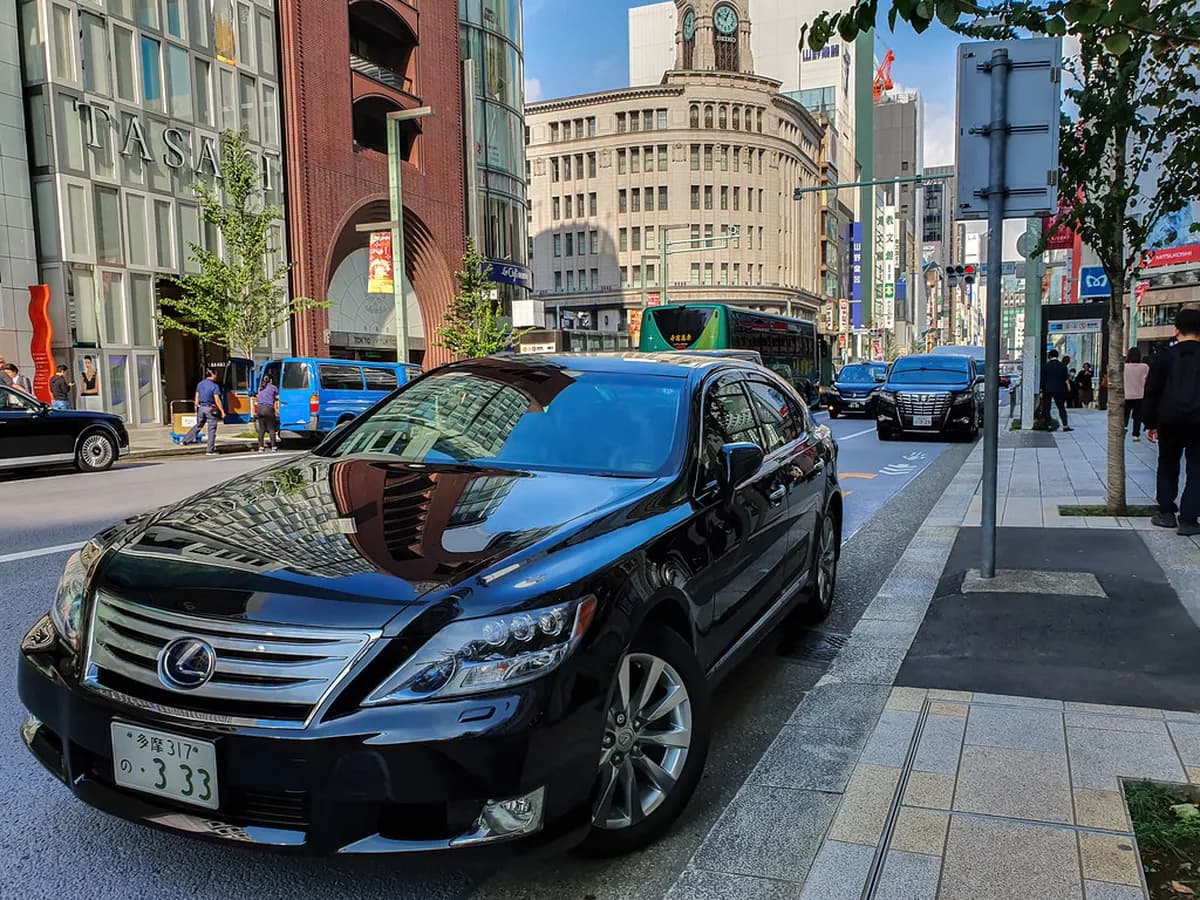
Yokohama Chinatown Festivals: 2026 Spring Festival Guide
See the 2026 Yokohama Chinatown Spring Festival schedule, lion dance viewing spots, lantern dates, transport options, and festival food costs.
On this page
Last updated August 2026, Yokohama Chinatown festivals follow a set annual calendar anchored by the Lunar New Year Spring Festival. The 15-day celebration brings five lion dancers, a costumed parade, and nightly lantern illuminations to Main Street. This guide covers the 2026 schedule, top viewing spots, and festival food costs, from street snacks to sit-down banquets.
Yokohama Chinatown Festivals: A Year-Round Calendar
Yokohama Chinatown, known locally as Yokohama Chukagai, is Japan's largest Chinatown and the stage for four major annual festivals tied to the Chinese lunar calendar. Its festivals differ from typical city matsuri because lunar dates shift each year, so the Spring Festival lands on a different date every February. Yokohama's citywide festivals and events calendar covers the broader lineup, while Chinatown runs its own schedule inside it. For a broader case on timing a Yokohama trip around its calendar, see the Is Yokohama Worth Visiting? Honest 2026 Travel Guide guide.
| Festival | Timing | Highlight |
|---|---|---|
| Spring Festival (Lunar New Year) | Feb 17 – Mar 3, 2026 (15 days) | Lion and dragon dance parades |
| Chinese New Year Lanterns | Nov 1, 2025 – late Feb 2026 | Illuminated dragon on Main Street |
| Mazu Festival | Spring equinox | Temple procession at Yokohama Masobyo |
| Yue Lao Festival | July 7 | Prayers for lasting relationships |
| Mid-Autumn Festival | September | Mooncakes and traditional performances |
| New Year's Eve Countdown | December 31 | Midnight firecrackers and lion dance |
The 2026 Spring Festival Schedule
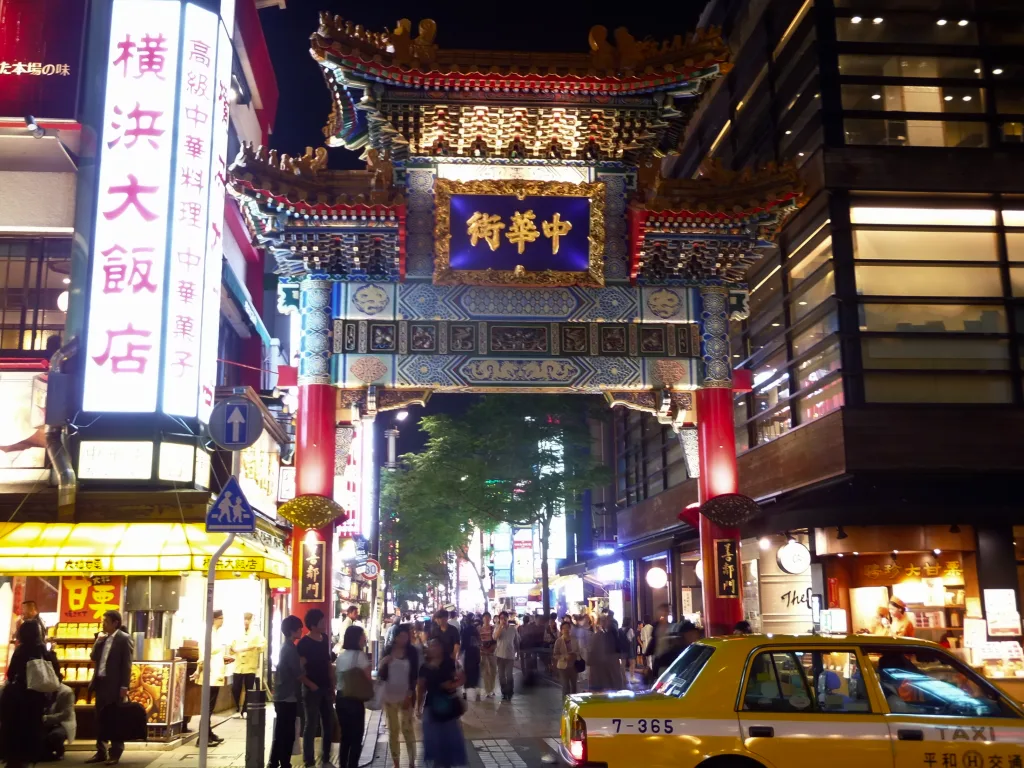
Yokohama Chinatown's flagship event is the Spring Festival, timed to the Lunar New Year. In 2026 it opens February 17 and runs through March 3, and the Yokohama Official Visitors Guide lists that full date range on its event calendar. Firecrackers, cymbals, drums, and gongs fill Chinatown's streets throughout the run, alongside lion and dragon dance performances.
Lanterns glow nightly from 16:00 to 23:00 spanning November 2025 through late February, extending well beyond the 15-day Spring Festival window.
| Date | Event | Time |
|---|---|---|
| Feb 16 | New Year's Eve countdown with lion dance | Midnight |
| Feb 17 | Chinatown Lion Dance, five lions touring the district | Around 4:00 PM |
| Feb 21 | Celebratory parade loop with emperor costumes | From 4:30 PM |
| Feb 22–23 | Traditional performances at Yamashitacho Park | From 1:00 PM |
| Feb 28 – Mar 1 | 40th-anniversary street performances, mask-changing | Around 3:30 PM |
- For lion dance viewing, Main Street carries the parade route and draws the densest crowds.
- Yamashitacho Park hosts the February 22 and 23 performances with more standing room and a clearer sightline to the acrobatics.
- Pick Main Street for the processional energy of drums and firecrackers, or the park for a steadier view of the dragon dance routines.
- Lantern illuminations run alongside the Spring Festival under the Chinese New Year Lanterns banner.
- Its official listing spans November 1, 2025 through late February 2026, lit nightly from 16:00 to 23:00, with free admission throughout.
- A grand dragon towers over Main Street, and a smaller dragon animates the night sky above Kanteibyo Street.
- Organizers can adjust dates or cancel individual performances without notice, so confirm same-day timing by calling Chinatown's information line at 045-662-1252 before heading out.
Mazu Festival, Yue Lao, and Chinatown's Other Annual Festivals
Beyond the Spring Festival, Yokohama Chinatown keeps four smaller annual observances rooted in Chinese folk religion and the lunar calendar.
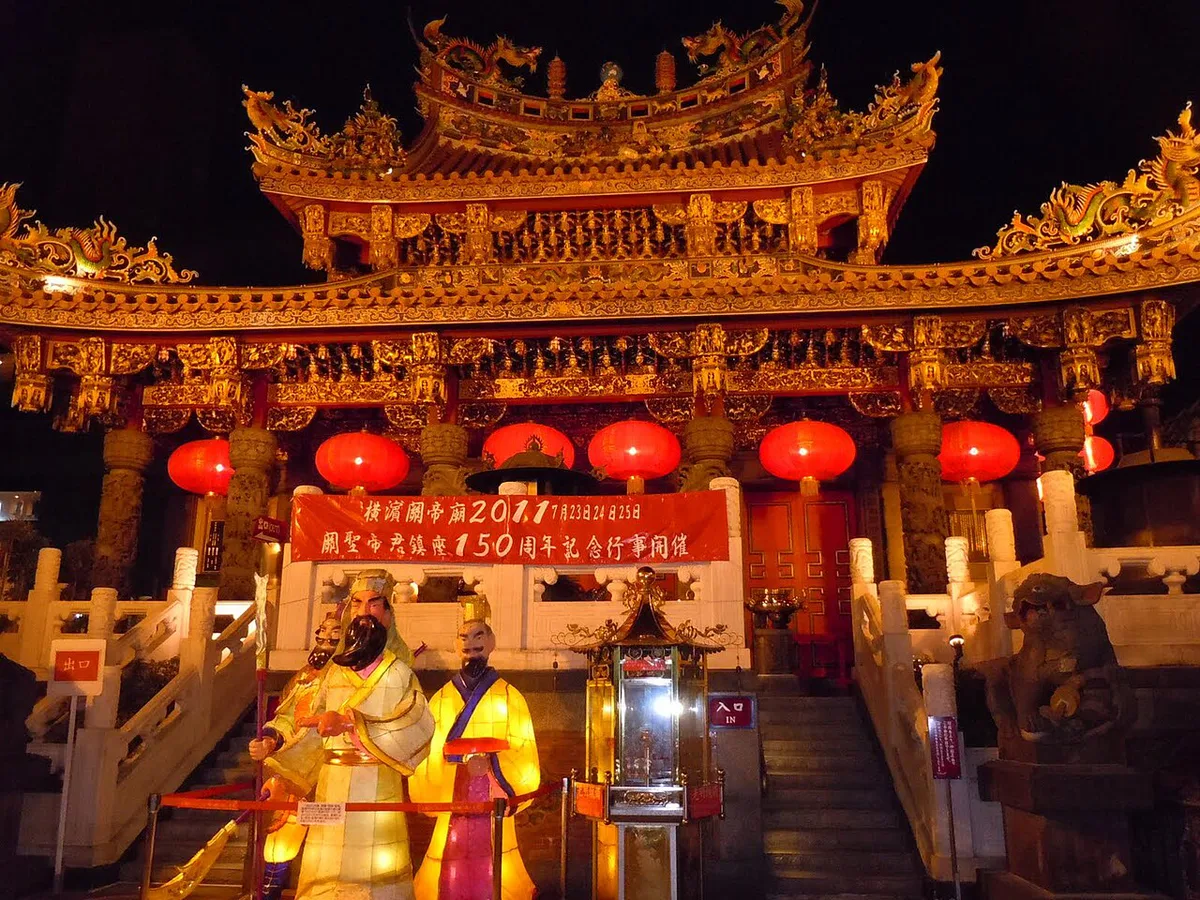
- Mazu Festival (spring equinox): a temple procession at Yokohama Masobyo offers lion dance performances to the goddess Mazu for community safety and prosperity.
- Yue Lao Festival (July 7): visitors pray to Yue Lao, known as the Old Man Under the Moon, for lasting relationships.
- Mid-Autumn Festival (September): mooncakes and traditional Chinese performances mark the harvest.
- New Year's Eve Countdown (December 31): firecrackers and lion dance routines lead the neighborhood into midnight.
Getting to Yokohama Chinatown During Festival Season
Two train lines serve Chinatown directly, and each trades off differently once festival crowds build. Motomachi-Chukagai Station sits about 35 meters from the district's entrance, so its platform fills fast once a parade starts moving through the Zenrin Mon gate. Ishikawacho Station is roughly 0.8 kilometers away, and the longer walk trades convenience for a calmer platform during peak parade times. Choose Motomachi-Chukagai if minimizing walking time matters most, and choose Ishikawacho if avoiding platform crowds matters more.
| Route | Line | Fare | Journey |
|---|---|---|---|
| Shibuya → Motomachi-Chukagai | Tokyu Toyoko Line | ¥480 | 39 minutes |
| Shinagawa → Ishikawacho | Keihin-Tohoku Line | ¥470 | 35 minutes |
| Yokohama Station → Motomachi-Chukagai | Minatomirai Line | ¥210 | 6-minute walk to Chinatown |
| Yokohama Station → Ishikawacho | JR Negishi Line | ¥160 | 8-minute walk to Chinatown |
| Yokohama Station → Kannai | Blue Line subway | ¥210 | 12-minute walk to Chinatown |
- Akai Kutsu's loop bus connects Yokohama's main sightseeing spots, including Chinatown, roughly every 15 minutes for a ¥100 one-way fare.
- A Minato Burari day pass covers unlimited rides on the same network for ¥500, worth it if your where to stay in Yokohama pick sits outside walking distance.
- For the full breakdown of subway lines, passes, and taxi norms, see the 9 Essential Ways to Navigate Yokohama: A Transport Guide guide.
- Watching the parade and lion dances costs nothing beyond transit fare, and the 12 Best Free Things to Do in Yokohama (2026) guide lists more no-cost stops nearby.
Festival Food and Temple Culture in Chinatown
During parade hours, street food beats a sit-down table. Vendors sell nikuman (steamed meat buns), shumai (pork dumplings), and shouronbou (soup-filled xiaolongbao) for a few hundred yen apiece, so you can eat while the lion dance passes. All-you-can-eat restaurants run ¥1,500 to ¥4,000 per person with a 90-minute limit, a better fit for a sit-down meal before or after the parade route clears. Beyond Chinatown, the 12 Best Restaurants in Yokohama 2026: A Local Foodie Guide guide covers sit-down options for the rest of a festival day.
- Kanteibyo and Yokohama Masobyo are Chinatown's two main temples.
- Both charge a small fee to step into their inner sanctums, so check current signage for the exact amount.
- As part of the Mazu Festival tradition, temple keepers at Masobyo walk under the goddess's palanquin on the eve of Chinese New Year to ward off evil for the year ahead.
- Visitors are welcome to observe.
- Between the temples, Chinatown's alleyways sell panda memorabilia, traditional qipao dresses, incense, and imported spices.
- Browsing here works well as a break between parade segments, since most shops stay open through festival hours.
Mistakes to Avoid at Yokohama Chinatown Festivals
Popular sit-down restaurants book out weeks ahead during the Spring Festival, so reserve before you land in Yokohama rather than walking in during prime time. For lion dance viewing, arrive 30 to 60 minutes before the posted start time to claim curb space on Main Street or a spot at Yamashitacho Park. February evenings in Yokohama run cold enough that standing outside for an hour or more needs a proper coat, gloves, and warm layers. Check the Best Time to Visit Yokohama: 8 Essential Seasonal Tips guide for a fuller month-by-month breakdown before you pack.
The lion dance on February 17 goes Around 4:00 PM, so arrive 30 to 60 minutes early to claim curb space on Main Street.
Pairing Chinatown Festivals With the Rest of Yokohama
Yamashita Park sits a short walk from Chinatown's waterfront edge, making an easy stop before or after a parade. Yokohama Doll Museum, also nearby, gives families an indoor break from February's cold. Farther along the waterfront, the Red Brick Warehouse's official site lists current hours for its shops and seasonal events. Its Yokohama Oktoberfest runs each fall and pairs well with a festival-focused itinerary. Chinatown's calendar runs alongside the city's other seasonal draws. Check the winter illuminations guide if a lantern-season trip overlaps with December. Summer visitors should check the fireworks festival schedule for the city's warm-season dates instead. Spring Festival dates run just ahead of the region's cherry blossom season, so check the Cherry Blossom Season In Yokohama 2026: 7 Essential Viewing Tips & Spots guide if a February trip stretches into bloom watching.
- If Chinatown is one stop on a longer Japan festival trip, other cities run their own calendars worth timing around.
- Kansai-bound travelers can check the 10 Essential Guides to Nara Festivals and Events guide for temple-town dates.
- Kanazawa runs its own calendar.
- See the Kanazawa festival guide for a route north from Kyoto.
- Near Tokyo, the Nikko Festivals And Events Travel Guide guide covers shrine-town timing.
- Further west, the Hiroshima events calendar covers that circuit's dates.
- Okinawa keeps a separate calendar, and the Naha festival guide has specifics.
- Winter travelers can also check the Niseko festival calendar for Hokkaido dates.
Frequently Asked Questions
When is the Yokohama Chinatown Spring Festival in 2026?
Yokohama Chinatown's 2026 Spring Festival runs from February 17 through March 3, spanning the traditional 15-day Lunar New Year period. Exact 2027 dates were not confirmed at the time of writing, so check the official visitor guide closer to the date.
Where should you stand to watch the lion dance?
Main Street carries the main parade route and draws the thickest crowds, especially during the February 17 lion dance around 4:00 PM. Yamashitacho Park hosts seated-style performances on February 22 and 23 with more room to move.
How much does festival food cost in Yokohama Chinatown?
Street snacks like nikuman and shumai run a few hundred yen each, so you can graze while watching a parade pass. All-you-can-eat restaurants charge ¥1,500 to ¥4,000 for a 90-minute course, a better fit for a sit-down meal.
What's the easiest way to reach Chinatown for festival events?
Motomachi-Chukagai Station on the Minatomirai Line sits about 35 meters from the district's entrance. Ishikawacho Station on the JR Negishi Line is roughly 0.8 kilometers away and stays calmer when platforms get crowded.
Is the Chinese New Year Lanterns event the same as the Spring Festival?
They overlap but aren't identical. The lantern display runs on a longer schedule: November 1, 2025 through late February 2026, lit nightly from 16:00 to 23:00. Spring Festival parades and performances cluster into the 15 days around Lunar New Year itself.
What should you plan for the cold during a February festival visit?
Yokohama in February runs cold enough that standing outdoors for an hour or more needs a proper coat, gloves, and warm layers. Check the Best Time to Visit Yokohama: 8 Essential Seasonal Tips guide for month-by-month temperature context before you pack.
Free: The Yokohama Essentials guide
Top things to do, where to stay, a perfect day plan, getting around, and the best time to go — a Yokohama mini-guide you can take offline.
You might also like


Continue reading
More guides you'll find useful