Is Yokohama Worth Visiting? Yes, Honest 2026 Guide
Yes — updated June 2026 after a spring visit to Minato Mirai. Real neighborhood picks, timing tips, and when to skip it for Kamakura instead.
On this page
Yes, but it depends on your love for modern harbor vibes and urban exploration. If you seek ancient temples and traditional wooden streets, head to Kamakura instead. Updated June 2026 after my spring visit to the Minato Mirai waterfront. I found the city's blend of maritime history and futuristic architecture surprisingly refreshing.
Many travelers overlook this coastal city because it sits in Tokyo's massive shadow. However, the spacious streets and ocean breezes offer a welcome break from Shinjuku's chaos. I spent three days exploring the pier and the hidden alleys of the Noge district. This guide breaks down exactly what makes Yokohama special and where it might fall short.
My Favorite Things to Do in Yokohama?
The website for the Cup Noodles Museum offers a glimpse into a very quirky experience. I loved designing my own cup and choosing unique soup flavors for my custom ramen. It costs 500 yen for entry and another 500 yen for the factory workshop. Expect heavy crowds on weekends, so arrive early to secure a time slot.
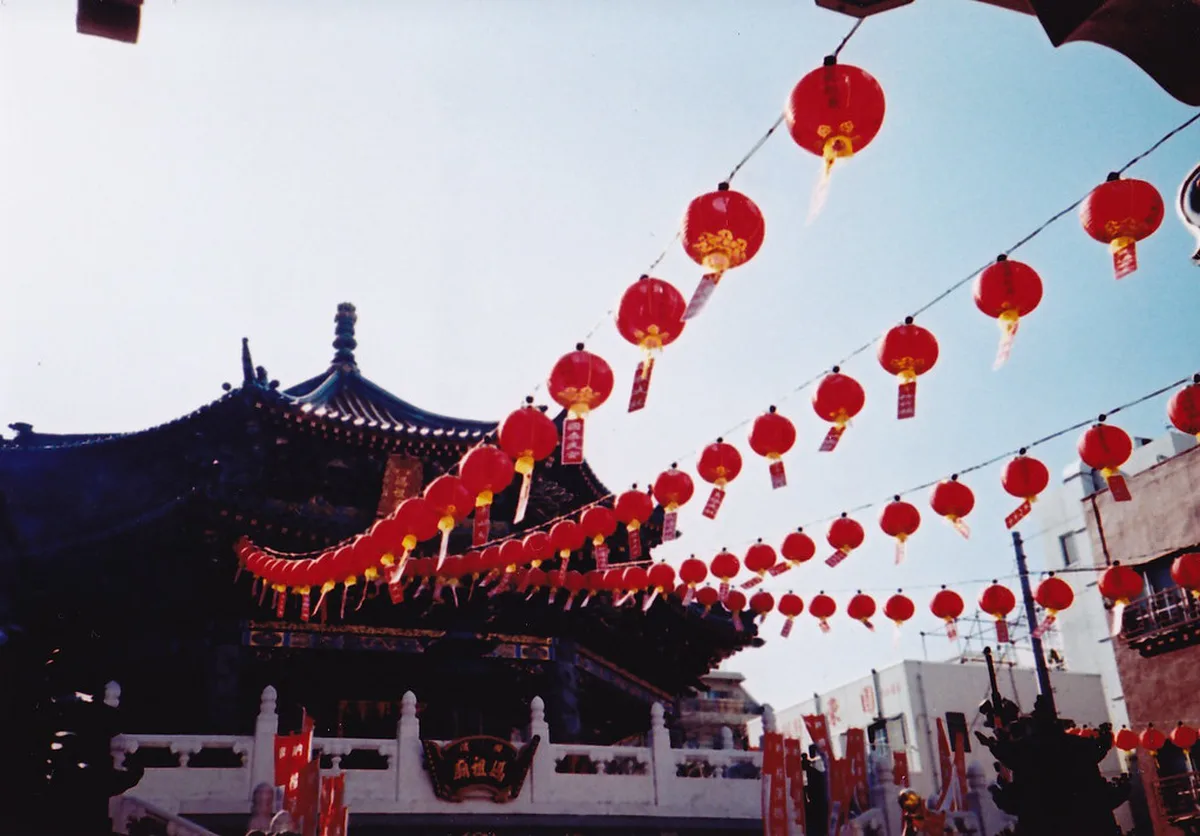
For a dose of traditional beauty, Sankeien Garden is an absolute must-visit destination. This sprawling park features historic buildings transported from all across Japan. The entry fee is 900 yen, and it opens daily from 9 am to 5 pm. I recommend visiting during the Best Time to Visit Yokohama: 8 Essential Seasonal Tips for cherry blossoms.
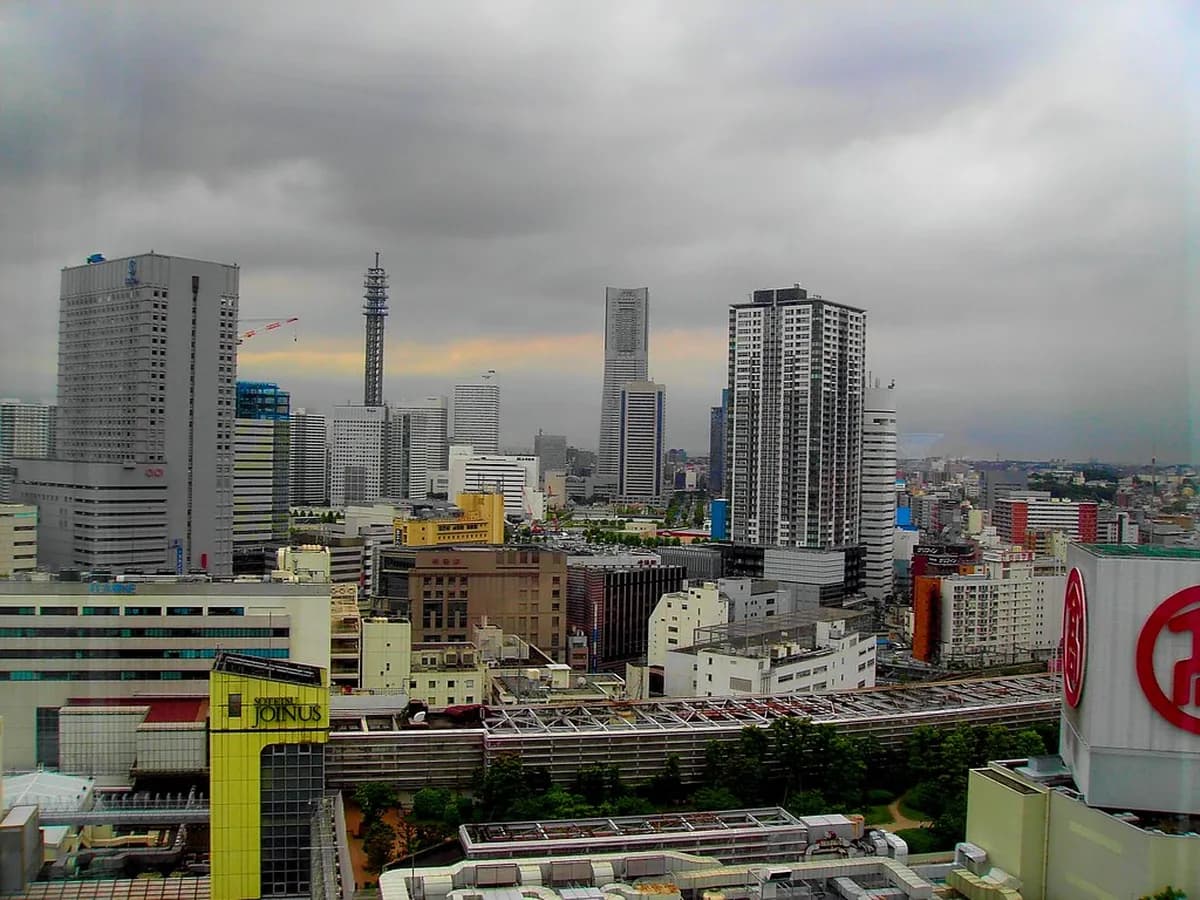
Walking through Minato Mirai provides a view of Japan's most impressive modern skyline. The Landmark Tower stands tall above the harbor, offering views that reach Mount Fuji. Most shops in this area open at 11 am and close by 8 pm. I suggest taking the Yokohama Air Cabin for a scenic ride over the water.
- Top Attractions to Consider
- Cup Noodles Museum interactive workshops
- Sankeien Garden traditional architecture
- Cosmo World giant ferris wheel
- Yokohama Red Brick Warehouse shopping
- Zoorasia for wildlife lovers
How to get from Tokyo to Yokohama
Reaching the city from central Tokyo is remarkably fast and very affordable. The JR Tokaido Line connects Tokyo Station to Yokohama in just 25 minutes. A one-way ticket costs approximately 480 yen for a standard adult fare. Travelers using the Yokohama Attractions You Must Visit in 2026 pass should check which lines are covered.
The Toyoko Line is another great option if you are starting from Shibuya. It takes about 30 minutes and drops you directly at Minato Mirai station. I found this route much more convenient for reaching the waterfront areas quickly. Trains run frequently, so you never have to wait more than ten minutes.
If you have a JR Pass, the Shinkansen stops at Shin-Yokohama station. Note that this station is quite far from the main harbor and Chinatown. You will need to transfer to a local line for another 15 minutes. I recommend sticking to local express trains to save time and effort.
Where to Stay in Yokohama
Choosing the right neighborhood is vital for enjoying your stay in this coastal city. Minato Mirai offers luxury hotels with stunning views of the bay and ferris wheel. Prices here are higher, but the convenience for sightseeing is truly unbeatable. Check out Areas to Stay in Yokohama for specific hotel recommendations.
The Kannai area is perfect for those who enjoy history and older architecture. It sits near the Things to Do in Yokohama Chinatown district and the baseball stadium. Hotels here are often more mid-range and cater to business travelers. I enjoyed the walkable streets and the variety of local Izakaya bars nearby.
Budget travelers should look toward the Yokohama Station area for cheaper options. This hub provides excellent transit links to the rest of the Kanagawa prefecture. You will find many capsule hotels and business chains at competitive rates. The shopping malls surrounding the station are also great for quick, cheap meals.
Is Yokohama worth visiting?
Verdict: Yes, Yokohama is worth visiting for its unique harbor culture and food. The city feels more open and less claustrophobic than the center of Tokyo. I was surprised by how much I enjoyed the international atmosphere in Chinatown. The mix of modern piers and historic gardens creates a very balanced itinerary.
However, you might find the city a bit sterile if you seek grit. Much of the waterfront is reclaimed land and feels very planned and polished. I noticed that prices for attractions can add up quickly for a family. The long walking distances between piers can also be tiring in the summer.
Best for: Foodies, families with children, and photography enthusiasts seeking skyline shots. Skip if: You only have three days in Japan or hate modern shopping malls. Alternative: Kamakura offers more temples, while Enoshima provides a better beach town vibe.
Yokohama is ideal for foodies, families, and photography enthusiasts, but works better as an overnight stay than a rushed day trip. The harbor is best experienced in the early morning or at sunset to avoid day-tripper crowds.
- Pros: What visitors usually love
- World-class ramen at the Shin-Yokohama Museum
- Stunning night views from the harbor
- Japan's largest and most vibrant Chinatown
- Spacious parks and waterfront walking paths
- Easy 30-minute access from central Tokyo
- Cons: What may disappoint
- Extreme humidity during the summer months
- Significant walking required between major sights
- Lacks the ancient feel of Kyoto
- Can get very crowded on weekends
- Attraction entry fees are relatively high
Amazing and unique things to do in Yokohama at night
When the sun goes down, the city transforms into a glittering neon wonderland. The Yokohama Marine Tower provides a classic viewpoint over the illuminated bay. It stays open until 10 pm, making it a perfect post-dinner activity. I found the night views even more impressive than the daytime panoramas.
For a more local experience, head to the Noge district for dinner. This area is famous for its narrow alleys and small, atmospheric yakitori stalls. The Yokohama: The Nightlife Guide here is vibrant but feels very authentic and welcoming. I loved the contrast between the polished Minato Mirai and these gritty streets.
A harbor cruise is another fantastic way to see the city lights. Many boats depart from Yamashita Park and circle the bay for an hour. You can see the Bay Bridge and the industrial cranes lit up beautifully. I recommend booking a sunset cruise to see the sky change colors.
Concluding these interesting Yokohama things to do in one or two days
Deciding between a day trip and an overnight stay is a common dilemma. I recommend staying overnight to experience the harbor without the day-tripper crowds. The early morning hours at Sankeien Garden are particularly peaceful and quiet. Follow a Yokohama Itinerary 2026: Complete 1–5 Day Guide (With Budget Tips) to maximize your limited time in the city.
If you only have one day, focus on the Minato Mirai area. Start at the Cup Noodles Museum and end your evening in Chinatown. You can see the main highlights without feeling too rushed or exhausted. I found that walking from the pier to Chinatown takes about 20 minutes.
Two days allow you to visit the Shin-Yokohama Ramen Museum further inland. You can also explore the western-style houses in the Yamate neighborhood properly. This slower pace lets you enjoy the many cafes along the waterfront. I suggest using the second day for more niche or offbeat interests.
OFFBEAT JAPAN: Hidden Corners and Local Vibes
Beyond the big attractions, the city hides some very charming and quiet corners. The Yamate district features beautiful western-style houses from the early 20th century. You can find more information about these historic homes here on Japan Travel. I enjoyed the hilly streets and the lack of tourist crowds in this area.
The backstreets of Chinatown offer a different vibe than the main gates. Look for the smaller temples tucked away between the large souvenir shops. I found a tiny tea house that served incredible oolong in a quiet courtyard. These small discoveries made my visit feel much more personal and unique.
The Kishine Park area is another local favorite that tourists rarely visit. It features a large pond and plenty of space for a relaxing picnic. I saw many local families enjoying the sun away from the harbor noise. It is a great spot if you need a break from urban sightseeing.
Blend In Anywhere: Practical Travel Tips
To travel like a local, consider using the red 'Akai Kutsu' loop bus. This bus connects all the major tourist spots for a very small fee. I found it much easier than navigating the subway for short harbor hops. It stops right in front of the Red Brick Warehouse and Chinatown.
Many restaurants in Chinatown have long queues during the lunch hour peak. I recommend eating an early lunch at 11 am to avoid the wait. The street food stalls are a great alternative if you want to keep moving. Try the giant steamed buns which are a local specialty in this district.
Wear comfortable walking shoes because the city is larger than it looks. The distance from the station to the pier is nearly two kilometers. I made the mistake of wearing stiff boots and regretted it by noon. The sea breeze can also make the air feel cooler than the forecast suggests.
Extreme humidity during summer months (June–August) can make walking distances feel much longer; carry water and sunscreen. Long queues at restaurants peak at noon, so plan meals outside typical lunch hours.
Japanese Alps: A Contrast to Urban Life
While Yokohama is a modern marvel, it offers a stark contrast to nature. Travelers often debate between visiting cities or heading to the Japanese Alps. The Alps provide rugged peaks and traditional onsen towns like Takayama or Matsumoto. I think both are essential for a truly well-rounded trip to Japan.

If you are short on time, Yokohama is much easier to reach from Tokyo. A trip to the Alps requires at least three hours on a train. I recommend Yokohama for urbanites and the Alps for those seeking fresh air. You can easily do a day trip here, which is impossible for the mountains.
Consider balancing your itinerary by visiting the harbor after a mountain trek. The modern comforts of the city feel like a luxury after hiking. I loved having a variety of international food options after days of mountain fare. It makes the transition back to the airport much more convenient and smooth.
Frequently Asked Questions
Is one day in Yokohama enough?
One day is enough to see the main highlights like Minato Mirai and Chinatown. However, you will miss the more relaxed pace of the gardens and evening bar districts. I recommend staying overnight to see the harbor lights without rushing back to Tokyo.
Which is better, Yokohama or Kamakura?
It depends on your interests. Yokohama is a modern, international port city with great food and shopping. Kamakura is a historic town filled with ancient temples and a giant bronze Buddha. Choose Yokohama for urban vibes and Kamakura for traditional culture.
Can you do a day trip to Yokohama?
Yes, a day trip is very easy because the train ride from Tokyo is only 30 minutes. You can leave after breakfast and return late at night. Most major attractions are clustered together, making them easy to visit in a single day.
Yokohama is a fantastic addition to any Japan itinerary if you enjoy modern cities. The harbor views and diverse food scene provide a unique flavor you won't find in Tokyo. I believe the city offers enough variety to satisfy both families and solo travelers alike. Plan your visit for the shoulder seasons to enjoy the best weather and smaller crowds.
Whether you come for the ramen or the ferris wheel, the city will surprise you. It remains one of my favorite places to escape the density of the capital. I hope this guide helps you decide if this coastal gem is right for you. Enjoy your journey through the vibrant streets of Japan's most famous port city.
For more Yokohama planning, see our How Many Days in Yokohama? 13 Essential Planning Tips and One Day in Yokohama Itinerary: 10 Essential Planning Steps guides.
Free: The Yokohama Essentials guide
Top things to do, where to stay, a perfect day plan, getting around, and the best time to go — a Yokohama mini-guide you can take offline.
You might also like


Continue reading
More guides you'll find useful