Tanga Market Food Guide: Nukadaki, Sorameshi, and Local Tips
Tanga Market food and nukadaki, explained: the sorameshi rice bowl system, must-try stalls, 2026 hours, and why Sundays are the wrong day to visit.
On this page
Last updated August 2026: this guide covers Tanga Market food and nukadaki, the fermented fish dish that has anchored Kokura's kitchen for more than a century. Around 70 to 120 stalls still trade along the covered street, a range that shifts with the post-fire rebuild. They sell prepared foods, fresh seafood, and the build-your-own bowl locals call sorameshi, so plan around cash, a late-morning arrival, and the Sunday closures covered below.
Tanga Market Food and Nukadaki: The Fermented Soul of Kokura
Nukadaki anchors most Tanga Market food stops as Kokura's signature preserved fish dish. Cooks simmer whole sardines or mackerel in nukamiso, a fermented rice-bran paste, along with soy sauce, mirin, and sugar. That bran paste adds a salty, faintly sour tang under the sweetness. Vegetables, Japanese pepper, and chili go in too, building a savory depth that varies from stall to stall. Several long-running stalls near the market's main entrance specialize in nukadaki. Some keep a nukadoko, the fermentation bed itself, reportedly maintained across generations for a century or more. Locals eat nukadaki as an everyday side with rice or sake, and again at New Year and other family occasions. Local chefs also shop at Tanga Market for restaurant ingredients, a sign of the produce and seafood quality on offer. First-time tasters often call it an acquired flavor. Fermented funk reads stronger than most Japanese seasoning, closer to a fish-forward pickle than a simple simmered dish. Order a small portion before committing to a full bowl. Tanga Market itself dates back to the 1910s, when fishing boats unloaded catches directly onto the riverbank and sold them on the spot. Vegetable and fruit sellers joined over time, and the market grew into today's mix of stalls. Operations paused during wartime, then resumed afterward as demand for fresh food returned. The dish predates the market: nukadaki recipes are commonly traced back to the Edo period, well before Tanga Market's own founding. Kitakyushu City also publishes an official nukadaki map marking which stalls specialize in the dish, useful for a self-guided tasting route through the market.
How the Sorameshi Rice Bowl System Works
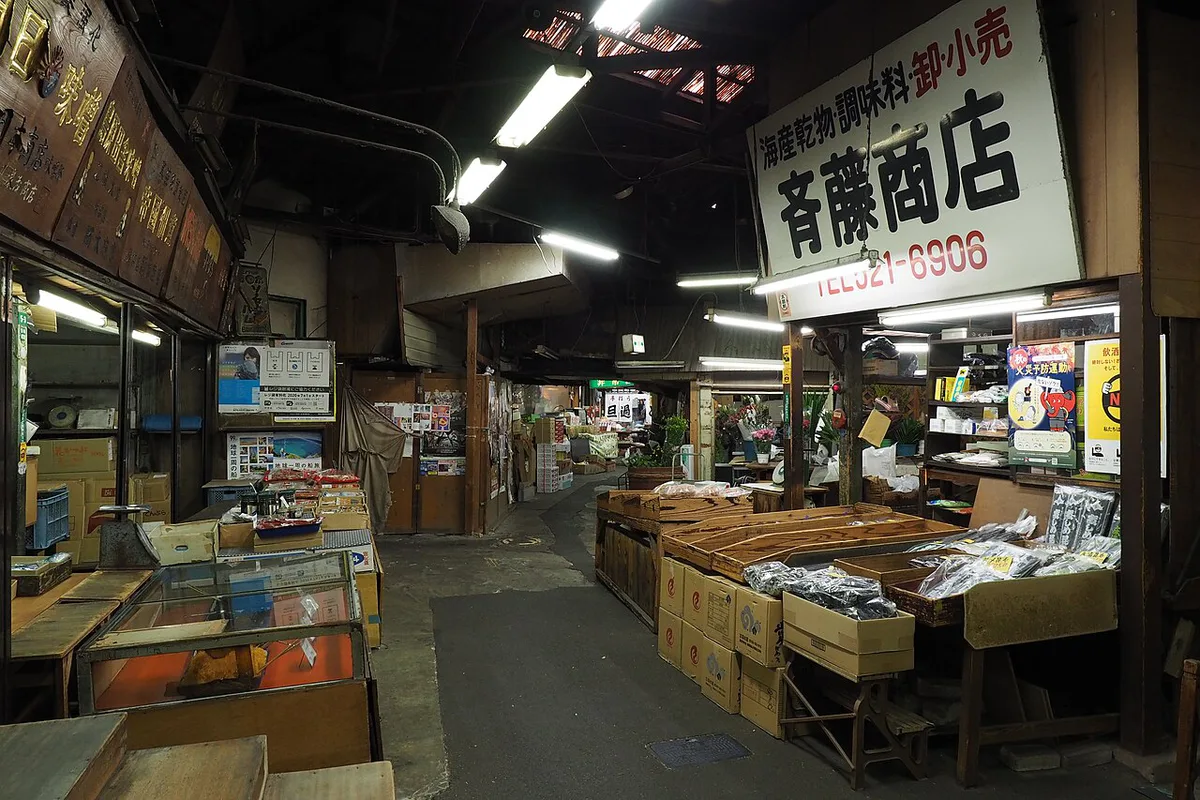
Two counters run Tanga Market's build-your-own rice bowl system. At Ibushiya, a smoked-foods stall near the market's center, a bowl of steamed rice with a small side dish costs ¥200. Ibushiya sits within the Tanga Aozora Market section, one of the covered street's sub-areas. Daigakudo, a café space staffed mainly by University of Kitakyushu students, sells a plain rice bowl under the name daigakudon. Student-run hours shift with the academic term, so confirm current opening hours before planning a visit there. Either counter works the same way after that: carry the bowl through the market and buy toppings from other stalls. Sashimi, tempura, and nukadaki are the most popular add-ons. Each vendor lets customers take the topping straight to their own bowl. Seating is shared at long tables near Ibushiya and Daigakudo, so expect to sit beside other diners; that is normal market etiquette, not a sign to hurry. Ibushiya also sells its own smoked snacks, including smoked cheese, smoked nuts, and a specialty called Tanjaga, useful for a takeaway platter instead of eating in. Its counter typically runs from about 11:00 AM to 6:00 PM, so late risers can still make the cutoff. Budget roughly ¥1,500 to ¥2,000 for a fully topped bowl, and allow about 45 minutes for the full loop from buying rice to finishing the meal. The market's main street runs about 180 meters, short enough to loop more than once while deciding on toppings.
The market spans 180 meters and the sorameshi loop takes about 45 minutes, so an early 10:00 AM arrival that catches full stall selection easily fits within a half-day Kokura itinerary that includes nearby Castle or riverside sightseeing.
- Buy a base rice bowl at Ibushiya (¥200) or a plain bowl at Daigakudo.
- Walk the market and choose toppings, such as sashimi, tempura, or nukadaki, from other stalls.
- Carry the toppings back and place them over your rice.
- Sit at the shared tables near Ibushiya or Daigakudo to eat.
Must-Try Stalls and Tanga Market Specialties
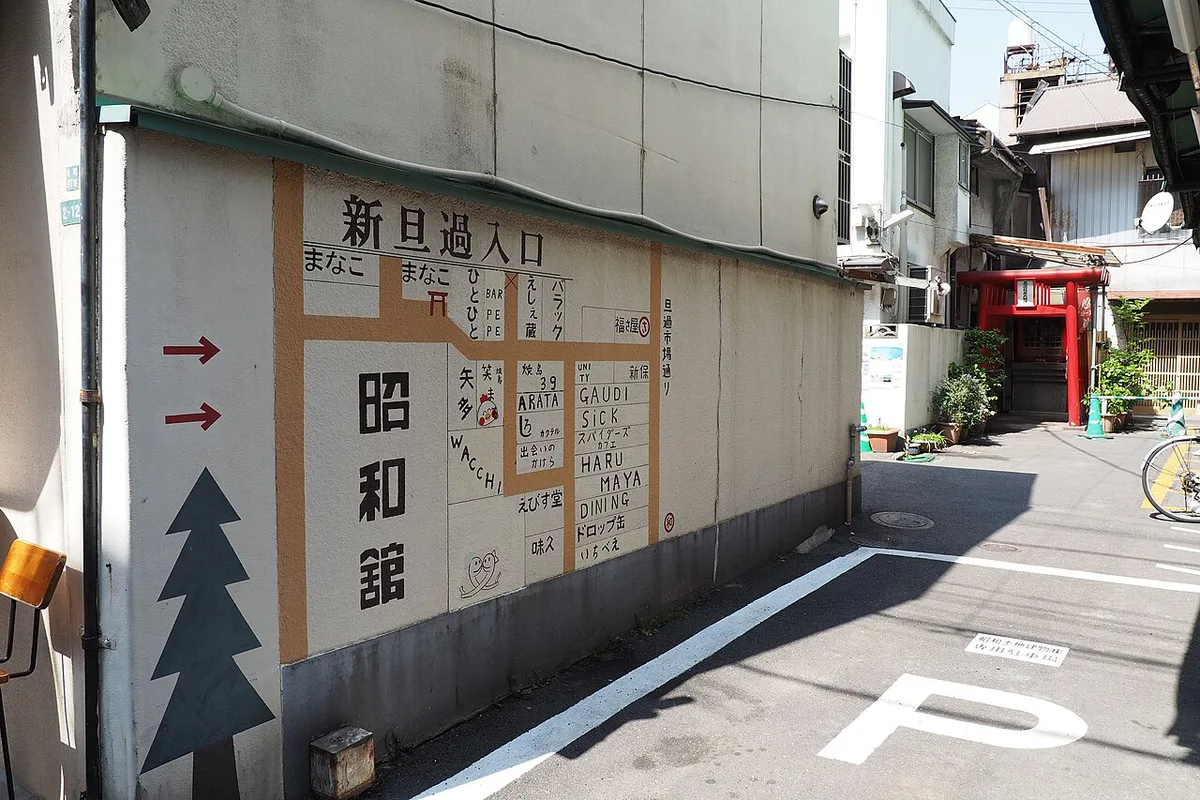
A handful of stalls define what to eat first beyond nukadaki and sorameshi. Each has kept the same specialty for years, and portions are small enough to sample several in one visit. Kyushu Maguro's tuna counter is also the easiest place to build a seafood-heavy sorameshi bowl. For more on the region's fish quality, see the Kanmon fugu and seafood guide. Tanga Udon's noodles are a different specialty from Kokura's well-known fried noodle dish. The Kokura Yaki Udon Guide: Darumado, History, and Where to Eat in Kitakyushu covers that dish separately. If a market lunch does not land, the Mojiko Yaki Curry: A Complete 2026 Guide to Kitakyushu's Baked Curry covers another Kitakyushu specialty worth trying. A newer stop inside the market pours craft beer brewed on-site alongside sake and wine, a modern counterpoint to the older food stalls. Kashiwaya Kurose sells its Kurose no Spice blend in takeaway packaging, an easy food souvenir if carrying sashimi home is not practical.
| Stall | Specialty | Notes |
|---|---|---|
| Kokura Kamaboko | Kokura kamaboko canapé | Fish paste mixed with carrot and onion, rolled in bread, then deep-fried until crisp outside and soft inside. |
| Tanga Udon | Handmade udon and oden | Family-run for more than 40 years; the burdock tempura udon is the order to get. |
| Kyushu Maguro | Tuna rice bowls and sushi | Eat-in counter toward the back of the shop, open 11:00 AM to 4:00 PM, for tuna-topped bowls and sushi. |
| Kashiwaya Kurose / Torikatsudon Kurobei | Fried chicken and croquettes | Chicken cutlet rice bowls plus a takeaway seasoning blend called Kurose no Spice, made for beef, pork, chicken, fish, and barbecue. |
Hours, Cash, and the Sunday Closure Rule
Tanga Market runs on stall-by-stall scheduling rather than one posted timetable. General hours span 10:00 AM to 6:00 PM, though individual shops open and close on their own pattern. The market is liveliest between late morning and mid-afternoon, so arrive by 10:00 AM to see stalls fully stocked. Sunday is the exception to plan around: most shops close on Sundays and public holidays, leaving the street largely empty. One notable exception is December 31, when many stalls open as early as 7:00 AM and trade until the day's stock sells out. Very few stalls accept credit cards, so carry cash in yen for the entire visit. Restroom facilities inside the market are basic; travelers who prefer more comfortable options can use facilities at nearby train stations before arriving. Reach the market office by fax at 093-953-7180; its official site, tangaichiba.jp, lists current stall openings and any construction detours.
- Address: 4-2-18 Uomachi, Kokurakita-ku, Kitakyushu City
- On foot from JR Kokura Station: about 10 minutes
- On foot from Kitakyushu Monorail Tanga Station: about 2 minutes
- By bus: Nishitetsu stop Tangabashi Quest-mae
- By car: about 5 minutes from the Katsuyama exit of the Kitakyushu Urban Expressway; no dedicated car park at the market
- Typical hours: 10:00 AM to 6:00 PM, varies by stall
- Closed: Sundays and public holidays for most shops
- Payment: cash recommended; few stalls take cards
- Market office phone: 093-521-4140 (until 5:00 PM)
Redevelopment: Tanga Market After the 2022 Fires
Fires in 2022 damaged sections of Tanga Market, including part of its western row. Rebuilding has continued in phases since, and construction work is still visible in parts of the market as of 2026. Local tourism sources put the number of active stalls anywhere from roughly 70 to 120. That range reflects how many storefronts sit empty mid-renovation versus how many trade day to day. Despite the scaffolding, the core of the market functions as it always has. Fishmongers, prepared-food counters, and long-running specialty stalls open daily except Sunday. Visiting now means supporting vendors who kept trading through the rebuild rather than touring a finished attraction. Its overall footprint along the roughly 180-meter street has not changed, even as which storefronts sit inside it continues to shift during rebuilding. Confirm current construction areas and any temporary stall relocations locally, since the footprint under repair continues to shift week to week.
Stall counts ranging from 70 to 120 reflect ongoing reconstruction from 2022 fires, not a shrinking market; the street's 180-meter footprint remains constant, and core operations continue daily except Sundays, making the post-fire market still worth a weekday visit.
Pairing Tanga Market with Kokura Sightseeing
Tanga Market sits close enough to central Kokura to fold into a half-day loop on foot. Kokura Castle, with its reconstructed keep and surrounding grounds, is a short walk from the market. Matsumoto Seicho Memorial Museum, dedicated to the Kokura-born mystery novelist, sits within the same walking radius. Riverwalk Kitakyushu, a shopping and theater complex, is also listed among the market's neighborhood sightseeing spots. A riverside stretch along the Murasaki River, including Senba Square, offers a quieter stop after the market's density. Uomachi-gintengai, a covered arcade next to the market, extends the food crawl with additional shops and cafes. For an overnight stay steps from the market, Tanga Table combines a hostel with an in-house dining room. Other nearby dinner options include Okonomiyaki Ishin and the Chinese restaurant Kouji, both within easy walking distance of the market entrance. For the wider picture of what else the city serves, see the Kitakyushu food guide. Pair the day with the Kitakyushu attractions guide for a full itinerary. Travelers watching a budget should also check the Kitakyushu cheap eats guide for other low-cost meals around the city.
Frequently Asked Questions
Is Tanga Market open on Sundays?
No, not for most of the market. The majority of shops close on Sundays and public holidays, so plan a weekday or Saturday visit instead. A handful of restaurants stay open, but confirm before counting on any single stall.
What is nukadaki, and where can you try it at Tanga Market?
Nukadaki is sardines or mackerel simmered in nukamiso, a fermented rice-bran paste, with soy sauce, mirin, and sugar added for balance. Several long-running stalls near the market's main entrance specialize in it, each with its own flavor from a distinct nukadoko. Order a small portion first if the fermented flavor is new to you.
How does the sorameshi rice bowl system work?
Buy a base bowl of rice at Ibushiya for ¥200, or a plain bowl at Daigakudo. Walk the market and buy toppings such as sashimi, tempura, or nukadaki from other stalls. Carry them back to your bowl and eat at the shared tables near either counter.
How do you get to Tanga Market?
Tanga Market is about a 10-minute walk from JR Kokura Station. It is roughly 2 minutes on foot from Kitakyushu Monorail Tanga Station. The address is 4-2-18 Uomachi, Kokurakita-ku, Kitakyushu City.
Is Tanga Market still worth visiting after the 2022 fires?
Yes. Most of the market continues to trade daily except Sunday, even with redevelopment work ongoing in parts of the site. Visiting now supports vendors who kept operating through the rebuild, though it helps to confirm current construction areas locally before you go.
Can you pay by credit card at Tanga Market?
Rarely. Most stalls are cash-only, so carry yen for the whole visit, including small bills for individual toppings.
What else can you buy at Tanga Market besides food?
The market is still primarily a food market, but a few stalls sell prepared items to take home, including Ibushiya's own smoked snacks and cheeses. Kitakyushu City's official nukadaki map, available locally, also works as a self-guided souvenir of the visit.
Is Tanga Market crowded, and when is the best time to go?
Late morning through early afternoon draws the most shoppers and the fullest stalls. Arriving close to opening, around 10:00 AM, gives the widest selection before popular items like nukadaki and tuna sell out for the day.
What's the easiest single dish to try if time is short?
A small nukadaki portion eaten standing at one of the stalls near the main entrance covers the market's signature flavor in a few minutes. Add a rice bowl from Ibushiya only if there is time for the full sorameshi loop.
What is Daigakudo?
Daigakudo is a café space inside Tanga Market run mainly by students from the University of Kitakyushu. It sells a plain rice bowl called daigakudon, which works the same way as Ibushiya's sorameshi: buy the rice, then top it with items bought from other stalls.
Free guide: Japan's Hidden Gems
12 under-the-radar places beyond Tokyo & Kyoto — with the best season to visit each and a local tip you won't find in the guidebooks.
You might also like


Continue reading
More guides you'll find useful