

Cheap Vegetarian and Halal Food in Kitakyushu: 2026 Budget Guide
Find cheap vegetarian and halal food in Kitakyushu, from ¥800 udon in Kokura to Mojiko's vegan baked curry and halal wagyu, priced for 2026.
On this page
Last updated August 2026. Cheap vegetarian and halal food in Kitakyushu concentrates in two neighborhoods, Mojiko Retro and Kokura, about 15 minutes apart by train. Expect budget dishes from ¥800 to ¥1,200, specialty dishes from ¥1,300 to ¥2,000, and a few hidden stock ingredients worth knowing before you order.
Where to Find Cheap Vegetarian and Halal Food in Kitakyushu
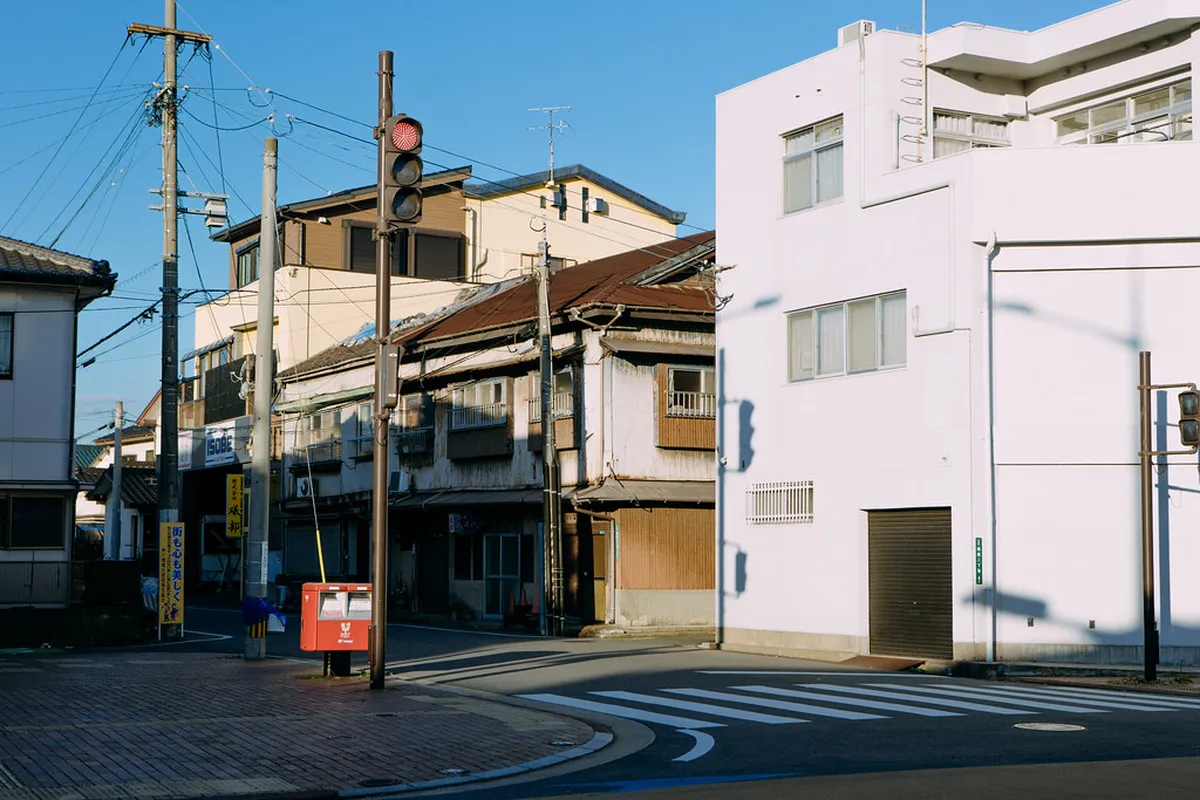
Kitakyushu splits its dietary-friendly dining between two train hubs, and knowing which one to use for which meal saves time. Mojiko Retro, the waterfront tourist district, holds the city's best-known vegan and halal-friendly kitchen. Kokura, the transit hub, offers more incidental vegetarian options through udon shops, a covered arcade, and Tanga Market. Mojiko Station and Kokura Station sit about 15 minutes apart by train, close enough to treat both as one dining plan rather than two separate trips. Kitakyushu is a secondary city, so dietary-friendly options are less concentrated than in Tokyo or Osaka, and fewer restaurants post English or Arabic signage. Most dietary-friendly spots cluster within walking distance of the two stations, so plan meals around train stops rather than deep residential streets, where explaining dietary needs gets harder. Families and mixed groups benefit most from this station-anchored approach, since it keeps backup options within a short walk if a first choice doesn't work out. For a broader rundown of regional specialties beyond dietary-specific dining, see the Kitakyushu food guide.
Typical Costs for Vegetarian and Halal Meals
Two general price bands cover most dietary-friendly meals in Kitakyushu, and knowing them ahead of time makes budgeting straightforward. Budget dishes such as udon, soba, and market snacks run ¥800 to ¥1,200. Mid-range specialties, including halal wagyu or vegan baked curry, run ¥1,300 to ¥2,000. This guide treats anything at or under ¥1,200 as the cheap tier, and reserves the ¥1,300–¥2,000 band for the rare dish worth a slight splurge. Mojiko Retro's restaurants price at tourist-standard rates, typically from ¥1,200 per plate, higher than equivalent dishes in Kokura. Ask about the otoshi before you sit down at an izakaya-style venue. It's a seasonal appetizer cover charge, and it adds a small, unlisted cost that catches new visitors off guard. Confirming the otoshi policy up front, along with checking current hours online, avoids the two most common budget surprises in Kitakyushu dining.
Planning your route strategically saves money: Kokura's noodle shops cost ¥800–¥1,200, while Mojiko Retro starts at ¥1,200 and up. Since they're 15 minutes apart by train, front-load cheaper meals in Kokura and reserve the mid-range splurge for Mojiko Retro.
| Meal type | Typical price | Where to find it |
|---|---|---|
| Udon, soba, and Tanga Market snacks | ¥800–¥1,200 | Tanga Market, Kokura Station area |
| Vegan baked curry or halal wagyu specialty | ¥1,300–¥2,000 | Mojikoi, Mojiko Retro |
| General sit-down meal in Mojiko Retro | From ¥1,200 | Mojiko Retro restaurants |
| Otoshi appetizer cover charge | Ask before ordering | Izakaya-style venues in Kokura |
Top Budget-Friendly Spots in Mojiko Retro
Mojikoi anchors Mojiko Retro's dietary-friendly dining scene. It built its menu so vegan, Taiwanese vegetarian, and halal-friendly diners can share the same table over Mojiko's signature baked curry, useful for families or mixed groups who would otherwise split into separate meals. Its halal dishes use halal-certified beef supplied by Zenkai Meat Company in Kumamoto Prefecture. Most Kitakyushu kitchens, including Mojikoi, describe themselves as halal-friendly rather than fully halal-certified. Specific dishes avoid pork and alcohol, but the kitchen as a whole isn't certified. Read the full Mojiko baked curry guide for the dish's origin and more spots nearby. Two backups sit close by if Mojikoi is busy. Princess Phi Phi serves Thai-inspired curry with vegetable-heavy options, and Mojiko Italian BONGO customizes pasta for vegetarian diners on request. Expect tourist-standard pricing from ¥1,200 per plate at any of the three. Confirm current hours on Google Maps or Instagram before visiting, since small Mojiko restaurants change schedules often.
- Vegan baked curry with vegetable cutlet
- Vegan tantanmen, made without animal-derived stock or alcohol-based seasoning
- Halal wagyu beef rice bowl
- Halal beef curry udon
Vegetarian and Halal Finds in Kokura and Tanga Market
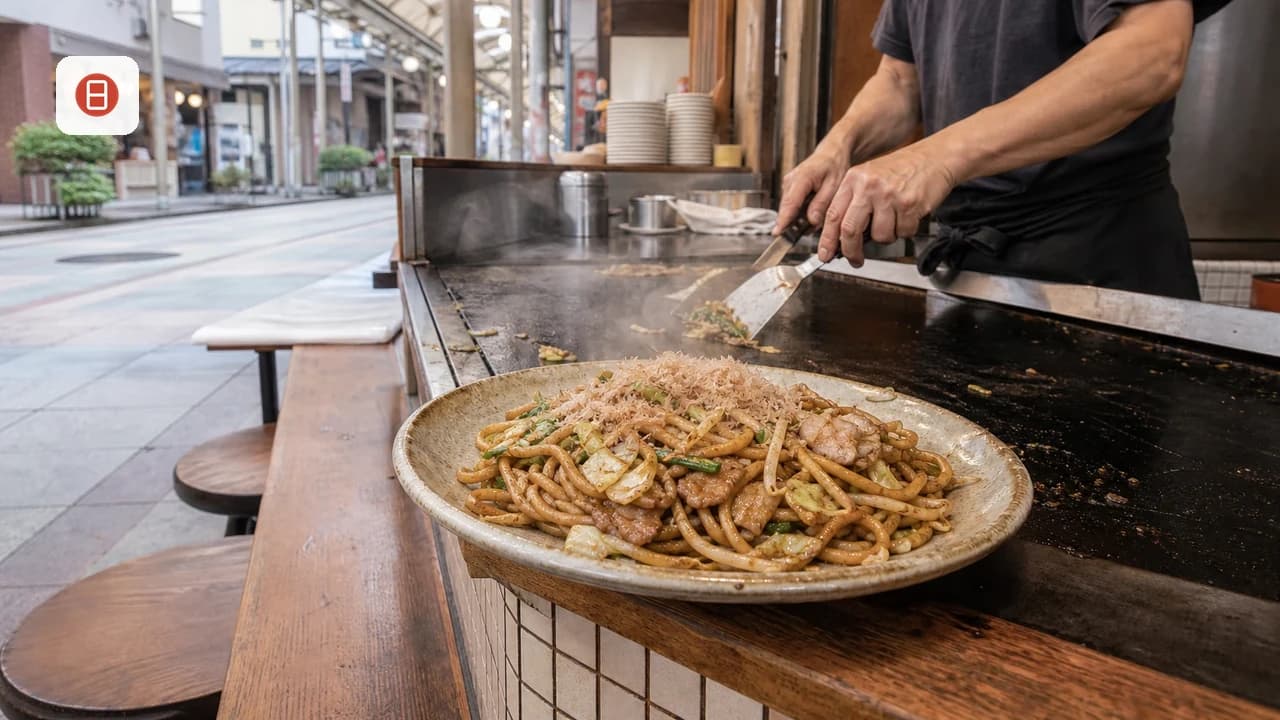
Kokura offers more incidental vegetarian options than certified halal ones. Wadachi, an izakaya near the station, serves vegetable sides that work for vegetarian diners even though the menu centers on meat and fish. SAKURAYA, another Kokura-area izakaya, rewards the same ask-first approach if you want vegetable-forward sides. Dot Blue21, a café in the same area, keeps light vegetarian bites on its menu. FARMERS Kitchen VegeBAR, another Kitakyushu-area listing, leans further toward plant-based dishes, worth checking first if vegetables are the priority. For Kokura's udon scene generally, see the Kokura udon guide. Kokura's udon and soba shops mostly fall in the ¥800–¥1,200 budget band, cheaper than Mojiko Retro's tourist pricing. The covered arcade streets near Kokura Station add more budget options, mostly noodle counters and bakeries in the same price range. Tanga Market sells both fish-based nukadaki and vegetable pickles side by side, so ask before buying if you need to avoid fish. The Tanga Market Food Guide: Nukadaki, Sorameshi, and Local Tips breaks down which stalls sell which.
Supermarkets, Convenience Stores, and Station Backups
Supermarkets and convenience stores cost less than a sit-down meal, but they hide the same stock ingredients as restaurant kitchens. Onigiri and packaged breads often contain animal fats, fish flakes, or fish-derived seasoning even when the filling looks plant-based. Read the ingredient label, or stick to fresh produce, plain rice, and packaged snacks with a clear ingredient list. Kokura Station and Mojiko Station both keep convenience stores that work as a reliable fallback. Bread and pastries at these stores frequently include lard or dairy-based fillings, another spot-check worth doing before assuming a pastry is vegetarian. For families managing more than one dietary need at the table, a convenience store run lets everyone pick separately without pressuring one restaurant kitchen to accommodate every request at once. It also works for a fast bite between train connections when a sit-down restaurant would take too long. Many small Kitakyushu restaurants have kept irregular hours since 2024. A station convenience store is the dependable late-night backup when a sit-down kitchen has already closed.
What's Worth Paying For: The Halal Wagyu Bowl at Mojikoi
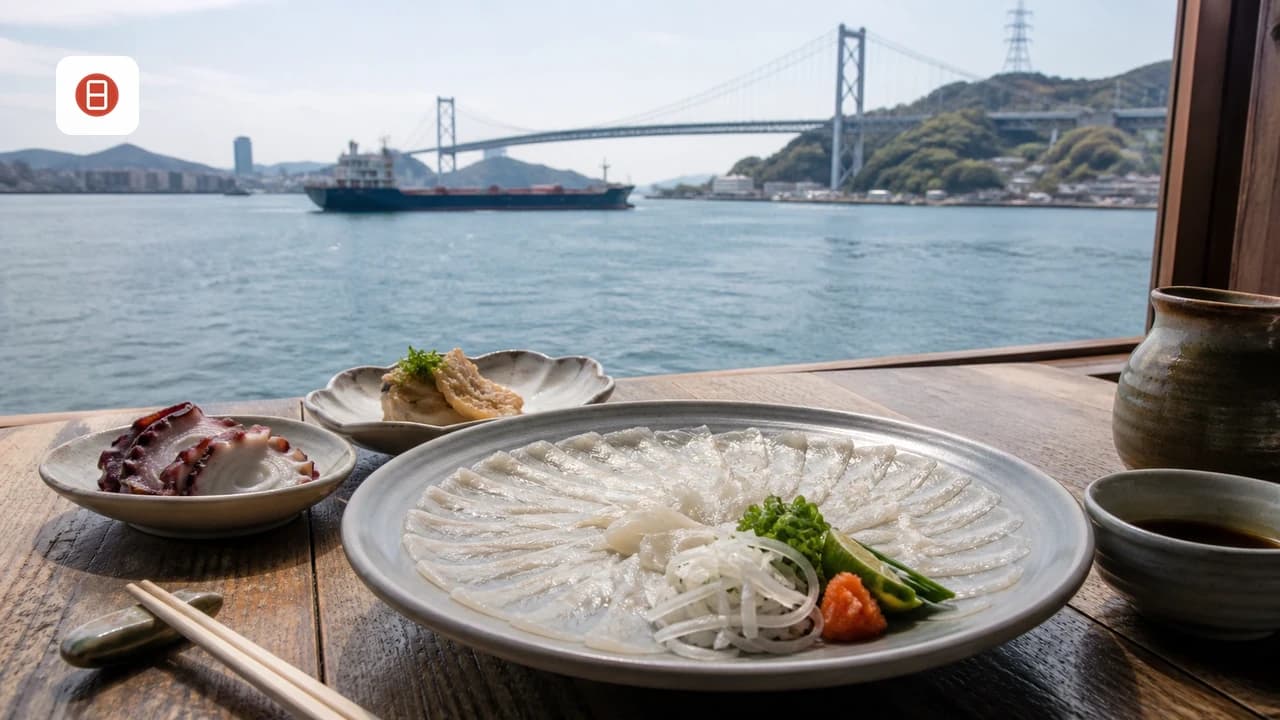
Most of this guide points toward the ¥800–¥1,200 budget band, but one dish justifies the mid-range price. Mojikoi's halal wagyu beef rice bowl sits near the top of the ¥1,300–¥2,000 band. It's one of the few places in Kitakyushu where halal-certified wagyu reaches a plate at all. The vegan baked curry, priced lower in the same mid-range band, delivers a similar splurge for a non-meat diet. Kitakyushu's seafood specialties sit in a different category entirely, built around fish stock and shellfish rather than beef. If seafood interests the rest of your group, the Kanmon fugu and seafood guide covers those dishes separately, since most aren't vegetarian or halal-friendly. For a Muslim or vegan traveler, the wagyu bowl and the vegan baked curry are worth the higher price. Save the rest of the trip's meals for the ¥800–¥1,200 band, and treat the mid-range dish as one splurge rather than a daily habit.
Hidden Ingredients: Dashi, Mirin, and Bonito Flakes
Dashi is the stock base under most Kitakyushu udon, soba, and simmered dishes, and it comes in two common forms. Kombu dashi, made from kelp, is plant-based and safe for vegetarian and vegan diners. Katsuo dashi, made from dried bonito flakes, is fish-based and appears in most standard udon broth across Kokura's shops. Ask specifically which dashi a kitchen uses, since a finished broth can look identical either way. Agedashi tofu is a common trap. The tofu itself is plant-based, but the dish is often topped with bonito flakes or served in a katsuo-based broth. Mirin, a sweet rice wine used throughout Japanese cooking, contains alcohol, worth flagging if that affects your diet. Some kitchens cook off part of the alcohol during preparation, but a dish isn't guaranteed alcohol-free unless staff confirm it. Soy sauce and miso can carry small amounts of alcohol or fish-derived additives too, so when in doubt, ask rather than assume a dish is automatically safe. A short phrase list helps at the counter in Kokura or Mojiko.
- Niku nashi de onegaishimasu — no meat, please
- Dashi wa nan desu ka? — what stock is this made with?
- Osake nashi de — without alcohol
- Buta nashi de — no pork
A Low-Cost Day Between Mojiko and Kokura
Mojiko and Kokura sit about 15 minutes apart by train, close enough to combine both hubs in one day without backtracking. Start in Kokura with a budget udon or soba breakfast in the ¥800–¥1,200 range. Stop at Tanga Market afterward for vegetable pickles to carry along for later. Take the 15-minute train to Mojiko Retro for lunch at Mojikoi, where a vegan baked curry or halal wagyu bowl runs ¥1,200 to ¥2,000. Spend the afternoon around Mojiko Retro's waterfront before the train back to Kokura. Close the day with a lighter, budget-band dinner near Kokura Station, or a convenience-store backup if restaurant hours don't line up. Pair the day with a stop at Kitakyushu's top attractions for sightseeing between meals. Keep the full day's food cost inside the ¥800–¥2,000 range across all three meals, with most of that total sitting closer to the ¥800–¥1,200 end.
The day's suggested splurge—Mojikoi's wagyu bowl or vegan baked curry at ¥1,300–¥2,000—concentrates rare quality. These dishes aren't widely available in Kitakyushu at that level, justifying the premium over typical budget meals.

Frequently Asked Questions
Is halal food in Kitakyushu certified or just halal-friendly?
Most Kitakyushu restaurants, including Mojikoi, are halal-friendly rather than fully halal-certified. Specific dishes avoid pork and alcohol, and Mojikoi's beef dishes use halal-certified beef from Zenkai Meat Company, but the kitchen itself isn't certified as a whole. Confirm certification scope with staff if that distinction matters for your diet, since halal-friendly and halal-certified mean different things in practice.
What's the cheapest way to eat vegetarian in Kitakyushu?
Udon, soba, and Tanga Market pickles fall in the ¥800–¥1,200 budget band, the cheapest reliable option across the city. Check which dashi a shop uses first, since bonito-based stock shows up in many broths that otherwise look vegetarian. Kokura generally runs cheaper than Mojiko Retro, where prices sit at tourist-standard rates from ¥1,200 up.
Is the dashi in Kitakyushu udon vegetarian?
Not always. Kombu dashi, made from kelp, is plant-based, while katsuo dashi, made from dried bonito flakes, is fish-based and common in standard udon broth. Ask which stock a kitchen uses before ordering, since both can look identical in the bowl.
How far is Mojiko from Kokura, and does it matter for meal planning?
Mojiko and Kokura sit about 15 minutes apart by train. Plan a meal in one hub around lunch and the other around dinner, rather than backtracking twice in one day. Combining both hubs also spreads your budget across the cheaper Kokura band and the pricier Mojiko band.
What should vegan or Muslim travelers watch for in convenience stores?
Onigiri and packaged breads often contain animal fats, fish flakes, or fish-derived seasoning even when they look plant-based. Read the ingredient label, or stick to fresh produce and packaged snacks with a clear ingredient list. This approach works well for families splitting different dietary needs across one shopping stop.
Are there halal or vegetarian options near Kokura Station late at night?
Many small Kitakyushu restaurants have kept irregular hours since 2024, so check current hours on Google Maps or Instagram before a late dinner. Station convenience stores at Kokura and Mojiko stay open as a dependable backup regardless of time. That combination covers most late-night dietary needs without requiring an advance reservation.
Free guide: Japan's Hidden Gems
12 under-the-radar places beyond Tokyo & Kyoto — with the best season to visit each and a local tip you won't find in the guidebooks.
You might also like

Continue reading
More guides you'll find useful


