Tokyo Fire Museum Guide: Free Entry, Hours & Visit Tips
A free museum in Yotsuya, Shinjuku. Get the access route, hours, what to see by floor, how long to allow, and who it suits.
On this page
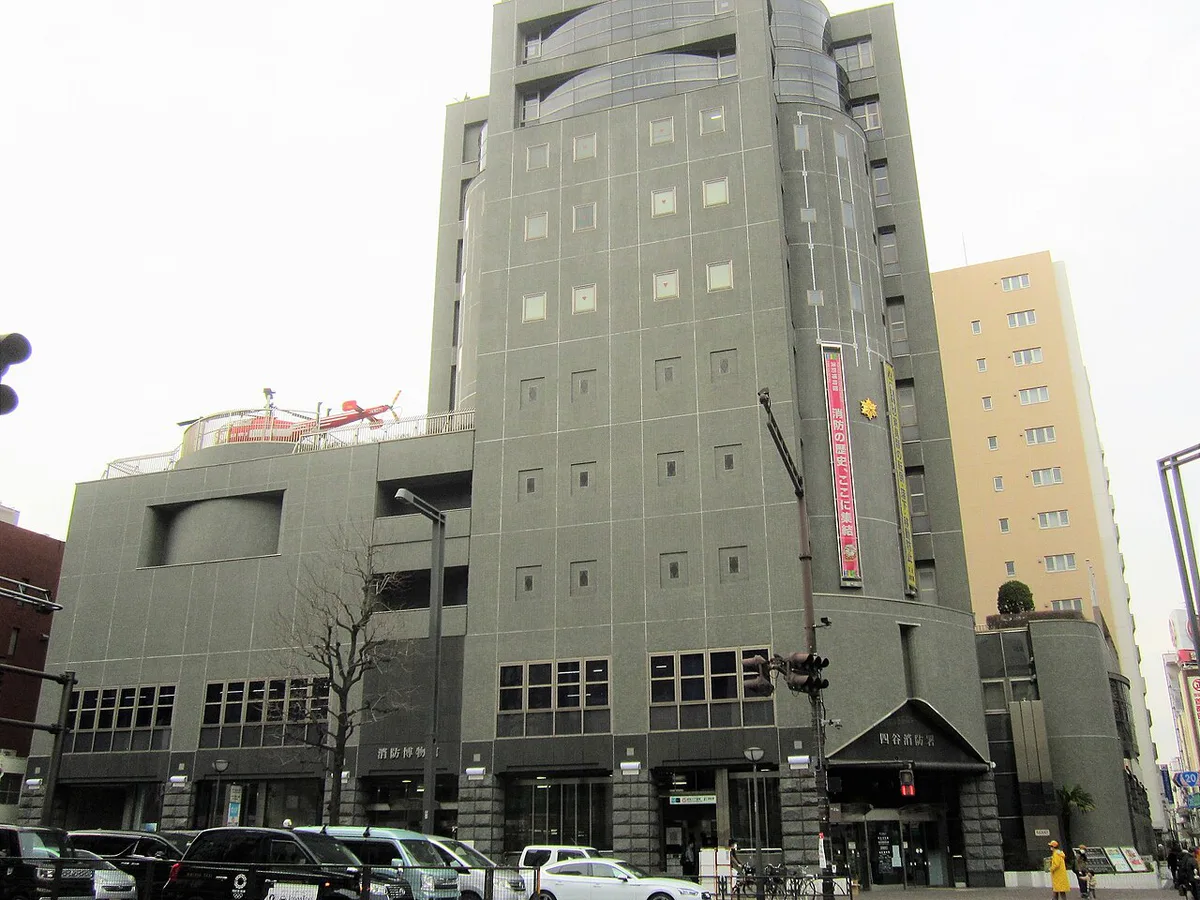
Last updated October 2026: the Tokyo fire museum is a free museum inside Yotsuya Fire Station in Shinjuku Ward, entered from Exit 2 of Yotsuya-sanchome Station on the Marunouchi Line. Allow 45 to 90 minutes, and expect a compact, practical stop rather than a full-day sight. Toddlers, young families and Edo-history fans get the most out of it.
Quick answer: is the Tokyo Fire Museum worth it?
Yes, if you treat it as a short, free stop. Entry costs nothing, and the station connection keeps the approach mostly indoors. Plan on roughly 45 to 90 minutes, which is an estimate rather than an official figure.
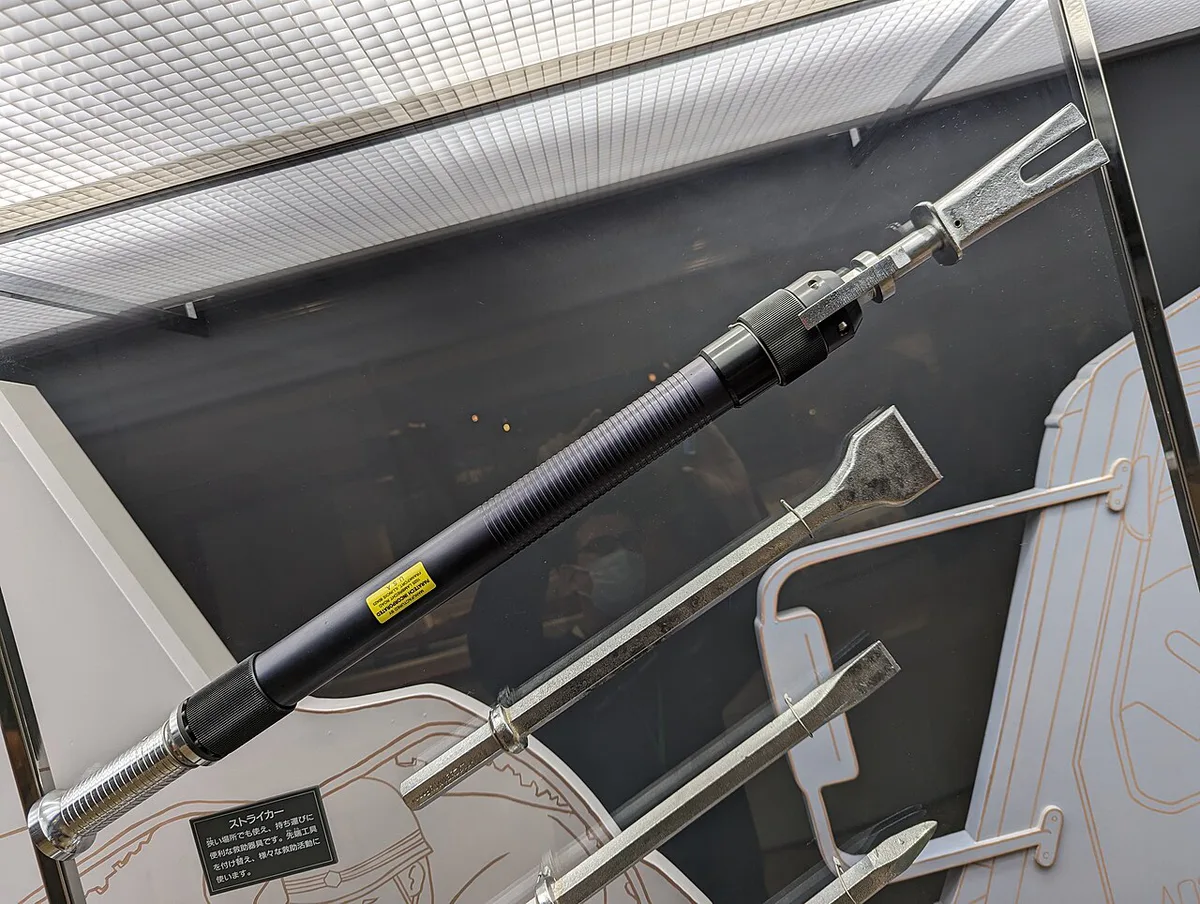
Exhibits cover firefighting from the Edo period to the present day. Listings describe Edo-era nishiki-e prints, historical documents and firefighting tools, plus fire pumps and protective gear from the Meiji era onward. Fire trucks that served from the Taisho to the Heisei periods are also on display, according to the GO TOKYO listing.
Be honest with yourself about scale. This is a small museum in a working fire station, not a destination that fills an afternoon. Pair it with something else nearby, and it earns its place on a Tokyo day. Our Tokyo attractions guide shows where else to spend the rest of the day.
Hours, admission and closing days
Opening hours are listed as 9:30 to 17:00. Last entry is reported as 30 minutes before closing, which puts it at 16:30. Admission is free, and every source consulted agrees on that point.
Closing days are where sources differ. Most listings say Monday is closed, with the closure shifting to the following day when Monday is a national holiday. GO TOKYO lists only Tuesday to Sunday and holidays as open days. It also mentions closures on maintenance days.
Year-end dates are not consistent either. Sources quote either December 28 to January 4 or December 29 to January 3. Confirm the exact dates on the official GO TOKYO page before you plan a winter visit.
- Hours: 9:30 to 17:00
- Last entry: 30 minutes before closing, reported as 16:30
- Admission: free
- Usual closing day: Monday, shifting to the next day after a national holiday
- Year-end closure: dates vary by source, so verify
- Phone listed by local directories: 03-3353-9119
How to get there
Take the Marunouchi Line to Yotsuya-sanchome Station and use Exit 2. GO TOKYO describes the exit as directly connected to the museum. One guide says it leads to the basement entrance, which suits a wet or hot day.
From Shinjuku Station, one family blog reports a walk of about 24 minutes. The same blog suggests a taxi of roughly 8 minutes, at around ¥1,000. Treat both figures as rough, since traffic changes the taxi time.
Accessibility looks strong on paper. GO TOKYO lists a wheelchair ramp, an elevator, a wheelchair-accessible elevator and a multi-purpose toilet. It also lists diaper-changing facilities, a baby chair, a breastfeeding room and wheelchair loan. Call ahead or check the official page if you need a specific item.
What to see, floor by floor
Floor details below come mostly from a 2017 walkthrough, so treat them as reported. Layouts change, and the museum may have updated displays since.
The basement is reported to hold vintage fire engines, many from the 1920s. Several were imported from the U.S., France and Germany. Kids and vehicle fans tend to linger here.
The reported route runs chronologically. Take the elevator up, then walk down the stairs. Start on the 5th floor with Edo-era firefighting. Samurai-run squads, local firefighters called hikeshi, and woodblock prints tied to Hiroshige all feature in that section. Edo was a densely built wooden city, which explains why firefighting became organized so early.
The 4th floor reportedly covers the Meiji to early Showa years, with horse-drawn and motorized engines. The 3rd floor covers modern firefighting. Floor 2 is the working fire station and is reported as off-limits.
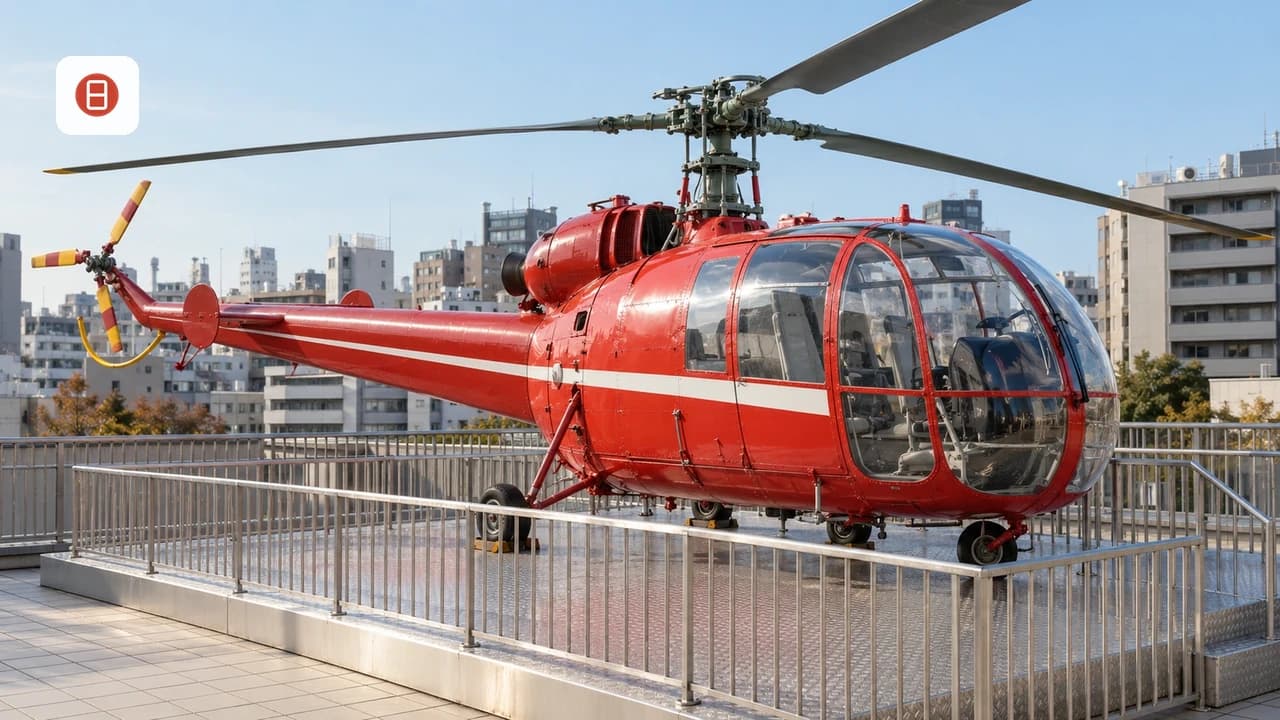
A helicopter exhibit is the best-known photo stop. Sources disagree on where it sits, with some placing it in the lobby and others on the roof. One directory says visitors can climb into it, but check access on the day.
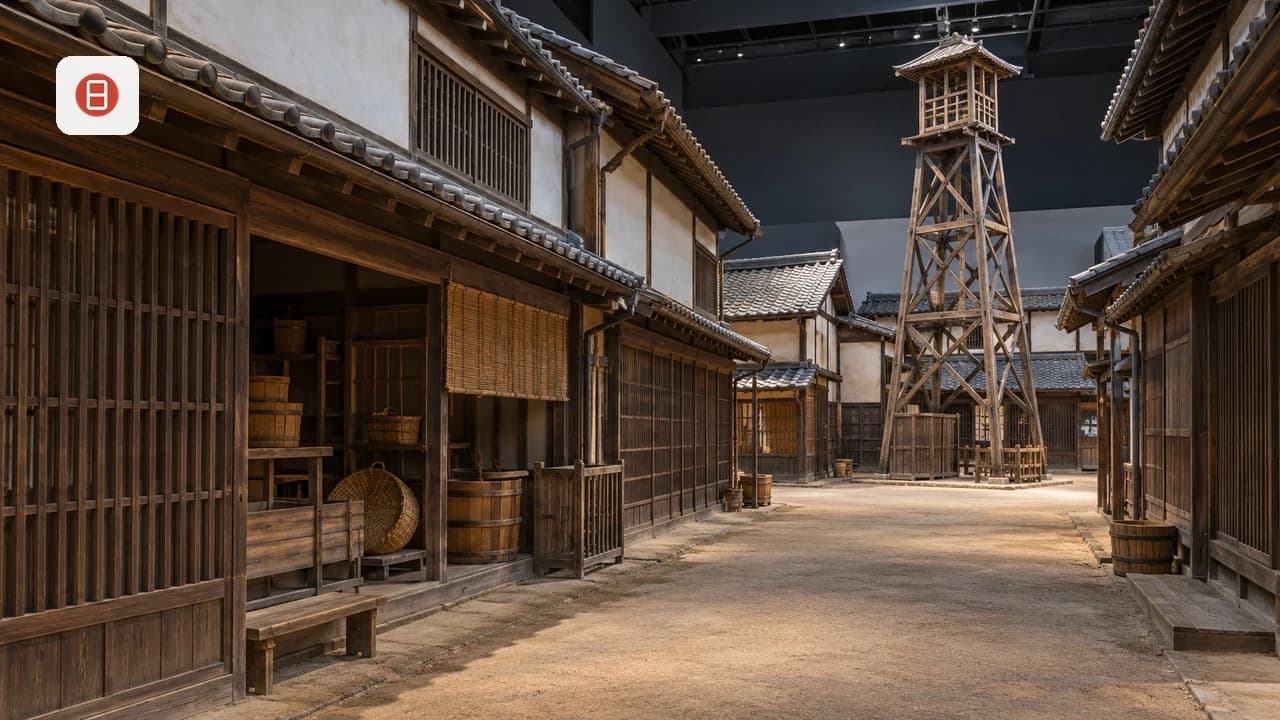
A disaster prevention lounge on the 10th floor is reported to offer views toward Shinjuku. One listing mentions Roppongi Hills and, on clear days, Mt. Fuji. If you want a deeper Edo-era experience, the Fukagawa Edo Museum recreates a whole neighborhood.
How long to spend: 45-minute, 90-minute and with-kids plans
One family blog says an hour covers nearly everything. Use that as a single data point. Your pace, and your interest in Edo history, will move the number.
Arrival timing matters here: aim to enter by 15:30 if you want the full 90 minutes, since entry stops at 16:30.
- 45-minute pass: ride up, walk down through the Edo, Meiji and modern floors, then stop at the helicopter. Skip the shop.
- 90-minute visit: add the basement engines, read the English panels, and finish in the 10th-floor lounge if it is open.
- With toddlers: start with the basement vehicles and the helicopter, then leave while energy is still high. A Tokyo-based family blog reports the best fit is ages 0 to 4.
- Arrival timing: aim to enter by 15:30 so last entry at 16:30 does not squeeze the visit.
Who it's for (and who should skip it)
Fit depends on what you want from a museum. Short layovers and rainy days suit it well. Travelers wanting immersive exhibits or large collections should look elsewhere.
| Traveler type | Fit | Suggested time | Prioritize |
|---|---|---|---|
| Toddlers and young families | Strong | 45 to 60 minutes | Basement engines, helicopter |
| Edo history fans | Good | 90 minutes | 5th floor, hikeshi and ukiyo-e displays |
| Rainy-day or short-layover visitors | Good | 45 minutes | Exit 2 connection, quick floor pass |
| Skyline seekers | Moderate | 30 minutes | 10th-floor lounge, if open |
| Travelers wanting large, immersive museums | Weak | Skip | Consider paid alternatives |
Pairing it with nearby stops
Build a half-day rather than a full itinerary. One blog reports Shinjuku Gyoen is about an 11-minute walk away. That makes a museum-then-garden loop easy on a dry day. Yotsuya also has plenty of casual lunch spots, so verify opening hours on the day.
Since last entry is 16:30, see the museum first. Shinjuku Gyoen is about an 11-minute walk away, so the garden can follow.
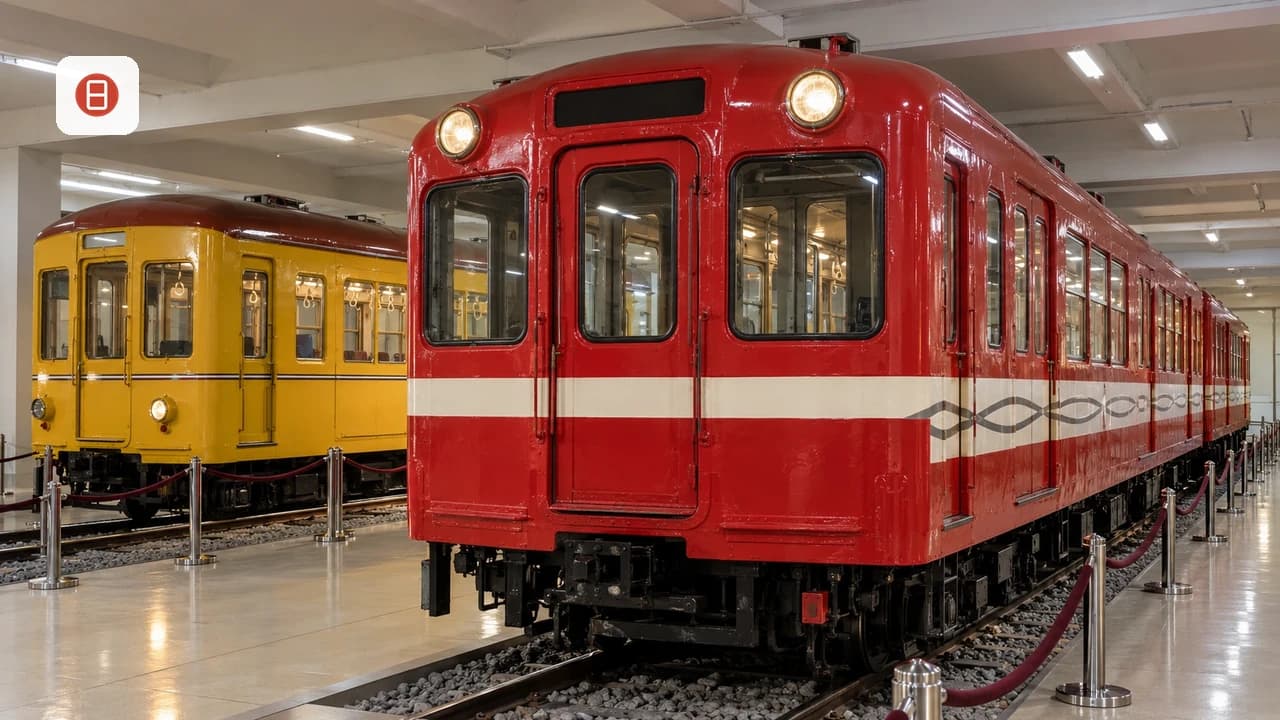
For another museum, compare it with the Tokyo Metro Museum in Kasai. That museum focuses on trains and the subway, and its details are on the official Tokyo Metro Museum site. Pick the fire museum for free entry and Edo context. Pick the metro museum if rail interests you more.
For a wider Edo-era angle, the Fukagawa Edo Museum site describes its reconstructed streets. Our Best Time To Visit Tokyo Month By Month 2026 guide helps you choose between hot summer days and cooler months. Staying nearby is a minor point for a short museum stop. Browse Tokyo hotel options or budget stays in Tokyo once your wider plan is set. For trip-wide planning, see our Japan Travel Guide: Plan Your Trip with Expert Tips & Itineraries.
Mistakes to avoid
Most problems come from timing and assumptions. Use this checklist before you leave.
- Monday visits: check whether the Monday is a national holiday, since the closure then moves to Tuesday.
- Arriving near closing: last entry is reported as 16:30, so late arrivals may be turned away.
- Skipping the upper levels: the roof and 10th floor are reported highlights, subject to access that day.
- Planning half a day: this is a small museum, so build the afternoon around a second stop.
- Trusting old floor lists: the 2017 layout may have changed, so confirm on the official page.
- Relying on year-end dates: sources disagree, so verify before a winter trip.
Frequently Asked Questions
Is the Tokyo Fire Museum free?
Yes, admission is free according to every source consulted. Optional extras such as a voice guide rental or museum shop purchases are separate. Check the official page for current details.
What day is the Tokyo Fire Museum closed?
Monday is the usual closing day. When Monday is a national holiday, the closure shifts to the next day. Maintenance days and year-end closures also apply, so verify before you go.
How long does a visit take?
Plan roughly 45 to 60 minutes for a quick pass. Allow about 90 minutes if you read panels and visit the upper floors. One family blog says an hour covers nearly everything.
How do I get there from Shinjuku Station?
Ride to Yotsuya-sanchome Station on the Marunouchi Line and use Exit 2. One blog reports walking takes about 24 minutes. It also reports a taxi ride of roughly 8 minutes.
Is the museum good for kids or toddlers?
A family blog reports that children aged 0 to 4 enjoy the basement fire engines and the helicopter. Older kids may finish quickly, since the museum is small. Reviews mention hands-on activities, but those are dated, so confirm current options.
Is it accessible with a stroller or wheelchair?
GO TOKYO lists a wheelchair ramp, elevators, an accessible toilet and wheelchair loan. It also lists diaper-changing facilities and a baby chair. Call the museum to confirm what is available on your date.
Is there English information?
GO TOKYO lists the facility as supporting Japanese and English. A directory also reports a voice guide in four languages, including English. Confirm rental availability at the front desk.
Can you go inside the helicopter?
Some sources say visitors can climb into the helicopter exhibit. Others describe it only as on display. Access can change, so check the official page or ask staff on arrival.
Free: The Tokyo Essentials guide
Top things to do, where to stay, a perfect day plan, getting around, and the best time to go — a Tokyo mini-guide you can take offline.
You might also like
Continue reading
More guides you'll find useful