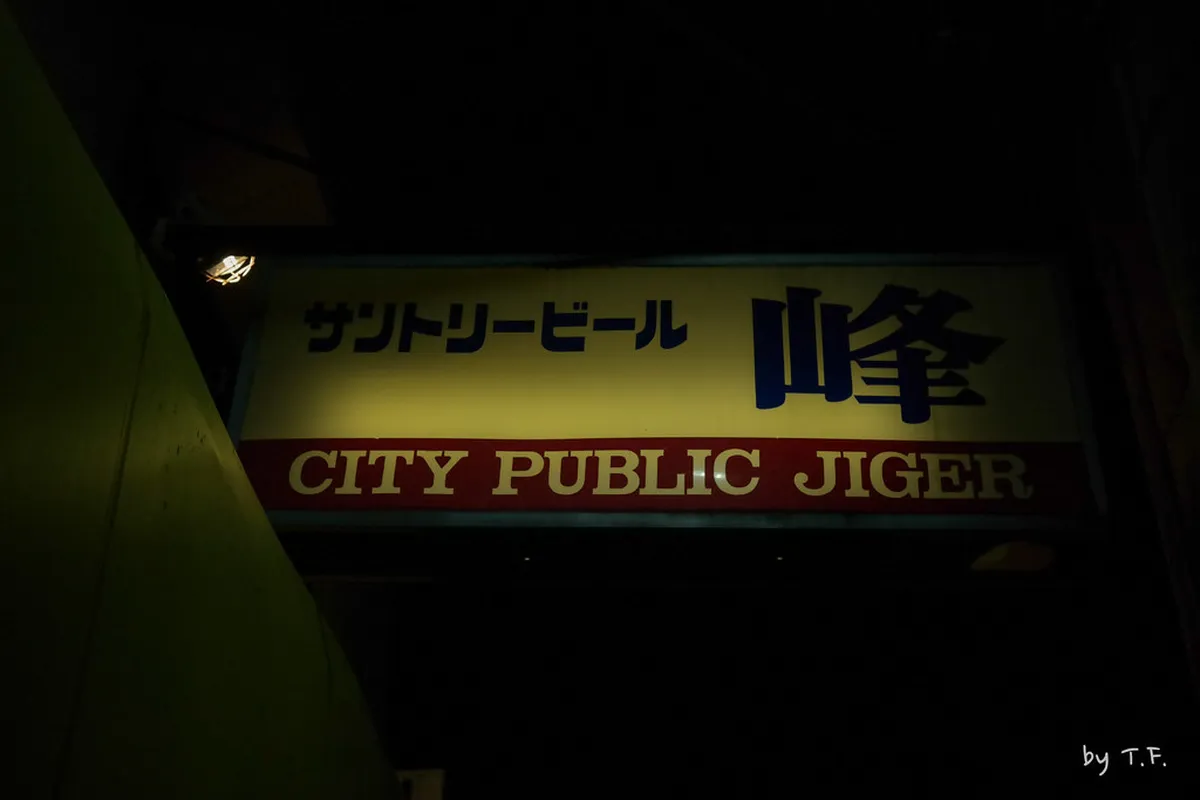
10 Famous Historic Buildings in Beppu to Visit in 2026
Explore 10 famous historic buildings in Beppu — from Meiji-era bathhouses to imperial hot springs. Your complete guide to Beppu's architectural heritage in 2026.
On this page
Beppu is a coastal city famous for its incredible natural hot springs and steam. The city also boasts a rich collection of famous historic buildings in Beppu from different eras. Travelers often overlook these architectural gems while focusing only on the famous hot spring hells. Exploring these sites offers a deep look into the local culture and heritage of Oita.
Many of these structures date back to the Meiji and Taisho periods of Japanese history. You will find a unique mix of traditional wooden designs and early Western influences here. These buildings served as bathhouses, community centers, and even schools for the local residents. Walking through these neighborhoods feels like stepping back into a different time in Japan.
This guide will help you find the best architectural sites across the city today. We have selected ten locations that showcase the diverse history of this famous resort town. Each entry includes practical information to help you plan your visit with ease and confidence. Prepare to see some of the most beautiful historic landmarks in the entire Kyushu region.
10 Famous Historic Buildings in Beppu to Explore
The famous historic buildings in Beppu are scattered across several distinct districts in the city. Most visitors start their journey in the central area near the main train station. This neighborhood is home to some of the oldest and most iconic bathhouses in Japan. You can easily reach these sites by walking or taking a short bus ride.
The Kannawa district offers another cluster of historic structures that are worth your time. This area is known for its narrow alleys and traditional steam cooking centers. Many buildings here have preserved their original wooden facades for over a century. It is the perfect place to experience the atmosphere of old-world Japan.
If you want to see everything, consider following a walking tour itinerary during your stay. This will ensure you do not miss the smaller shrines and hidden architectural details. Many of these sites are still active and serve the local community every day. Please remember to be respectful when visiting active bathhouses or religious buildings.
Most historic buildings in central Beppu and the Kannawa district are within walking distance of each other. Entry fees are generally very low — most active bathhouses cost under 500 yen, and the Beppu City Public Hall and several shrines are free to view from the outside at any time.
Entry fees for these historic sites are generally very affordable for most international travelers. Some locations are free to view from the outside at any time of day. Others require a small ticket price if you wish to enter and explore inside. Always check the operating hours before you depart for your daily sightseeing adventure.
- Takegawara Onsen Bathhouse in Central Beppu
- Type: historic bathhouse
- Why go: iconic Meiji era architecture
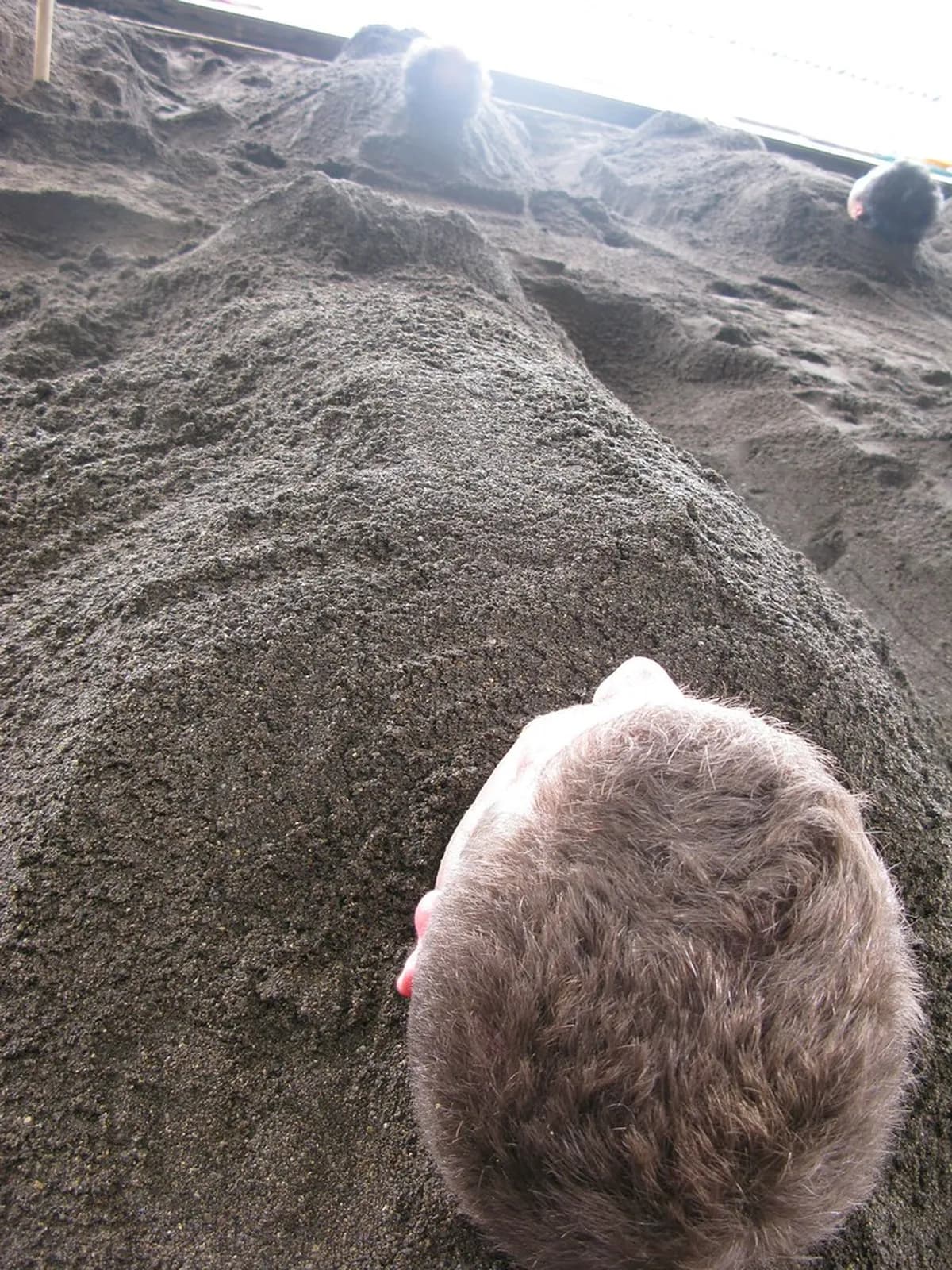
- Best for: traditional sand bath fans
- Where: central Beppu district
- Time: one to two hours
- Cost: under five hundred yen
- Getting there: walk from Beppu Station
- Tip: bring your own towel
- Beppu Tower Observation Deck and Landmark
- Type: post war landmark
- Why go: designed by Tachu Naito
- Best for: city skyline views
- Where: Kitahama coastal area
- Time: thirty to sixty minutes
- Cost: modest admission fee
- Getting there: ten minute walk east
- Tip: visit during sunset hours
- Hyotan Onsen Traditional Bathhouse in Kannawa
- Type: sight and bathhouse
- Why go: Michelin starred historic site
- Best for: waterfall bath experience
- Where: Kannawa steam district
- Time: two to three hours
- Cost: standard onsen pricing
- Getting there: take city bus twenty
- Tip: try the steam food
- Chinoike Jigoku Footbath Pavilion and Shop
- Type: historic hell site
- Why go: oldest natural hot spring
- Best for: seeing red water
- Where: northern Beppu area
- Time: forty five minutes
- Cost: part of hells pass
- Getting there: bus from the station
- Tip: check the Beppu Hells guide
- Kannawa Steam Cooking Center Historic Kitchen
- Type: traditional cooking facility
- Why go: unique Edo period style
- Best for: healthy steam cooking
- Where: heart of Kannawa
- Time: one hour lunch
- Cost: pay for food items
- Getting there: bus to Kannawa terminal
- Tip: book a table early
- Beppu City Public Hall Western Style Building
- Type: municipal historic building
- Why go: beautiful 1928 brickwork
- Best for: architecture photography
- Where: near Beppu Park
- Time: thirty minutes
- Cost: free outside viewing
- Getting there: short taxi ride
- Tip: look for intricate carvings
- Kyodokan Museum Meiji Era School Building
- Type: local history museum
- Why go: preserved wooden schoolhouse
- Best for: learning local history
- Where: Hamawaki district
- Time: one hour
- Cost: very cheap entry
- Getting there: walk from south Beppu
- Tip: check for seasonal exhibits
- Umi Jigoku Shrine and Traditional Pavilion
- Type: scenic shrine site
- Why go: classic thatched roof style
- Best for: peaceful garden walks
- Where: Kannawa hells area
- Time: one hour
- Cost: included in entry
- Getting there: bus to Umi Jigoku
- Tip: visit the lotus ponds
- Shibaseki Onsen Imperial Hot Spring Site
- Type: historic imperial bath
- Why go: visited by ancient emperors
- Best for: quiet forest bathing
- Where: Shibaseki district
- Time: ninety minutes
- Cost: low entry fee
- Getting there: bus sixteen or twenty-six
- Tip: enjoy the outdoor bath
- Ekimae Koto Onsen European Style Bathhouse
- Type: Taisho era building
- Why go: charming half timbered design
- Best for: quick station soak
- Where: near Beppu Station
- Time: forty five minutes
- Cost: under three hundred yen
- Getting there: two minute walk
- Tip: great for early arrivals
The History of Architecture in Beppu City
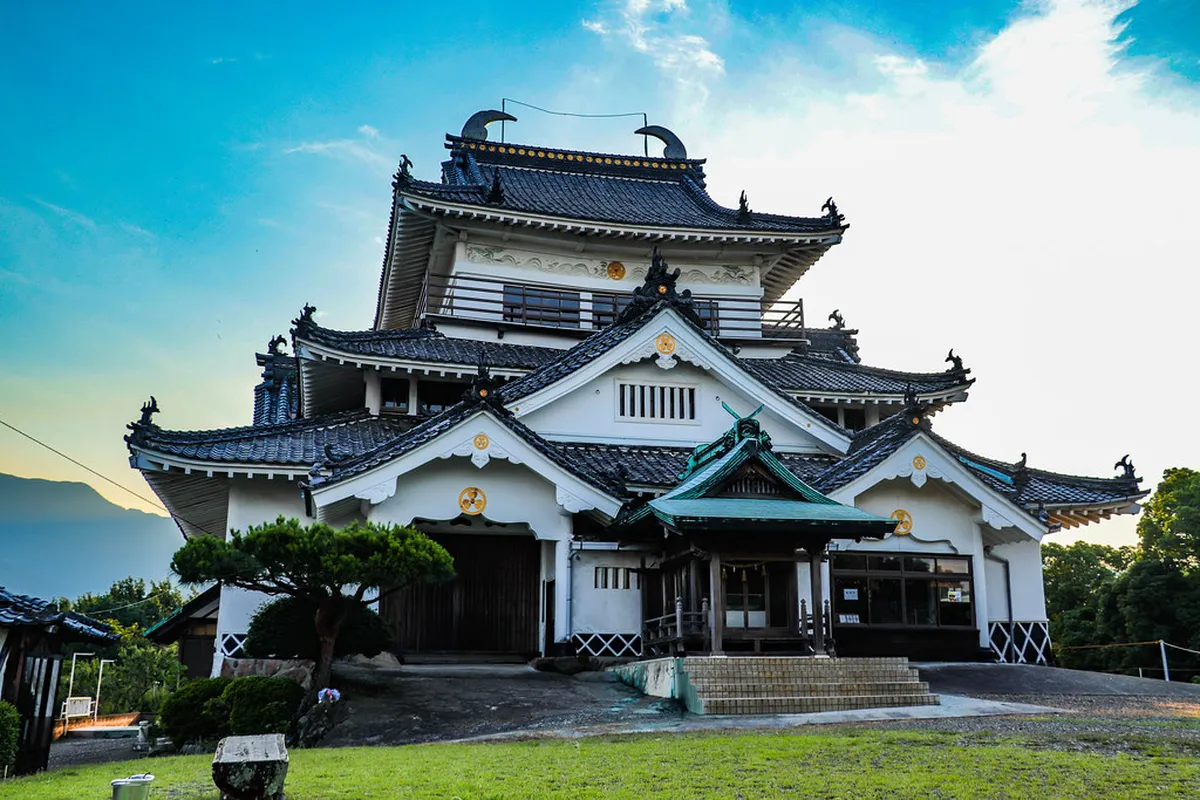
The architecture of Beppu reflects its rapid growth during the early twentieth century. As the city became a popular tourist destination, new styles began to emerge. Builders combined traditional Japanese techniques with modern Western concepts of the time. This created a unique visual landscape that you can still see today.
The Meiji era brought a focus on public health and grand communal spaces. Many of the largest bathhouses were constructed to accommodate growing numbers of visitors. These buildings often featured high ceilings and elaborate wooden frames for ventilation. They served as the social heart of the city for many decades.
During the Taisho and early Showa periods, Western influences became more prominent. You will notice brickwork and European window designs on some older municipal buildings. This was a sign of Japan's modernization and openness to global design trends. The Beppu City Public Hall is a prime example of this transition.
Preservation efforts in recent years have helped protect these famous historic buildings in Beppu. Local organizations work hard to maintain the original materials and craftsmanship. Visiting these sites helps support the ongoing conservation of Japanese heritage. It ensures that future generations can appreciate the beauty of old Beppu.
How to Visit These Famous Historic Sites
Navigating Beppu is relatively easy thanks to an extensive public bus network. The Kamenoi Bus company operates routes that stop near all major historic sites. You can purchase a one-day pass to save money on multiple trips. Most bus drivers are used to helping tourists find their way.
Walking is the best way to see the central and Kannawa districts. Many of the most famous historic buildings in Beppu are within walking distance. Wear comfortable shoes as some areas have steep hills or uneven stones. Exploring on foot allows you to discover small shrines and local shops.
For sites further away, you might consider taking a local taxi. Taxis are clean, safe, and readily available at the main train station. They can take you directly to spots like Shibaseki Onsen or Mount Tsurumi. This is a good option if you are traveling in a group.
Timing your visit is important to avoid the largest crowds of tourists. Early mornings are usually the quietest time for photography and peaceful bathing. Weekdays are also less busy than weekends or national holidays in Japan. Check the local weather forecast before planning your outdoor walking tours.
Practical Tips for Your Heritage Tour
When visiting historic bathhouses, always follow the local bathing etiquette carefully. Wash your body thoroughly before entering the communal hot spring pools. Keep your hair tied up and do not put towels in the water. Being a respectful guest ensures a pleasant experience for everyone involved.
Active bathhouses require you to wash thoroughly before entering the pools. Do not put towels in the water and keep hair tied up. Many older onsen buildings also prohibit tattoos — check the rules posted at the entrance before paying.
Many historic sites have information boards in both Japanese and English. Take the time to read these to learn about the building's history. You might find interesting facts about the architects or famous past visitors. Some locations also offer small brochures or maps for a small fee.
Do not forget to bring a small towel and some spare coins. Many older bathhouses require coins for lockers or entry machines. Having a dedicated bag for your wet items is also very helpful. These simple preparations will make your heritage tour much more enjoyable.
Frequently Asked Questions
What is the most famous historic building in Beppu?
Takegawara Onsen is widely considered the most famous historic bathhouse in the city. The current iconic structure was built in 1938 to replace an older bamboo building. It showcases classic Meiji style architecture that attracts thousands of visitors every year.
Are the historic buildings in Beppu free to visit?
Many historic buildings are free to view from the outside while walking through the city. However, active bathhouses and museums usually charge a small entry fee for visitors. These costs are typically very low and help with the maintenance of the sites.
How old are the oldest buildings in Beppu?
Most of the prominent historic buildings in the city date back to the Meiji and Taisho eras. This means many structures are between 80 and 130 years old. They represent the golden age of Beppu's development as a major hot spring resort.
Beppu offers a fascinating journey through time for any fan of history and architecture. From the grand Takegawara Onsen to the modern Beppu Tower, there is much to see. These famous historic buildings in Beppu provide a beautiful backdrop to your hot spring vacation. We hope this list inspires you to explore the cultural side of this wonderful city.
For more information on planning your trip, check out our other Japan travel guides. Beppu is a city that rewards those who take the time to look deeper. Enjoy your heritage tour and the relaxing waters of Oita prefecture.
Free: The Beppu Essentials guide
Top things to do, where to stay, a perfect day plan, getting around, and the best time to go — a Beppu mini-guide you can take offline.
You might also like

Continue reading
More guides you'll find useful