Hiroshima Gokoku Shrine Guide: History, Festivals & Visiting Tips
Plan your visit to Hiroshima Gokoku Shrine with this guide to its A-bomb history, annual festivals, and its unique connection to the Hiroshima Carp baseball team.
On this page
Last updated October 2026: Hiroshima Gokoku Shrine sits inside the Hiroshima Castle grounds, and most visitors walk past it on the way to the keep. This guide covers its history, its festival calendar, the March visit by the local baseball team, and how to fit it into a castle day. Plan on 30 to 45 minutes, and admission is free.
What Hiroshima Gokoku Shrine Is and Where You Will Find It
Gokoku shrines are Shinto shrines designated as places of worship for people who died in war. Hiroshima's version, also written Gokoku-jinja, honors soldiers from the former Aki province, which is now western Hiroshima Prefecture. It also honors some 10,000 workers and volunteer corps members stationed in the city who died in the 1945 atomic bombing.
You will find it within the grounds of Hiroshima Castle, also called Rijo, or Carp Castle. Treat it as half of a two-stop visit. Many travelers stumble on it while heading for the castle keep, so decide in advance whether you want to pause here.
The shrine runs its own English-friendly visitor information through its official shrine website. Check that page for ritual timings before you travel, because dates and times can shift from year to year.
History: From the Boshin War to the Atomic Bomb
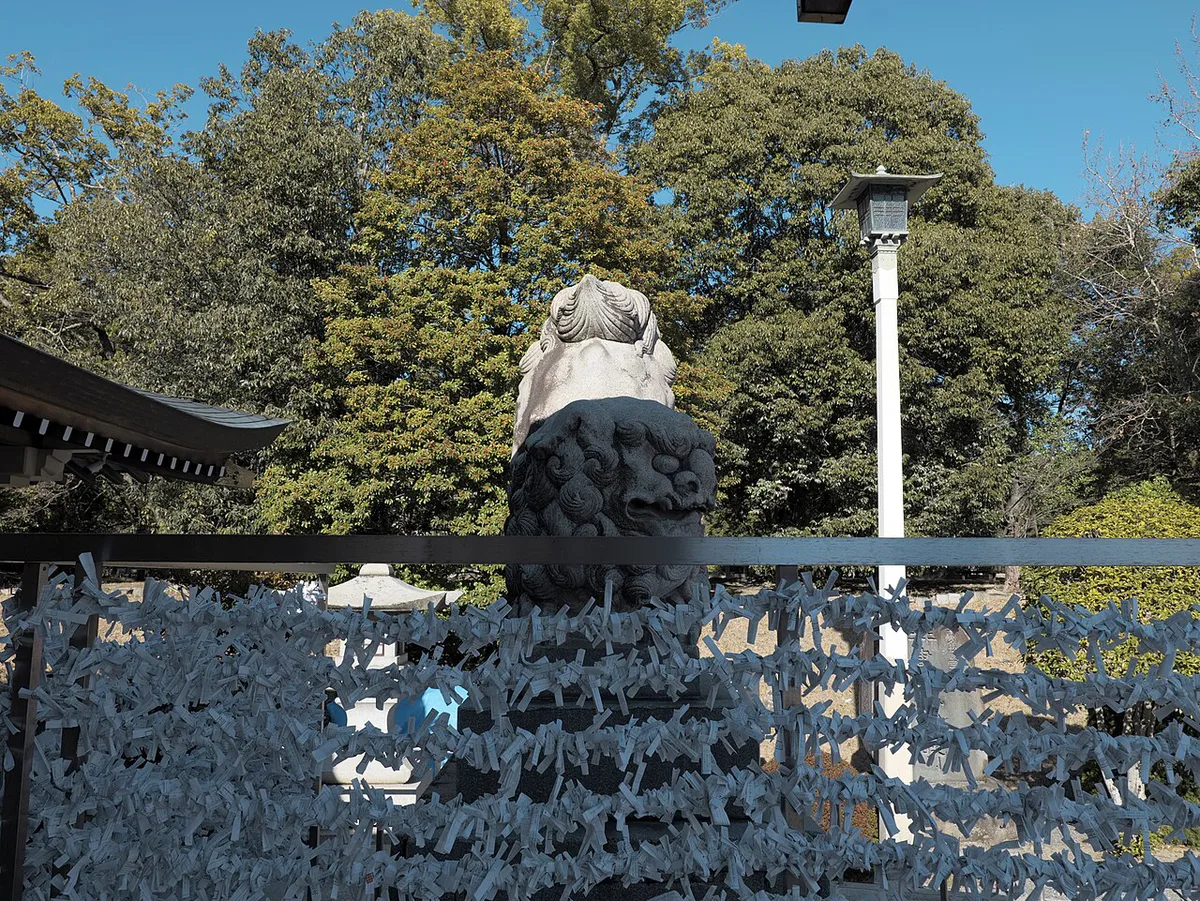
Hiroshima Gokoku Shrine began in 1868. It was built to commemorate victims from the Hiroshima domain in the Boshin War. At that stage it enshrined 78 souls in a small shrine called Mikureisha.
Over the following decades the number of enshrined souls grew. Today the total stands at 92,700. That figure covers soldiers who died in Japan's wars up to the Second World War, plus the A-bomb workers and volunteers mentioned above.
The building moved several times. Use this timeline to follow the changes.
- 1868: founded to honor Hiroshima domain victims of the Boshin War.
- 1934: dismantled and rebuilt in a corner of the west wing of the military parade ground.
- 1939: renamed Hiroshima Gokokujinja by order of the Interior Ministry.
- 1945: destroyed in the atomic bombing.
- 1956: rebuilt on its current site within Hiroshima Castle's grounds, with donations from Hiroshima citizens.
- 1995: current main building completed, with the grand stone slab approach added.
What to See and Do at the Shrine
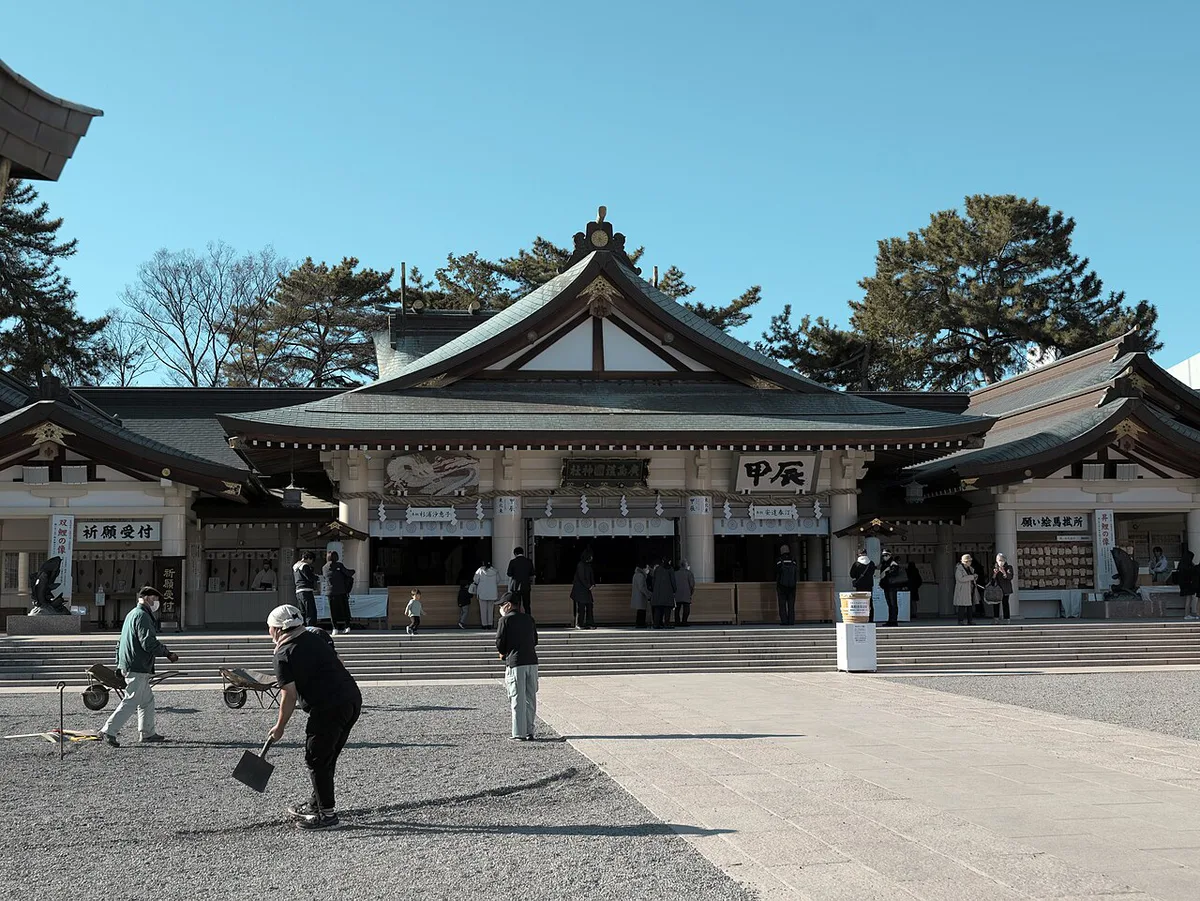
Start at the approach. The grand stone slab path was added in 1995, the same year as the current main hall. Walk it slowly, because it gives the shrine most of its sense of arrival.
The main hall, or honden, is the focus of any visit. Stand at the offering area, bow, and offer a prayer in the usual Shinto way. Daily prayers are offered at 10am in the Nikku-sai ritual, so arriving around then lets you see the shrine in active use.
The Hiroshima Carp connection is the detail most guides miss. The local professional baseball team visits every March to pray for a successful season. If you travel in that month, you may see players or fans in team colors.
The shrine office also sells omikuji fortune slips and omamori charms. Prices are not listed in our sources, so check them at the counter. Ask the shrine staff before photographing anything inside or near the main hall.
Festivals and Annual Events at Hiroshima Gokoku Shrine
Hatsumode is the shrine's biggest moment. It is one of the most popular places in Hiroshima to make the first shrine visit of the year. Over half a million people fill the concourse during the first seven days of January.
Allow 30 to 45 minutes for a full shrine visit, enough time to experience one of the daily 10am prayers or another ceremony if your timing aligns.
For a calmer visit, aim for a ceremony day outside that week. Dates below come from a local listing and the shrine's own schedule, so confirm them on the shrine website before you go.
- Jan 1–7: Hatsumode, the New Year visit, with over half a million people in the first seven days.
- Jan 3, 10am: Genshi-sai, a New Year ritual.
- Feb 3, 3:30pm: Setsubun-sai.
- Feb 11, 10am: Kigen-sai, commemorating the foundation of Japan.
- 2nd Sunday of April, 10:30am: Shunki-taisai, the spring grand ceremony.
- Last Friday, Saturday and Sunday of May, 6:30pm: Mantou-mitama-sai, the festival of lamps.
- Aug 6, 10am: Genbaku-irei-sai, the atomic bomb memorial ceremony.
- Aug 15, 10am: Eirei-kansha-sai.
- 3rd Sunday of October, 10am: Shuuki-taisai, the autumn grand ceremony.
- Nov 15, 9am: Shichi-go-san-sai, for children.
- Dec 31, 5pm: Toshikoshi-no-ooharae, the year-end purification.
- 5th of each month, 10am: Getsurei-sai, the monthly ceremony.
Visitor Logistics: Hours, Admission and Getting There
Admission is free. Grounds are generally open from sunrise to sunset, and the shrine office is usually staffed from about 9am to 4:30pm. Treat those hours as typical rather than guaranteed. Check the shrine's website for current times, especially around holidays.
The shrine honors 92,700 enshrined souls. Plan a 30 to 45 minute visit to pay genuine respects to this war memorial, not merely as a tourist photo spot.
From Hiroshima Station, you can reach the castle area by tram or by the sightseeing loop bus called Meipuru-pu. Check current timetables locally, because routes and frequencies change.
If you are traveling beyond the city, the regional rail pass may also help. Our Kansai-Hiroshima Area Pass guide explains who benefits from it. For official pass terms, read the JR West pass page.
Accessibility is a strength. The approach is flat and paved, which is easier for strollers and wheelchairs than many hillside shrines.
Hiroshima Gokoku Shrine vs Itsukushima Shrine: Which to Prioritize
These two shrines serve different trips. Gokoku suits a short city stop. Itsukushima needs a ferry and most of a day. If time is tight, the table shows how they compare.
The Miyajima entry fee is listed as small, and no figure is supplied here, so check it before you go. Gokoku Shrine itself is free. Many travelers pair Gokoku with Hiroshima's city sights and save Miyajima for a second day.
| Feature | Hiroshima Gokoku Shrine | Itsukushima Shrine (Miyajima) |
|---|---|---|
| Primary theme | War memorial and city resilience | Coastal setting and UNESCO site |
| Location | City center, inside castle grounds | Island, requires a ferry |
| Time needed | 30–45 minutes | 3–5 hours including travel |
| Crowd level | Moderate, high during New Year | Consistently high |
| Cost | Free | Small entry fee |
Combining the Shrine With Nearby Attractions
Pair the shrine with Hiroshima Castle, which shares the same grounds. That makes a compact half-day of about 2 to 3 hours if you add the keep.
From there, you can chain in other stops. Shukkeien Garden and the Hiroshima Museum of Art are both listed in our planning notes as natural next stops. Check a map for the walking route and distance, since neither is quantified in our sources.
Our Hiroshima Museum of Art: Visitor Guide, Tickets & Tips covers that stop in detail. For opening times, use the museum's official site.
For wider planning, browse our Hiroshima Attractions: The Complete 2026 Pillar Guide list. If you want a more active trip, our 3-day adventure itinerary shows how to fit city sights between outdoor days. You can also compare this stop with our best things to do roundup, or see Japan travel planning for the wider trip.
Mistakes to Avoid When Visiting
Bow at the torii gate before entering. Wash your hands at the purification basin before you approach the main hall. These are standard Shinto courtesies, and they matter more at a memorial shrine.
Avoid the first week of January unless the crowd is the point. Over half a million people visit between Jan 1 and 7. If you want quiet grounds, choose a weekday morning or the 5th of any month, when the 10am monthly ceremony runs.
Do not treat the shrine as a photo backdrop. It honors 92,700 enshrined souls, including A-bomb victims. Keep your voice low during rituals, and ask before photographing anyone in ceremony.
Finally, do not assume it is a stand-alone trip. At 30 to 45 minutes, it works best chained with the castle and nearby sights.
Walking Routes from Shukkeien Garden and Hiroshima Museum of Art
Hiroshima Gokoku Shrine is easy to add between central sights on foot. From Hiroshima Museum of Art, walk north toward Hiroshima Castle’s moat and enter the castle grounds through the nearby pedestrian access. Follow signs for Gokoku Shrine rather than the keep. The shrine sits on the castle’s eastern side, behind its large torii gate.
From Shukkeien Garden, leave by the main entrance and walk west toward the castle district. The route takes you through central Hiroshima streets before reaching the castle moat and grounds. Allow extra time for crossings and for finding the correct castle entrance.
- Hiroshima Museum of Art to the shrine: a short central-city walk.
- Shukkeien Garden to the shrine: a longer but practical walk for a half-day route.
- Hiroshima Castle keep, shrine, and museum work well in one walking itinerary.
Use a live map for the final approach, as castle access points can affect the route. Start at the shrine before visiting the keep if you want a quieter setting.
Frequently Asked Questions
Is Hiroshima Gokoku Shrine free to visit?
Yes, admission is free. Shrine office hours are usually about 9am to 4:30pm, but check the official website for current times.
How long should I spend at Hiroshima Gokoku Shrine?
Plan on 30 to 45 minutes. Add 2 to 3 hours if you also tour Hiroshima Castle, which shares the grounds.
When is the best time to visit?
For a quiet visit, choose a weekday morning outside the first week of January. For ceremonies, try the 10am daily Nikku-sai or the monthly Getsurei-sai on the 5th. March suits baseball fans, since the Hiroshima Carp visit to pray for the season.
What is the connection between the shrine and the Hiroshima Carp?
The local professional baseball team visits the shrine every March. Players pray for a successful season there.
Where is the shrine located?
It sits within the grounds of Hiroshima Castle. Many visitors reach it by tram or by the Meipuru-pu sightseeing loop bus. Check current timetables before you go.
Free: The Hiroshima Essentials guide
Top things to do, where to stay, a perfect day plan, getting around, and the best time to go — a Hiroshima mini-guide you can take offline.
You might also like


Continue reading
More guides you'll find useful