
Sapporo in January: Weather, Crowds, and the January Gap
Plan Sapporo in January with current weather data, New Year's closures, and the January Gap strategy for lower rates before Snow Festival crowds arrive.
On this page
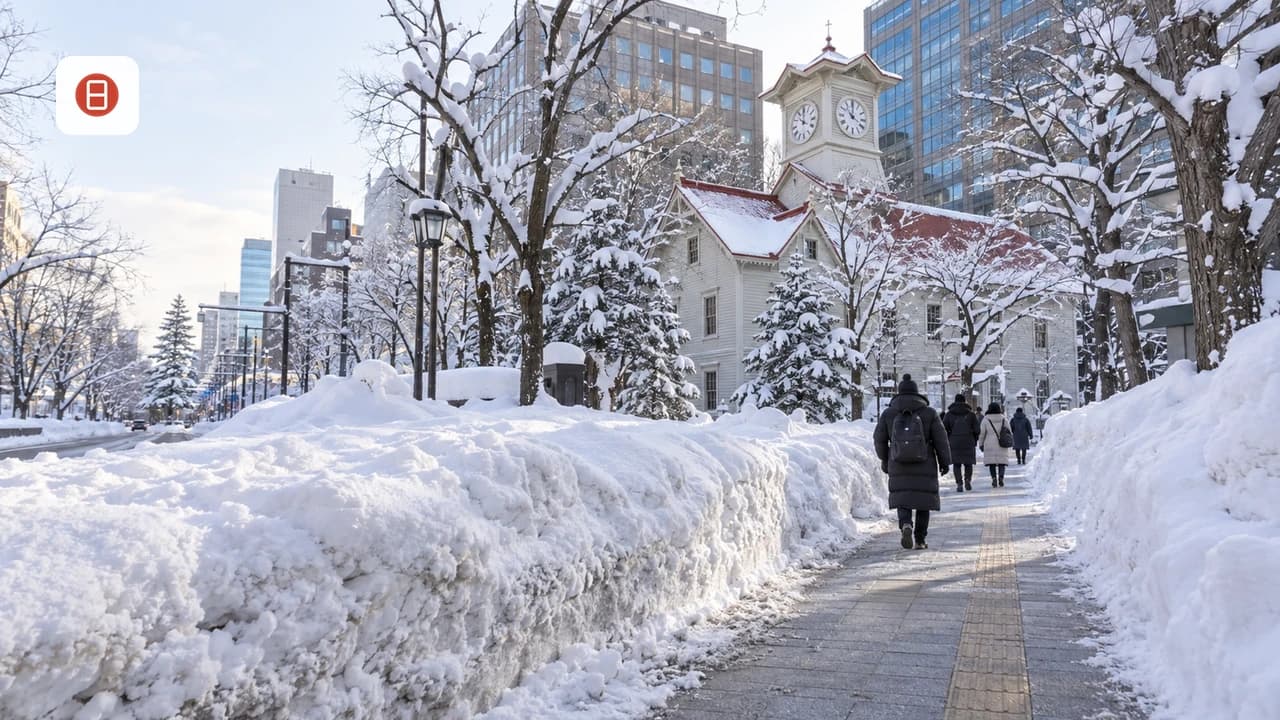
Last updated September 2026: Sapporo in January brings average highs near 25°F (-4°C) and lows around 15°F (-9°C), with snow already deep across Susukino and Odori Park weeks before Snow Festival sculptures appear. That window between New Year's closures ending and the Snow Festival's crowds arriving is the January Gap. Expect cheaper hotel rates and shorter lines at sights like Mount Moiwa during this stretch, plus an underground walkway network worth learning on arrival.
Is Sapporo in January Worth Visiting?
Sapporo in January rewards travelers who want powder snow without February's crowds. Average highs sit near 25°F (-4°C) and lows drop to about 15°F (-9°C), so pack for real winter rather than a light dusting. Compare that against December in Sapporo, when the Christmas market and illumination displays still draw visitors. Weigh it too against February in Sapporo, when Snow Festival sculptures fill Odori Park but hotel rates climb and lines lengthen. First-time visitors chasing the postcard version of Sapporo often do better waiting for February, while repeat visitors and value-focused travelers get more from January. Budget-focused travelers often get better value picking January over February, since venues like Mount Moiwa's ropeway and the JR Tower observation deck see noticeably fewer visitors. For trade-offs outside winter entirely, see the best season to visit Sapporo.
Sapporo Weather in January: What to Expect and Pack
January is Sapporo's coldest month, with highs averaging 25°F (-4°C) and lows near 15°F (-9°C) most days. Snow falls heavily and sidewalks ice over fast once overnight temperatures drop below freezing. Pole Town and Aurora Town, underground malls linking Sapporo Station to Susukino and Odori Park, keep most of a day's walking indoors and out of the wind. Convenience stores near Sapporo Station stock both kairo heat packs and basic shoe crampons, so packing light and buying gear on arrival works for most trips. For a fuller month-by-month temperature comparison, Sapporo's weather by month breaks down how January compares to the shoulder months.
- Average wind speed: about 15.6 mph
- Average humidity: around 85 percent
- Daylight: roughly 9.4 hours, from a 7:01 a.m. sunrise to a 4:24 p.m. sunset
- Base and mid layers under a windproof, insulated outer coat
- Heat packs (kairo), sold at convenience stores and drugstores
- Non-slip boots or slip-on shoe crampons for icy sidewalks
- Gloves, a warm hat, and a scarf or neck gaiter for wind exposure
The January Gap: Cheaper Rates Before the Snow Festival
Most Sapporo guides treat December through February as one long winter season. Yet the stretch after New Year's closures end and before the Snow Festival's setup begins differs in real ways. Hotel rates in this January Gap typically run below what the same room costs once Sapporo Snow Festival crowds arrive in early February, according to the festival's official site. Venues like Mount Moiwa's ropeway and the JR Tower observation deck see noticeably shorter lines during this stretch. That trade-off is straightforward. No snow sculptures fill Odori Park yet, and the festival's crowds and food stalls are still weeks away. Travelers chasing powder skiing or a quieter city pace tend to prefer January. Those set on seeing the sculptures should check Snow Festival dates before booking a February trip instead. A single day combining three of January's key sights runs about ¥4,100 in entry fees before meals and transit, well below the same combination once February's crowds arrive.
| Factor | January (the Gap) | February (Snow Festival) |
|---|---|---|
| Hotel rates | Lower, one of the cheapest winter windows | Higher, especially festival week |
| Crowd levels | Thin outside January 1-3 | Heavy, particularly weekends |
| Snow sculptures at Odori Park | None yet | Full display, per snowfes.com |
| Ropeway and observation deck lines | Short | Long, especially evenings |
| Best for | Budget travel, powder skiing, quieter sightseeing | First-time visitors focused on festival sculptures |
- JR Tower observation deck: ¥900
- Noria Ferris Wheel: ¥900
- Mount Moiwa ropeway: ¥2,300
- Combined entry fees for one day: about ¥4,100, before meals and transit
Top Things to Do in Sapporo in January
January's attractions split into two groups: winter-specific events wrapping up from December, and cold-weather activities that run all season. Unlike the Sapporo Christmas Market Guide: Dates, Food, and Tips for 2026, which closes at the end of December, the White Illumination's Ekimae-dori stretch often stays lit into January. Check the White Illumination guide for which sections are still running during a specific visit.
Mount Moiwa's ¥2,300 sunset visit (to see daylight, golden hour, and after dark in one visit) must start before January's 4:24 p.m. sunset to capture all stages.
- Mount Moiwa ropeway: ¥2,300 round trip; go at sunset to see the city in daylight, golden hour, and after dark in one visit
- Reach the ropeway via the Sapporo City Streetcar to Ropeway Iriguchi stop, then a short shuttle bus or an 8-minute walk
- At the summit, ringing the Happiness Bell is a local tradition for couples visiting Mount Moiwa
- Winter sports day trips: Niseko and Teine sit within reach of Sapporo for powder skiing and snowboarding, per Hokkaido Tourism
- Jozankei Onsen: a hot spring day trip outside the city center, with indoor and outdoor baths for warming up after a day outdoors
- Odori Park ice skating: a seasonal rink typically runs in January, on the same ground the Snow Festival later takes over
The Food Scene: Winter Specialties Worth the Wait
Soup curry is Sapporo's defining January dish. It's a spiced broth loaded with vegetables and meat, built for a city this cold. Miso ramen has deeper roots, though, with Susukino's Ramen Alley (Ganso Sapporo Ramen Yokocho) recognized as the neighborhood where the style took shape. Lines at the best-known shops can run long, and nearby options in the same block serve the same quality with shorter waits. Bring cash: many of the smaller, independent shops in both Ramen Alley and the wider Susukino food scene do not take cards. For seafood, Nijo Market sits a short walk from Odori Park and suits visitors who want convenience over authenticity. Sapporo Central Wholesale Market trades that convenience for a more working, less tourist-oriented atmosphere, favored by visitors chasing the freshest catch of the day. Susukino's Nikka Whiskey Sign marks the district's core, a fixed point for orienting toward Ramen Alley, nearby izakayas, and the Noria Ferris Wheel atop the Norbesa building. Susukino's bars and izakayas stay busy after dinner, and the nightlife guide for winter covers where to go once the temperature drops after dark.
Managing New Year's in Sapporo (January 1-3)
Oshogatsu, Japan's New Year holiday, closes many independent restaurants, small shops, and some museums from January 1 through January 3. Larger department stores stay open through the holiday and often launch Lucky Bag (fukubukuro) sales starting January 2, a good reason to visit if bargain shopping matters. Shrines stay open and busy, and Hokkaido Jingu draws crowds for hatsumode, the first shrine visit of the year. Hotel restaurants typically keep normal hours through the holiday, which makes them a reliable fallback when neighborhood spots are shuttered. Museum hours vary by institution, so checking each site's holiday schedule in advance avoids a wasted trip during the closure window. Coming of Age Day follows on January 11, a national holiday that can add light crowds at major sights without closing them. Booking dinner reservations in advance for January 1 through 3, especially at hotel restaurants, avoids the scramble many walk-in travelers face during the holiday.
Getting Around: Streetcars, Underground Walkways, and Luggage
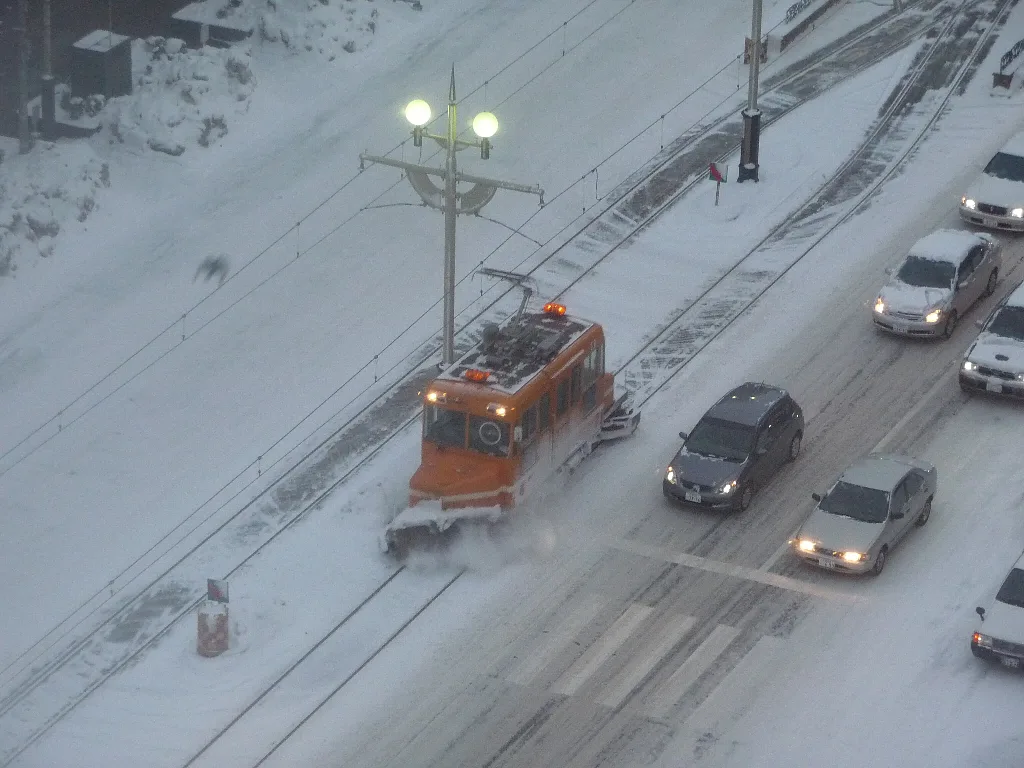
Sapporo's City Streetcar loops through downtown and reaches Mount Moiwa's ropeway stop, useful once the sidewalks ice over. The same line also passes through central Susukino, making it useful for reaching Ramen Alley or the Nikka Whiskey Sign without walking the full distance on ice. A Japan Rail Pass covers trains between Sapporo and other Hokkaido cities but does not cover the streetcar itself, so factor that in separately. Luggage is the real January obstacle: unplowed side streets can bury sidewalks under 5 inches of snow and ice, which drags down anyone pulling a hard-shell suitcase. Booking a hotel with direct underground access, through Pole Town or Aurora Town, removes that problem for most of the walk between Sapporo Station and Susukino. For the fuller seasonal picture beyond just January, the Sapporo winter guide covers how conditions shift across the whole season. Susukino suits travelers prioritizing nightlife and food. A Sapporo Station base suits travelers prioritizing transit connections and day trips. For a February add-on, Susukino's Snow Festival satellite site is a useful reference.
Must-Sees vs Overrated: Clock Tower, TV Tower, and Mount Moiwa
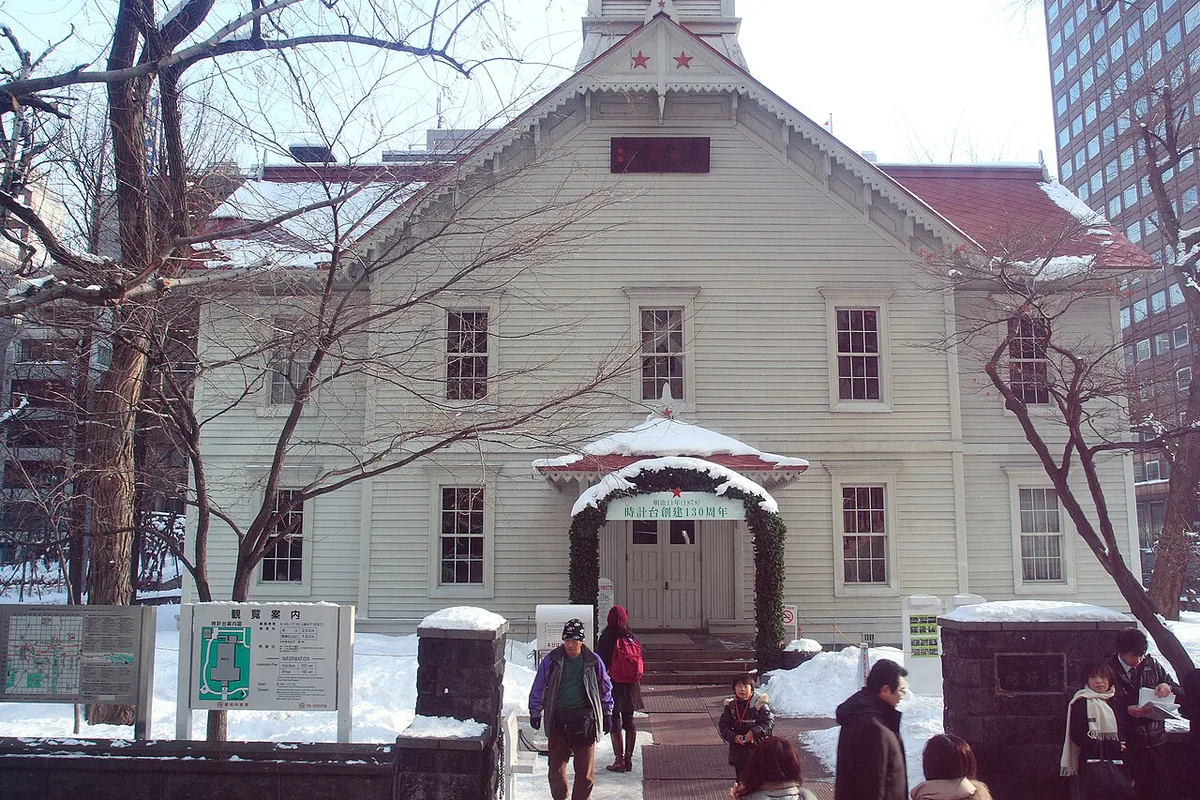
Sapporo's Clock Tower, built in 1878, draws most visitors for a quick photo rather than the museum inside. In our editorial assessment, the exterior view from the street covers what most travelers need; the museum suits visitors with a specific interest in the city's early history. Sapporo's TV Tower stands 483 feet (147.2 meters) tall at the edge of Odori Park, with an observation deck offering a 360-degree view of the park and the surrounding city. JR Tower's observation deck, reached from the building's 6th floor ticket counter, costs around ¥900 and sits higher above the city than the TV Tower's deck. Both work for different needs. TV Tower visits suit a quick stop between Odori Park sights. JR Tower rewards visitors who want a longer, higher view and don't mind an extra elevator ride. Both landmarks sit close enough to Odori Park to combine in one walk, without needing a taxi or the streetcar between them. For a longer itinerary, the Sapporo attractions guide ranks these against the rest of the city's sights.
Frequently Asked Questions
Is Sapporo colder in January or February?
January is Sapporo's coldest month, with highs averaging 25°F (-4°C) and lows near 15°F (-9°C). February often feels similarly cold, but it also brings the Snow Festival's crowds on top of the same winter chill.
What's closed in Sapporo during New Year's?
Many independent restaurants, small shops, and some museums close from January 1 through January 3 for Oshogatsu. Department stores usually stay open and often launch Lucky Bag sales starting January 2, and hotel restaurants keep normal hours through the holiday.
How do you get from Sapporo Station to Susukino without fighting the snow?
Use the underground Pole Town and Aurora Town malls, which connect Sapporo Station to Susukino and Odori Park without stepping outside. Booking a hotel with direct underground access matters most in January, when sidewalks can carry 5 inches of snow and ice.
Is the Sapporo Snow Festival happening in January?
No, the Snow Festival runs in early February, so January visitors see Susukino and Odori Park before the sculptures go up. Check the Snow Festival dates guide if the festival itself is the priority.
Is the JR Tower observation deck or the Sapporo TV Tower better for views?
JR Tower's observation deck sits higher above the city and costs around ¥900. Sapporo TV Tower stands 483 feet (147.2 meters) tall at the edge of Odori Park and works well for a quicker stop between other sights.
What should you pack for Sapporo in January?
Base and mid layers matter most, along with a windproof insulated coat over the top. Add heat packs (kairo) and non-slip boots or shoe crampons for icy sidewalks. Gloves, a warm hat, and a scarf or neck gaiter handle the wind, and most of this gear is easy to buy at convenience stores and drugstores near Sapporo Station.
What's the best neighborhood to stay in for a January trip?
Susukino suits travelers prioritizing nightlife, ramen, and soup curry within walking distance. A Sapporo Station base suits travelers who want easy airport and regional train access, plus direct underground access to Pole Town during snow days.
Do you need a car to see Mount Moiwa and Jozankei Onsen in January?
No. Mount Moiwa is reachable by the Sapporo City Streetcar plus a short shuttle bus or an 8-minute walk to the ropeway. Jozankei Onsen and the Niseko or Teine ski areas are typically reached by bus or organized transport from central Sapporo, so a rental car isn't required for a short trip.
Free: The Sapporo Essentials guide
Top things to do, where to stay, a perfect day plan, getting around, and the best time to go — a Sapporo mini-guide you can take offline.
You might also like


Continue reading
More guides you'll find useful


