Kamakura Museum of History and Culture: 2026 Visit Guide
Plan a visit to the Kamakura Museum of History and Culture: ¥400 adult entry, 10:00–16:00 hours, Sunday closures, VR rules and a walk from Kamakura Station.
On this page
Last updated October 2026: the Kamakura Museum of History and Culture is a city-run museum in a former Norman Foster-designed private home. It opened in 2017 in the quiet Muryojigaya valley, about 7 minutes on foot from Kamakura Station. This guide covers the exhibits, the garden, the Sunday closure and the walking route, so you can fit the museum into a day trip without wasted steps.
What the Kamakura Museum of History and Culture Covers
Start here if you want context before you see temples. The museum tells Kamakura's story from ancient times to the present. Its core is built around artifacts excavated in Kamakura itself, so you see tiles and ceramics that came out of the local ground. Visit Kamakura also lists it as the Kamakura History and Culture Exchange Center, and you will see both names on signs and maps. Japanese listings use 鎌倉歴史文化交流館. Expect a compact museum rather than a full-day venue. Kamakura Guide estimates about 45 minutes, with 30 minutes for a quick pass and 60 for a thorough one. That makes it an easy morning stop before the larger sights of the main Kamakura attractions.
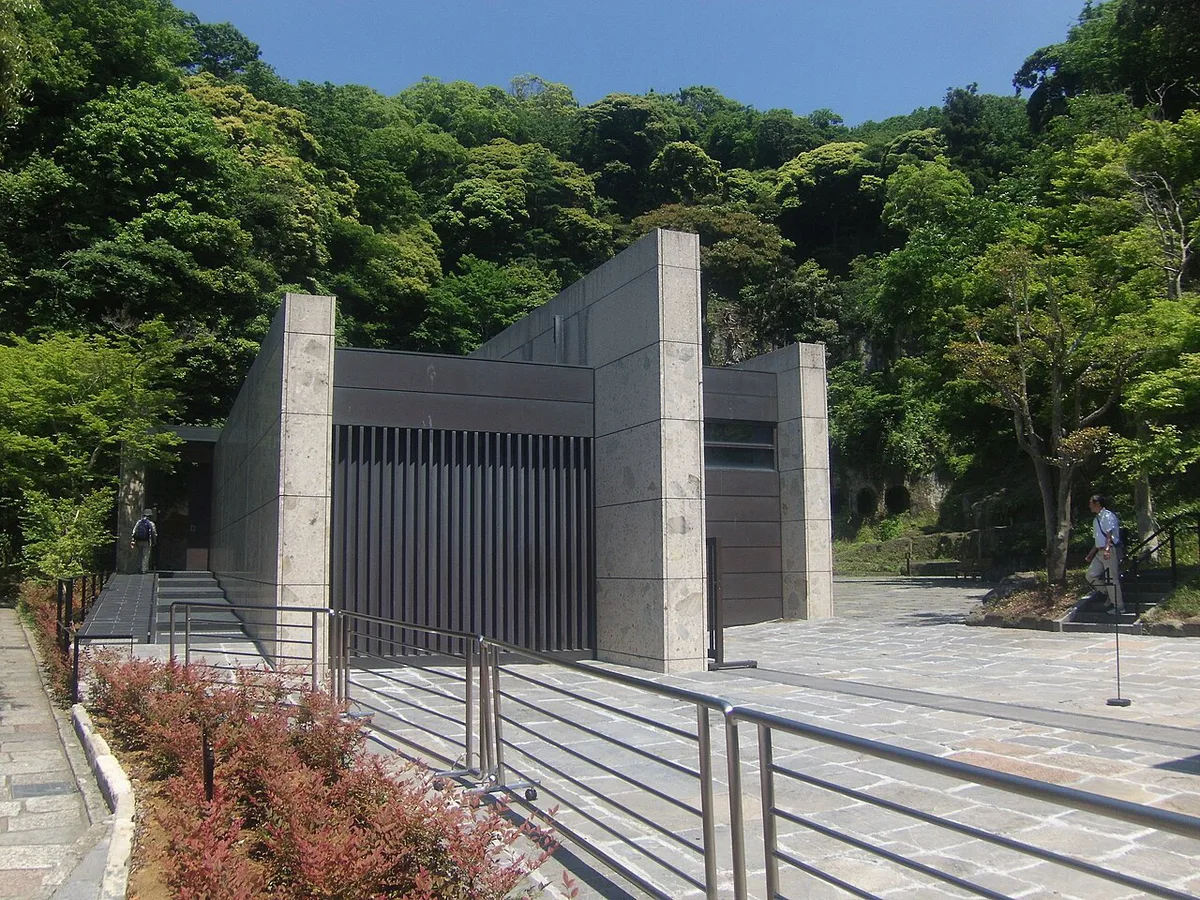
The Norman Foster Building and Its Valley Setting
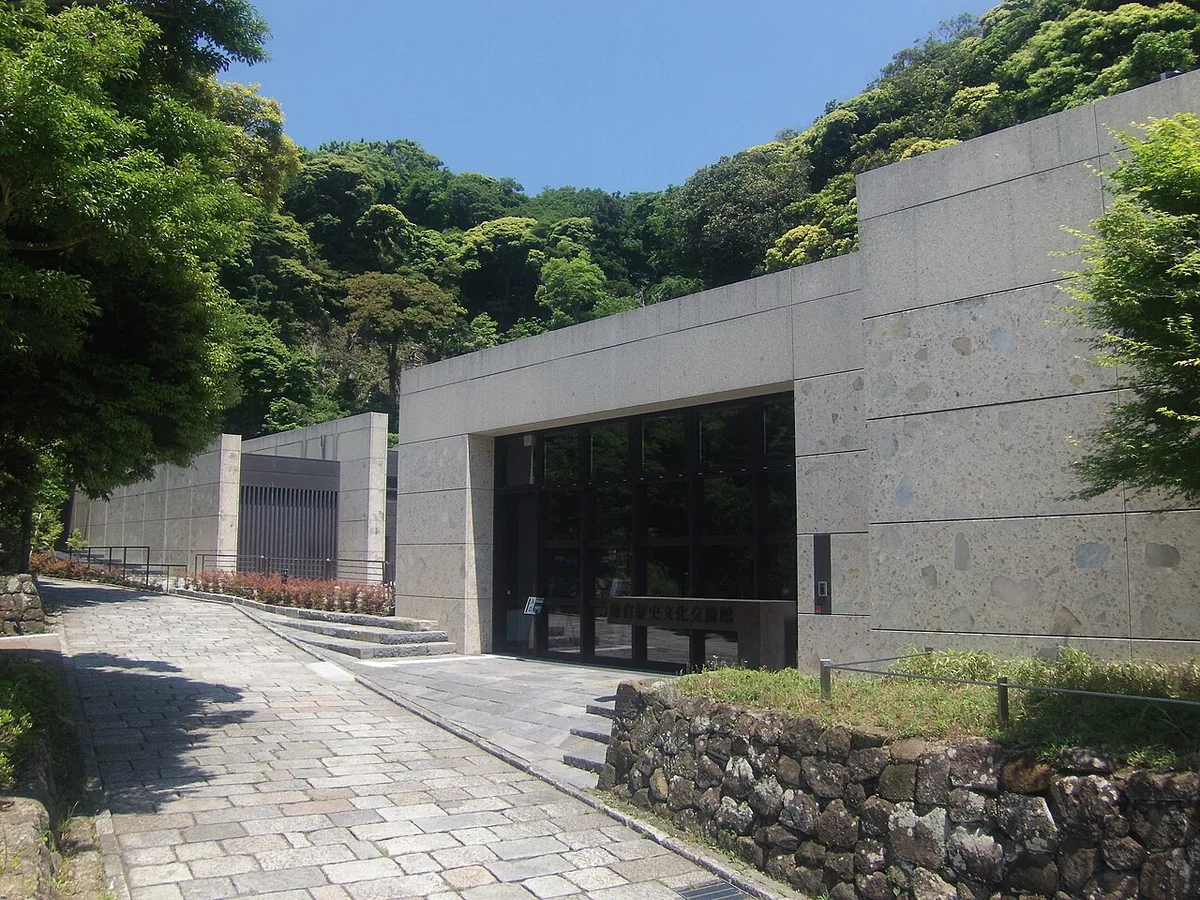
Architecture is half the reason to come. The building began as a private residence designed by the office of Norman Foster, then was converted into a public museum. Visit Kamakura points to the special building materials used throughout. Kamakura Guide describes soft natural lighting and a minimalist interior. It sits in the Muryojigaya valley, a residential pocket, so the approach feels more like visiting a neighborhood than a tourist site. The official address is 1-5-1 Ogigayatsu, Kamakura. Nearby streets hold other small landmarks, including Muryoju-in Temple and Aizuchi Inari Shrine, both tied to the Edo-period swordsmith Tsunahiro. Treat the walk in as part of the visit, and keep your voice low on the way.
Type 1-5-1 Ogigayatsu, Kamakura into a map app, since residential lanes lack the signage of the main streets.
Exhibits and the VR Experience
The permanent exhibition traces Kamakura's history from prehistoric to modern times. Excavated ceramics and tiles anchor the story. A hands-on area lets you touch real tiles and pottery, which is rare in a museum and worth a few minutes. The digital side adds variety. A diorama uses projection mapping to show the old city, and the museum's VR program reconstructs lost sites. Kamakura Guide names Yofukuji Temple and the Great Buddha Hall among them.
- Permanent gallery: Kamakura from prehistoric to modern times.
- Hands-on area: handle excavated tiles and ceramics.
- Diorama: projection-mapped video of the old city.
- VR program: lost sites such as Yofukuji Temple. Kamakura Guide lists the age limit as 13+.
VR Timing and Age Limits
Kamakura Guide gives 13+ as the VR age limit. Confirm it at the front desk, since age rules can change. Last admission is 15:30, and a 15:30 arrival leaves only 30 minutes before closing at 16:00. That is too tight for the galleries and a VR session. Arrive before noon if the headset matters to you. Programs and special exhibits also rotate, so check the museum's current notices before you plan around one item. Families with younger children should treat the VR as optional and focus on the touch area.
Medieval Garden and Hilltop Views
Behind the building, the garden is designed to recall a medieval landscape. Visit Kamakura also highlights the view of the sea from the hilltop. Kamakura Guide describes an observation deck with views over the city and Sagami Bay. Medieval yagura, the cave tombs found in the hills, sit nearby. Seasonal color adds a reason to time your trip. Kamakura Guide notes plum blossoms and daffodils in early spring, weeping cherry and hydrangeas in early summer, and autumn foliage. Morning visits are calmer. If the bay view makes you want to see the water up close, read our guide to Yuigahama Beach next. Our Zaimokuza Beach guide covers a quieter shoreline.
Hours, Sunday Closures and Admission
Plan around the closing days first. The museum is closed on Sundays and national holidays, which are exactly the days many day-trippers choose. It also closes for the year-end and New Year holidays, listed as 12/29 to 1/3 on a Kamakura arts listing. Exhibition changeover periods also close it. Opening hours are 10:00 to 16:00, with last entry at 15:30. Adult admission is ¥400 on Visit Kamakura and Kamakura Guide, and ¥150 for elementary and junior high students. Check the official city museum page before you go. One older arts listing shows ¥300 for adults, so confirm the current rate at the door.
| Item | Detail |
|---|---|
| Opening hours | 10:00–16:00, last entry 15:30 |
| Closed | Sundays, national holidays, 12/29–1/3, exhibition changeovers |
| Adults | ¥400 (¥300 for groups of 20 or more) |
| Elementary and junior high students | ¥150 (¥100 for groups of 20 or more) |
| Free entry | Kamakura City residents and students, and disability certificate holders with one companion; bring ID |
| Typical visit | 30 to 60 minutes |
| Parking | None for the public |
Getting There on Foot from Kamakura Station
Walk from Kamakura Station on the JR Yokosuka Line or Enoden. Official and tourism listings give about 7 minutes. Visit Kamakura asks visitors not to come by car because there is no public parking lot. Visitors with disabilities can use a reserved space if they contact the museum in advance. Kamakura Guide describes the route as free of hills, though the garden and hilltop deck involve some uphill movement. If mobility is a concern, ask at reception about the best way to see the upper areas. An annex restroom is available. Use a map app for the last turns, because the residential lanes lack the signage of the main streets.
Official and tourism listings give about 7 minutes, so a 15:30 arrival still has room for the walk but too little time for galleries and VR.
Pairing the Museum with Nearby Stops
Build a west-side half day around it. Kamakura Guide lists Jufukuji Temple, Eishoji Temple, Komachi Street, Onari Street and Sasuke Inari Shrine as nearby highlights. Visit Kamakura lists Zeniarai Benzaiten Ugafuku Shrine among nearby options, and links it to Minamoto no Yoritomo. Check walking times on a map before committing to a route. For wider context, our guide to Zen culture and samurai history shows how the museum's story connects to temples. Our Kamakura culture overview suggests other cultural stops. Beach days are a separate plan, so see Shichirigahama Beach if you want the coast.
- Morning: museum at opening, 10:00.
- Midday: temple or shrine stop from the nearby list.
- Afternoon: Komachi Street or Onari Street for lunch and shopping.
Museum or National Treasure House?
Visit Kamakura also lists other museums in the station area, including the Kamakura Bori Museum and the Kaburaki Kiyokata Memorial Museum. Our sources do not compare the Kamakura National Treasure House in detail, so check its hours and exhibits separately. The practical trade-off is simple. Choose this museum if you want local excavation finds, digital reconstructions and a Foster-designed building in 30 to 60 minutes. Choose a different venue if your priority is something these sources do not cover. For a short stay, this museum is the easier starting point for orientation. A broader Japan Travel Guide: Plan Your Trip with Expert Tips & Itineraries helps place Kamakura within a longer itinerary.
Etiquette and Mistakes to Avoid
Most problems come from timing and manners. Visit Kamakura asks travelers to follow its tourism etiquette, and Kamakura Guide asks visitors to keep noise low in the residential area. Photography rules inside the galleries are not stated in our sources, so ask staff before you shoot. Avoid these mistakes:
- Arriving on a Sunday or national holiday, when the museum is closed.
- Driving, since there is no public parking.
- Arriving at 15:30 and expecting time for VR.
- Assuming the ¥300 and ¥400 prices are interchangeable; confirm the adult rate.
- Skipping a check for exhibition changeover closures.
Frequently Asked Questions
Is the Kamakura Museum of History and Culture open on weekends?
It is open on Saturdays but closed on Sundays. It also closes on national holidays. Confirm whether substitute holidays count by checking the official city page before you travel.
How long does it take to tour the museum?
Plan about 45 minutes. Kamakura Guide estimates 30 minutes for a quick visit and 60 for a thorough one. Add time if you want the garden and the VR program.
How much does admission cost?
Adults pay ¥400 on Visit Kamakura and Kamakura Guide. Elementary and junior high students pay ¥150. Groups of 20 or more pay ¥300 and ¥100. Residents of Kamakura City and local students enter free.
Can you drive to the museum?
No public parking exists, and Visit Kamakura asks visitors not to come by car. A space for visitors with disabilities is available if you contact the museum in advance. Everyone else should walk from Kamakura Station.
Is the museum accessible for limited mobility?
The walk from the station is about 7 minutes and described as free of steep hills. The garden and hilltop deck involve more uphill movement. Contact the museum before you visit to ask about access.
Free: The Kamakura Essentials guide
Top things to do, where to stay, a perfect day plan, getting around, and the best time to go — a Kamakura mini-guide you can take offline.
You might also like
Continue reading
More guides you'll find useful