
Cheap and Vegetarian Food in Kusatsu Onsen: A 2026 Budget Dining Guide
Find cheap and vegetarian food in Kusatsu Onsen: maitake tempura, konnyaku skewers, budget soba shops, and convenience-store picks with 2026 local prices.
On this page
Last updated August 2026, this guide breaks down cheap and vegetarian food in Kusatsu Onsen, the hot spring town in Gunma Prefecture, not the similarly named city in Shiga. Dedicated vegetarian restaurants are rare here, so the practical route runs through mushroom tempura, konnyaku skewers, and convenience-store staples instead of a hunt for meat-free menus. Expect to spend roughly ¥400 to ¥1,800 per meal, from a quick street snack to a sit-down soba lunch.
Quick Guide: Cheap and Vegetarian Food in Kusatsu Onsen
Eating meat-free in Kusatsu Onsen is manageable once you know where to look. Kombu-based broths, mushroom tempura, and konnyaku dishes appear on menus near the Yubatake, the steaming hot-water field at the center of town. Lunch at a sit-down soba shop runs about ¥1,200 to ¥1,800. Snacks and street food cost ¥200 to ¥1,000 depending on the stall. One clarification matters before planning a route: this guide covers Kusatsu Onsen in Gunma Prefecture, the hot spring town built around the Yubatake. Some search results point instead to Kusatsu City in Shiga Prefecture, hundreds of miles away, so confirm any restaurant name against Gunma before relying on it. Prices and hours below apply to the Gunma town only. For the full rundown of local specialties beyond the vegetarian angle, see the Kusatsu Onsen food guide.
- Sit-down soba lunch: ¥1,200–¥1,800
- Street snacks (konnyaku skewers, manju): ¥200–¥1,000
- Convenience store meal: ¥400–¥800
- Casual cafe plate: ¥1,000–¥2,000
Local Vegetarian Specialties Worth Seeking Out
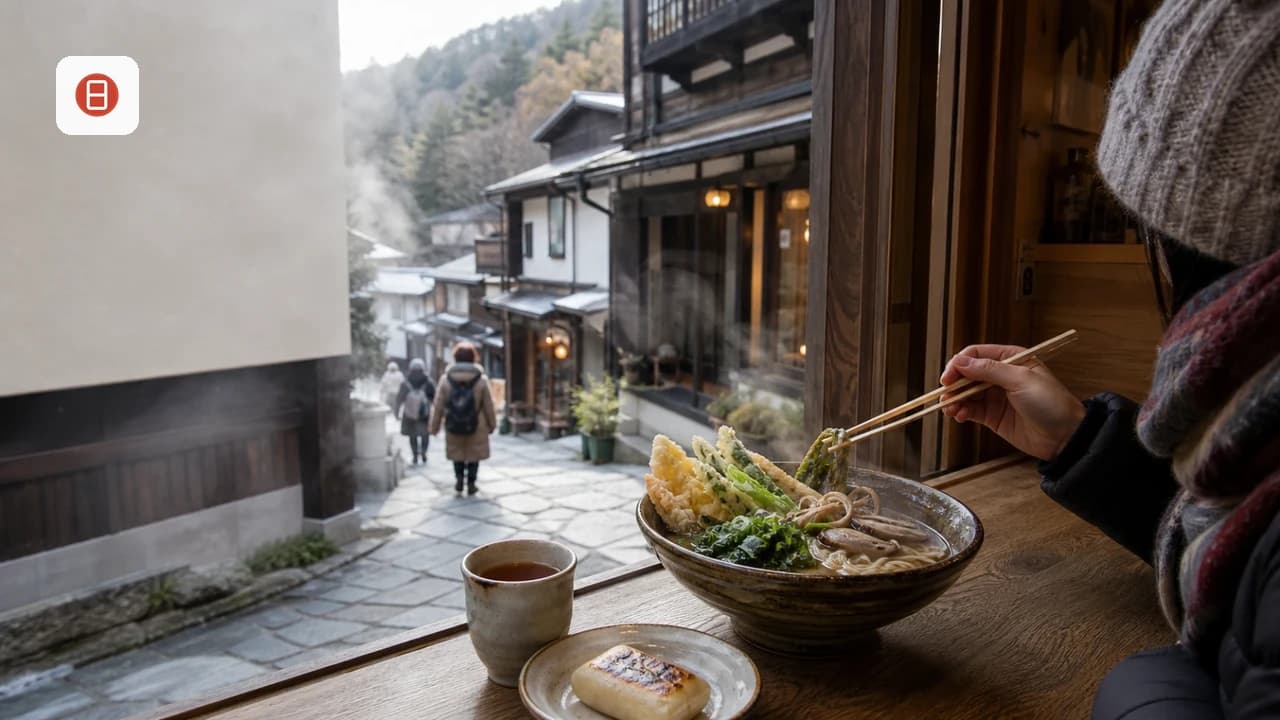
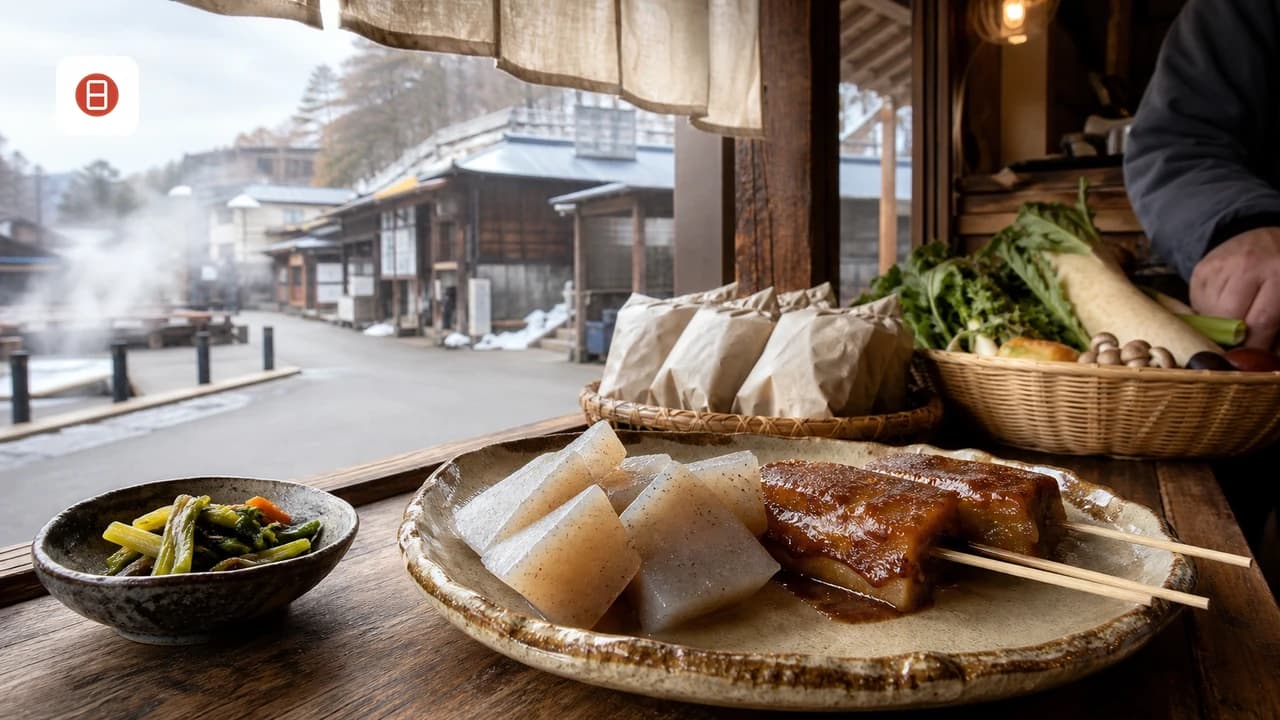
Four local specialties do most of the work for meat-free eating in Kusatsu Onsen. Maitake mushroom tempura tops the list, deep-fried fresh at soba shops near the Yubatake and served salted or dipped in soba sauce. The maitake soba and udon guide covers exactly where to order it. Gunma Prefecture produces most of Japan's konnyaku, and skewered konnyaku brushed with miso, called dengaku, shows up at street stalls near the Yubatake for a low, filling price. Regional pairings and more shops are covered in the Gunma konnyaku food guide. Onsen manju are steamed buns filled with sweet bean paste, sold at shops including Kusatsu Confectionary Seigetsudō, which has made local sweets since 1923. Ask the counter staff whether a batch uses egg or lard in the dough, since recipes vary shop to shop. The onsen manju and sweets guide lists more shops along Sainokawara-dōri Street. Onsen tamago, eggs soft-boiled in spring water, round out the list as a widely available vegetarian protein and a cheap way to add substance to a snack-only meal.
Maitake tempura at soba shops is available only until 5:00pm or 6:00pm when restaurants close for the day, whereas konnyaku dengaku from street stalls offers an equally authentic alternative for late arrivals.
- Maitake mushroom tempura — deep-fried at soba shops near the Yubatake
- Gunma konnyaku miso-dengaku — skewered and grilled at street stalls
- Onsen manju — steamed bean-paste buns; ask about egg or lard content
- Onsen tamago — eggs soft-boiled in spring water, sold nearly everywhere in town
Budget-Friendly Restaurants and Where to Find Vegetarian Options
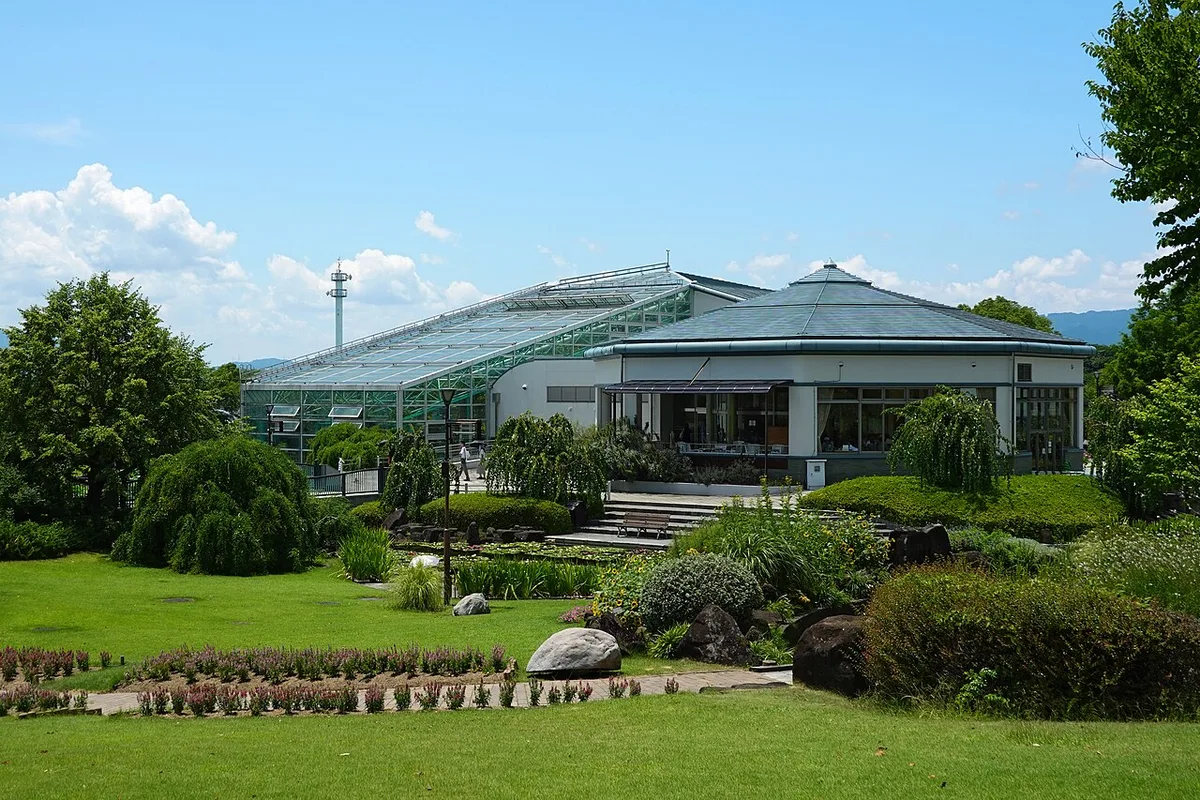
Soba and udon shops cluster near the Yubatake, and several serve maitake tempura on top of a noodle bowl. Shops such as Mikuni-ya are known for the dish. Confirm current hours before visiting, since small family-run shops sometimes adjust their schedule without notice. Sainokawara-dōri Street runs from the Yubatake to Sainokawara Park and lines the route with grab-and-go stalls selling skewers, rice crackers, and manju. Walk the street slowly and read posted ingredient boards, since not every stall labels items in English. Some restaurants in this stretch post English menus and are used to serving international travelers, which helps when confirming an item is meat-free. When restaurants close early, convenience stores fill the gap. Both 7-Eleven and Lawson branches in Kusatsu Onsen stock inari sushi, meaning fried tofu pockets over rice, and onigiri rice balls, several of which are labeled vegetarian on the packaging. These convenience-store meals cost ¥400 to ¥800 and stay available well past the hour most sit-down kitchens shut for the night.
Budget Meal Cost Comparison
A cost gap separates a sit-down meal from a street-food dinner in Kusatsu Onsen, and it is the main lever for keeping a food budget low. A bowl of maitake tempura soba runs about ¥1,200, while rotating through two or three street snacks totals closer to ¥800. Casual cafes serving seasonal vegetable plates sit at the higher end of the range but come with table service and a place to sit down. Neither the street-food route nor the soba shops require a reservation, which matters when plans depend on onsen bathing hours.
| Meal Type | Estimated Cost | Best For | Top Pick |
|---|---|---|---|
| Street Food Crawl | ¥500–¥1,000 | Quick lunch or snack | Miso-dengaku konnyaku skewers |
| Traditional Soba | ¥1,200–¥1,800 | Authentic sit-down lunch | Maitake tempura soba |
| Convenience Store | ¥400–¥800 | Late-night dinner | Inari sushi and onigiri |
| Casual Cafe | ¥1,000–¥2,000 | Relaxed sit-down meal | Seasonal vegetable plates |
Timing and Ordering: Avoid the Early Closure Trap
Most budget eateries in Kusatsu Onsen close by 5:00pm or 6:00pm, right when ryokan dinner service begins for overnight guests. Travelers without a full-board ryokan plan need to eat before that window or fall back on convenience stores and street stalls. Some restaurants post English menus and welcome walk-in travelers without a reservation; look for signage or ask before sitting down. The trickiest part of ordering vegetarian in Japan is dashi, the stock most soba and udon broths are built on. Standard dashi is made from katsuobushi, or dried bonito flakes, so a bowl labeled vegetable soba can still carry fish stock underneath. Ask for kombu dashi, made from kelp alone, or request the broth be left off entirely. Useful phrases include niku nashi de, meaning without meat, and dashi wa kombu dashi de onegaishimasu, meaning kombu dashi please. Staff at smaller shops are used to dietary questions from travelers, even without a fully shared language. Between the early dinner closures and the next onsen soak, fill the gap with a stop from the Kusatsu Onsen Travel Guide list, such as watching a Yumomi performance near the Yubatake.
Staying at a Ryokan as a Budget Vegetarian
Ryokan dinners in Kusatsu Onsen typically follow a fish-and-meat-heavy kaiseki format, and swapping every course for a vegetarian version is not always possible. Booking su-domari, meaning room-only with no meals included, hands back control over the evening and frees it up for street food or a soba shop before the early dinner cutoff. Some ryokans accept vegetarian kaiseki requests if asked in advance, usually at a different rate than the standard plan. The ryokan kaiseki guide breaks down that cost trade-off in more detail. Kusatsu Onsen Gensen Ichinoyu, a smaller and more flexible ryokan, offers private hot spring baths to day guests as well as overnight visitors. That flexibility suits travelers who would rather eat in town than commit to a set ryokan dinner. For a broader list of vegetarian-friendly spots around Kusatsu Onsen, see the Vegetarian's Japan guide to Kusatsu Onsen.
Getting to Kusatsu Onsen
Kusatsu Onsen sits roughly three hours from central Tokyo by train and bus. The Kusatsu Express train runs from Ueno Station to Naganohara-Kusatsuguchi Station, where a connecting bus covers the final stretch into town. Travelers using the Hokuriku Shinkansen bullet train can ride from Tokyo Station to Karuizawa Station and transfer to the same bus network. A direct highway bus, the Joshu Meguri-go, runs from Shinjuku to the Kusatsu Onsen bus terminal without a transfer. Day-trip visitors and overnight guests both arrive at the same terminal, an easy walk from the Yubatake and the surrounding food stalls. Plan an arrival that lands before the 5:00pm to 6:00pm dinner cutoff if the first night's meal depends on a sit-down restaurant rather than a ryokan plan.
Frequently Asked Questions
Is it easy to eat vegetarian in Kusatsu Onsen?
Eating vegetarian in Kusatsu Onsen is manageable if travelers focus on maitake tempura, konnyaku, and convenience-store staples rather than looking for dedicated vegetarian restaurants, which are scarce in this hot spring town.
Does Kusatsu Onsen soba use fish-based broth?
Most soba and udon broth in Kusatsu Onsen is built on katsuobushi, or bonito, dashi by default. Ask staff for kombu dashi, made from kelp, or request the broth left off entirely.
What is the cheapest vegetarian meal option in Kusatsu Onsen?
Convenience-store inari sushi and onigiri cost roughly ¥400 to ¥800 and stay available after most sit-down kitchens close for the evening.
Why do some online guides list the wrong restaurants for Kusatsu Onsen?
Search results sometimes confuse Kusatsu Onsen in Gunma Prefecture with Kusatsu City in Shiga Prefecture, hundreds of miles away, so restaurant names should always be checked against the Gunma location.
What time should dinner plans be made without a ryokan meal plan?
Plan dinner before 5:00pm or 6:00pm, since most budget restaurants in Kusatsu Onsen close once ryokan dinner service begins for the night.
Are English menus available in Kusatsu Onsen?
Some restaurants around the Yubatake and Sainokawara-dōri Street post English menus and are used to serving international travelers. Smaller family-run soba shops may only have menus in Japanese.
Free guide: Japan's Hidden Gems
12 under-the-radar places beyond Tokyo & Kyoto — with the best season to visit each and a local tip you won't find in the guidebooks.
You might also like


Continue reading
More guides you'll find useful


