

Enoden Line Kamakura Guide: Stops, Fares & Tips
A practical Enoden Line Kamakura guide: best stops, fares from ¥200, day pass vs single tickets, luggage rules and how to avoid the crowds.
On this page
Last updated November 2026: the Enoden Line Kamakura section is a small coastal railway between Kamakura and Fujisawa, and its best stretch for visitors is Kamakura, Hase and Enoshima. Fares from Kamakura run from ¥200 to ¥310 one way. Below you will find which stops to use, which to skip, and how to decide between a day pass and single tickets.
Enoden Line Kamakura at a Glance
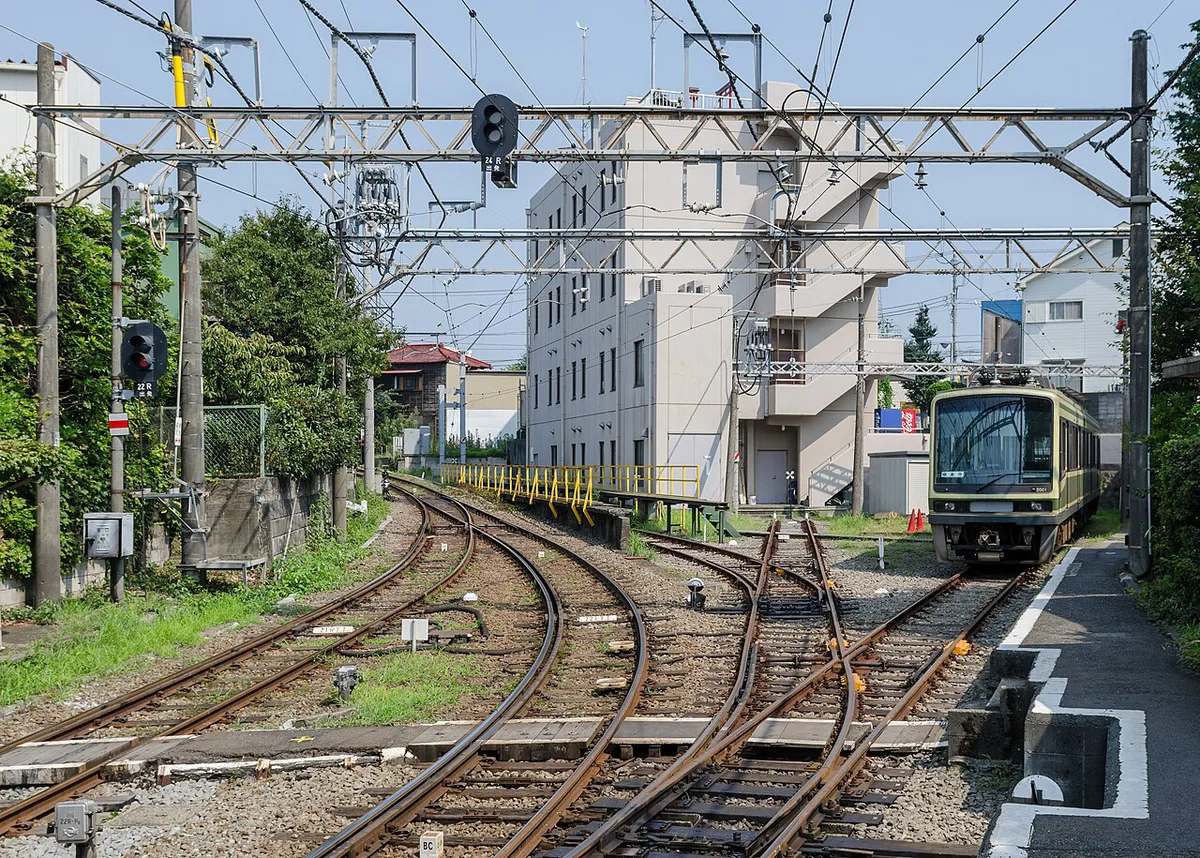
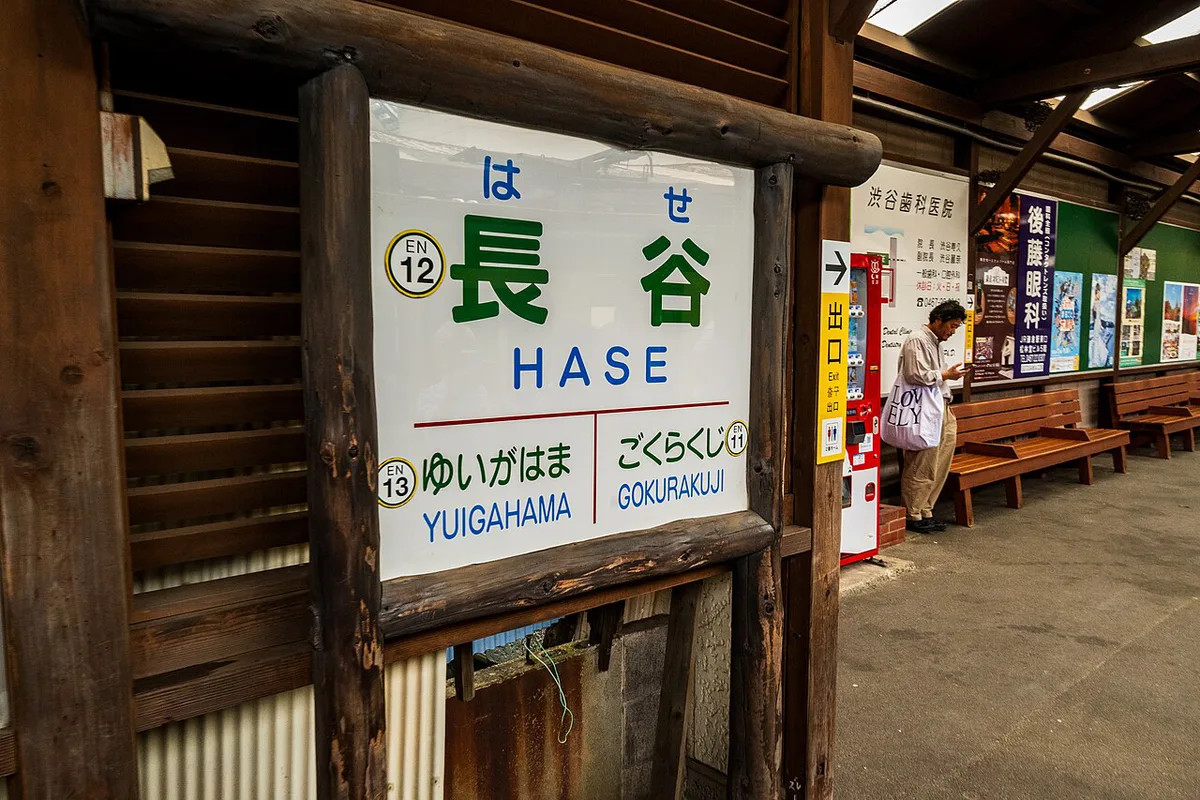
Kamakura Station (station no. EN15) is the western end of the line. Fujisawa sits at the other end. Operator figures in this guide were checked against Enoshima Electric Railway pages on 9 November 2026. Recheck them on the live site before you travel. Most visitors only need the Kamakura, Hase and Enoshima stops. Hase is 5 minutes on foot from Hasedera, and Enoshima Station is 10 minutes from the aquarium. For temple detail, use our guide to Kamakura's main temples and sights. Fares for the whole route stay between ¥200 and ¥310 from Kamakura, so a short ride is cheap.
Best Stops for Visitors
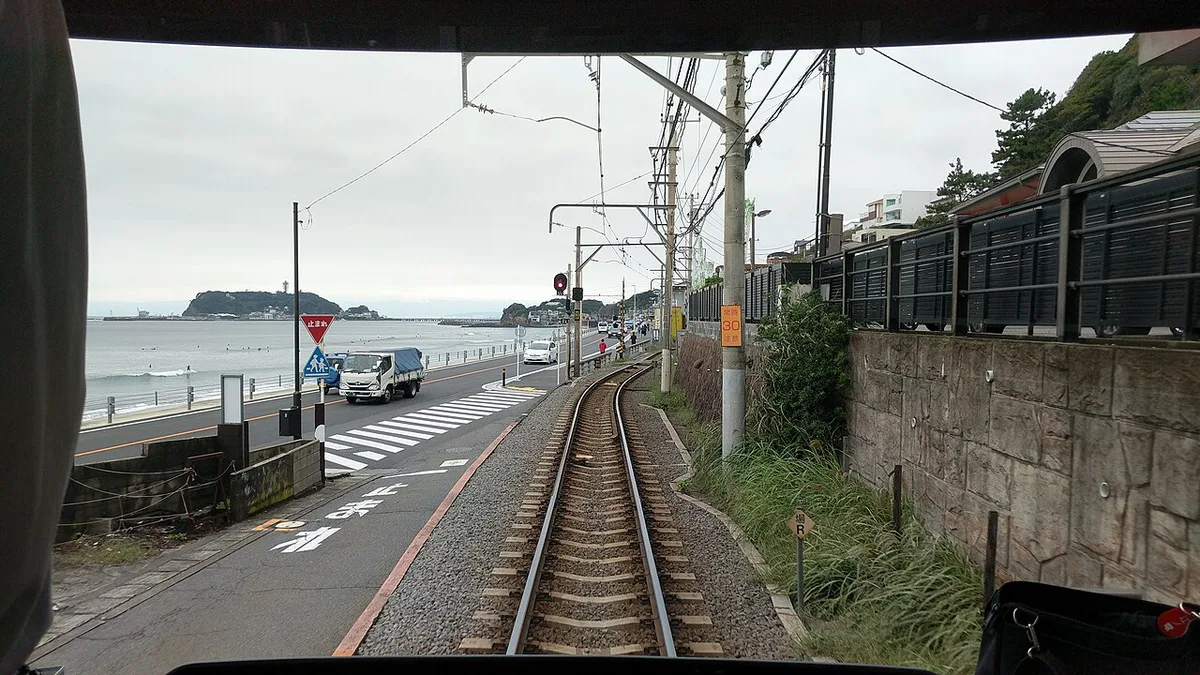
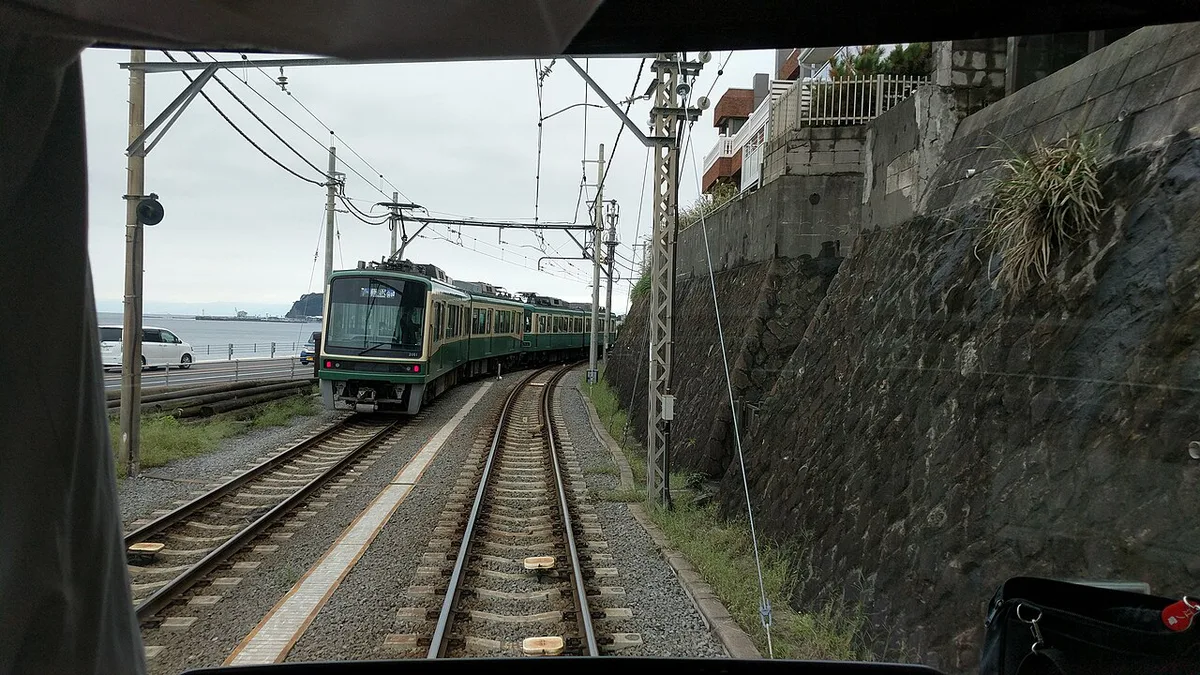
Kamakura is the starting point. Tsurugaoka Hachimangu is a 10-minute walk away, and Zeniarai Benzaiten is 20 minutes. Hase is the strongest first stop on the line. Hasedera is 5 minutes away and Daibutsu (Kotoku-in) is 7 minutes. Enoshima suits a coast day, with the aquarium 10 minutes away and the Sea Candle 25 minutes. Yuigahama, Inamuragasaki and Shichirigahama are the beach stops. Surfers should read our guide to surf spots along this coast first. Ishigami, Yanagikoji and Kugenuma are best skipped unless you are bound for Fujisawa.
| Station | Best for | Walk times (operator FAQ) | Skip if |
|---|---|---|---|
| Kamakura | Tsurugaoka Hachimangu, Zeniarai Benzaiten, lockers | Hachimangu 10 min; Zeniarai Benzaiten 20 min | You only want the coast |
| Yuigahama | Beach access | Not given by operator | You want temples |
| Hase | Hasedera and Daibutsu (Kotoku-in), lockers | Hasedera 5 min; Daibutsu 7 min | You have seen both |
| Gokurakuji | Quiet stop between Hase and Inamuragasaki; staffed 9:00–18:00 only | Not given by operator | You need help outside those hours |
| Inamuragasaki | Coastal stretch | Not given by operator | You prefer a station with facilities |
| Shichirigahama | Beach and surf plans; staffed 9:00–18:00 only | Not given by operator | You are short on time |
| Koshigoe | Wheelchair lift (9:00–18:00) | Not given by operator | You do not need the lift |
| Enoshima | Aquarium, Sea Candle, lockers | Aquarium 10 min; Sea Candle 25 min | You are riding only to Hase |
Fares, Day Pass and IC Cards
Adult fares from Kamakura are ¥200 to Wadazuka, Yuigahama and Hase. Gokurakuji and Inamuragasaki cost ¥220. Shichirigahama, Koshigoe, Kamakurakokomae and Enoshima cost ¥260. Fujisawa costs ¥310. Child fares are half or close to it, from ¥100 to ¥160. Adults are 12 and up, and children are 6 to 12 and enrolled in elementary school. Up to 2 young children (1 to 6) ride free with an adult or child. Noriorikun is a 1-day pass for unlimited rides on the whole line. Its price is not in our sources, so check the operator's official discount ticket details before you buy. A return to Hase costs ¥400. A return to Enoshima costs ¥520. A return to Fujisawa costs ¥620. Buy the pass only if your day's fares would exceed its price. The JAPAN RAIL PASS is not valid here. Paper tickets come from vending machines. PASMO, Suica, ICOCA and other IC cards work, and you charge them at a ticket or charge machine. Unused ordinary tickets refund for ¥200, and a Noriorikun refunds for ¥220 before use.
Unused ordinary tickets refund for ¥200, so a Hase ticket bought for a half-day plan you later drop is not a total loss.
| From Kamakura to | Adult (¥) | Child (¥) |
|---|---|---|
| Wadazuka, Yuigahama, Hase | 200 | 100 |
| Gokurakuji, Inamuragasaki | 220 | 110 |
| Shichirigahama, Koshigoe, Kamakurakokomae, Enoshima | 260 | 130 |
| Fujisawa (and Ishigami, Yanagikoji, Kugenuma, Shonan-Kaigan-Koen) | 310 | 160 |
How to Plan Your Ride
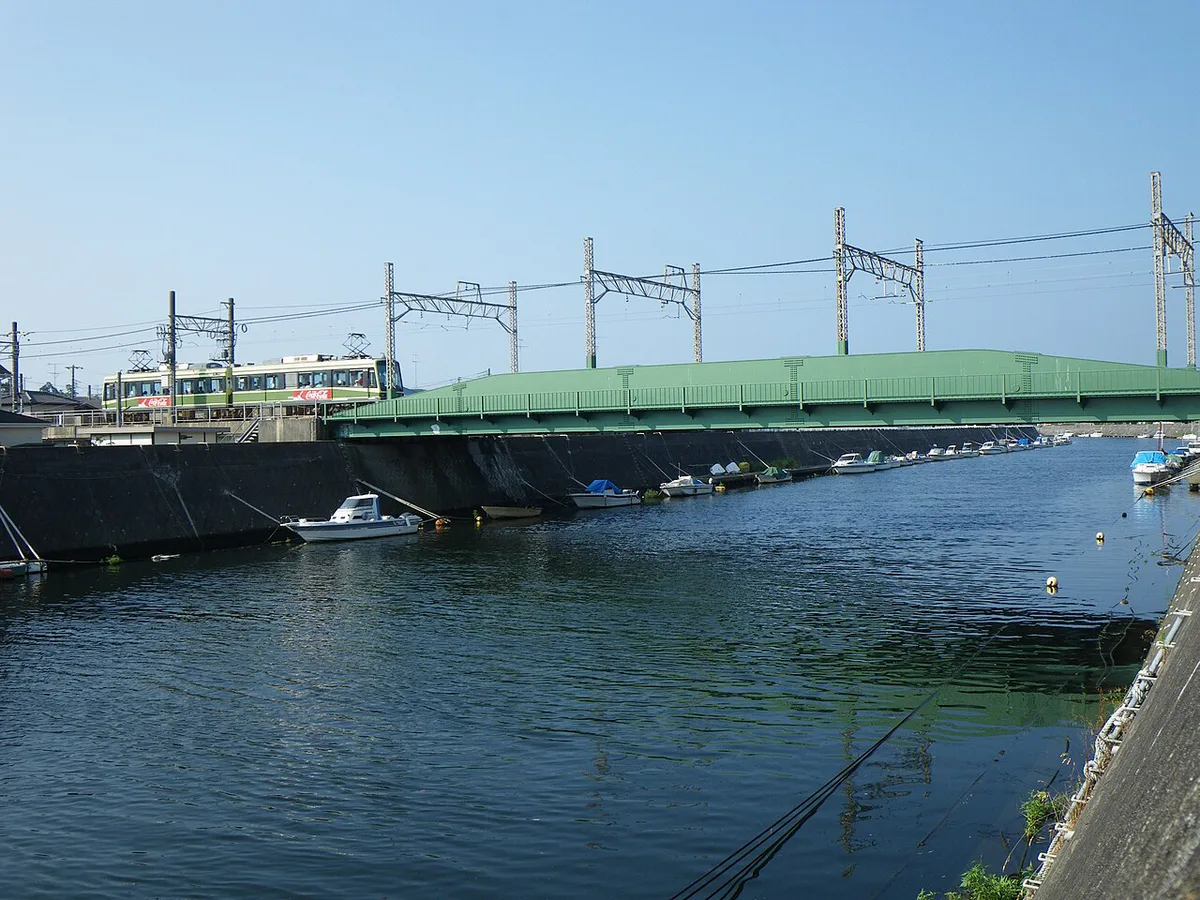
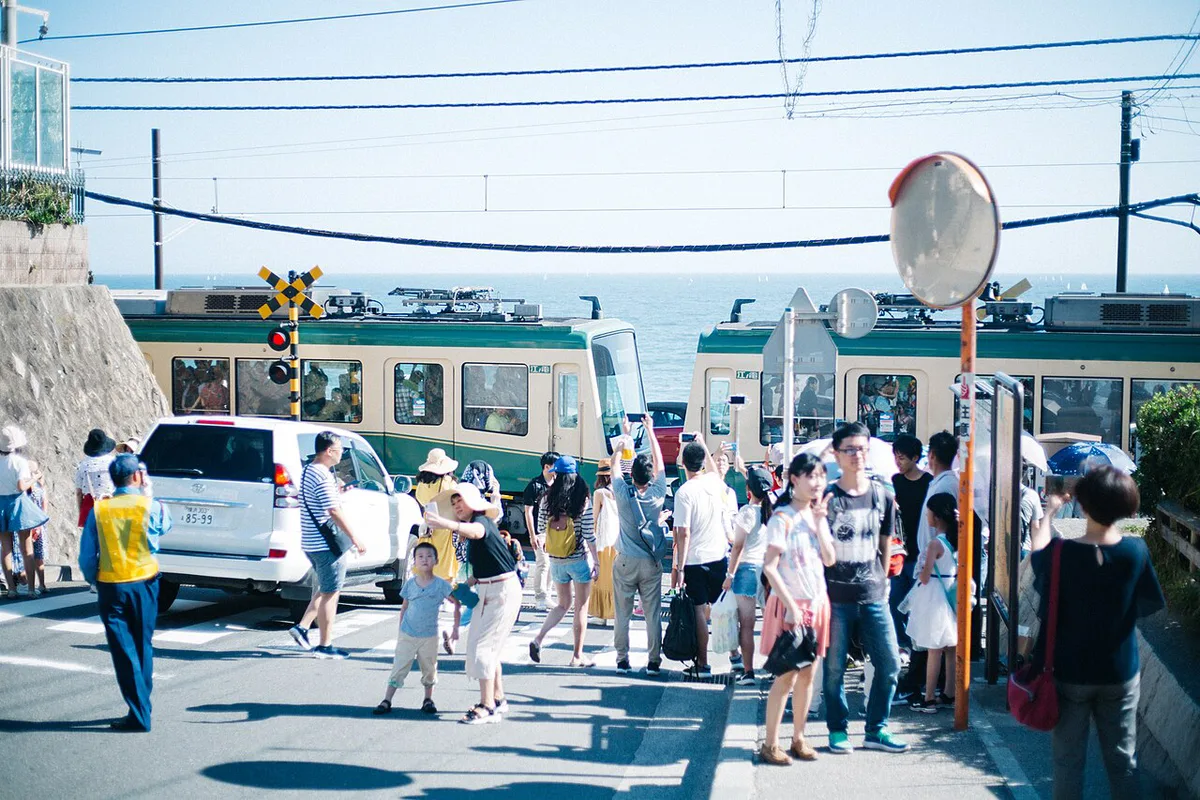
Pick one pattern per day instead of riding every stop. Duration depends on how long you linger, so treat any timing as approximate. Weekend and peak-season trains can be crowded and the carriages are small. Check the official timetable for first and last trains before you commit to an evening on the coast. If you like cafe stops, browse our picks for cafes around Kamakura and place one at each end of your route.
- Half day, Kamakura to Hase: ¥400 return. Visit Hasedera (5 min walk) and Daibutsu (7 min walk).
- Coast day, Kamakura to Enoshima: ¥520 return. Add the aquarium (10 min walk) and the Sea Candle (25 min walk).
- One-day end to end, Kamakura to Fujisawa: ¥310 one way. Break the ride at Hase and Enoshima.
Station Facilities, Luggage and Accessibility
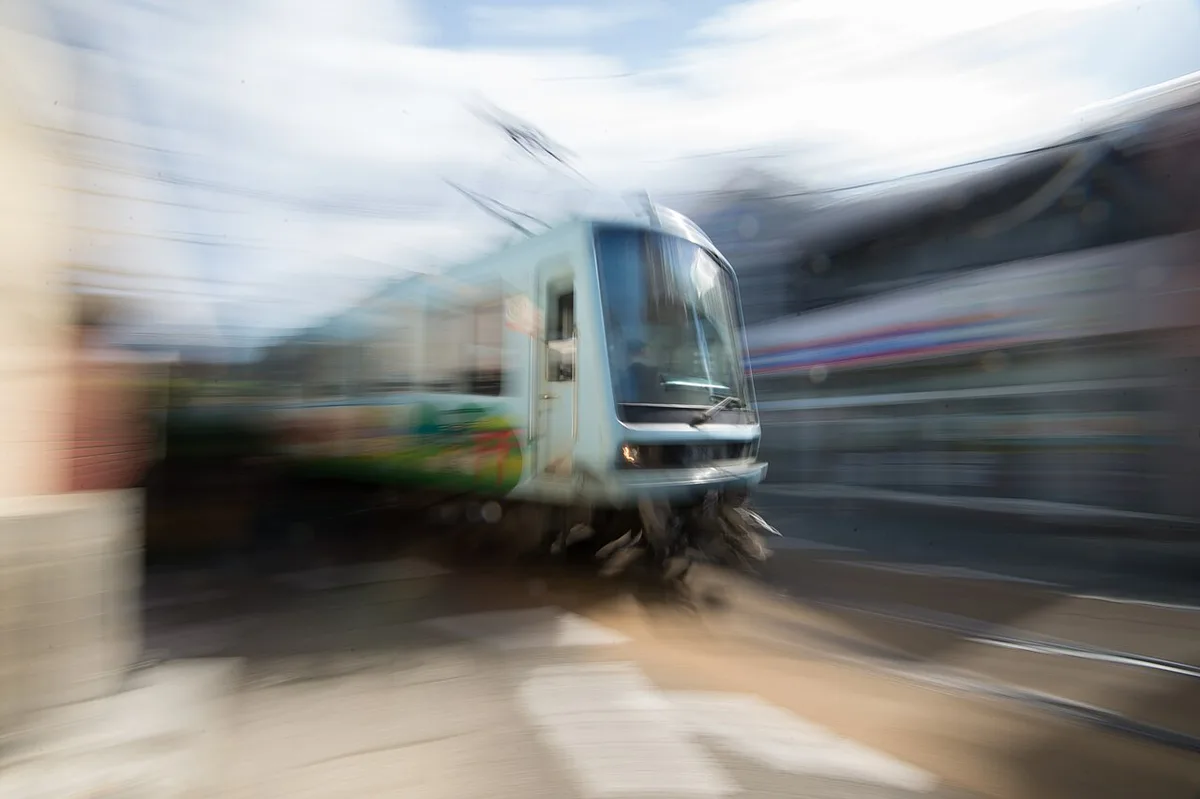
Coin lockers exist at only 4 stations: Fujisawa, Enoshima, Hase and Kamakura. Drop bags at Kamakura before you ride. If you are still choosing where to sleep, see our notes on the best area to stay. Our list of hotels in Kamakura covers bag drop options. Each passenger may take up to 2 pieces with dimensions adding up to 2.5 m or less and weighing under 30 kg. Large luggage may be refused when crowded. Bikes must be folded or bagged, and may also be refused. Six stations are unmanned: Ishigami, Yanagikoji, Shonan-Kaigan-Koen, Kamakurakokomae, Yuigahama and Wadazuka. IC users tap a simple gate panel there. Paper ticket holders hand tickets to a conductor or use the collection box. Koshigoe, Shichirigahama and Gokurakuji are staffed only 9:00–18:00. Koshigoe has a wheelchair lift, also 9:00–18:00, and it takes about 10 minutes to use. Restrooms are at 13 stations, including Kamakura, Hase, Yuigahama and Enoshima.
Enoden vs Walking, JR and Buses
Pick the mode by distance and by where the temple sits. Kamakura Station is a 10-minute walk from Tsurugaoka Hachimangu, so no train is needed there. The JR Yokosuka line serves Kita-Kamakura and Kamakura. Several temples near Kamakura Station are reached only by Keikyu Bus. Check current bus and JR fares and times on the operators' own sites, since our sources do not list them. For wider trip planning, see our Japan travel planning guide.
| Option | Best for | Trade-off |
|---|---|---|
| Enoden | Hase and Enoshima, coast stops | Small carriages; crowds on busy days |
| Walking | Kamakura Station to Tsurugaoka Hachimangu (10 min) | Slow for longer hops |
| JR Yokosuka line | Kita-Kamakura and Kamakura | Does not run along the Enoden coast |
| Keikyu Bus | Temples without a rail stop | Check the current timetable |
Mistakes to Avoid
Most problems come from luggage, staffing and timing. Read the notes below before you go. Check the Kamakura tourist information site for sightseeing hours.
- Carrying large bags at peak hours: staff may refuse more than 2 pieces or anything over 2.5 m combined.
- Assuming every stop is staffed: six are unmanned and three have staff only 9:00–18:00.
- Expecting the JAPAN RAIL PASS to work: it is not valid on this line.
- Ignoring last-train times: check the official timetable.
- Overpacking a day: pick one route pattern and stick to it.
Lost Property, Smoking and Etiquette
Ask a station attendant directly if you leave something on a train or platform. Smoking is prohibited at all stations and on trains at all times. Do not talk on your phone aboard, and set it to silent. Near priority seats, power it off when the train is crowded. Guide dogs, service dogs and hearing dogs are allowed. Ask a station attendant for details.
Free: The Kamakura Essentials guide
Top things to do, where to stay, a perfect day plan, getting around, and the best time to go — a Kamakura mini-guide you can take offline.
You might also like


Continue reading
More guides you'll find useful


