

Ise Tekone Zushi Guide: Mie's Marinated Bonito Sushi
Discover Ise tekone zushi, Mie's soy-marinated bonito sushi. See where to eat it near Oharaimachi, its origin story, 2026 prices, and how it differs from nigiri.
On this page
Last updated August 2026, this guide explains Ise tekone zushi, the soy-marinated bonito dish from the Shima Peninsula coast. Fishermen once mixed fresh catch and vinegared rice by hand between hauls, and the name still means hand-kneaded. This guide covers where to order it near Ise Jingu, current 2026 prices, and how it differs from nigiri.
What Is Ise Tekone Zushi?
Ise tekone zushi is a bowl of vinegared sushi rice topped with soy-marinated raw fish, usually bonito or tuna. It belongs to the chirashi-zushi family, where ingredients sit over rice rather than get shaped into individual pieces. Cooks slice the fish sashimi-style, then marinate it in a soy-based sauce before it reaches the rice. Modern restaurant versions often lay the marinated slices on top for presentation instead of mixing everything by hand. That soy marinade brings a salty-sweet edge, and the vinegared rice underneath keeps each bite sharp rather than heavy. Across the Ise-Shima coast, this is everyday food rather than a special-occasion dish. For the wider culinary picture, this bowl sits alongside other local specialties in the What to Eat in Ise (2026): Akafuku, Ise Udon & Local Specialties.
| Detail | What to Know |
|---|---|
| Typical price | ¥1,200-¥2,200 per bowl in 2026 |
| Best meal | Lunch; some shops close mid-afternoon |
| Main fish | Katsuo (bonito) or maguro (tuna) |
| Season | Year-round; bonito peaks in spring and autumn |
| Where to try it | Near Ise Jingu Naiku, especially Oharaimachi and Okage Yokocho |
- Glossy, dark-red bonito or tuna slices
- Vinegared sushi rice served donburi-style in a bowl
- Shiso leaf and ginger strips as garnish
- Shredded nori scattered across the top
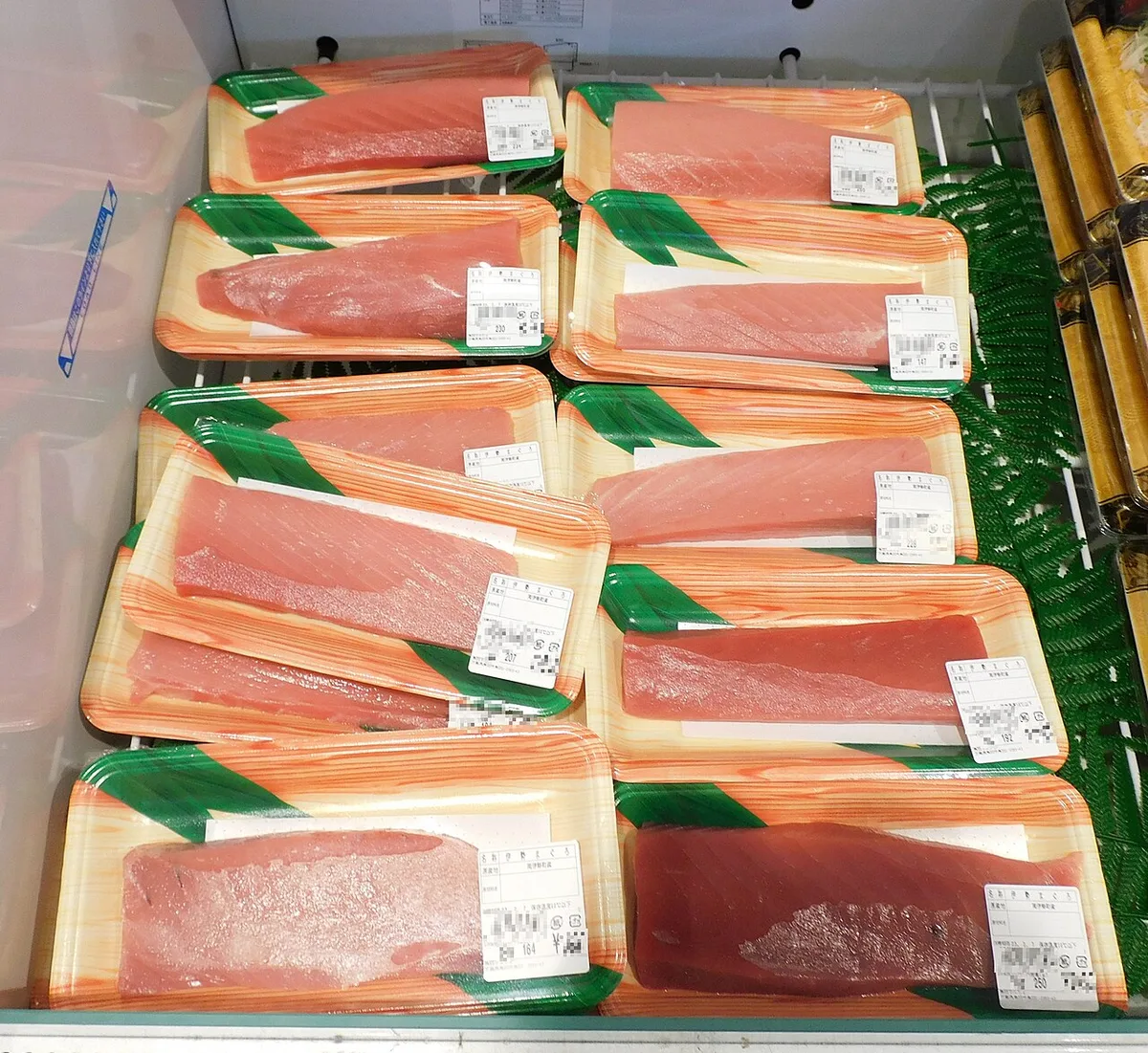
From Fishing Boat to Shima's 100-Year Food
Tekone zushi traces back to Wagu, a fishing district of Shima-cho, part of today's Shima City on the Shima Peninsula. Bonito fishermen there used pole-and-line fishing. During breaks in long fishing days, they sliced fresh catch into sashimi and marinated it in soy sauce. Then they mixed it into pre-cooked vinegared rice by hand. Vinegar in the rice and soy in the marinade both worked as informal preservatives. This combination kept the meal edible through a full day of fishing, long before refrigeration was standard gear on small boats. Eating it this way, standing on a moving boat, gave the dish its name: te de koneru, hand-kneaded. During the Meiji era, the dish moved into fishermen's homes, where it was served at festivals and to visiting guests. By the Showa era, it had become a representative dish of the region, served to tourists visiting Ise-Shima. That practical, no-frills origin is part of why the dish still reads as rustic today, even inside a restaurant. In March 2026, the Agency for Cultural Affairs certified tekone sushi as a 100-Year Food. This certification category covers traditional local dishes dating back to the Edo period. Tekone sushi also won one of three Special Expert Awards in that certification round. Japan's Ministry of Agriculture, Forestry and Fisheries separately lists tekone-zushi in its regional-cuisine catalogue for Mie Prefecture.
Ise or Shima? Where the Dish Actually Comes From
Tekone zushi is easy to order in Ise, especially around Ise Jingu, but its origin sits further south. Roots trace to Wagu, a fishing district of Shima-cho, and to the fishing ports around Kashikojima on the Shima Peninsula. Ise adopted the dish because it sits on the same pilgrimage and tourism route as the Shima coast. Ise Jingu also draws the visitors who want to try it after a shrine visit. When a menu describes tekone zushi as an Ise specialty, that's about where it's easiest to find today. It isn't a claim about where the dish was invented. Both framings are accurate: Shima is the dish's origin, and Ise is where most travelers actually order it, usually right after visiting Naiku.
Ise Tekone Zushi vs Nigiri: How the Two Compare
Tekone zushi and nigiri zushi both start with vinegared rice, but the similarities mostly end there. Nigiri is Edo-mae craft. A trained chef presses rice into shape and tops each piece with a slice of fish, often brushed with soy sauce or wasabi. Tekone zushi skips that individual plating. It comes as a shared bowl of marinated fish over rice, built for a fishing boat or a family table rather than a sushi counter. Price reflects that difference in setting too: a casual tekone zushi lunch runs well under what an omakase nigiri counter typically charges.
| Feature | Tekone Zushi | Nigiri Zushi |
|---|---|---|
| Format | Shared bowl, scattered or mixed | Individual hand-pressed pieces |
| Fish prep | Soy-marinated (zuke) sashimi slices | Often unmarinated, brushed with soy or wasabi |
| Rice role | Mixed with or topped by fish | Pressed and shaped by the chef |
| Setting | Shokudo or chaya, casual eatery | Sushi counter |
| Origin | Fishing-boat meal, Shima Peninsula | Edo-period craft tradition |
Ingredients and Flavor: Bonito, Zuke Marinade, and Vinegared Rice
Two fish carry the tradition: katsuo, skipjack bonito, and maguro, tuna, both sliced sashimi-style before marinating. Zuke is the name for that marinade, a mix of soy sauce and mirin, sometimes with a little ginger. One published regional recipe marinates sliced bonito for 5 to 30 minutes, adjusting the time to the fish's freshness. Underneath sits vinegared sushi rice, cooked with a piece of kombu and seasoned with vinegar, sugar, and salt. A standard home version uses about 1.5 cups of rice for four servings, with the kombu removed just before the rice finishes cooking. Shiso, ginger, and shredded nori finish the bowl. Because the fish arrives pre-sliced and pre-marinated, the whole bowl is ready to eat immediately, without the wait between courses you sometimes get at a sushi counter.
The traditional marinating time of 5 to 30 minutes reflects the dish's origins: fishermen prepared and ate it during working breaks between hauls, so quick preparation was essential.
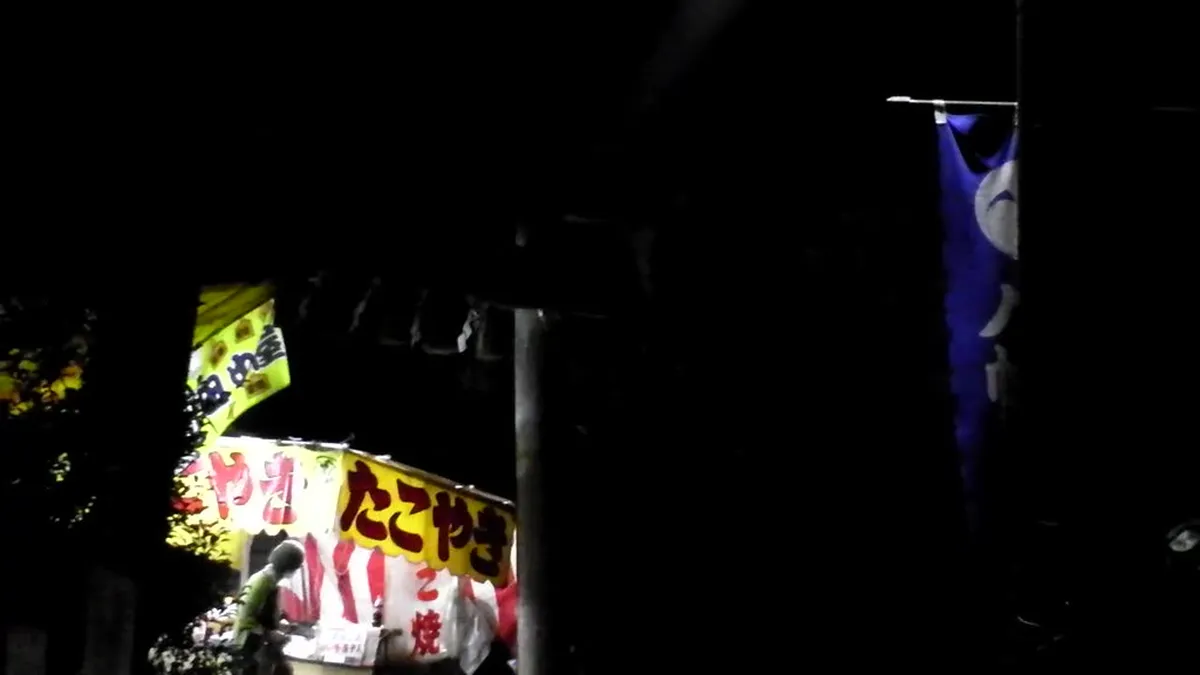
- Katsuo (skipjack bonito) - the traditional choice
- Maguro (tuna) - the other classic option
- Shiraita (white sea bream) - a modern, non-traditional variant
Where to Eat Tekone Zushi in Ise
Two routes cover most visitors' needs. Tekone Chaya Honten sits near the Isuzugawa River, close to Ise Jingu's Naiku shrine, with tatami-room seating and river views. A second option is the string of shokudo and food stalls along Oharaimachi & Okage Yokocho: Ise's Edo Food Street (2026), the approach street leading to Naiku. Tekone Chaya Honten seats 116 guests across tatami rooms and sunken-leg seating, and the restaurant is non-smoking throughout. Credit cards work there too: VISA, Mastercard, JCB, and AMEX are all accepted, along with PayPay for QR payments, though other e-money isn't. Parking covers 14 spaces on site. By transit, it's about a 20-minute walk from Kintetsu Isuzugawa Station, or a 2-minute walk from the Sanko Bus stop at Uratacho. By car, it's roughly 10 minutes from the Ise-Nishi interchange on the Ise Expressway. Phone reservations are available at 0596-24-0611, while the stalls along Okage Yokocho take walk-ins only. Pick Tekone Chaya Honten for a sit-down meal with river views before or after Naiku. Pick an Okage Yokocho stall instead when time is tight and a quick lunch matters more than table service.
| Option | Location | Hours | Price |
|---|---|---|---|
| Tekone Chaya Honten | Uji Urata-cho, near the Isuzugawa River | Mon-Fri 11:00am-3:00pm (L.O. 2:30pm) and 5:00-8:00pm (L.O. 7:30pm); Sat/Sun/holidays 11:00am-8:00pm (L.O. 7:30pm) | ¥1,000-1,999 |
| Oharaimachi / Okage Yokocho stalls | Approach street to Ise Jingu Naiku | Varies by shop, mostly daytime | About ¥1,200-2,000 per bowl |
Practical Costs and Timing
In 2026, expect to pay roughly ¥1,200 to ¥2,200 for a bowl of tekone zushi, depending on the restaurant and portion size. Dedicated shops treat it mainly as a lunch dish. Some, including Tekone Chaya Honten on weekdays, close in the mid-afternoon before reopening for dinner service. Since most visitors reach Naiku by mid-morning, tekone zushi works well as the first stop after the shrine, ahead of those early-afternoon closures. Many restaurants also sell a set that pairs tekone zushi with Ise udon noodles. That combo stacks two carb-heavy specialties into one tray, so treat it as a full meal rather than a starter.
Despite formal recognition as a 100-Year Food, tekone zushi costs only ¥1,200-¥2,200 per bowl—maintaining its identity as humble fishermen's fare rather than precious cuisine.

- Typical bowl price in 2026: ¥1,200 to ¥2,200
- Best time to order: lunch
- Weekday gap: some shops close mid-afternoon before dinner service resumes
- Combo caution: an Ise udon and tekone zushi set is a full meal for one
Mistakes to Avoid and Etiquette
Don't expect an Edo-mae sushi-counter experience. Tekone zushi is a shokudo or chaya dish, served in a casual cafeteria or teahouse setting rather than plated piece by piece in front of you. Despite the hand-mixed name, today's servings are eaten with chopsticks like any other rice bowl. Hand-mixing refers to preparation, not table manners. Availability runs year-round, but bonito itself peaks twice: hatsu-katsuo in spring, and modori-katsuo in autumn. Those seasons put the fish closer to its best. Shiso and ginger on top aren't just garnish. They cut through the richness of the soy marinade, so mix them into the rice rather than push them aside. Tekone zushi is also not vegetarian, vegan, or fish-free; it's built entirely around raw, soy-marinated fish, so ask staff about the menu before ordering if that's a concern.
Fitting Ise Tekone Zushi Into Your Itinerary
Pair a bowl of tekone zushi with a visit to Ise Jingu's Naiku shrine complex, one of the stops detailed in the 9 Best Things to Do in Ise (2026) guide. Most travelers visit Naiku in the morning, then walk down to Oharaimachi for lunch, which lines up naturally with tekone zushi's role as a midday dish. Afterward, spend the rest of the afternoon working through Oharaimachi and Okage Yokocho, the shop-lined approach street nearby. Save room for a stop at akafuku mochi and wagashi shops for dessert after the meal. If the coast's other seafood interests you, the Ise ebi and seafood guide covers spiny lobster and other local catches.
Frequently Asked Questions
What does tekone mean in tekone zushi?
Tekone means hand-kneaded or hand-mixed. Fishermen on the Shima Peninsula sliced bonito, marinated it in soy sauce, and mixed it into rice by hand between hauls.
Is tekone zushi the same as chirashi zushi?
Tekone zushi belongs to the chirashi-zushi family of scattered sushi. It differs because the fish is marinated in soy sauce before it touches the rice. Traditionally, it's mixed in by hand rather than arranged piece by piece.
How much does tekone zushi cost in Ise?
Expect to pay roughly ¥1,200 to ¥2,200 for a bowl of tekone zushi in 2026. Set restaurants like Tekone Chaya Honten fall within that range, listed around ¥1,000 to ¥1,999 on average.
When is the best time to eat tekone zushi?
Tekone zushi is served year-round, mostly at lunch. Bonito itself peaks twice a year: in spring as hatsu-katsuo, and in autumn as modori-katsuo. Those seasons offer the freshest fish.
Does Tekone Chaya Honten accept credit cards?
Yes. Tekone Chaya Honten accepts VISA, Mastercard, JCB, and AMEX, plus PayPay for QR payments. It does not accept other electronic money.
Can you combine tekone zushi with Ise udon in one meal?
Many restaurants sell a combo set pairing tekone zushi with Ise udon noodles. It works as a full meal for most travelers, since both dishes are rice- and noodle-heavy on their own.
Is tekone zushi vegetarian-friendly?
No. Tekone zushi is built around raw, soy-marinated bonito or tuna, so it isn't suitable for vegetarian, vegan, or fish-free diets. Ask staff about substitutions before ordering if you have allergies.
Free guide: Japan's Hidden Gems
12 under-the-radar places beyond Tokyo & Kyoto — with the best season to visit each and a local tip you won't find in the guidebooks.
You might also like


Continue reading
More guides you'll find useful


