Atomic Bomb Dome (genbaku Dome) Visitor Guide
The Atomic Bomb Dome stands as a silent witness to one of history's most pivotal moments.
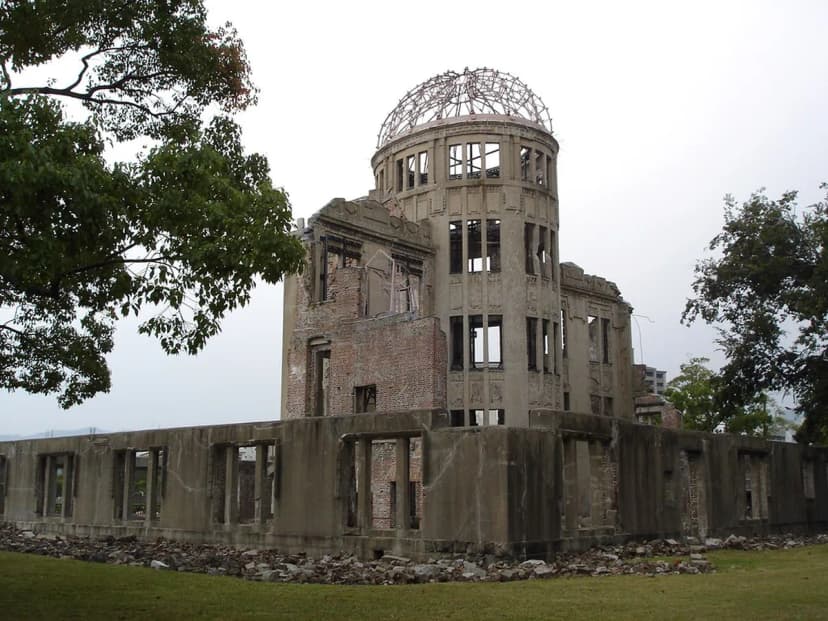
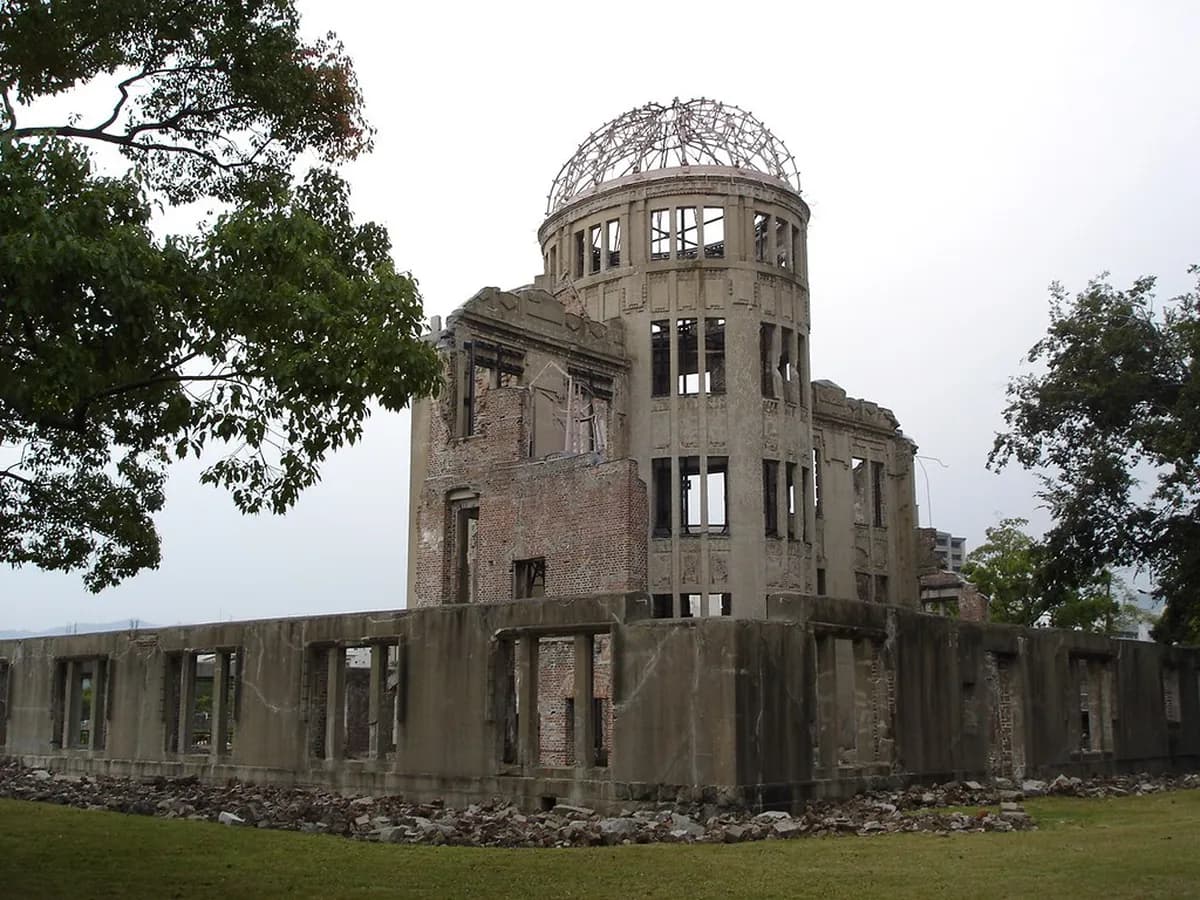
Located in the vibrant city of Hiroshima, this skeletal structure remains preserved exactly as it was after the blast.
This atomic bomb dome (genbaku dome) visitor guide will help you navigate the site with respect and understanding.
You will find essential tips on timing, logistics, and nearby attractions to complete your journey of reflection.
The History and Preservation of the Genbaku Dome
Before August 6, 1945, this building was the Hiroshima Prefectural Industrial Promotion Hall, designed by Czech architect Jan Letzel and completed in 1915. Its distinctive European-style brickwork and green copper dome made it one of the most recognizable landmarks in the city. It hosted art exhibitions, fairs, and public events — the first Baumkuchen ever made in Japan was produced at a confectionery fair held here in 1912.
When the atomic bomb detonated at 08:15, the hypocenter was only 160 meters away, directly above the Shima Hospital across the street. Because the blast came from nearly overhead rather than horizontally, the vertical columns of the building resisted the downward pressure. Everyone inside was killed instantly, but the skeletal frame of the dome survived while the surrounding city was leveled to ash within seconds.
In the decades after the war, Hiroshima citizens debated fiercely whether to demolish the ruin or preserve it. Preservation won. In 1996, UNESCO inscribed the dome as a World Heritage Site, recognizing it as a stark and powerful symbol of the most destructive force ever created by humanity. Today, Hiroshima City maintains the structure with minimal steel reinforcements and regular seismic assessments, keeping it in exactly the post-blast state. The goal is preservation, not restoration — the ruin itself is the message.
Planning Your Visit: Logistics, Timing, and Transport
The dome stands in a publicly accessible area of Peace Memorial Park and can be viewed 24 hours a day at no charge. Entry to the dome interior is not permitted — the structure is protected and visitors walk the paved perimeter path, reading the multilingual interpretation panels along the fence line. Plan 20 to 30 minutes for the dome itself, and three to four hours if you include the park monuments and the museum.
From Hiroshima Station, take Hiroden tram line 2 or 6 toward Miyajima-guchi or Hiroshima Port. Exit at Genbaku Dome-mae stop, which takes roughly 15 minutes and costs ¥220. The dome is immediately beside the tram stop on the Motoyasu River bank. IC cards (Suica, Pasmo, ICOCA) are accepted. Coming from Hiroshima Airport, take the airport limousine bus to Hiroshima Bus Center (about 51 minutes), then walk five minutes to the park.
Aim to arrive before 09:00 to avoid the school groups and tour buses that dominate midday. Early morning light creates a somber atmosphere that suits the site. The dome is also illuminated at night and dramatic to photograph after dark. The park is entirely flat and paved — wheelchairs, strollers, and mobility aids move freely throughout. Benches along the river provide rest stops at regular intervals.
One date requires special planning: August 6. The Hiroshima Peace Memorial Ceremony takes place annually at 08:15, the exact moment of the bombing. The area around the dome and cenotaph is reconfigured for the ceremony from the early hours of that morning. General visitors are welcome to attend — access is open to the public — but the layout differs from a normal visit and crowds are very large. If you are visiting Hiroshima in early August 2026, factor this in. Arriving by 07:30 or after 11:00 gives you the clearest experience either way.
Essential Stops in the Peace Memorial Park
The dome is the most recognizable structure, but the surrounding park holds several monuments that give the site its full historical weight. Walking the park from north to south — dome to museum — takes about fifteen minutes at a steady pace and covers all the major memorials.
- The Cenotaph for the A-Bomb Victims is an arch-shaped monument that frames the dome perfectly when viewed from the south. Beneath the arch sits a stone chest holding the names of all known victims. The epitaph reads: "Let all the souls here rest in peace, for we shall not repeat the evil." This alignment of cenotaph, Peace Flame, and dome along a single axis was intentional — the three elements form a continuous visual plea for disarmament.
- The Peace Flame has burned continuously since 1964. It will be extinguished only when all nuclear weapons have been eliminated from the earth. Standing in front of it alongside the dome in the background is one of the most photographed compositions in Japan.
- The Children's Peace Monument commemorates Sadako Sasaki, a twelve-year-old who survived the blast but died of leukemia in 1955 while folding paper cranes. Thousands of colorful cranes sent by schoolchildren from around the world are displayed in glass cases at the base. It is the gentlest entry point for younger visitors or those not yet ready for the museum exhibits.
- The Atomic Bomb Memorial Mound holds the ashes of approximately 70,000 unidentified victims recovered from the ruins. It sits in a quiet corner of the park near the river and receives far fewer visitors than the main monuments — worth a moment of silence.
- The Rest House is the only other building near the hypocenter that survived the blast. Originally a kimono shop, it now serves as an information center. Ask at the counter to see the preserved basement, which has been kept in its post-blast state. Entry is free and this detail is missed by most tour groups.
The Peace Memorial Museum anchors the southern end of the park. Admission is ¥200 for adults, ¥100 for high school students, and free for children. The east wing covers historical context and the lead-up to the bombing; the main building holds personal artifacts — lunchboxes, tricycles, watches stopped at 08:15 — that bring the human scale of the destruction into focus. Allow two hours minimum. Check the official museum site at hpmmuseum.jp for current hours and temporary closures before your visit.
Reflection and Etiquette: Visiting with Respect
The Atomic Bomb Dome is not a conventional tourist attraction — it is a memorial and, in a sense, a graveyard. The atmosphere around the dome is remarkably quiet even on busy days. Keep your voice low. Observe the silence that most Japanese visitors maintain as they approach the site.
Photography is permitted throughout the park and around the dome exterior. Avoid vacation-style poses or smiling selfies directly in front of the ruins. Inside the Peace Memorial Museum, photography is restricted in sections displaying the most sensitive artifacts; signage indicates where cameras must be put away. Follow these guidelines without exception.
Hiroshima's identity is built around the concept of "Peace Tourism" — the city does not focus on bitterness or retribution. Its message is one of global harmony and "No More Hiroshimas." You may encounter volunteer guides, some of whom are Hibakusha descendants, offering free English-language tours near the cenotaph. If time allows, join one. Their personal accounts provide context that no panel or exhibit can replicate. These guided sessions typically run 30 to 45 minutes and leave from the cenotaph area on weekend mornings.
Peace Attractions In Hiroshima
Beyond the main park, several sites extend the historical and cultural experience of the city. The Hiroshima National Peace Memorial Hall for the Atomic Bomb Victims is free to enter and located adjacent to the museum. This underground space features a circular basin of water marking the exact time of the bombing and a 360-degree panoramic mosaic created from 140,000 tiles — one for each estimated victim by the end of 1945. It provides a quiet space for reflection that the busier museum does not always allow. More information is available at hiro-tsuitokinenkan.go.jp/en/.
The Honkawa Elementary School Peace Museum, located one block north of the park, occupies a building that survived the blast. It houses classroom artifacts and student records from 1945 and is managed by volunteers. Admission is free. This is one of the least-visited peace sites in Hiroshima and one of the most intimate. The contrast between the ordinary school materials and the destruction context makes it quietly devastating.
Further afield, the Mazda Museum offers a different lens on the city's recovery. Hiroshima is the global headquarters for Mazda, and the factory tour shows how postwar industrial rebuilding shaped the modern city. Tours must be booked in advance on the Mazda website and fill quickly. It makes for an interesting half-day addition if you are spending two days in the city.
Family-Friendly and Budget-Friendly Options
Most of the significant sites in and around Peace Memorial Park are free to visit. The dome exterior, the cenotaph, the Peace Flame, the Children's Monument, and the Memorial Mound cost nothing. Museum admission is ¥200 for adults. This makes the full park experience one of the most accessible major historical sites in Japan for budget travelers and families.
For families with young children, the Children's Peace Monument is the most appropriate starting point. The colorful paper cranes and the story of Sadako introduce the themes of peace and resilience gently. The museum's graphic exhibits are better suited for children aged twelve and older; parents should preview the content before deciding. The park's flat, open layout allows children to move around freely between monuments.
For an affordable meal after your visit, Hiroshima-style okonomiyaki is the practical choice. Unlike the Osaka version where ingredients are mixed, the Hiroshima version is layered — noodles, cabbage, pork, and egg stacked on the griddle. Head to Okonomimura near Hatchobori, a building housing dozens of small stalls, each with a counter where you can watch the preparation. Lunch runs ¥900 to ¥1,200. It is filling, cheap, and specific to the city.
Hiroshima Peace Memorial Museum — Guide from Onomichi
Visiting Hiroshima from Onomichi is a natural pairing for travelers exploring the Setouchi region. The fastest option is the Shinkansen from Shin-Onomichi Station to Hiroshima Station, which takes approximately 30 to 40 minutes and is covered by the JR Pass. Note that Shin-Onomichi is located up the hill from the main Onomichi waterfront — allow 15 minutes to reach it by taxi or the connecting bus from Onomichi Station.
The budget alternative is the JR Sanyo Line local train, which takes roughly 90 minutes with a transfer at Mihara or Itozaki Station. This route follows the Seto Inland Sea coastline and offers better views of the water. Local trains can be crowded during morning rush hours (07:30 to 09:00). If you are traveling between those times, consider the Shinkansen for comfort.
Once at Hiroshima Station, take Hiroden tram line 2 or 6 to Genbaku Dome-mae. Store heavy luggage in the coin lockers at Hiroshima Station before departing — locker sizes range from small (¥300) to large (¥700), and all accept IC cards. Day-trippers from Onomichi who arrive by 10:00 and leave by 17:00 have comfortable time to see the dome, walk the park, and spend two hours in the museum.
Beyond the Dome: Exploring Hiroshima and the Setouchi Region
After a morning of reflection, Hiroshima's modern city offers a compelling contrast. The downtown area around Hondori covered shopping arcade is fifteen minutes by tram from the park. The Shukkeien Garden, built in 1620 and destroyed in the bombing, was painstakingly restored and reopened — admission is ¥260, and a quiet hour in its grounds resets the emotional weight of the morning. It sits near Hiroshima Castle, which is worth a short detour.
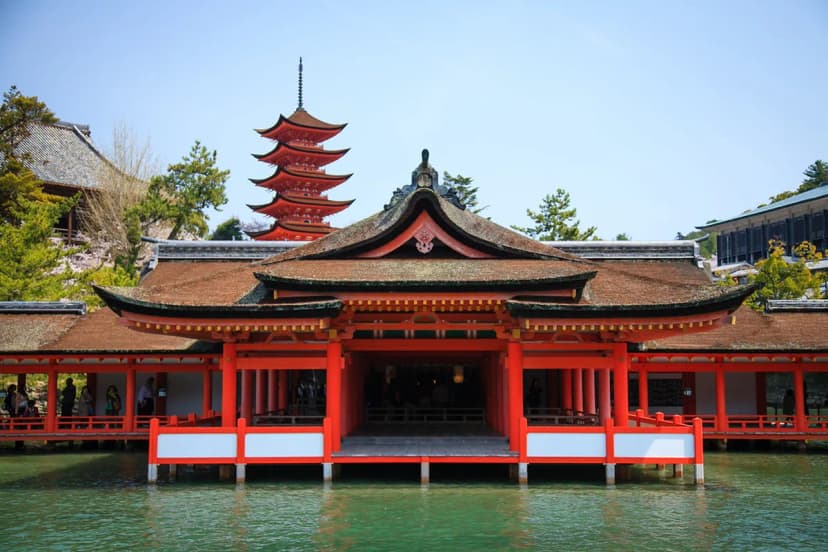
For those with a full day, a short ferry ride from Peace Memorial Park pier connects directly to Miyajima Island. This river-to-sea cruise takes about 45 minutes and is operated by Hiroshima River Cruise — it is a more scenic alternative to the standard tram-plus-JR ferry route. On Miyajima, the Itsukushima Shrine and its floating torii gate are the primary draws. Combine an early dome visit with an afternoon on Miyajima and you have a full day that covers both of western Japan's most memorable sites.
The seaside town of Onomichi is an essential next stop for those with an extra day. While Hiroshima represents modern history and peace advocacy, Onomichi offers a nostalgic look at older Japan — temple walks, cat alleys, and the starting point of the Shimanami Kaido cycling route. The contrast in mood between the two cities makes for a well-balanced Setouchi itinerary.
Frequently Asked Questions
What should travelers avoid when planning an atomic bomb dome visitor guide trip?
Avoid visiting during the middle of the day when crowds are largest. You should also refrain from loud behavior or disrespectful photography near the ruins. Do not rush through the museum, as the exhibits require time for proper reflection and understanding. Check for local holidays that might affect museum hours.
How much time should you plan for the Atomic Bomb Dome?
Plan for at least 30 to 45 minutes to walk around the Dome's perimeter. If you include the full Peace Memorial Park and museum, you should set aside four to five hours. This allows for a respectful pace and time to process the historical information provided at each site.
Is the Atomic Bomb Dome worth including on a short itinerary?
Yes, it is one of Japan's most significant historical sites and highly recommended for first-time visitors. Even with only half a day, you can see the Dome and the main Cenotaph. Its central location makes it easy to combine with other major attractions in the city or a trip to Miyajima.
What were the consequences of the atomic bomb attack?
The attack caused immediate catastrophic destruction and long-term health issues for survivors, known as Hibakusha. It led to the total rebuilding of Hiroshima into a city dedicated to global peace. Today, the city serves as a living memorial and a powerful advocate for nuclear disarmament across the world.
Which visitor guide options fit first-time visitors best?
First-time visitors should focus on the central Peace Memorial Park area for a comprehensive experience. A self-guided walking tour starting at the Dome and ending at the museum is the most common route. Joining a local walking tour can also provide deeper insights and personal stories that you might miss on your own.
A visit to the Atomic Bomb Dome is a powerful journey through history and a testament to human resilience.
By following this atomic bomb dome (genbaku dome) visitor guide, you can ensure your trip is both educational and respectful.
Hiroshima offers a unique blend of somber reflection and modern vibrancy that leaves a lasting impression on every traveler.
Plan your wider Hiroshima trip: see our Hiroshima attractions guide, Hiroshima itinerary, Hiroshima landmarks guide for routing, pacing, and what to slot in alongside this stop.