Dazaifu Street Food Guide: What to Eat Along Omotesando (2026)
A 2026 dazaifu street food guide to Omotesando's best bites: mochi, mentaiko bread, seasonal parfaits, prices, hours, and tabearuki etiquette.
On this page
Last updated July 2026, this dazaifu street food guide walks Omotesando's roughly 100 shops along the shrine approach, from toasted mochi to mentaiko-stuffed bread. Most stalls open around 10:00 AM and close by 5:00 PM, and the busiest window runs from 11:00 AM to 2:00 PM. Budget ¥150 for a single grilled rice cake and up to ¥800 for an elaborate skewer or seasonal parfait.
Dazaifu Street Food: What to Expect on Omotesando
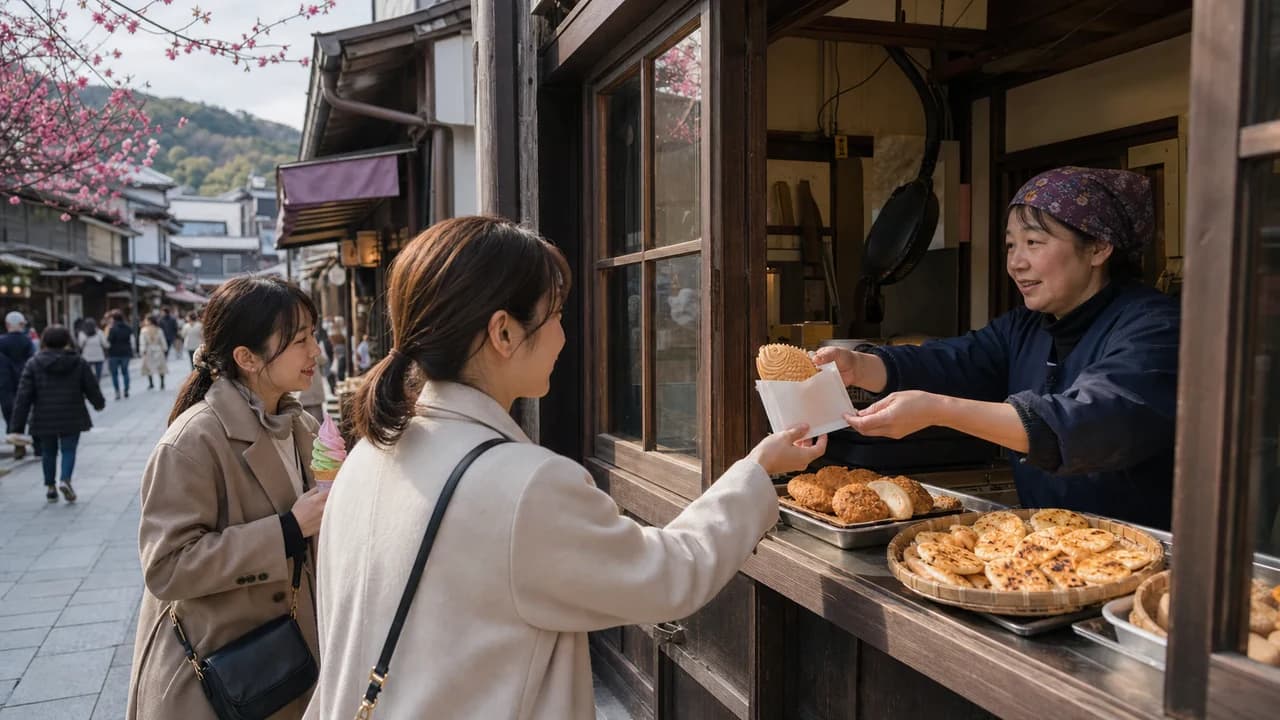
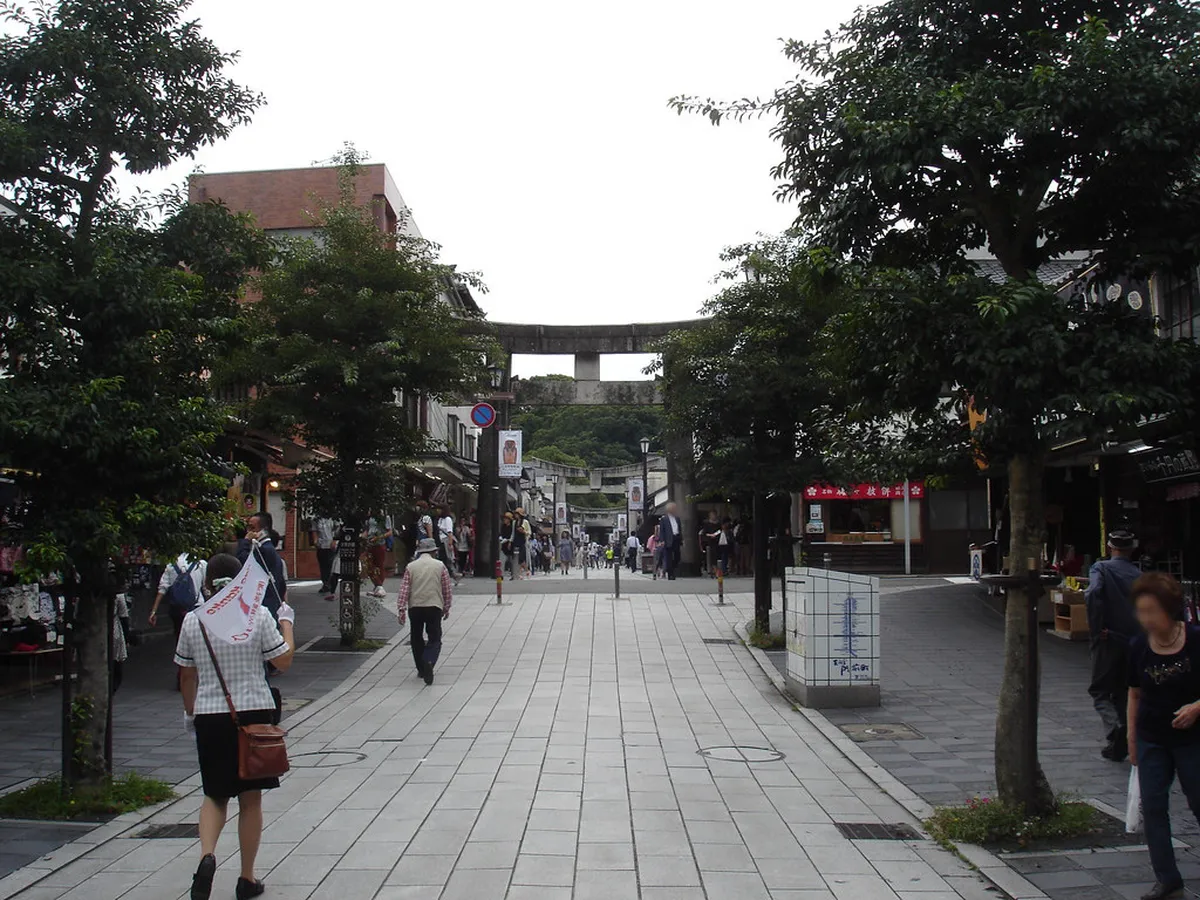
Omotesando is the shrine approach linking Nishitetsu Dazaifu Station to Dazaifu Tenmangu Shrine. Roughly 100 shops line the quarter-mile approach connecting station to shrine, selling everything from rice cakes to craft beer. Three categories define the walk: a historical mochi, Fukuoka's savory mentaiko, and modern, photo-driven sweets. Trains from Fukuoka's Hakata or Tenjin stations reach Nishitetsu Dazaifu Station in about 20 to 40 minutes. A dedicated Nishitetsu vs. JR transport guide compares this route against the JR alternative. Pair this walk with the Dazaifu food guide for sit-down options once the snacking is done.
A 20 to 40 minutes train journey from Fukuoka means catching the 10:00 AM opening requires early logistics, while the approach's 11:00 AM to 2:00 PM peak crowds make arriving after 2:00 PM the crowd-free timing strategy for same-day visitors.
- Umegae mochi — the historical, plum-stamped rice cake
- Mentaiko — Fukuoka's savory cod roe specialty, in bread, skewers, and rice bowls
- Modern sweets — seasonal parfaits, ice cream, and fruit skewers built for photos
Where the Shops Sit Along Omotesando
Distances from Nishitetsu Dazaifu Station help with planning a route in either direction.
- About 1 minute from the station: Miffy Oyatsudo and Sawawa's matcha counter.
- About 2 minutes from the station: Hirosho's mentaiko skewers and Dazaifusando Tenzan's flagship store.
- About 3 minutes from the station, down a side alley: Kogoi Sabo's pudding ice cream.
- Near the station along Tenjin-sama Street: Yamaya Base Dazaifu and, one minute further, Dazaifu Brewery.
Umegae Mochi: The Historical Must-Eat
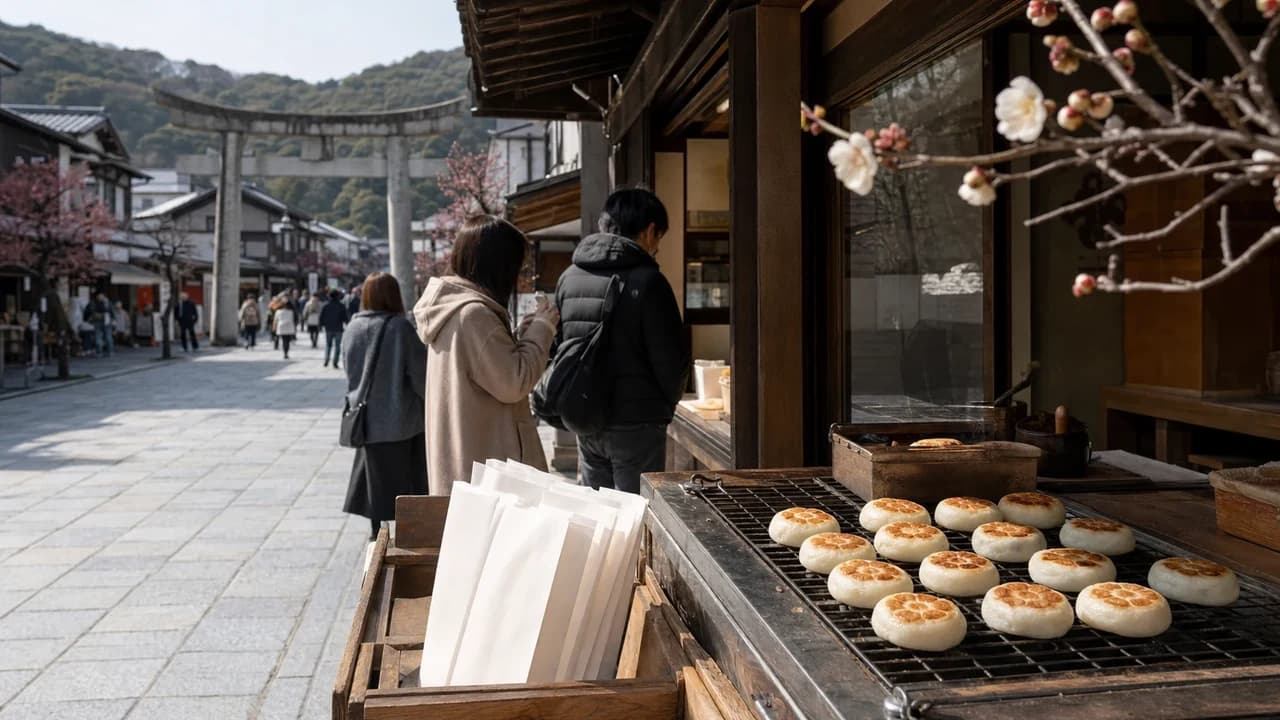
Umegae mochi is a toasted rice cake stamped with a plum-blossom pattern and filled with sweet red bean paste. It is not plum-flavored — the name and stamp reference Dazaifu Tenmangu Shrine's plum trees. Local lore ties the snack to Sugawara Michizane, the scholar exiled to Dazaifu, comforted by an old woman with a rice cake decorated with a plum branch. A single piece runs around ¥150, near the low end of Omotesando's pricing. Kasa no Ie is the benchmark stop, grilling mochi to order along the approach. For a hands-on version, the Umegae Mochi Grilling Workshop on the second floor of Dazaifukan lets visitors knead the dough themselves. Each batch grills for about ninety seconds in a heavy iron mold, so reserve ahead and arrive early. More shops along the same stretch appear in the Omotesando umegae mochi guide. Plum and cherry blossom season brings extra crowds to the approach. Check the plum and cherry blossom season guide before planning a spring visit.
Savory Hits: Fukuoka's Mentaiko on the Approach
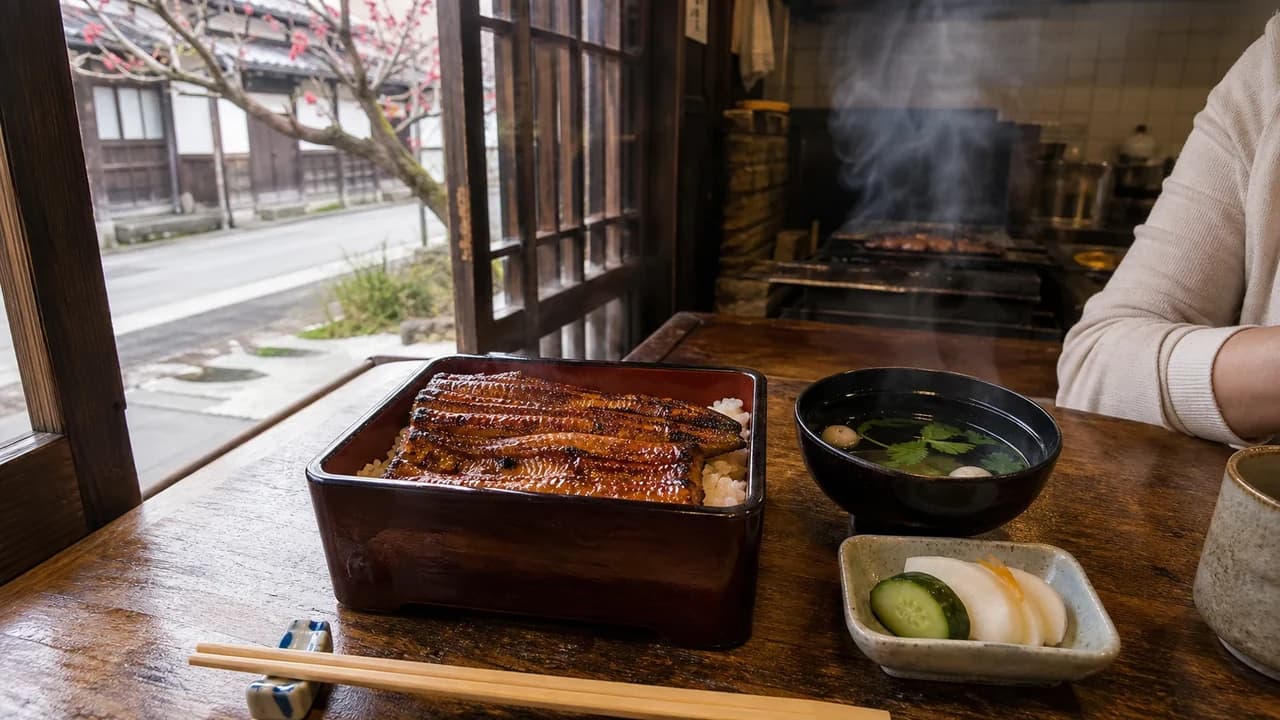
Mentaiko, Fukuoka Prefecture's defining savory flavor, turns up in bread, skewers, and rice bowls across Omotesando. Travelers skipping fish roe should look at the vegetarian and vegan restaurant guide instead. For a full seated meal, the unagi eel restaurant guide covers grilled-eel alternatives to the standing-counter snacks.
- Yamaya Base Dazaifu: mentaiko French bread and mentaiko cheese French bread, baked to order near Nishitetsu Dazaifu Station; the shop reportedly bakes over 1,000 loaves on its busiest days. Frozen loaves are sold next door at Hakata-no-Aji Yamaya for take-home gifts.
- Hirosho: a ¥400 mentaiko dashimaki skewer, a rolled-omelet collaboration with egg-sandwich shop Rojiya, about two minutes from the station.
- Fukuya: mentaiko chazuke, rice steeped in savory broth, for ¥500 — a fast, budget-friendly stop between shrine visits.
- Chikushinan Main Branch: Dazaifu burgers and karaage fried chicken for travelers who want something heartier than a snack.
More Grazing Snacks: Beyond the Big Three
Omotesando's 100-plus shops sell more than the headline mochi and mentaiko. Terakoya Honpo grills mochiyaki senbei, a savory rice cracker, for a crunchy stop between sweeter shops. Sawawa, near the station exit, specializes in matcha: a matcha gelato runs ¥648, and matcha warabimochi, a soft rice-flour jelly, runs ¥389. Grilled rice crackers, croquettes, taiyaki, and seasonal soft-serve in flavors like plum and matcha turn up at smaller stalls along the same stretch. Prices for these stay in the same ¥150-to-¥800 range as the rest of Omotesando. Treat these as grazing stops between the marquee shops rather than a full meal.
Modern Sweets and Social Media Favorites
Newer shops along Omotesando lean into seasonal, photo-ready menus. Coba Cafe's queue means arriving right at opening matters more than anywhere else on this list. Terrace seating opens in warmer months for a slower pace. Seated alternatives appear in the best cafes in Dazaifu guide if the parfait counter is full.
Coba Cafe's opening at 11:00 AM is precisely when the approach's busiest period begins; the stated 11:00 AM to 2:00 PM peak window means arriving for seating involves navigating maximum crowds.
- Dazaifusando Tenzan: Amaou strawberry dango skewers for ¥800, available December through April; oni-kawara monaka and a summer Shine Muscat dango round out the rest of the year.
- Coba Cafe: seasonal parfaits such as an Earl Grey mont blanc with caramelized figs, plus a chicken wing stick curry; seats fill within five minutes of the 11:00 AM opening.
- Kogoi Sabo: fresh pudding ice cream served in a 100-year-old renovated house down an alley off the approach; custard runs ¥580 and matcha ¥680, open 11:00 AM to 5:00 PM until sold out.
- Miffy Oyatsudo: Miffy-shaped dorayaki for ¥378, in limited daily quantities, about a minute from the station.
Craft Beer and a Kengo Kuma Coffee Stop
Dazaifu Brewery is the first brewery in Dazaifu, funded through a crowdfunding campaign that reached its goal within a week. Visitors can watch the brewing floor through glass while sipping a fresh pour near Yamaya Base. A short stop here pairs naturally with the mentaiko bread next door. Starbucks Omotesando, designed by architect Kengo Kuma with an interlocking wood-beam facade, is worth a look even without buying coffee. Its construction gets a full breakdown in the Kengo Kuma Starbucks design guide.
Tabearuki Etiquette: Eating While You Walk
Tabearuki, eating while walking, is generally discouraged in Japan, and Omotesando is no exception. Most shops expect customers to finish a snack at a small standing counter or bench near the register rather than carry it down the street. Shrine visiting hours push extra foot traffic onto Omotesando right around midday, compounding the golden-hour crowds. Travelers who prefer a seated, unhurried meal over standing-counter snacking can check the best restaurants in Dazaifu guide for options just off the main approach.
- Crowd control: the 11:00 AM to 2:00 PM window is busiest, so arriving at the 10:00 AM opening or after 2:00 PM eases the crush.
- Waste management: trash cans are typically only at the shop where you bought the item, so finish or bag a snack before moving to the next stall.
- Standing room: look for a small counter or bench at each shop instead of eating on the move.
Beyond the Shrine: Walking Off the Snacks
A connecting pathway leads from the cafe cluster near the shrine to the Kyushu National Museum in about three minutes on foot. It is the fourth national museum built in Japan, following Tokyo, Nara, and Kyoto, and its ground-floor Ajippa gallery is a free, hands-on exhibit space. The Kyushu National Museum visitor guide has full exhibit details. From the museum, the Rainbow Tunnel walking route leads to Dazaifukan in about 15 minutes, working off a stop or two of snacks along the way. Quieter detours also work well after a full afternoon of eating. Komyozenji Temple's moss garden is one option nearby. Kanzeonji Temple and the Tofuro ruins offer another quiet, historical stop. More options past the approach are covered in the things to do beyond the shrine guide.
Budgeting a Snack-Hop Along Omotesando
A full loop of Omotesando can run cheap or add up fast, depending on how many stalls you stop at.
| Spending style | Sample stops | Rough total |
|---|---|---|
| Light grazer | One umegae mochi plus a mentaiko dashimaki skewer | ¥150 + ¥400 = ¥550 |
| Full snack-hop | Umegae mochi, Fukuya's chazuke, and a Tenzan strawberry dango (in season) | ¥150 + ¥500 + ¥800 = ¥1,450 |
| Sit-down add-on | Any of the above plus a Coba Cafe parfait or a Dazaifu Brewery pour | Varies by parfait or beer menu pricing |
Best Bites for Every Type of Traveler
Matching a snack strategy to travel style speeds up decision-making on a short visit. The table below pairs a traveler type with a realistic stop, using prices already covered above.
| Traveler type | Recommended pick | Approx. price |
|---|---|---|
| Traditionalist | Umegae mochi at Kasa no Ie | ¥150 |
| Social-media traveler | Tenzan Amaou strawberry dango skewer plus a Coba Cafe parfait | ¥800 for the skewer; parfait price varies by season |
| Hungry traveler | Yamaya Base mentaiko bread plus a Chikushinan burger | Priced per item at each counter |
- Timing from Fukuoka is laid out in the day trip planning guide.
- Travelers continuing on to Yanagawa afterward can check the Dazaifu and Yanagawa itinerary for that route.
- Hours and highlights for the shrine itself appear in the Dazaifu Tenmangu Shrine visitor guide.
- Rounding out sightseeing beyond food, the Dazaifu attractions guide lists the rest of the town's sights.
Frequently Asked Questions
What is the best street food to try in Dazaifu?
Umegae mochi is the traditional must-eat, a toasted rice cake with red bean filling sold across Omotesando. Mentaiko French bread at Yamaya Base and mentaiko skewers at Hirosho cover the savory side. For something seasonal, Dazaifusando Tenzan's Amaou strawberry dango run December through April.
Can you eat while walking on Omotesando?
Tabearuki, eating while walking, is generally discouraged in Japan. Most Omotesando shops provide a small standing counter or bench near the register instead, and customers are expected to finish snacks there before moving on.
How much does street food cost in Dazaifu?
Most snacks fall between ¥150 for a single piece of umegae mochi and ¥800 for an elaborate skewer or seasonal parfait. Fukuya's mentaiko chazuke is a budget option at ¥500.
When is Amaou strawberry season in Dazaifu?
Amaou strawberries are in season from December through April, when Dazaifusando Tenzan sells its strawberry dango skewers. Outside those months, the shop swaps in other seasonal fruit, including a summer Shine Muscat dango.
How do you get to Dazaifu's Omotesando from Fukuoka?
The Nishitetsu line runs direct from Fukuoka's Hakata or Tenjin stations to Nishitetsu Dazaifu Station in about 20 to 40 minutes. Omotesando starts right outside the station exit.
What is the best time of day for Dazaifu street food?
Most shops open around 10:00 AM and close by 5:00 PM, with the busiest stretch from 11:00 AM to 2:00 PM. Arriving right at opening, especially for Coba Cafe's parfait counter, avoids the longest waits.
Do you need a reservation for the Umegae Mochi Grilling Workshop?
Reservations are recommended, and arriving early helps secure a spot. Each batch of mochi grills for about ninety seconds in a heavy iron mold, and an instructor explains the snack's history before you start.
Is Dazaifu street food vegetarian-friendly?
Much of Omotesando leans savory and fish-based, especially the mentaiko specialties. Sweet stalls like Kasa no Ie's umegae mochi, Sawawa's matcha gelato, and Dazaifusando Tenzan's fruit skewers work for vegetarians, and the vegetarian and vegan restaurant guide lists sit-down options for stricter diets.
Free guide: Japan's Hidden Gems
12 under-the-radar places beyond Tokyo & Kyoto — with the best season to visit each and a local tip you won't find in the guidebooks.
You might also like
Continue reading
More guides you'll find useful