

Koya Dofu vs. Goma Dofu: The Complete Koyasan Tofu Guide
Compare Koyasan's two tofu specialties: silky goma dofu and freeze-dried koya dofu. Get Hamadaya's hours, prices, and souvenir tips for 2026.
On this page
Last updated July 2026, this guide sorts out koya dofu and goma dofu koyasan visitors often confuse on first taste. One is a chilled sesame custard set with kudzu starch. The other is a freeze-dried soy sponge that contains no sesame at all.
Koya Dofu and Goma Dofu in Koyasan: The Two Tofu Traditions
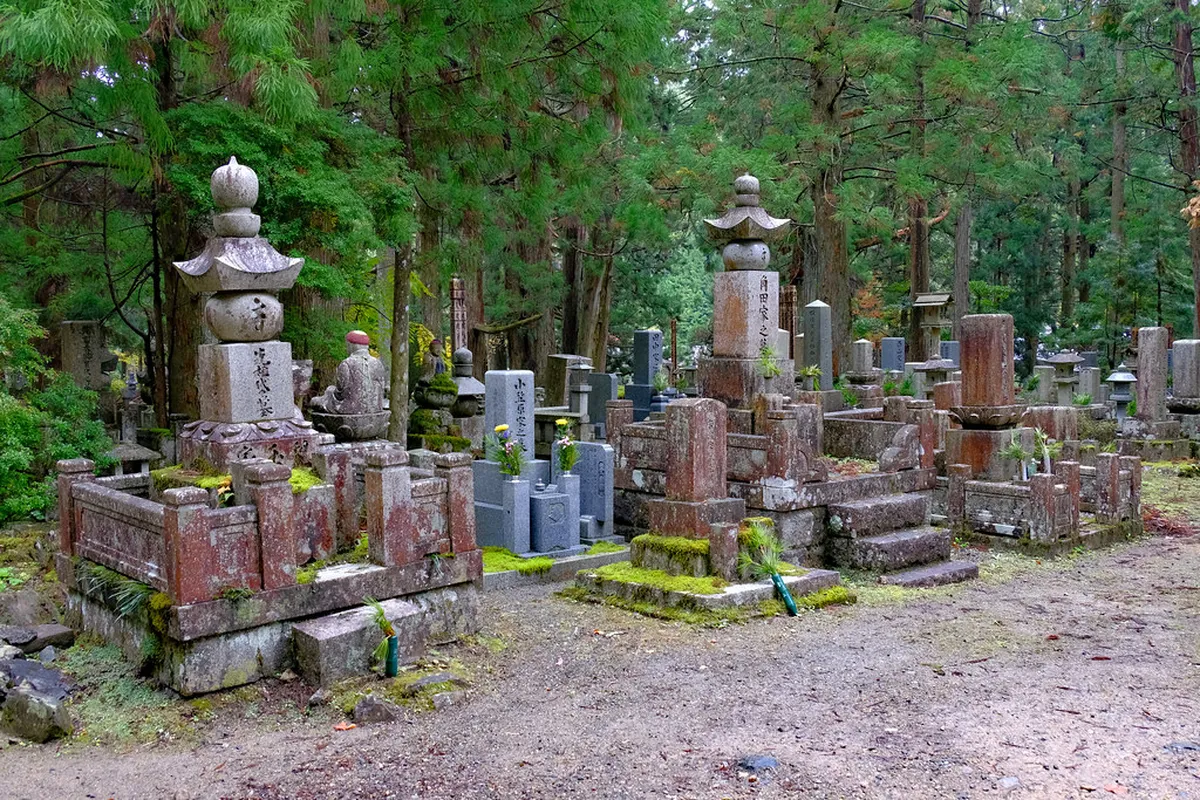
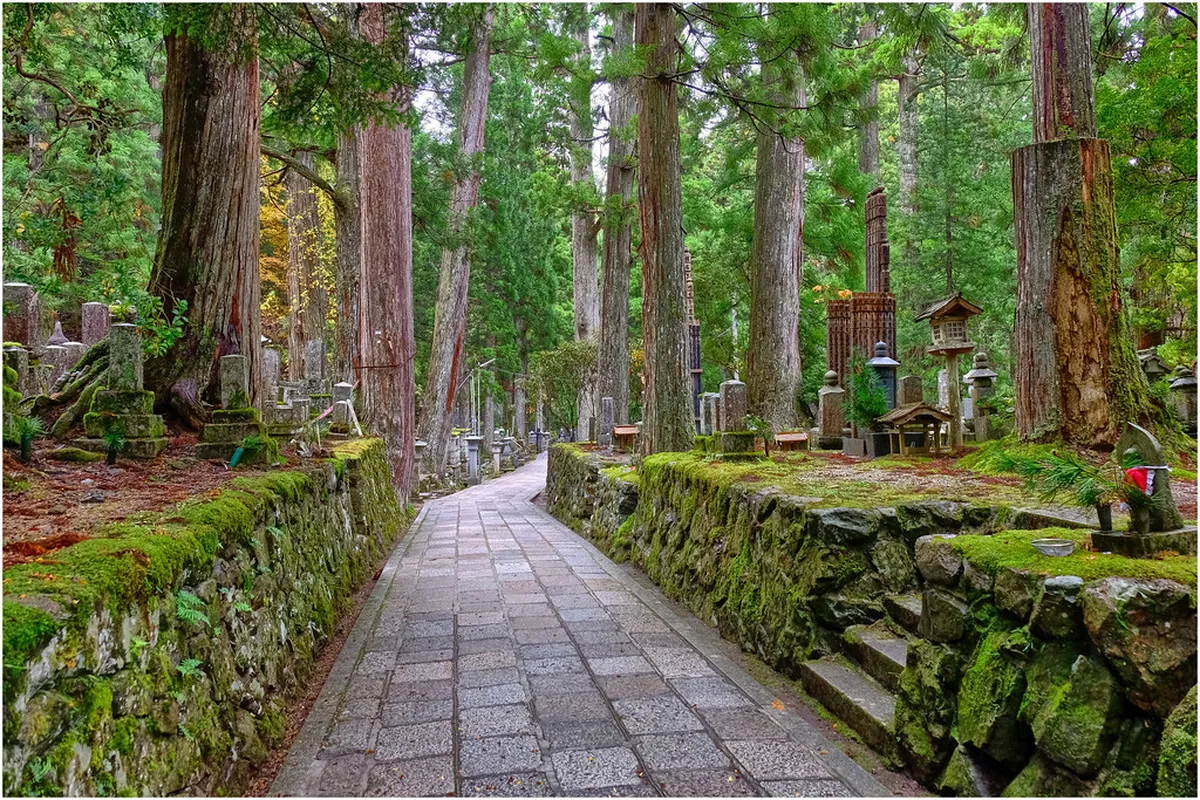
Koyasan built an entire cuisine around two dishes that share a name but little else. Goma dofu is a chilled sesame custard, thickened with starch rather than made from soybeans. Koya dofu is freeze-dried soy tofu, dried into a firm sponge that rehydrates for stews. Both dishes come from the same monastic kitchen tradition. Koyasan is the center of Shingon Buddhism, founded by the priest Kobo Daishi Kukai, and shojin ryori grew out of that temple cooking. Koyasan has been a center of prayer for more than 1,200 years since its founding, and UNESCO recognizes the mountain as a World Heritage Site. For background on the wider cuisine, see the shojin ryori dining guide. Either dish is a natural stop within the broader Koyasan food guide before or after temple visits.
How Shojin Ryori Frames Both Dishes
Both tofus typically arrive as small side dishes within a larger shojin ryori tray, not as a standalone entrée. A shukubo dinner might include a shallow cup of chilled goma dofu alongside simmered koya dofu in a vegetable broth, plus rice, pickles, and seasonal vegetables. Soujiin describes the cuisine as built from seasonal, mountain-grown ingredients prepared with traditional techniques, meant to slow the meal down rather than fill a plate quickly. Neither tofu is served as a large portion, so pair the tasting with a full temple dinner if you want a complete meal rather than a snack.
Goma Dofu: The Silky Sesame Specialty
Goma dofu contains no soybeans at all, despite the name. It's made from white sesame seeds, Yoshino kuzu starch, and local spring water. Kneading and roasting take time, giving the custard a smooth, faintly elastic bite. Hamadaya, founded in 1905, is the specialty's best-known maker on the mountain. Staff there chant the Heart Sutra during production, a ritual meant to bless the tofu for pilgrims. The shop serves it fresh on the 21st of every month, a festival day tied to Kobo Daishi. Order it savory, with soy sauce and wasabi, or as dessert with wasanbon sugar. Hamadaya's goma dofu won the Jury's Special Award at the first Wakayama Ichibanboshi Awards, a regional recognition program for local specialty foods. Soujiin, another Koyasan temple lodging, makes its own version with both white and black sesame roasted separately. White sesame gives a milder sweetness. Black sesame gives a deeper, more robust flavor. Sit-down versions of goma dofu also appear on menus covered in the best restaurants in Koyasan guide.
Goma dofu spoils within three days and needs refrigeration for the duration. This makes the fresh sesame custard impractical to pack home on a long flight, unlike shelf-stable koya dofu.
Koya Dofu: The Freeze-Dried Original
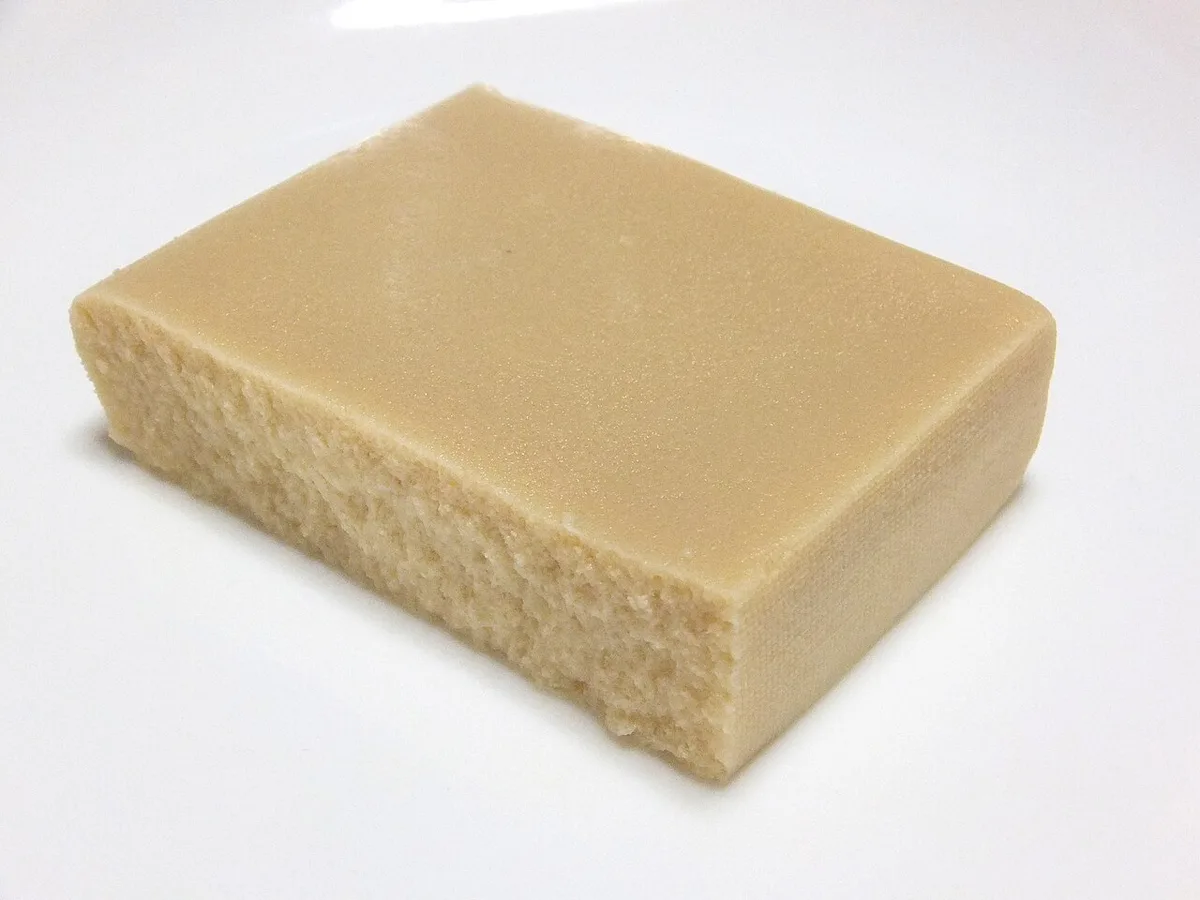
Koya dofu traces back to the early 1600s and the Shingon priest Mokujiki Shonin. He had mountain temples freeze large batches of soybean tofu outdoors in winter. Workers left the blocks on shelves in an unheated shed for about fifteen days. They were then thawed in warm water, pressed to expel the melted ice, and dried using heat from charcoal braziers. Mount Koya was not the only birthplace of this technique. Nagano developed its own version around the same era, credited to the warlord Takeda Shingen, who wanted lightweight rations for soldiers. By 1980, companies in the Nagano area handled 90% of Japan's freeze-dried tofu production, with one maker accounting for more than 55% of the national output. The result on both mountains is a firm, sponge-like block that keeps for months without refrigeration. Before cooking, soak it in hot water for about five minutes, then press out the liquid. Simmered in dashi or added to soups, it absorbs broth like a sponge. It can also be ground into a meal or flour, or turned into croutons for salads. It also carries more protein, iron, and calcium than fresh tofu. Phytonutrients also become more concentrated during the freeze-drying process, according to nutrition summaries of the dish. Some research links it to lower rates of heart disease and diabetes. Koya dofu is a mainstay for vegan and vegetarian travelers across Koyasan. See the vegan and vegetarian food guide for more plant-based picks.
Koya dofu soaks for five minutes before cooking. Since it stays shelf-stable for months without cooling, it makes a more practical souvenir choice than the perishable goma dofu.
Goma Dofu vs. Koya Dofu at a Glance
Use this table to decide which to try first, and which to pack for the trip home.
| Feature | Goma Dofu (Sesame) | Koya Dofu (Freeze-Dried) |
|---|---|---|
| Main ingredient | Sesame and kudzu starch | Soybeans |
| Texture | Silky, custard-like | Spongy, firm |
| Preparation | Eaten fresh and chilled | Rehydrated and simmered |
| Shelf life | A few days, refrigerated | Months, unrefrigerated |
| Best for | Eating on the spot | Souvenirs and home cooking |
Where to Eat Each One in Koyasan
Goma Dofu Hamadaya is the mountain's most cited stop for sesame tofu tastings. Its address is 444 Koyasan, Koya-cho, Ito-gun, Wakayama 648-0211, useful if you're plugging it into a map. Three cars can park diagonally out front, useful if you're driving up rather than taking the bus. Tabelog users rate the shop 3.51 out of 5 across 293 reviews, as of its current listing. Soujiin, another Koyasan temple lodging, sells its own goma dofu for ¥1,620 per box of six pieces. Orders there go by phone or fax rather than online. Formal shukubo dinners built around shojin ryori often include both tofus on the same tray. See the Koyasan temple stay guide for what a typical dinner includes. The Koyasan Shukubo Association lists member temples that offer this kind of stay. Either shop makes an easy stop alongside sightseeing covered in the Koyasan attractions guide.
- Hours: 9:00 AM–5:00 PM, Monday, Tuesday, Thursday, Friday, Saturday, and Sunday
- Closed: Wednesdays
- Location: about a 3-minute walk from the Odawara-dori bus stop
- Seating: 14 seats inside, with a few outdoor benches
- In-shop tasting: about ¥999
- Gift boxes: ¥1,800 for four pieces, ¥2,500 for six pieces
- Payment: credit cards and IC transit cards accepted; QR code payment is not
- Facilities: non-smoking indoors, wheelchair accessible, with an outdoor terrace
Which Tofu to Try First
If you only have time for one stop, start with Hamadaya's fresh goma dofu, since it's best eaten within hours of being made. Save koya dofu tasting for a sit-down shojin ryori meal, where it's simmered properly rather than eaten cold. Buy koya dofu as a souvenir on your way out, since it travels far better than the fresh sesame version. That order works for both short afternoon visits and full overnight stays.
Getting to the Shops and Planning Costs
Most Koyasan trips start from Osaka or Kyoto, and travel time affects how much tasting fits into a day. The Koyasan from Osaka guide covers routes from that city. The Koyasan from Kyoto guide covers the same for that direction. Travelers doing the mountain in a single day should build tofu stops into the Koyasan day trip guide. Pair that with the Where to Eat in Koyasan on a Day Trip (2026 Guide) for meal timing around bus and cable car schedules. Those staying overnight have more flexibility and can plan a fuller schedule with the Koyasan itinerary guide. A day trip leaves less room for the shukubo dinners that pair both tofus together, so overnight visitors get the fuller tasting. A shukubo stay that includes a shojin ryori dinner typically costs more than a single tasting stop, but bundles lodging with the meal. Budget roughly ¥1,000 to ¥2,500 per person for a single tasting stop. Add more if you're buying gift boxes to bring home.
Buying Tofu Souvenirs: What Travels and What Doesn't
Goma dofu is often vacuum-packed for takeaway, but it still needs refrigeration and has a short shelf life. Check the printed date on any vacuum-packed goma dofu before buying, since fresh batches are usually meant to be eaten within about three days. Soujiin's policy does not accept returns once three days have passed since delivery, or once a package has been opened. Refunds for approved returns typically arrive within about two days of the shop receiving the item back. Hamadaya's product listing states that international shipping is not available. Soujiin's shipping table covers only destinations within Japan, with fees that vary by region. A shipment of up to five boxes to the Kansai region costs about ¥766, for example. Orders under ¥10,000 also add a ¥315 handling fee. Soujiin can add gift wrapping and traditional noshi labels on request when you place an order. Plan to hand-carry either shop's goma dofu home rather than expecting it mailed abroad. If you're flying long-haul, pack it in a cooler bag with an ice pack. Koya dofu is the easier souvenir. It's lightweight, shelf-stable for months, and needs no refrigeration until you rehydrate it. For packing strategies across both dishes, see the Koyasan food souvenirs guide.
Common Mistakes to Avoid
A few simple mix-ups trip up most first-time visitors.
- Ordering "tofu" without specifying goma or koya, and getting the wrong dish
- Arriving at Hamadaya on a Wednesday, when it's closed
- Packing fresh goma dofu for a long flight without a cooler bag or ice pack
- Assuming Soujiin's goma dofu can be ordered online, when phone or fax is required
- Trying to eat koya dofu straight from the package, instead of soaking it first
- Buying only fresh goma dofu as a souvenir when a shelf-stable koya dofu pack would survive the trip home
Frequently Asked Questions
What is the difference between koya dofu and goma dofu?
Goma dofu is a chilled sesame custard made with kudzu starch and no soybeans. Koya dofu is freeze-dried soy tofu, dried into a firm sponge for stews and soups.
Does goma dofu contain any soy or tofu?
No. Despite the name, goma dofu is made from sesame seeds, kudzu starch, and water, with no soybeans involved.
What are Goma Dofu Hamadaya's hours, and how do you get there?
Hamadaya opens 9:00 AM to 5:00 PM most days and closes on Wednesdays. It's about a 3-minute walk from the Odawara-dori bus stop.
Can you ship goma dofu home internationally?
No. Hamadaya's listing states international shipping is not available, so pack it for the flight instead.
How do you cook koya dofu at home?
Soak it in hot water for about five minutes, then press out the liquid. Add it to simmered dishes, soups, or stews, where it soaks up broth.
Is koya dofu suitable for vegans?
Yes. It's a soy product with no animal ingredients, and it's a staple of Buddhist shojin ryori cooking.
What is shojin ryori?
It's the Buddhist vegetarian cooking served across Koyasan's temple lodgings. Both goma dofu and koya dofu are staples on that table.
How much should you budget for tasting both tofus?
Plan roughly ¥1,000 to ¥2,500 per person for a sit-down tasting. Add more for gift boxes, such as Hamadaya's ¥1,800–¥2,500 sets or Soujiin's ¥1,620 box.
Do you need a reservation at Goma Dofu Hamadaya?
Reservations aren't required, but the shop lists phone bookings as available if you're visiting with a group.
Is Goma Dofu Hamadaya wheelchair accessible?
Yes. The shop lists wheelchair access along with an outdoor terrace and non-smoking seating.
Is there a best time of year to try Koyasan's tofu dishes?
Both dishes are served year-round, so timing depends more on Hamadaya's Wednesday closure than the season.
Free: The Mount Kōya Essentials guide
Top things to do, where to stay, a perfect day plan, getting around, and the best time to go — a Mount Kōya mini-guide you can take offline.
You might also like


Continue reading
More guides you'll find useful


