

Where to Eat in Koyasan on a Day Trip (2026 Guide)
Where to eat in Koyasan on a day trip: lunch windows, Shojin Ryori spots, canteens near Senjuinbashi, and what to do if dinner isn't included.
On this page
Last updated July 2026, this guide covers where to eat in Koyasan on a day trip when no shukubo dinner is included. Koyasan's restaurant scene shuts down early, often by 4:00 PM or 5:00 PM, so lunch timing matters as much as your restaurant choice. This guide maps meal windows, specific canteens, and Goma-dofu shops near Senjuinbashi and Okunoin, so you eat well and still catch the return bus down the mountain.
At a Glance: Koyasan Day-Trip Dining Rules
Three rules govern eating in Koyasan without an overnight temple stay. Most existing guides focus on the shukubo overnight experience, but day-trippers need a different plan built around public restaurants and fixed closing times. Restaurants open for lunch service, and most close by 4:00 PM or 5:00 PM, well before a typical dinner hour. Missing the last bus down the mountain after dark leaves almost no food options open, since dinner service for day visitors is limited. Despite Koyasan's reputation for shojin ryori, several local shokudo also serve everyday dishes like tonkatsu curry and oyako-don. Vegetarians and omnivores can both eat well by planning around the clock rather than the menu. Pair this guide with the full Koyasan food guide for broader dining coverage, or the Koyasan day trip plan for cable car and temple timing.
| Option | Typical Price | Time Needed | Where |
|---|---|---|---|
| Canteen lunch (Nankai Shokudo, udon or soba shops) | ¥1,500 | 20–30 minutes | Senjuinbashi crossroads |
| Shojin ryori set (Chuo Shokudo and similar) | ¥2,000–¥4,000 | 60–90 minutes | Central town near Senjuinbashi |
| Konbini bento backup | Less than a canteen lunch | 10 minutes | Yamazaki Shop and similar convenience stores |
- Golden rule: eat lunch between 11:30 AM and 1:00 PM, before the midday rush and well ahead of early closing times.
- Reality check: almost no restaurants serve dinner to non-residents; day-trippers should eat their main meal at lunch.
- Dietary note: shojin ryori is meat-free, but casual canteens near Senjuinbashi serve tonkatsu, curry, and oyako-don alongside vegetarian dishes.
- Backup plan: keep a konbini bento in mind for autumn crowds or a late finish, since shops close early and options thin out fast.
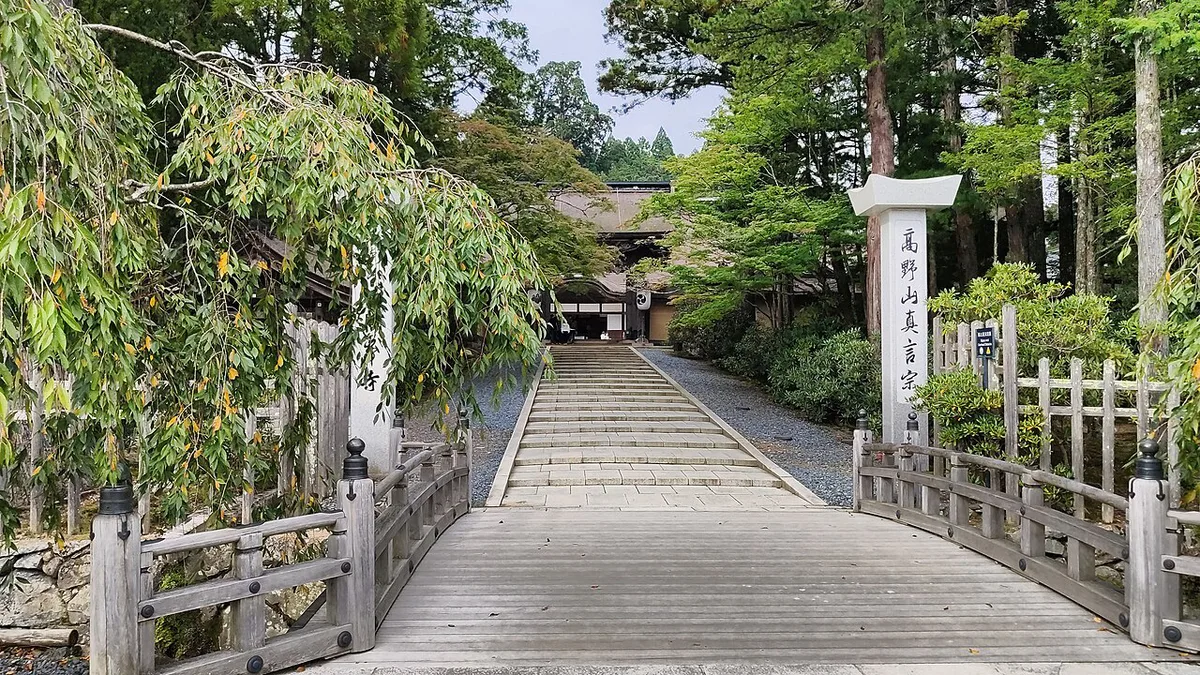
Where to Eat in Koyasan on a Day Trip: Hour-by-Hour Plan
Building meals around Koyasan's sightseeing keeps the day efficient. The plan below pairs a typical temple schedule from the 8-Step Koyasan Itinerary: The Ultimate 2-Day Temple Stay Guide with specific windows for lunch and snacks, so hunger never collides with a closing gate. Adjust the times if your train arrives earlier or later, but keep the lunch window fixed between late morning and early afternoon. Typical morning trains from Kyoto or Osaka reach Koyasan Station by mid-morning, which is why the plan below starts around 9:00 AM.
- 9:00–9:30 AM: Arrive by cable car and bus, then head toward Okunoin without stopping for a large breakfast.
- 9:30–11:15 AM: Walk the Okunoin cemetery path toward Kobo Daishi's mausoleum before the late-morning crowds build up.
- 11:30 AM–1:00 PM: Eat lunch near the Ichinohashi entrance to Okunoin, or head back to Senjuinbashi, the central crossroads, for more restaurant choices.
- 1:00–3:30 PM: Explore Danjo Garan and Kongobuji, Koyasan's central temple attractions, at a relaxed pace.
- 3:30–4:00 PM: Stop for a Goma-dofu or yaki-mochi snack before shops start closing for the day.
- 4:00–4:30 PM: Walk or take the bus back to Koyasan Station in time for the cable car and a comfortable connection down the mountain.
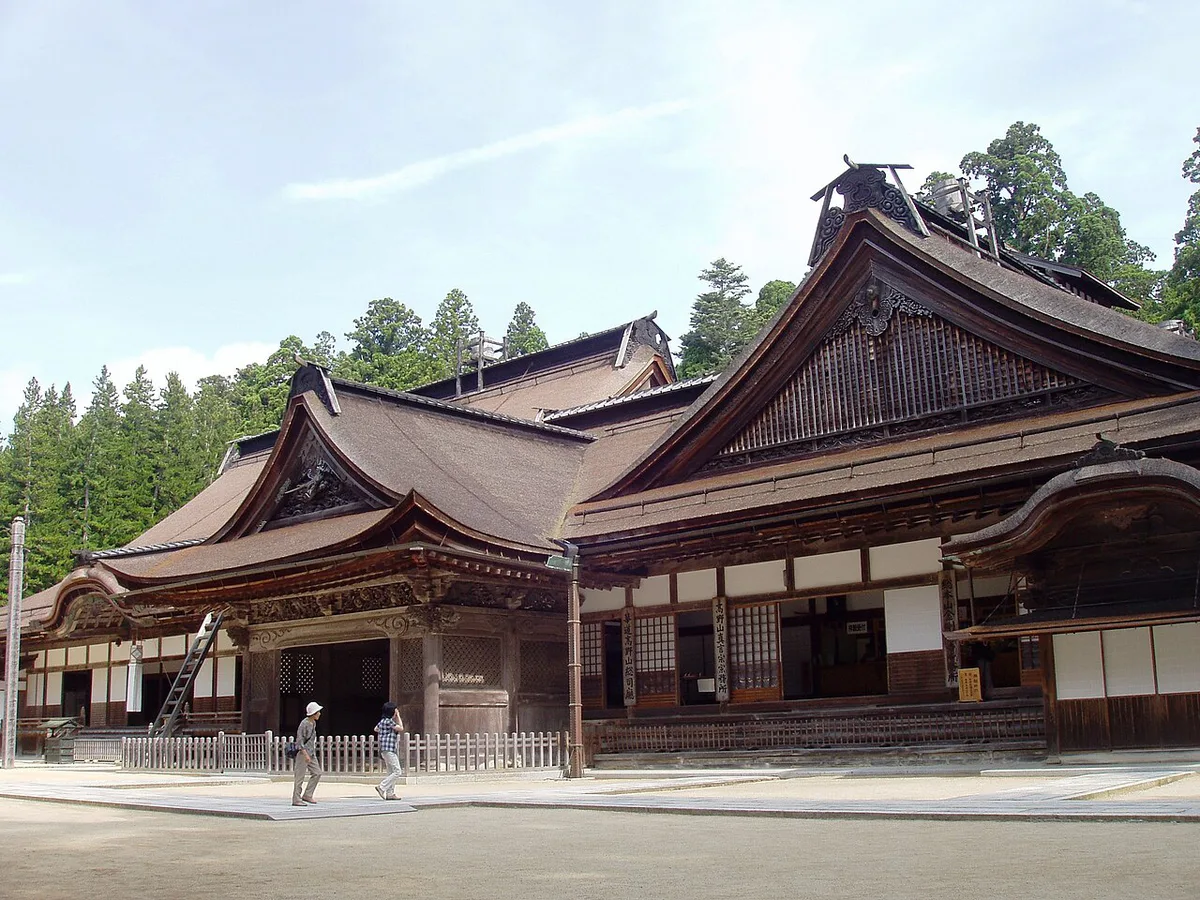
Shojin Ryori: The Zen Lunch Experience
Shojin ryori is the traditional Buddhist vegetarian cuisine that shaped Koyasan's food identity. Full sit-down service uses tofu, seasonal vegetables, and grains, without meat, fish, garlic, or onion, and it is normally served as a multi-course set. Goma-dofu, the sesame tofu also sold as a snack around town, typically appears as one of the early courses. Public restaurants such as Chuo Shokudo serve a vegetarian set built on tofu and seasonal vegetables at lunch, following the same principles as a temple dinner. Some restaurants named in older guides, such as Bon On Shaba, change hours or close without notice. Confirm current status at the tourist information center near the Reihokan Museum before building lunch plans around one address. Expect to pay roughly ¥2,000 to ¥4,000 for a sit-down shojin ryori lunch, and budget 60 to 90 minutes for a full multi-course meal. Reservations are not always required for lunch service, but calling ahead during peak season reduces the risk of a wait. That trade-off, more time and higher cost against a genuine Koyasan specialty, is worth weighing against a faster canteen lunch if the afternoon schedule is tight. For the full rundown of dishes and etiquette, see the vegetarian food guide and the shojin ryori dining guide.
Casual and Quick: Canteens and Noodle Shops Near Senjuinbashi
Day-trippers on a tighter schedule can skip the multi-course sit-down and still eat well. Nankai Shokudo, a family canteen near the Senjuinbashi crossroads, displays plastic food models in its window and serves tonkatsu curry, oyako-don, and udon. A standard lunch there runs about ¥1,500, and service is fast enough to fit between Okunoin and Danjo Garan. Additional udon and soba shops cluster near Eko-in temple and the Senjuinbashi bus stop, useful if Nankai Shokudo has a line. Both the canteen and the noodle shop cluster sit within a few minutes' walk of the Senjuinbashi bus stop, so backtracking costs little time. These canteens work well for travelers trying to fit both Okunoin and Danjo Garan into a single day, since a sit-down shojin ryori course can take up a third of the afternoon. For a broader list of sit-down options across price points, check the 8 Best Restaurants in Koyasan: Shojin Ryori, Soba, and Cafes (2026) roundup.
A shojin ryori set requires 60–90 minutes and consumes roughly a third of the 1:00–3:30 PM sightseeing window; faster canteen lunch (¥1,500) preserves more temple time.
Local Specialties and Walking Snacks
Two ingredients define Koyasan's food identity: Goma-dofu, or sesame tofu, and Koya-dofu, a freeze-dried tofu with a firmer, spongier texture. Koya-dofu appears often as a simmered dish inside a shojin ryori course, with a texture closer to a firm sponge than standard tofu. Specialty shops such as Hamadaya and Kadohama Goma-dofu sell chilled sesame tofu to eat on the spot or take home, and both sit along the main street between Senjuinbashi and Okunoin. Yaki-mochi, a grilled rice cake snack, is sold from stalls along the same street and works well as a walking snack between temples. For the ingredient history and where each specialty is made, see the Koya-dofu and Goma-dofu guide. Before catching the Nankai Line back to Osaka or Kyoto, pick up Koya-kun character sweets or packaged Goma-dofu as an edible souvenir. Shops near Koyasan Station selling these souvenirs typically stay open until the last cable car departure, later than most restaurants. The Koyasan food souvenirs guide covers packaging and shelf life for the trip home.
Autumn Waitlists and Backup Plans
Timing gets tighter during autumn foliage season in October and November, when Koyasan draws its heaviest day-trip traffic. Popular lunch spots, especially the smaller shojin ryori restaurants, can develop long waitlists around the standard 11:30 AM to 1:00 PM window. Weekend dates within this window see the heaviest crowds, since domestic travelers add to the international day-trip traffic. Arriving right at opening, or shifting lunch slightly earlier or later than peak hours, cuts down on waiting time. Booking is not usually possible at these casual counters, so arriving early remains the most reliable way to skip a wait. A bento from a konbini such as Yamazaki Shop is a reliable backup if a wait would eat into sightseeing time. Keeping a snack on hand also protects the afternoon schedule if Danjo Garan or Kongobuji takes longer than planned.
The Dinner Warning: Eating After 5 PM in Koyasan
Plan the main meal for lunch, not dinner, unless an overnight stay is booked. Nearly all public restaurants close by 4:00 PM or 5:00 PM, and dinner service for non-residents is extremely limited after that. Overnight guests get dinner included as part of their shukubo booking. The Koyasan Shukubo Association lists dinner as bundled into temple lodging, not sold separately to day visitors. Anyone staying past 6:00 PM without a temple reservation should expect to go hungry unless they carry a backup meal. Vending machines near the bus terminal sell drinks and light snacks but not full meals, so they are not a substitute for dinner. A bento from a konbini such as Yamazaki Shop covers that gap and is worth buying before mid-afternoon closing times set in. Travelers weighing an overnight stay instead of a rushed dinner search can compare the trade-offs in the Koyasan temple stay guide.
With most restaurants closing by 4:00 PM or 5:00 PM and the return window limited to 4:00–4:30 PM, any delay in leaving the mountain guarantees no dinner access for the evening.
Transport and Budget Tips for Meal Timing
Meal planning starts with the trip up the mountain. The Nankai Koyasan World Heritage Pass covers round-trip rail travel from Osaka's Namba or Shin-Imamiya stations. It also includes the cable car between Gokurakubashi and Koyasan Station and unlimited town buses, and stays valid for two consecutive days. The pass also includes discounted admission at selected attractions, adding value beyond the transport savings alone. One-way rail fare between Namba and Gokurakubashi has been quoted at around ¥930 by recent travelers, though fares and schedules should be confirmed before booking. For train timing that keeps lunch on schedule, see the Koyasan from Osaka guide and the Koyasan from Kyoto guide. Budget ¥1,500 for a standard canteen lunch, and ¥2,000 to ¥4,000 for a sit-down shojin ryori meal if time allows. Building the trip around the last bus and cable car connection matters more than squeezing in one more temple. A missed connection turns a tight dinner window into no dinner at all.
Frequently Asked Questions
What time should you eat lunch in Koyasan on a day trip?
Aim for 11:30 AM to 1:00 PM. Most restaurants close by 4:00 PM or 5:00 PM, so eating earlier avoids both crowds and closed doors. Arriving right at the start of that window also helps during busy season.
Can you get dinner in Koyasan without staying overnight?
Rarely. Dinner service for non-residents is extremely limited after 5:00 PM. Overnight guests get dinner as part of their shukubo booking, but day-trippers should eat their main meal at lunch. Carrying a konbini bento covers the rare case of a delayed departure.
Where can you find shojin ryori for lunch as a day-tripper?
Public restaurants such as Chuo Shokudo serve vegetarian set meals built on tofu and seasonal vegetables. Expect to pay ¥2,000 to ¥4,000 and budget 60 to 90 minutes for a full sit-down course. Confirm hours before visiting, since smaller restaurants can change schedules with little notice.
What is the best quick lunch option near Okunoin?
Nankai Shokudo, near the Senjuinbashi crossroads, serves tonkatsu curry, oyako-don, and udon for about ¥1,500. Udon and soba shops near Eko-in temple and the Senjuinbashi bus stop are also fast options between sightseeing stops. Both work well when only 30 to 40 minutes are available for lunch.
What should you do if popular restaurants have long waits during autumn foliage season?
Have a backup plan during October and November, when popular lunch spots can develop long waitlists. Grab a bento from a konbini such as Yamazaki Shop instead of losing sightseeing time in a queue. Shifting lunch slightly earlier than 11:30 AM also helps beat the rush.
Does the Nankai Koyasan World Heritage Pass cover food or just transport?
The pass covers transport only: round-trip rail from Osaka's Namba or Shin-Imamiya stations, the cable car, and town buses, valid for two consecutive days. Meals are paid separately at each restaurant or shop, so budget for food on top of the pass price.
Are there vegan options in Koyasan beyond shojin ryori restaurants?
Yes. Goma-dofu and plain udon or soba, checked without a meat-based broth, are easy to find at casual canteens, and specialty shops sell packaged Goma-dofu to take home. For a fuller list of vegan-friendly stops, see the vegan and vegetarian food guide.
Free: The Mount Kōya Essentials guide
Top things to do, where to stay, a perfect day plan, getting around, and the best time to go — a Mount Kōya mini-guide you can take offline.
You might also like


Continue reading
More guides you'll find useful


