

Koyasan Food Souvenirs: What to Buy and Where to Find Them
A guide to koyasan food souvenirs: goma-dofu, yakimochi, sasamaki anpu, and darani-suke, plus where to shop and what actually survives the trip home.
On this page
Last updated July 2026, this guide covers the koyasan food souvenirs worth carrying home from Mount Koya's temple town. Shops along Senjuinbashi-dori and near Ichinohashi sell packaged goma-dofu, dried koya-dofu, sesame sweets, matcha confections, and pickled mountain vegetables side by side. Some of these keep for weeks; others spoil within a day, so timing the purchase matters as much as picking the right shop.
The Best Koyasan Food Souvenirs to Bring Home
Koyasan's temple town concentrates three souvenir categories worth prioritizing: goma-dofu, yakimochi, and sasamaki anpu. Each ties back to Kobo Daishi, the monk who founded this Shingon Buddhist community on the mountain more than a thousand years ago. Long-established shops line the approach road through the temple town, selling these alongside newer items like matcha confections and pickled mountain vegetables. Deciding what to buy first often comes down to how many days remain before heading home, since several of these items have a real shelf-life clock running. For the wider dining picture beyond souvenirs, Koyasan's food scene covers restaurants and shojin-ryori dining in full.
- Goma-dofu — sesame tofu, sold fresh (eat within a day) or vacuum-sealed (keeps for weeks)
- Yakimochi — grilled rice cakes in white or mugwort flavors, from Jōkishiya
- Sasamaki Anpu — bamboo-leaf-wrapped wheat gluten sweets, from Fuzan
Goma-Dofu: Koyasan's Signature Sesame Tofu
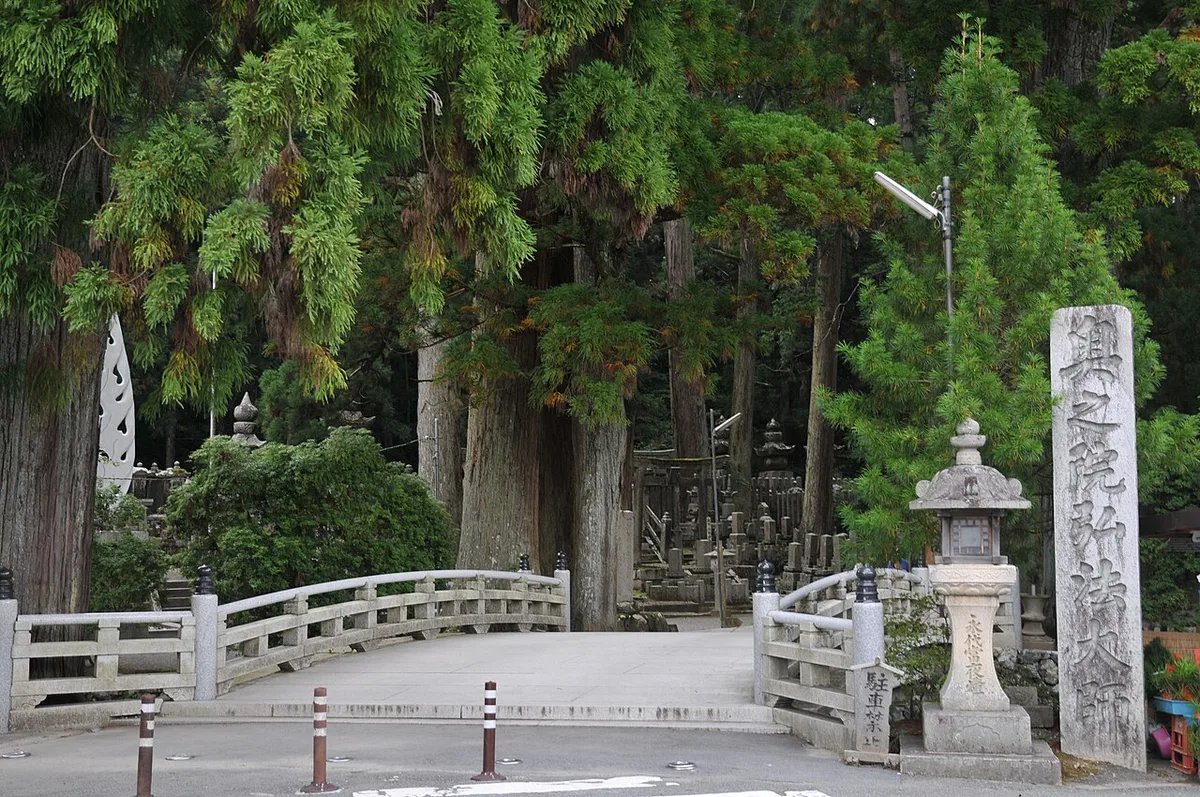
Kadohama Goma Tofu Sohonpo, at 262 Koyasan in the temple town center, is the shop most sources point to for sesame tofu. It offers goma-dofu twice daily, morning and evening, as a shojin offering to Kobo Daishi. Sesame tofu here is made from selected sesame, Yoshino kudzu starch, and spring water from the base of the mountain. The shop also serves Gosai, a kaiseki-style set built around goma tofu, for a sit-down option beyond the takeaway packages. Two versions sit on the shelf. Nama Gomadofu, the fresh version, has a denser, richer texture, but it lasts only about one day. A vacuum-sealed version keeps far longer and travels better in a suitcase. Buy fresh only if eating within hours, and pick the sealed version for anything going home. Goma-dofu is also liquid-dense and heavier than it looks, so carrying several packs through Okunoin's cemetery walk adds real weight. A single pack fits easily into a daypack, but three or four bought as gifts add up fast. Purchasing it last, near the cable car station, avoids carrying that weight around all day. The koya-dofu and goma-dofu guide covers how sesame and kudzu starch become tofu in more depth. For those who want to taste it prepared in a restaurant setting, Koyasan's vegetarian restaurants serve goma-dofu as part of full shojin-ryori sets.
Yakimochi: Grilled Rice Cakes from Jōkishiya
Jōkishiya has made yakimochi at the western foot of Mount Koya for more than 300 years. Its shop sits in Hanasaka, off the main railway route, which makes it a natural stop for travelers arriving by car rather than by cable car. Two flavors are sold: plain white rice cake and mugwort rice cake, both wrapped around sweet bean paste and grilled. Fresh, warm yakimochi is best eaten at the storefront the same day it's bought. Frozen versions keep for about a month, making them the better choice for checked luggage or a flight home.
Sasamaki Anpu: Bamboo-Leaf-Wrapped Sweets from Fuzan
Fuzan makes the other classic sweet, Sasamaki Anpu, from raw wheat gluten kneaded with mugwort and filled with sweet bean paste. Each piece is wrapped in kuma bamboo leaf, harvested between June and August, which perfumes the gluten as it sits. Fuzan runs two shops on Mount Koya, both near Nankai Rinkan bus stops, making it an easy add to a walking route. Refrigerated, Sasamaki Anpu typically keeps for two to three days, so treat it as a near-term gift rather than a pantry souvenir. It also appears on the tea tray during an overnight temple stay. Tasting it at a shukubo first helps decide whether a full box is worth carrying home.
Shojin-Ryori Staples to Pack for Home
Koyasan's vegetarian cooking developed under strict precepts that Kukai set when he founded the community, and it excludes meat, fish, and pungent vegetables like garlic, onion, and chives. According to the Koyasan Shukubo Association, the cuisine follows a five-method, five-taste, five-color framework that shapes how dishes look as much as how they taste. Koya-dofu, freeze-dried tofu, began as a practical solution to the mountain's cold winters and this strict monastic diet, and it is what first made Koyasan's name known across the country. Packaged blocks rehydrate in hot water or broth, so they travel well and store at room temperature. Sansai, wild mountain vegetables gathered locally, appear dried or pickled in the same shops, mirroring what's served in shojin-ryori sets. Dried shiitake and kelp round out the pantry list, forming the base of the vegetable dashi that anchors Buddhist cooking here. Many of these same ingredients appear on the tray served during a shukubo overnight, so the pantry souvenirs essentially let that meal continue after checkout. The shojin-ryori guide explains this five-method framework behind these dishes in more detail. Tasting them cooked first, at Koyasan's best restaurants, makes it easier to judge which dried ingredients are worth carrying home.
Darani-Suke and Other Buddhist Goods
Darani-suke is a bitter herbal digestive preparation, not a sweet, despite sitting on the same shelves as the confections. Its recipe blends ōbaku (Amur cork tree bark), ryūtan (gentian), and aoki. The method has reportedly been passed down largely unchanged since Kobo Daishi founded Koyasan roughly 1,200 years ago. Daishi Darani Pharmaceutical, at 258 Koyasan, makes the version most commonly cited by regional guides. Use it as medicine for an upset stomach, not a snack for kids. Juzushi, a long-running gift shop in the temple town, stocks Buddhist prayer beads known as mala or juzu. Materials range from plain wood to pearl and semi-precious stone, and prices climb accordingly with the material. The shop also offers lodging, which is unusual among souvenir sellers here. Prayer beads and incense sit alongside the edible items in many of these shops, so it's worth a stop even for travelers who came only for the food. Both Darani-suke and Juzushi's prayer beads count as spiritual purchases rather than food, so it helps to budget a few extra minutes for browsing both categories in the same shop run.
Dating to 1,200 years ago, Darani-suke is a bitter digestive remedy, not a sweet. Though souvenir shops shelve it near confections, it's a mistake to buy it as candy for children.
Where to Shop: Senjuinbashi-Dori, Ichinohashi, and the Foot of the Mountain
Central Koyasan concentrates most food shops along Senjuinbashi-dori and near Ichinohashi, the main pedestrian stretch through the temple town. Many close in the mid-to-late afternoon to accommodate shukubo check-in times, so treat late afternoon as a hard deadline rather than a guideline. Some visitors reach this street after traveling from Osaka. Others arrive after traveling from Kyoto. Both routes lead to the same cable car, which climbs from the valley to the temple town. Travelers driving through the valley below have a second option. Kaki no Sato Kudoyama, a roadside station in Kudoyama Town, sits at the foot of the mountain. It sells persimmons and other fresh produce tied to the area's Sanada-clan history. A bakery cafe and a World Heritage information center round out the stop. The Yatchon Hiroba farmers market nearby sells local produce direct from the field, often at lower prices than the temple-town shops. Selling straight from the field cuts out the usual distribution markup, which is part of why prices here tend to run below the temple-town shops. Neither stop replaces the temple-town shopping, but both suit anyone with a car and a tight 8-Step Koyasan Itinerary: The Ultimate 2-Day Temple Stay Guide that skips the cable car entirely.
Fresh goma-dofu keeps About 1 day, so purchase it near the end of a Senjuinbashi-dori shopping walk; most shops close by mid-afternoon for shukubo check-in anyway.
Seasonal Extras If You're Passing Through the Valley
Koyasan itself sits above the fruit-growing areas, so some of the region's best-known edible souvenirs come from the valley rather than the temple town. Wakayama Prefecture produces more plums than anywhere else in Japan, including the Nanko-ume variety used for pickled plums and plum wine. Harvesting of the green plums begins around early June, after the blossoms fall in late winter. Persimmons follow later in the year and are the signature product at Kaki no Sato Kudoyama. Neither fruit is sold inside the temple town itself, so anyone driving up from the valley should plan a stop before or after visiting Koyasan, rather than treating it as an afterthought on the way to the train.
Portability vs. Authenticity at a Glance
Shelf life and refrigeration needs matter as much as flavor when deciding what to buy on day one versus day three of a trip. Weight matters too, especially for anything carried on foot through the temple town. This table lines up the main items by how well each one travels.
| Item | Shelf Life | Refrigeration | Best For |
|---|---|---|---|
| Nama Gomadofu (fresh sesame tofu) | About 1 day | Required | Eating the same day |
| Vacuum-sealed goma-dofu | Several weeks unopened | Not until opened | Gifts, take-home |
| Yakimochi (fresh-grilled) | Same day | Not needed | Eating at the shop |
| Yakimochi (frozen) | About 1 month | Freezer | Long-distance travel, flights |
| Sasamaki Anpu | About 2-3 days | Required | Near-term gifts |
| Koya-dofu (dried) | Long, room temperature | Not needed | Packing for home |
| Darani-suke | Long, room temperature | Not needed | Travel medicine kit, gifts |
Common Koyasan Food Souvenir Mistakes
A few timing and packing mistakes cause most souvenir regrets.
- Buying Nama Gomadofu on day one of a multi-day trip — it won't survive to the airport.
- Assuming shops stay open into the evening — many close by mid-to-late afternoon for shukubo check-in.
- Choosing fresh yakimochi over the frozen version when flying home the same week.
- Skipping the roadside stations in the valley if driving through Kudoyama during persimmon season.
- Buying Darani-suke as a snack for children — it's a bitter digestive herb, not a candy.
- Loading a backpack with several goma-dofu packs before the Okunoin walk instead of buying it last.
Frequently Asked Questions
What's the single best food souvenir to bring back from Koyasan?
In our editorial assessment, goma-dofu is the top pick. It's unique to the area's Buddhist cuisine and comes in a vacuum-sealed version built for travel. Yakimochi and Sasamaki Anpu are close seconds if a sweeter option fits better.
Can fresh goma-dofu survive the trip home?
Fresh Nama Gomadofu lasts only about one day, so it's better treated as something to eat in Koyasan rather than pack for later. Choose the vacuum-sealed version instead if the goal is bringing sesame tofu home intact.
Is Darani-suke actually edible?
It's an herbal digestive preparation, not a sweet, even though souvenir shops shelve it near the confections. Use it as medicine for an upset stomach, not a snack for kids.
How much time should travelers plan for buying food souvenirs in Koyasan?
Most shops sit within easy walking distance of each other along Senjuinbashi-dori and Ichinohashi, so 30 to 60 minutes covers a focused stop. Building this into a wider day trip works well before the mid-afternoon closing time many shops keep.
What should drivers passing through Kudoyama buy instead?
Kaki no Sato Kudoyama, the roadside station in Kudoyama Town, sells fresh persimmons and other produce that doesn't show up in the temple-town shops. It's a practical stop for anyone driving instead of taking the cable car up the mountain.
Do Koyasan food souvenirs need refrigeration during a flight home?
Vacuum-sealed goma-dofu, dried koya-dofu, and Darani-suke all handle room temperature fine in checked luggage. Fresh Nama Gomadofu and same-day yakimochi are the two items that genuinely need a fridge or a very short timeline.
Free: The Mount Kōya Essentials guide
Top things to do, where to stay, a perfect day plan, getting around, and the best time to go — a Mount Kōya mini-guide you can take offline.
You might also like


Continue reading
More guides you'll find useful


