Hiroshima is two cities folded into one: a global symbol of peace built on the rebuilt grid of the August 6, 1945 hypocenter, and the laid-back coastal capital of western Honshu — gateway to the floating torii of Miyajima, the rotary engines of Mazda, and a noodle-stuffed pancake the rest of Japan still tries to copy. For 2026 the city is in a strong moment for visitors: the post-G7 summit infrastructure upgrades are bedded in, the new tram-LRT extensions cut travel time between Peace Memorial Park and the JR station to under 15 minutes, and the weak yen continues to push ticket prices into bargain territory.
The volume of options can overwhelm a first-time visitor, so we've narrowed the field to 10 attractions that consistently reward the time and ticket price — a deliberate mix of free districts and memorials (Peace Memorial Park, Atomic Bomb Dome, Mitaki-dera) and paid headline sights (Peace Memorial Museum, Itsukushima Shrine, Hiroshima Castle, Orizuru Tower). Each card below links to a full visitor guide with verified 2026 opening hours, current pricing in yen, and the practical tips — fastest queue, best emotional pacing, what to skip — that don't make it into the official site's FAQ. The sections beneath the grid then show you how to thread these 10 sights into 1-day, 2-day or 3-day itineraries, when to slot in the Miyajima day-trip, what a Visit Hiroshima Tourist Pass actually saves you, and how to get between everything on the city's tram network. Bookmark this page as your starting point.
Top 10 attractions in Hiroshima
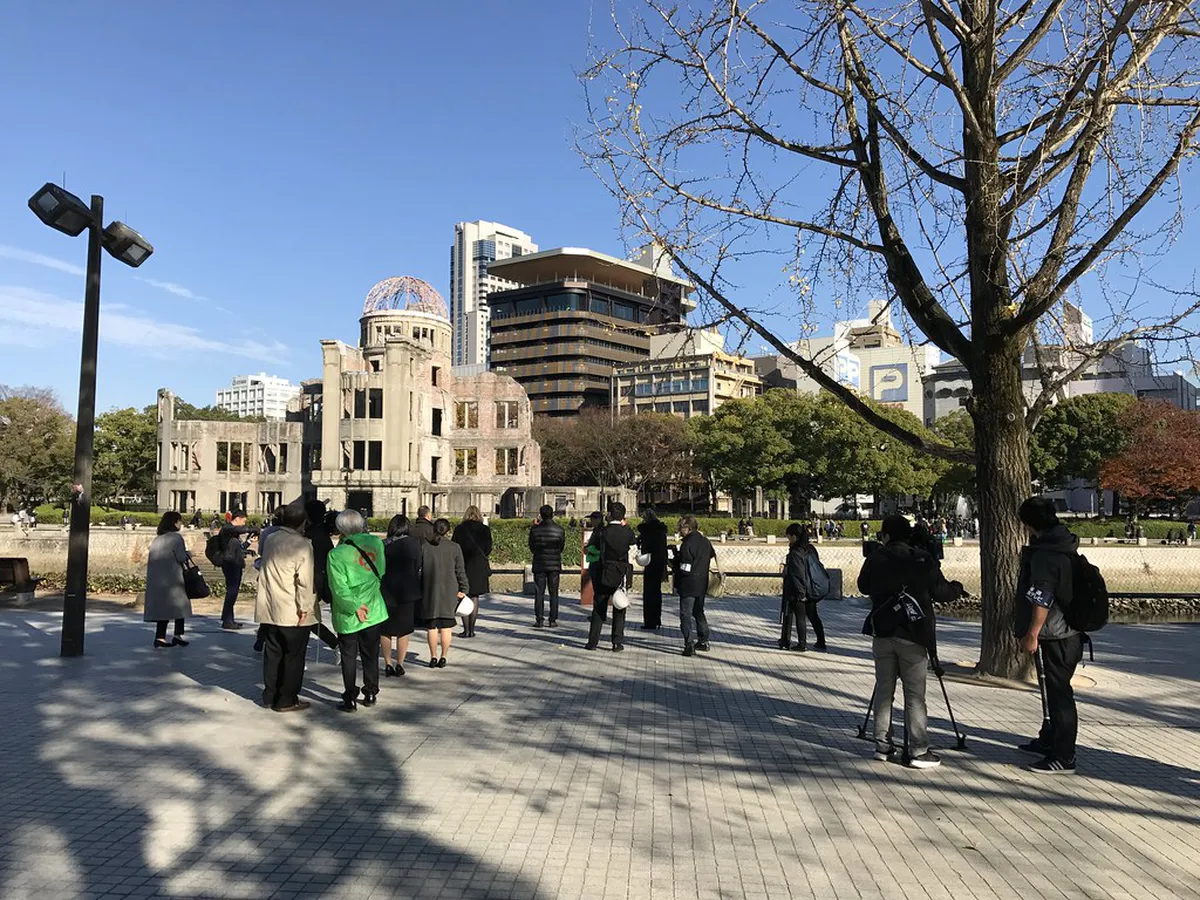
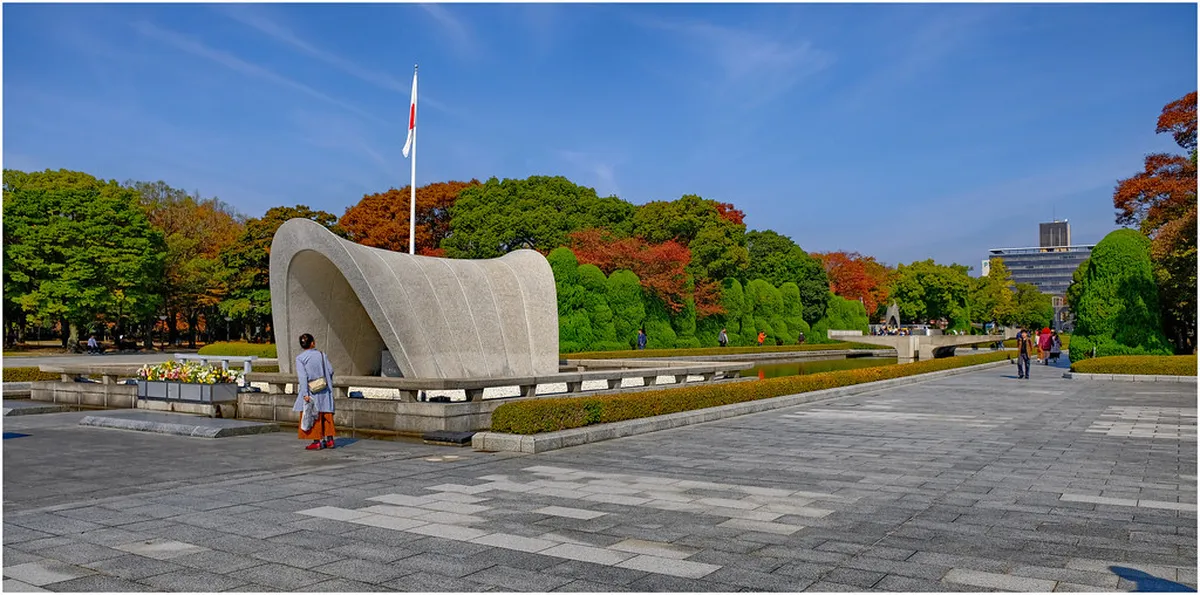
Hiroshima Peace Memorial Park
Hiroshima Peace Memorial Park is a 12-hectare memorial park in central Hiroshima dedicated to the victims of the 1945 atomic bombing, featuring the A-Bomb Dome, the Children's Peace Monument, the Cenotaph, and the Peace Memorial Museum.
Visitor guide →
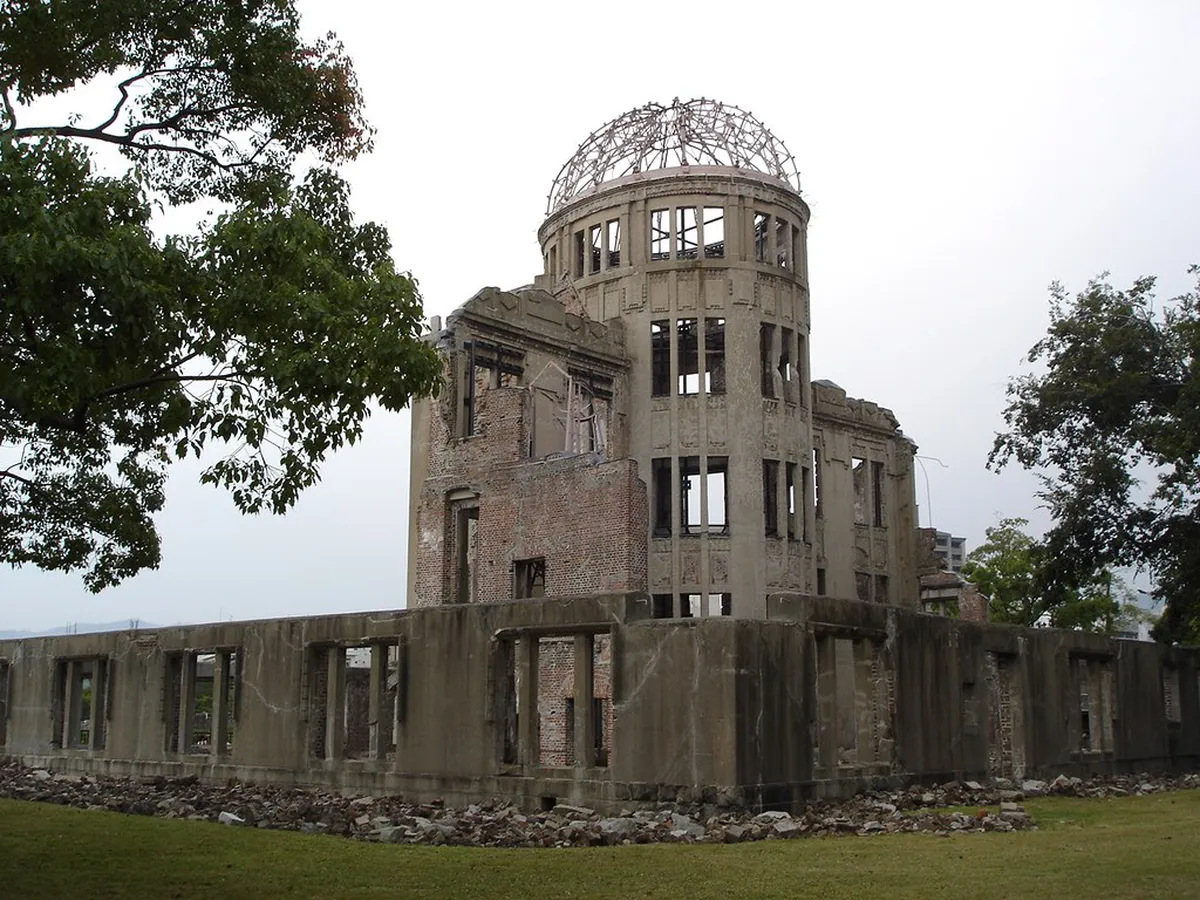
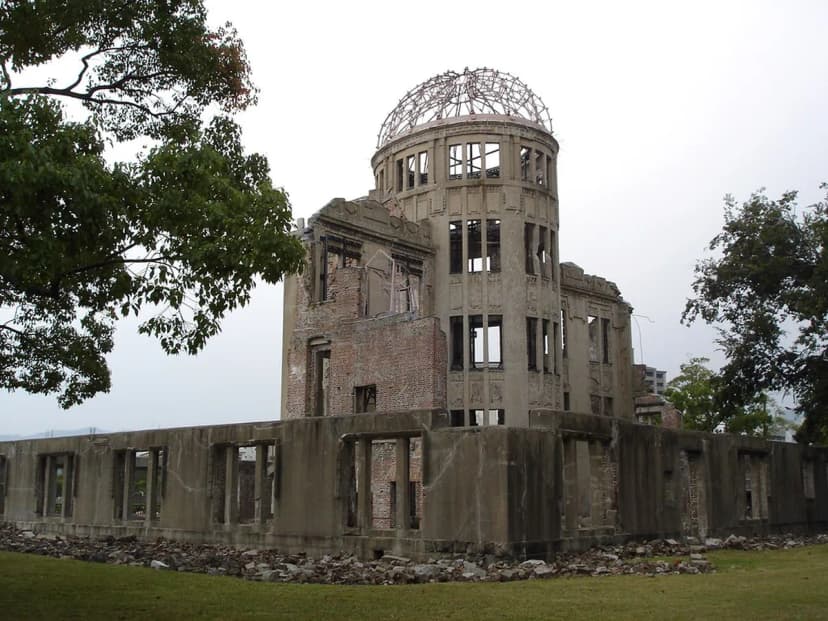
Atomic Bomb Dome (Genbaku Dome)
The Atomic Bomb Dome, formerly the Hiroshima Prefectural Industrial Promotion Hall, is the skeletal ruin standing closest to the hypocenter of the August 6, 1945 atomic bombing. It was inscribed as a UNESCO World Heritage Site in 1996.
Visitor guide →
Hiroshima Peace Memorial Museum
The Hiroshima Peace Memorial Museum, opened in 1955 inside Peace Memorial Park, documents the atomic bombing of Hiroshima through victim belongings, photographs, and testimony, drawing more than a million visitors annually.
Visitor guide →
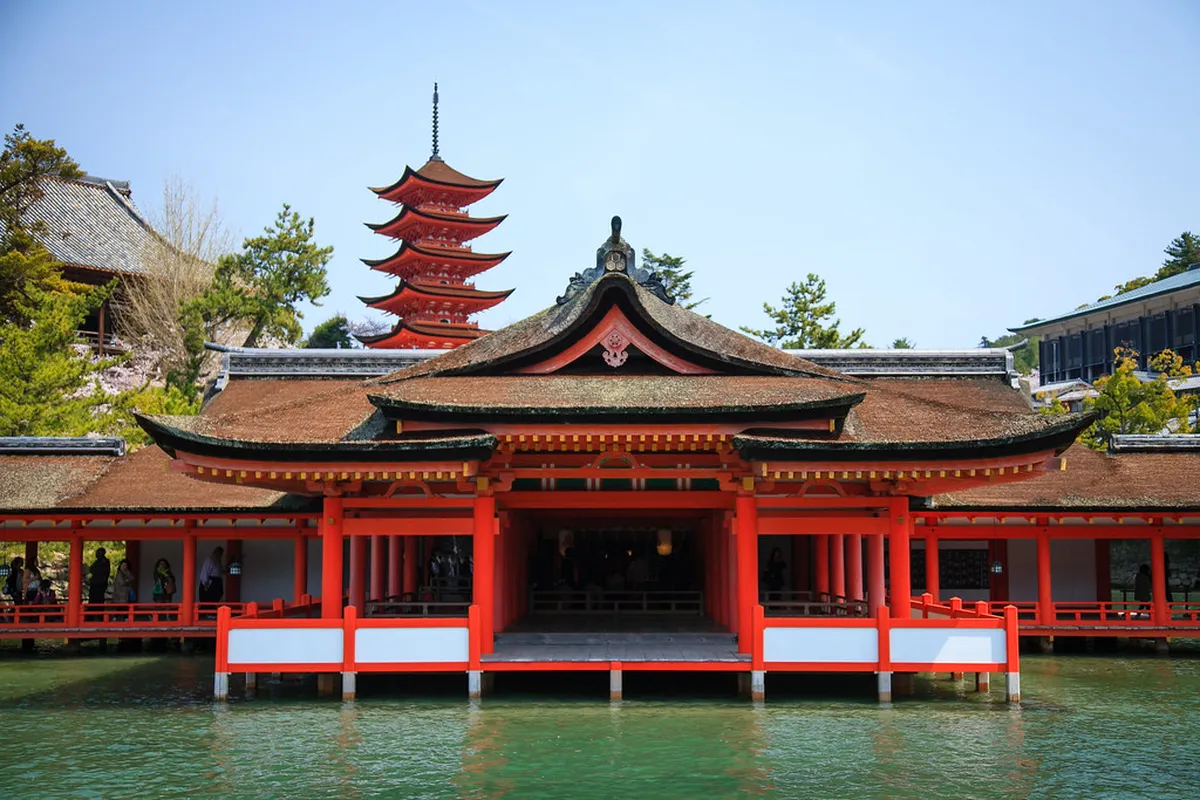
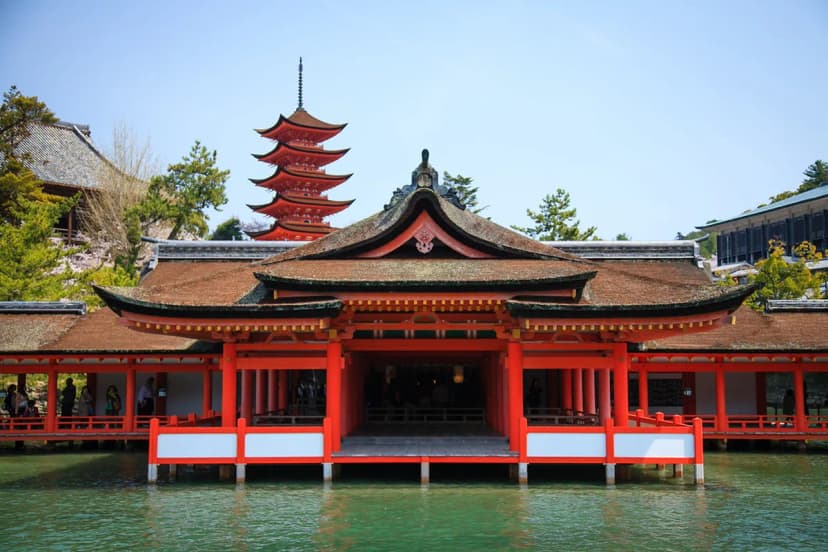
Itsukushima Shrine (Miyajima)
Itsukushima Shrine is a UNESCO-listed Shinto shrine built over the sea on Miyajima island in Hatsukaichi, Hiroshima Prefecture, famous for its vermillion 'floating' torii gate first erected on the site in the 12th century.
Visitor guide →
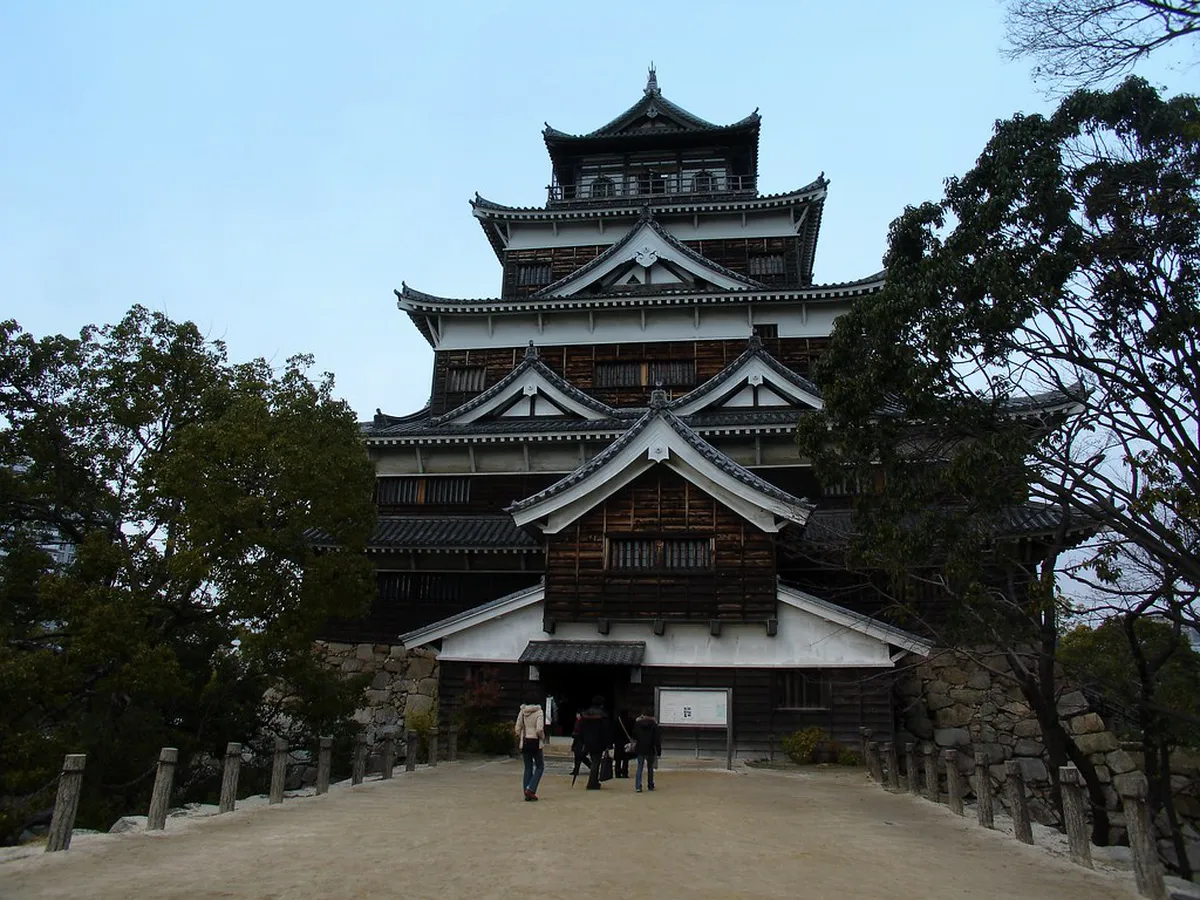
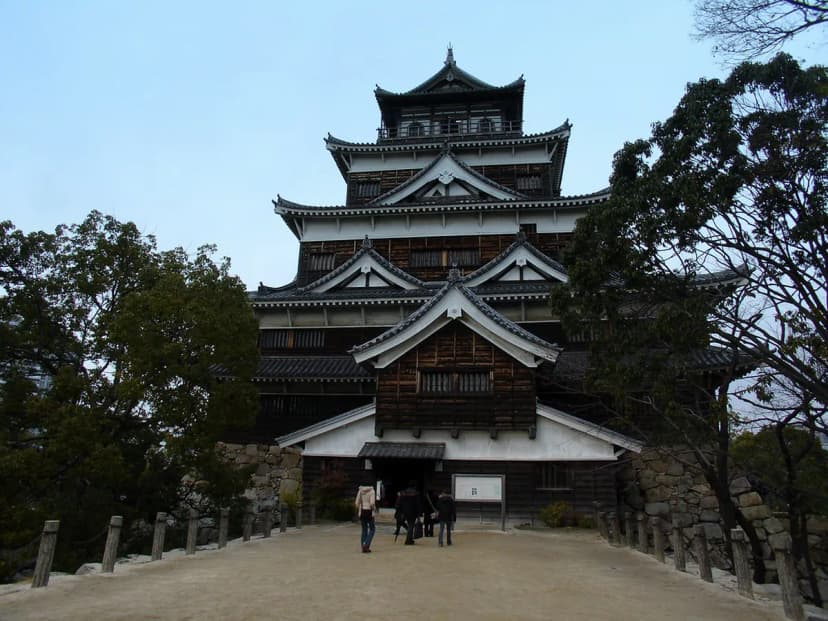
Hiroshima Castle (Rijo)
Hiroshima Castle, nicknamed Carp Castle (Rijo), is a five-story reconstructed castle keep in central Hiroshima housing a museum on the city's samurai era. The original 1599 castle was destroyed by the atomic bomb in 1945 and rebuilt in 1958.
Visitor guide →
Shukkei-en Garden
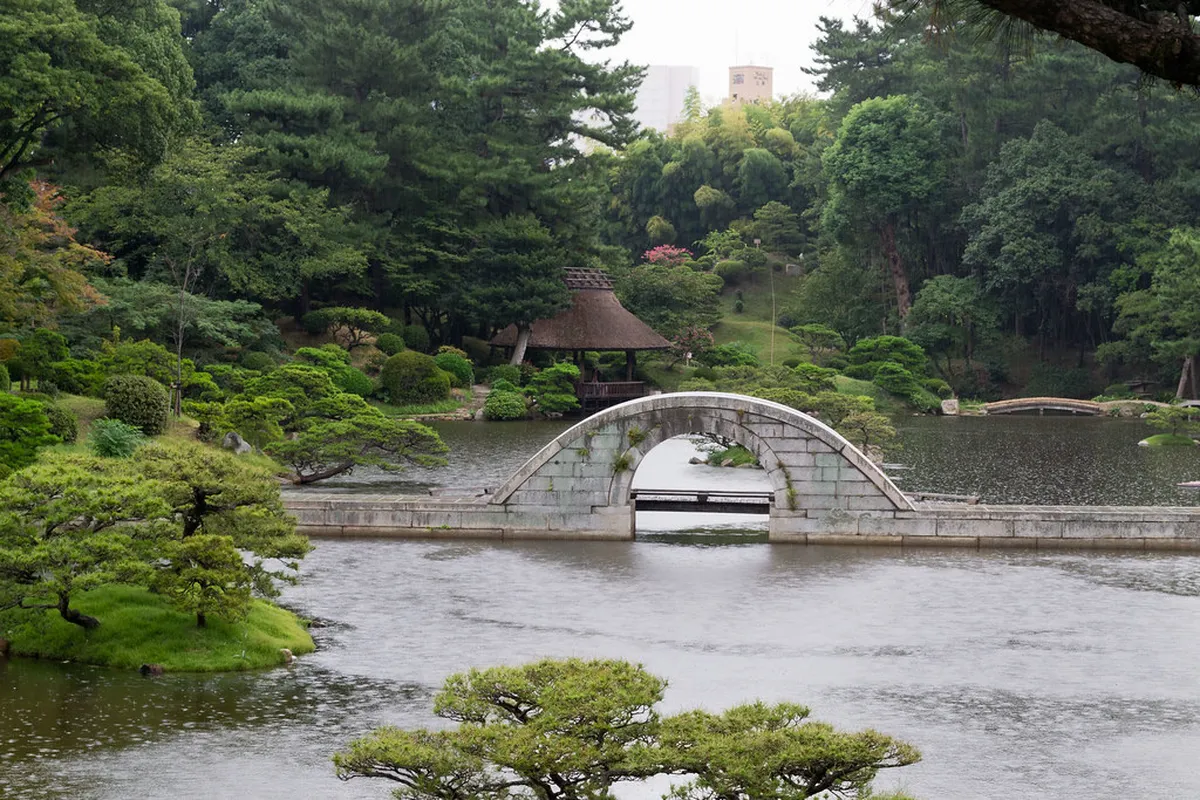
Shukkei-en is a 17th-century Japanese stroll garden in central Hiroshima, laid out around a central pond modeled after the West Lake of Hangzhou, China. It was rebuilt after suffering severe damage in the 1945 atomic bombing.
Visitor guide →
Mitaki-dera Temple
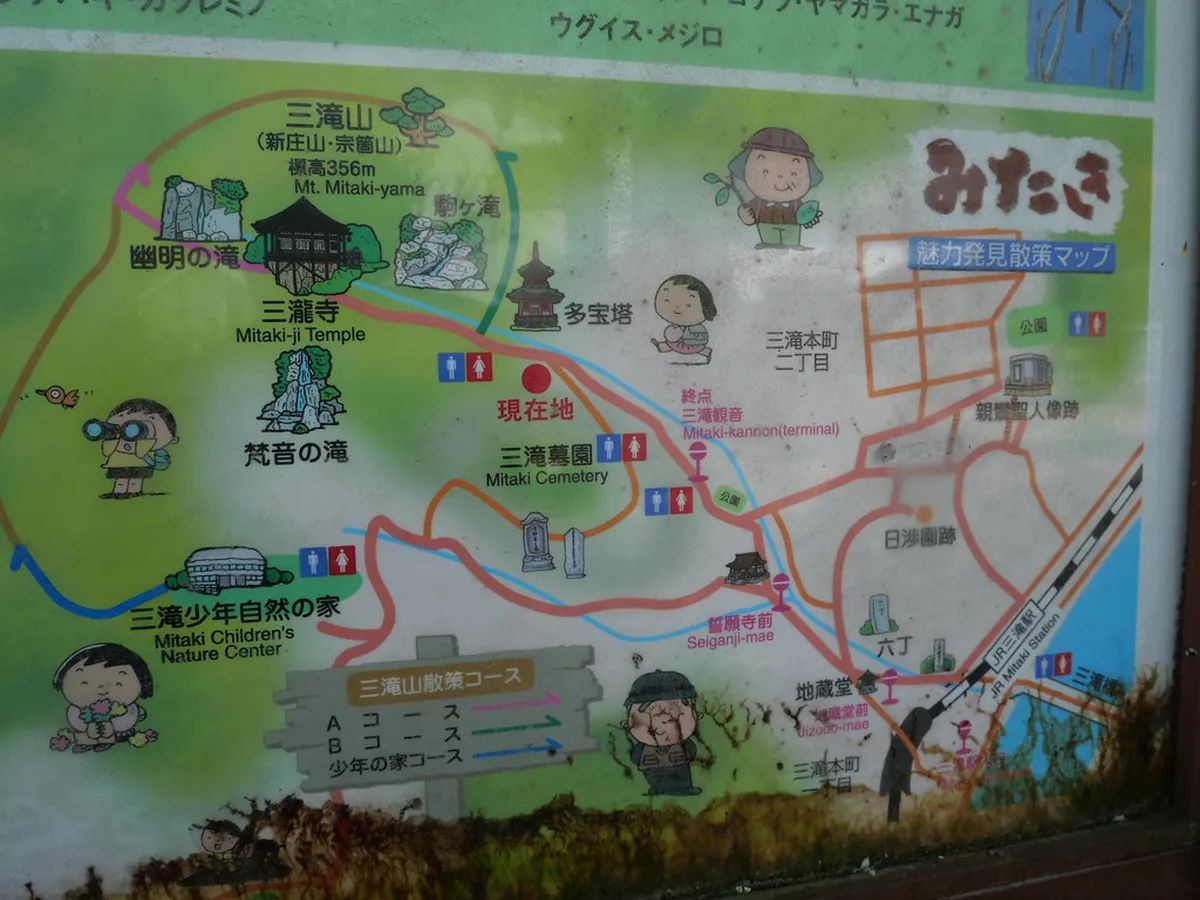
Mitaki-dera is a Shingon Buddhist temple founded in 809 AD on the slopes of Mount Mitaki in western Hiroshima, set among three sacred waterfalls, a vermillion pagoda, and forested walking paths.
Visitor guide →
Hiroshima Orizuru Tower
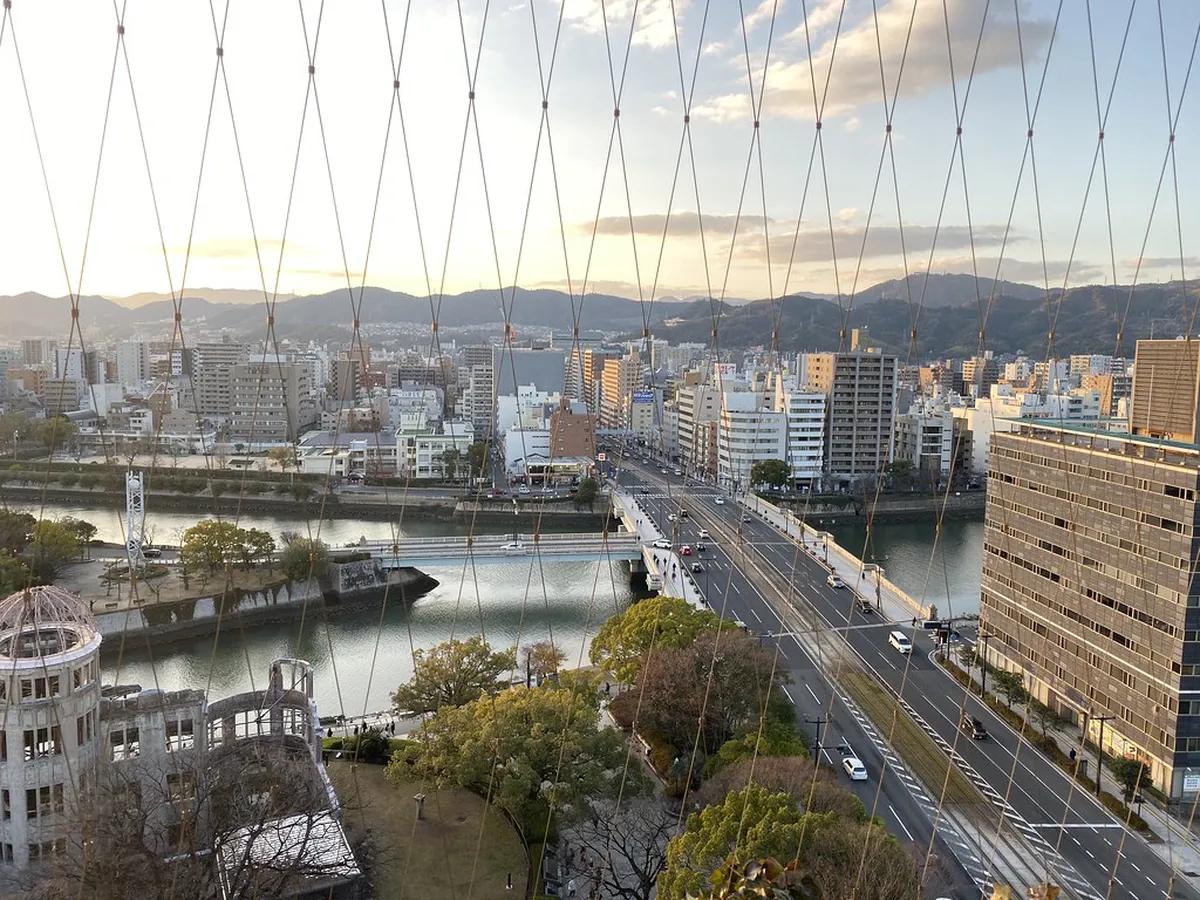
Hiroshima Orizuru Tower is a 13-story observation and exhibition tower opened in 2016 next to the Atomic Bomb Dome, offering the closest aerial view of Peace Memorial Park, a paper-crane installation wall, and a spiral walking ramp.
Visitor guide →
Okonomimura
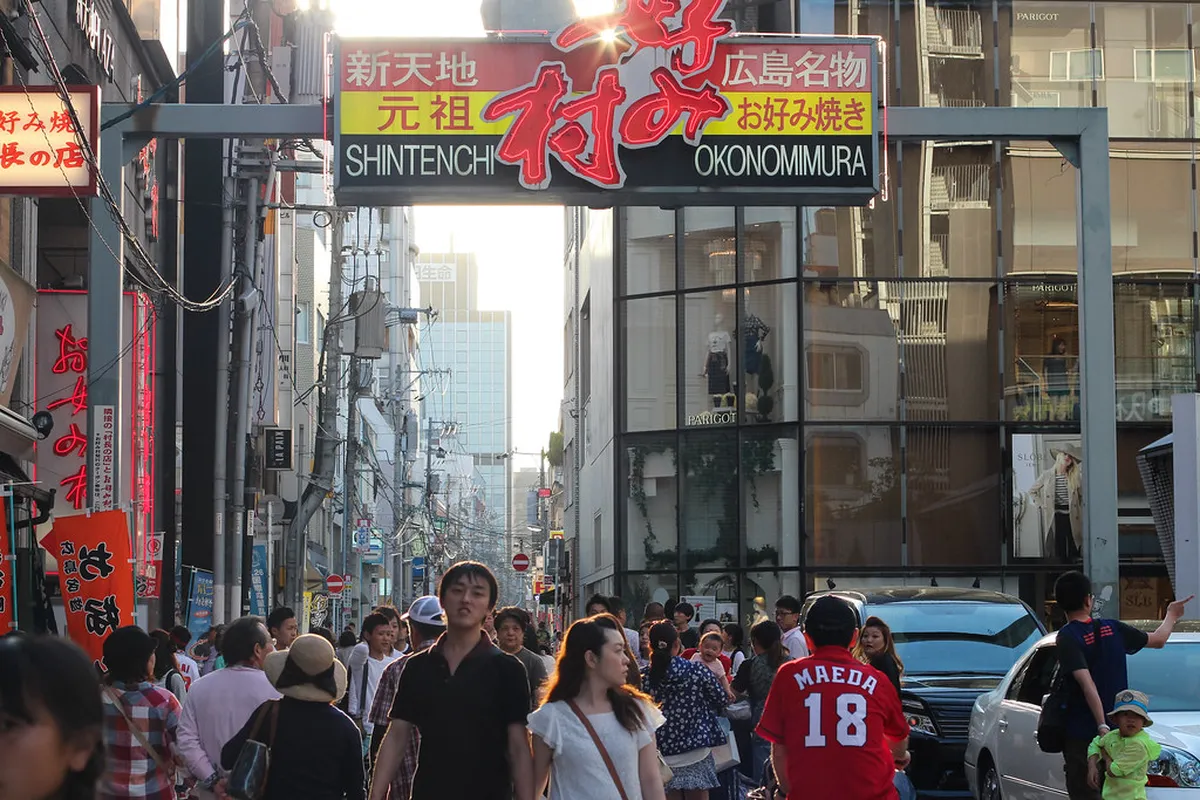
Okonomimura is an okonomiyaki food court in central Hiroshima housing more than 20 individual family-run restaurants stacked across three floors, all specializing in the city's signature layered, noodle-stuffed savory pancake.
Visitor guide →
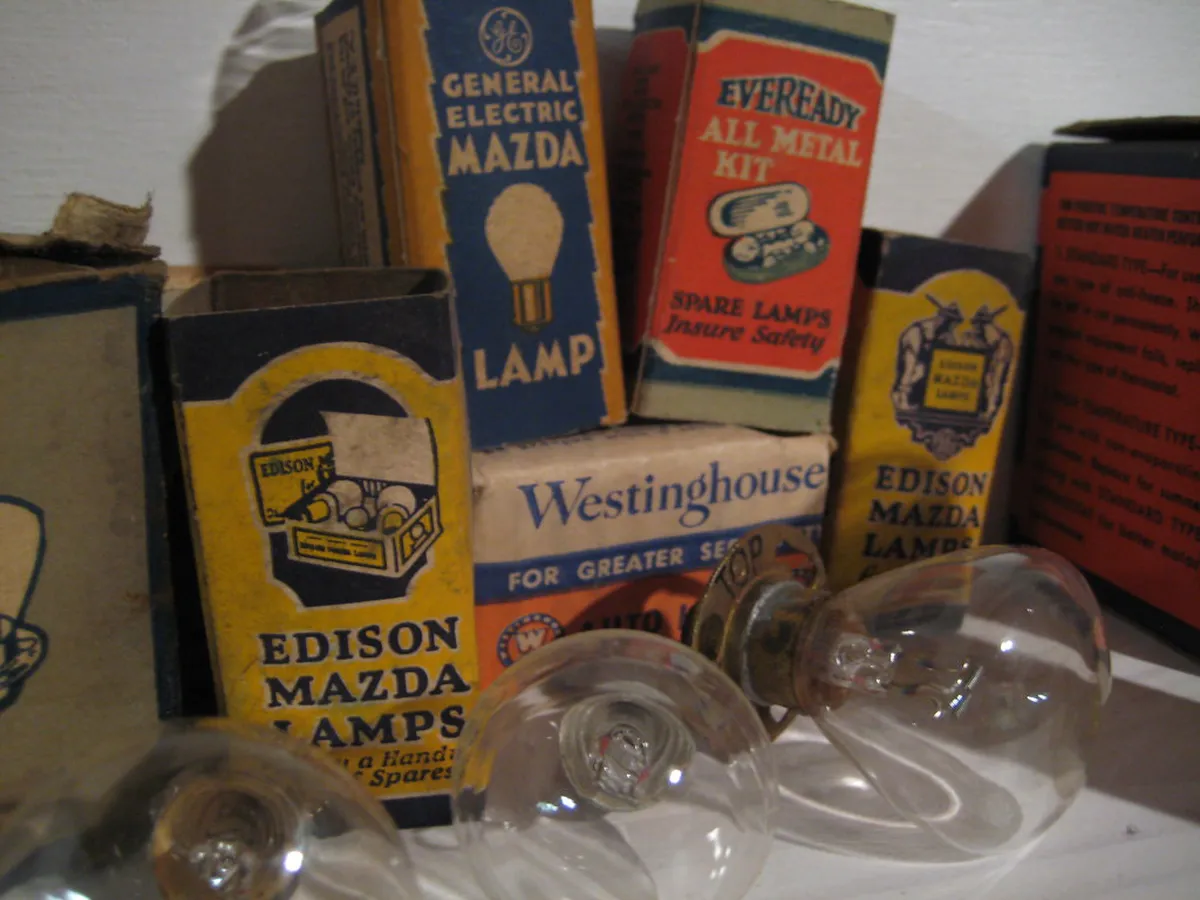
Mazda Museum
The Mazda Museum is a free, reservation-only corporate museum inside Mazda's headquarters in Fuchu, Hiroshima, showcasing the company's history, classic models, the iconic Wankel rotary engine, and a working view of the car-assembly line.
Visitor guide →
Hiroshima attractions by neighborhood
Hiroshima's sights cluster into four walkable areas plus one island day-trip, all stitched together by the city's vintage Hiroden tram network and the JR Sanyo Line. Knowing the geography is the single biggest time-saver — almost every wasted hour on a first trip comes from doubling back between Peace Memorial Park and Miyajima instead of working through them in order.
- Peace Memorial area (Naka ward, central) — Peace Memorial Park, Atomic Bomb Dome, the Peace Memorial Museum, and Orizuru Tower all sit inside a 500-metre walking radius. This is the emotional core of the city; plan a deliberately slow 3-4 hours here, ideally in the morning when light on the Cenotaph is best and the museum has shorter queues.
- Castle & garden area (north central) — Hiroshima Castle and Shukkei-en Garden are 15 minutes apart on foot through Chuo Park. Pair them in one afternoon block (2.5 hours total) — both close earlier than the museums, so save them for after Peace Park rather than the other way around.
- Downtown / Hondori (south central) — Okonomimura sits at the south end of the Hondori covered shopping arcade, a 10-minute walk from Peace Memorial Park. This is the dinner-and-shopping district; the okonomiyaki here is the dish Hiroshima invented.
- Miyajima island (day trip, southwest) — Itsukushima Shrine sits on the sacred island of Miyajima, reached by a 25-minute JR train from Hiroshima Station to Miyajimaguchi then a 10-minute ferry. Allow a full half-day (5-6 hours) including ferry both ways and time on the Mt Misen ropeway.
- Mt Mitaki (northwest) — Mitaki-dera Temple is 10 minutes by JR Kabe Line from Hiroshima Station, then a 15-minute uphill walk through woodland. A 2-hour visit; pairs neatly with a return-evening tram to downtown for okonomiyaki.
- Fuchu / east industrial — the Mazda Museum requires advance online reservation and an English tour slot; the 90-minute visit includes the assembly line and is 25 minutes by JR Sanyo Line from Hiroshima Station to Mukainada.
Hiroshima attractions by category
If you've already locked in a base in Naka ward or near Hiroshima Station, picking by category is the fastest way to fill out the day. Hiroshima rewards a mixed itinerary — pairing the heavy emotional pull of Peace Memorial Park with a lighter castle or garden visit in the afternoon prevents what locals call the "peace park slump".
- Peace & memorial (the cluster that defines Hiroshima) — Peace Memorial Park, Atomic Bomb Dome, and the Peace Memorial Museum. Visit in that order: outdoor monuments first, then the harder museum exhibits last. Together: 3-4 hours.
- Castles & gardens (historical core) — Hiroshima Castle (¥370 museum tower) and Shukkei-en Garden (¥260). These two cover the 17th-century Asano-clan and post-war reconstruction narrative in about 2.5 combined hours and are 15 minutes apart on foot.
- Shrines & temples — Itsukushima Shrine on Miyajima (UNESCO World Heritage, ¥300 main shrine) and Mitaki-dera Temple (free, mountain forest). Miyajima is half-day to full-day; Mitaki-dera is a quiet 2-hour escape from downtown.
- Observation decks & cityscape — Orizuru Tower (50 m, ¥2,200) for the only rooftop view directly overlooking the A-Bomb Dome and Peace Park. Best at sunset; the paper-crane installation wall is worth the ticket alone.
- Food & markets — Okonomimura is the essential stop: 24 stalls across three floors, all serving Hiroshima-style layered, noodle-stuffed okonomiyaki. Come hungry; expect ¥1,000-¥1,400 per pancake.
- Industrial & quirky — the Mazda Museum is the headline corporate museum, free with advance reservation, covering the rotary engine, classic models, and a working assembly line viewing platform.
Free vs paid Hiroshima attractions
One of Hiroshima's underrated strengths is that you can have a profoundly memorable day without spending almost anything on entry tickets. Five of the 10 attractions in this guide cost nothing to enter, and they include the city's most-photographed and most emotionally significant sights.
Free to enter:
- Peace Memorial Park — free 24/7; the entire 12-hectare park including the Cenotaph, Children's Peace Monument, and Flame of Peace is open without an entry fee.
- Atomic Bomb Dome — free to view from the park surroundings (the ruin itself is closed to entry for preservation).
- Mitaki-dera Temple — free temple grounds, free hiking paths, free waterfall viewing.
- Okonomimura — free entry; pay-as-you-eat from individual stalls.
- Mazda Museum — free with advance online reservation (English tours run twice daily).
Paid tickets (2026 verified):
- Hiroshima Peace Memorial Museum: ¥200 (adults), ¥100 (high school), free under 15
- Itsukushima Shrine main hall on Miyajima: ¥300 (adults), plus ¥180 Miyajima visitor tax per entry
- Miyajima JR Ferry: ¥200 one way, ¥400 return
- Hiroshima Castle museum tower: ¥370 (adults), ¥180 (children)
- Shukkei-en Garden: ¥260 (adults), ¥150 (high school), ¥100 (under 15)
- Orizuru Tower observation deck: ¥2,200 (adults), ¥900 (children), ¥1,400 (paper-crane folding add-on)
If you'll visit three or more paid sights and use the tram network heavily, the Visit Hiroshima Tourist Pass (¥1,000 small / ¥1,500 medium / ¥2,500 large area, 1-3 days) covers the Hiroden tram, the Miyajima ferry, and discounts at most paid attractions including the Peace Museum, Hiroshima Castle, and Shukkei-en. The medium pass pays for itself by the second admission plus one Miyajima return ferry. Orizuru Tower and Mazda Museum are not covered.
Suggested Hiroshima itineraries
Hiroshima rewards a slower itinerary than Osaka or Kyoto because Peace Memorial Park itself needs unhurried time — racing through it misses the point. Here is how we'd thread the 10 attractions in this guide across a 1-, 2-, or 3-day trip.
1 day in Hiroshima (city-only, no Miyajima):
- Morning: Peace Memorial Park from 08:30 (Cenotaph, Children's Peace Monument, Flame of Peace) — 90 minutes.
- Late morning: Atomic Bomb Dome exterior, then Peace Memorial Museum — 2 hours.
- Lunch: Okonomimura — Hiroshima-style okonomiyaki — 60 minutes.
- Afternoon: Hiroshima Castle museum tower, then a 15-minute walk to Shukkei-en Garden — 2.5 hours.
- Sunset: Orizuru Tower observation deck for the dusk view over the A-Bomb Dome.
2 days in Hiroshima (recommended baseline): Day 1 as above. Day 2 — full day on Miyajima with Itsukushima Shrine at high tide (check tide tables in advance), Mt Misen ropeway, Daisho-in temple, and an oyster lunch. Take the 09:00 JR Sanyo Line out and return on the last 18:30 ferry.
3 days in Hiroshima: Days 1-2 as above. Day 3 — morning at Mitaki-dera Temple for the three waterfalls and Mt Mitaki forest paths (2.5 hours), then afternoon at the Mazda Museum (90-minute tour, pre-booked) or a day-trip extension to Iwakuni's Kintaikyo Bridge.
Getting around Hiroshima's attractions
The Hiroden vintage tram network is the city's main backbone — six lines run through central Hiroshima from 06:00 to 23:00 and reach every major attraction in this guide except Miyajima (which needs JR + ferry) and Mazda Museum (which needs JR Sanyo). Tram fare is a flat ¥220 per ride in the central zone, paid by IC card or cash on exit.
Buy an ICOCA rechargeable IC card the moment you arrive — Kansai-region equivalent of Tokyo's Suica, it works on every Hiroden tram, JR train, bus, and the Miyajima ferry, plus vending machines and convenience stores. ¥2,000 initial charge (¥500 deposit, ¥1,500 usable) is enough for two full sightseeing days. Apple Pay and Google Pay both support ICOCA on phones from 2024 onwards, so you can skip the physical card.
Distances inside districts are walkable: A-Bomb Dome to Peace Memorial Museum is 10 minutes on foot, Hiroshima Castle to Shukkei-en is 15 minutes through Chuo Park, and Hondori to Okonomimura is a 5-minute covered-arcade walk. Between districts, a single tram hop is rarely more than ¥220. The Hiroshima Sightseeing Loop Bus (Maple Loop) also circles the major sights in 90 minutes for ¥200 per ride or ¥400 for a day pass — useful if you're avoiding stairs into trams.
Best time to visit Hiroshima's attractions
Hiroshima has clearer seasonal extremes than its mild reputation suggests. Pick your window carefully — the difference between a March afternoon at Peace Memorial Park and an August one is roughly 18°C and 75% humidity, and the August 6 anniversary brings significant crowds and ceremony closures.
- Peak / showcase windows: Late March to early April (cherry blossoms — Peace Memorial Park, Hiroshima Castle moats, and Shukkei-en are city highlights), early August (the Peace Memorial Ceremony on August 6 draws 50,000 attendees and is moving but very crowded), and mid-November for autumn foliage at Shukkei-en, Mitaki-dera, and across the Mt Misen ropeway on Miyajima.
- Shoulder months (best value, lightest crowds): May (after Golden Week) and October. Mild temperatures (17-23°C), low humidity, blue-sky days, and noticeably cheaper hotel rates than the cherry-blossom and autumn-foliage peaks.
- Off-season: January and February — cold (3-9°C) but dry and sunny, virtually no rain, and the museums are at their emptiest. Miyajima in early January with the Hatsumode New Year crowds is an exception — wait until mid-January for quiet.
- Avoid if possible: Golden Week (29 April-5 May), Obon (mid-August around August 13-16), and the days immediately around the August 6 Peace Memorial Ceremony — domestic tourism saturates everything and parts of Peace Memorial Park close for the ceremony itself. August also brings 32°C+ heat and 80%+ humidity.
How to save money on Hiroshima attractions
Hiroshima is one of Japan's cheapest major-city destinations for tourists in 2026, helped by the weak yen and an unusually high share of free headline sights, but a handful of passes and habits stretch the budget further.
- Visit Hiroshima Tourist Pass (¥1,000-¥2,500 / 1-3 days) — covers the Hiroden tram, the Miyajima ferry, and discounts at the Peace Museum, Hiroshima Castle, and Shukkei-en. Breaks even at the second paid attraction plus one Miyajima return.
- JR Pass — if you're combining Hiroshima with Tokyo or Kyoto, the 7-day national JR Pass (¥50,000) is cheaper than buying point-to-point shinkansen tickets. Also covers the JR ferry to Miyajima and the JR Kabe Line to Mitaki.
- Lean on free attractions — Peace Memorial Park, Atomic Bomb Dome, Mitaki-dera, and the Mazda Museum (free with reservation) cost nothing to enter. A full day combining all four costs only food and tram fares.
- Lunch teishoku sets — most sit-down restaurants offer ¥1,000-¥1,400 lunch sets that are 30-40% cheaper than the same dishes at dinner. The okonomiyaki at Okonomimura and the oyster sets in Miyajima are particular value.
- Maple Loop Bus day pass — ¥400 for unlimited rides on the orange Hiroshima Sightseeing Loop, hitting Peace Park, Hiroshima Castle, Shukkei-en, and Hiroshima Station. Useful if you want one ticket for the day and don't mind a 90-minute loop interval.
Frequently asked questions about Hiroshima attractions
How many days do you need to see Hiroshima's main attractions?
Two full days is the recommended baseline — one for Peace Memorial Park, the museum, Hiroshima Castle, Shukkei-en, and Orizuru Tower, and one full day on Miyajima for Itsukushima Shrine and Mt Misen. Add a third day if you also want Mitaki-dera, the Mazda Museum, or a side-trip to Iwakuni's Kintaikyo Bridge.
What is the #1 must-see attraction in Hiroshima?
For most first-time visitors it's a tie between Peace Memorial Park (the city's defining historical and emotional landmark) and Itsukushima Shrine on Miyajima (the UNESCO-listed floating torii and Japan's most-photographed gate). If you only have one day, Peace Memorial Park is the unmissable stop; if you have two days, both belong on your itinerary in equal measure.
Are Hiroshima's attractions free?
Many of the best ones are. Peace Memorial Park, the Atomic Bomb Dome (exterior viewing), Mitaki-dera Temple, Okonomimura (entry), and the Mazda Museum (with advance reservation) all charge no admission. The Peace Memorial Museum is ¥200, Hiroshima Castle museum tower is ¥370, Shukkei-en Garden is ¥260, and Itsukushima Shrine main hall is ¥300 plus a ¥180 Miyajima visitor tax. The most expensive ticket on this list is Orizuru Tower at ¥2,200.
Do you need to book Hiroshima attractions in advance?
For the Mazda Museum: yes — English tours run twice daily and must be reserved online 1-4 weeks ahead via the official site. For the Peace Memorial Museum: timed-entry tickets save 20-40 minutes of queue on weekends and around the August 6 anniversary. For Miyajima: check the tide tables before going — high tide is essential for the floating torii photograph. For everything else (Peace Park, Hiroshima Castle, Shukkei-en, Okonomimura, Mitaki-dera) walk-up is fine year-round.
How do you get from Hiroshima to Miyajima?
Take the JR Sanyo Line from Hiroshima Station to Miyajimaguchi Station (25 minutes, ¥420), then walk 5 minutes to the ferry pier and take the JR or Matsudai ferry across to Miyajima island (10 minutes, ¥200 one way). Total journey is about 45 minutes door-to-door. The JR ferry is covered by the JR Pass and the Visit Hiroshima Tourist Pass (medium and large versions).
What's the best time of year to visit Hiroshima?
Late March to early April for cherry blossoms along Peace Park, Hiroshima Castle moat, and Shukkei-en — and across the river-side paths of Miyajima. Mid-November for autumn foliage at Shukkei-en, Mitaki-dera, and the Mt Misen ropeway. May and October are the best shoulder months for mild weather without peak-season prices. Avoid Golden Week (29 April-5 May), Obon (mid-August), and the days immediately around the August 6 Peace Memorial Ceremony when crowds and partial closures peak.
Can you see Hiroshima's main attractions in one day?
You can hit five of the central Hiroshima sights in one busy day: Peace Memorial Park in the morning, the Peace Memorial Museum and Atomic Bomb Dome by midday, Okonomimura for lunch, Hiroshima Castle and Shukkei-en in the afternoon, and Orizuru Tower at sunset. It's tight but possible because everything sits in central Naka ward. Miyajima needs its own full day and cannot be added to that itinerary without serious compromise.
Is Hiroshima expensive for tourists?
No — Hiroshima is one of the cheapest major Japanese cities for visitors in 2026, helped by the weak yen and a high share of free headline sights. Mid-range hotels run ¥9,000-¥16,000 per night, an okonomiyaki at Okonomimura costs ¥1,000-¥1,400, a Hiroden tram ride is ¥220 flat, and the Peace Memorial Museum is only ¥200. A comfortable daily budget excluding accommodation is ¥6,000-¥9,000 per person.
Plan your Hiroshima trip
Once you've decided which attractions you want to hit, the next step is building a realistic day-by-day plan and choosing where to base yourself. Our companion blog guides go deeper on routing, emotional pacing, and food-stop ideas than this hub page can: start with Hiroshima Attractions: in-depth picks for context on each sight, then check our Hiroshima Itinerary for a day-by-day route you can lift wholesale, and read the Miyajima Day Trip Guide if you're slotting in the floating torii on day two.