Nagoya in Winter: A Practical Guide to Weather, Festivals, and Snow Day Trips
Nagoya in winter travel guide: dry-cold weather, Nagoya Castle Winter Festival, Nabana no Sato pricing, comfort food, and day trip logistics for 2026-27.
On this page
Last updated September 2026, this guide breaks down what Nagoya in winter actually feels like: dry cold, early sunsets, and one of the region's better-value seasons for sightseeing. Crowds thin out at major landmarks, Nagoya Meshi comfort food fills every menu, and the city works as a low-cost base for snow day trips into Gifu. December through February brings clear skies more often than snow within the city limits, so pack for wind chill rather than blizzards.
Is Nagoya in Winter Worth the Trip?
Nagoya in winter earns a place on the itinerary for three practical reasons. Winter illuminations at Nabana no Sato rank among the region's biggest seasonal draws. Major landmarks such as Nagoya Castle see noticeably thinner crowds than during cherry blossom season. Nagoya Meshi, the city's dense, miso-driven comfort food, suits cold weather better than any other season on the calendar. Snow rarely falls within the city center. Gero Onsen sits about 90 minutes away by direct train. The Gifu snow country is reachable by bus within a few hours. For a fuller seasonal comparison, the best time to visit Nagoya guide weighs winter against spring and autumn. Travelers arriving in early December can still catch the season's last color. See the Korankei autumn leaves guide for that overlap window.
Nagoya Winter Weather: The Dry Cold and What to Pack
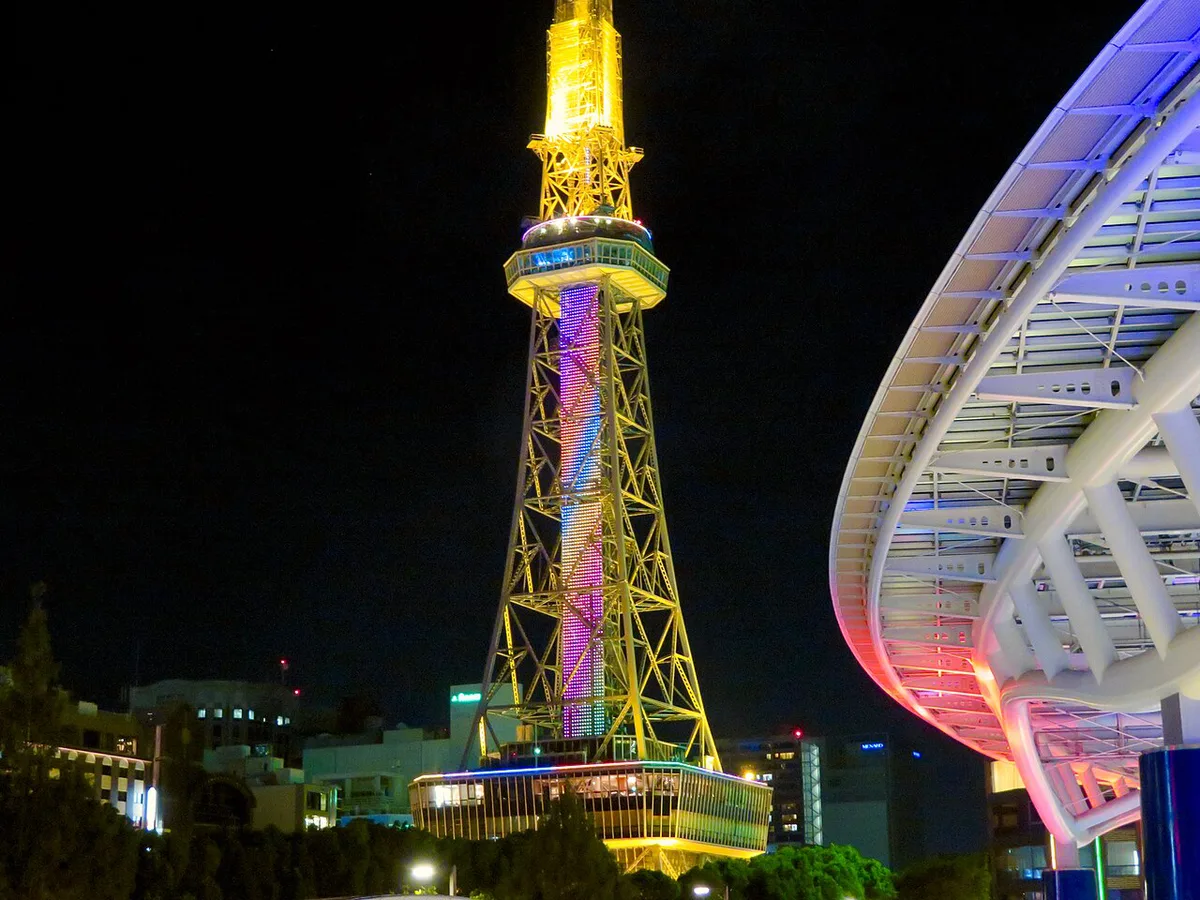
January is Nagoya's coldest month, with average highs near 9°C (48°F) and lows around 1°C (34°F). December stays milder, with daytime highs of 14°C (57°F) easing toward 10°C (50°F) by month's end. Readings rarely drop below 6°C (43°F) or climb above 17°C (63°F) in the city itself. A seasonal wind known as the Ibuki Oroshi sweeps in from the west, adding a biting chill that makes the air feel colder than the thermometer suggests. Humidity drops sharply through the season as well. Nagoya sees only about a 25% chance of rain and roughly a 1% chance of snow in December within city limits. Pack accordingly, since drugstores stock exactly what the season demands. For month-by-month averages across the full year, see the Nagoya weather by month guide.
- Warm layers plus a hat and gloves
- A windproof or insulated jacket for the Ibuki Oroshi wind
- Heavy-duty moisturizer and lip balm for the dry air
- Kairo heat pads, sold at any drugstore or convenience store
- Winter boots with good traction if a snow country day trip is planned
Nagoya Winter Season Comparison: December, January, and February
Winter conditions shift enough across three months that timing changes what an itinerary should prioritize. This table lines up temperatures, mountain conditions, and the Nabana no Sato price for each stretch.
| Period | Nagoya City Temps | Mountain Day-Trip Temps | Signature Events | Nabana no Sato Price |
|---|---|---|---|---|
| Early Winter (Dec 1-25) | 14°C to 10°C (57°F-50°F) | 7°C to 2°C (45°F-35°F), snow chance climbing 5% to 20% | Christmas Market at Hisaya Odori Park; Aqua-Christmas at Nagoya Port Aquarium | ¥3,200 (from Nov 21) |
| New Year Stretch (Dec 26-Jan 3) | Trending toward January's 9°C/1°C (48°F/34°F) average | Gifu ski areas open | Nagoya Castle Winter Festival on Jan 1 (free); hatsumode at Osu Kannon | ¥3,200; closed Jan 6-7 |
| Late Winter (Feb) | Similar to January, daylight slowly lengthening | Coldest air of the season in the Alps | Konomiya Naked Festival (Feb 19, 2027); Toba Fire Festival (2nd Sunday) | ¥3,200 through Feb 28 |
Top Winter Experiences in Nagoya City
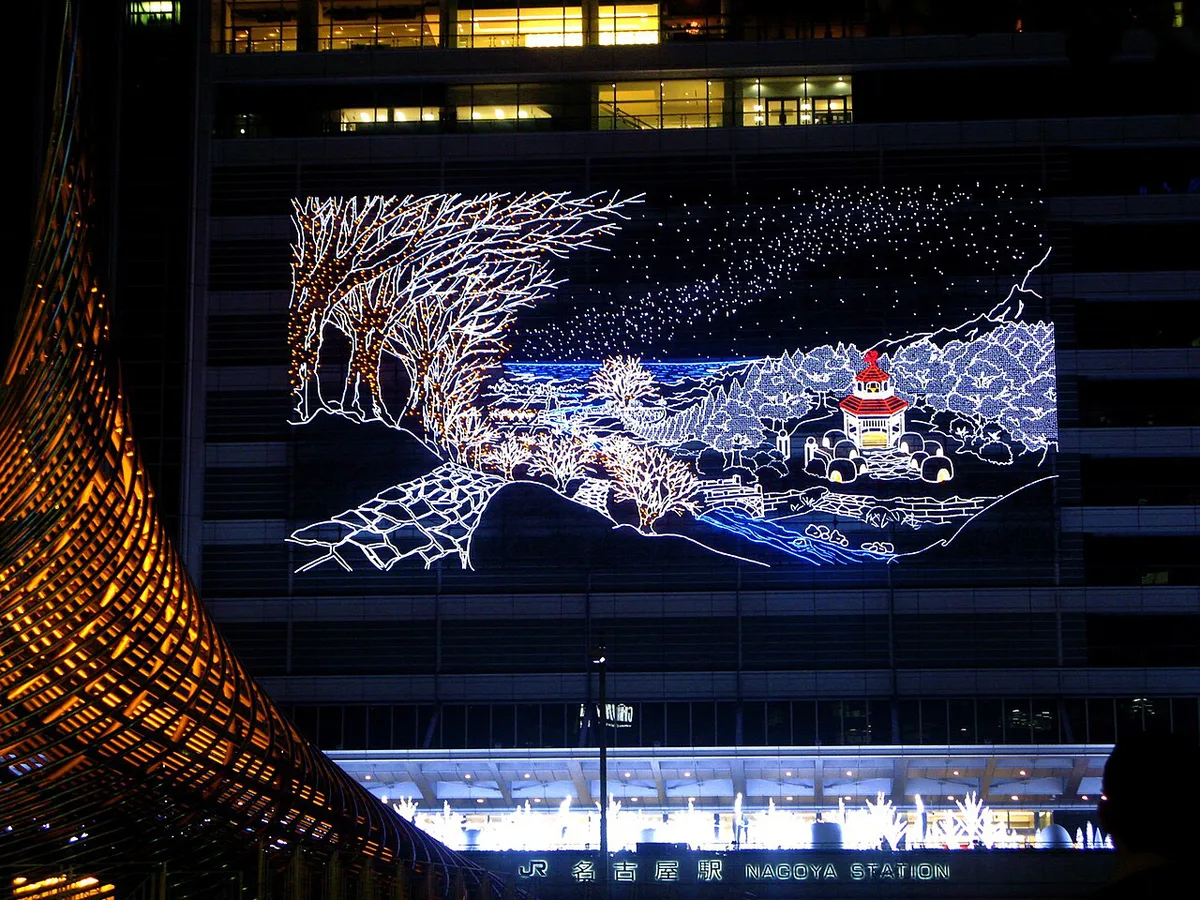
Nagoya Castle's regular admission runs ¥1,000 for adults, with children admitted free, and the grounds open daily from 9:00 am to 4:30 pm. On January 1, the castle hosts its Winter Festival. Gates open at 9:00 am for free entry. Ninja and traditional dance performances mark the year's first opening of the gates. For more on the grounds, see the Nagoya Castle Visiting Guide: 8 Things to Know. Osu Kannon draws large hatsumode crowds for the first shrine visit of the year, busiest between January 1 and 3. Illuminations light up the city from Sakae to the port district each evening in December. A handful stand out enough to plan an evening around. Aichi Prefecture's tourism board catalogs seasonal illuminations across the region on its Aichi Now guide, useful for confirming exact light-up dates before a trip.
With sunsets as early as 4:40 pm in December, schedule outdoor attractions like Nagoya Castle before mid-afternoon, then enjoy evening illuminations across Sakae and the port district.
- Hisaya Odori Park Christmas Market: weekdays 4:00-9:00 pm, weekends 11:00 am-9:00 pm, extended to 9:00 pm on December 24 and 25
- Nagoya Port Aquarium Aqua-Christmas: runs through December 25, 9:30 am-5:30 pm (9:30 am-5:00 pm from December 2)
- Oasis 21 Galaxy Rink outdoor ice skating: admission ¥700-¥1,500 depending on age and day, open 1:00-8:00 pm weekdays and 10:00 am-8:00 pm weekends and holidays
Nagoya Meshi: The Winter Comfort-Food Menu
Nagoya Meshi, the city's signature cuisine, leans into rich, salty, miso-forward flavors that suit cold weather. Miso Nikomi Udon tops the list. Thick, chewy noodles simmer in a boiling Hatcho miso broth, often finished with a raw egg that cooks in the bowl's heat. Yamamotoya Honten is the long-established shop most often recommended for it. Miso Oden differs sharply from the clear, light broth found in Tokyo. Nagoya's version turns dark, sweet, and deeply flavored from a miso base that soaks into daikon, egg, and tofu. Hitsumabushi, grilled eel served three ways in one meal, works well in winter because of the fish's higher fat content. It pairs naturally with a broader look at the city's other 20 Best Nagoya Attractions worth building a food-focused day around.
| Dish | Why It Works in Winter | Budget Level |
|---|---|---|
| Miso Nikomi Udon | Served boiling in a clay pot with Hatcho miso broth | Budget to mid-range |
| Miso Oden | Dark, miso-based broth, richer than Tokyo's clear version | Budget |
| Hitsumabushi | Grilled eel's higher fat content suits cold-weather appetite | Mid-range to splurge |
| Amazake | Warm, low-alcohol sweet rice drink served at shrines and festivals | Budget |
Winter Day Trips: Nabana no Sato, Gero Onsen, and the Snow Country
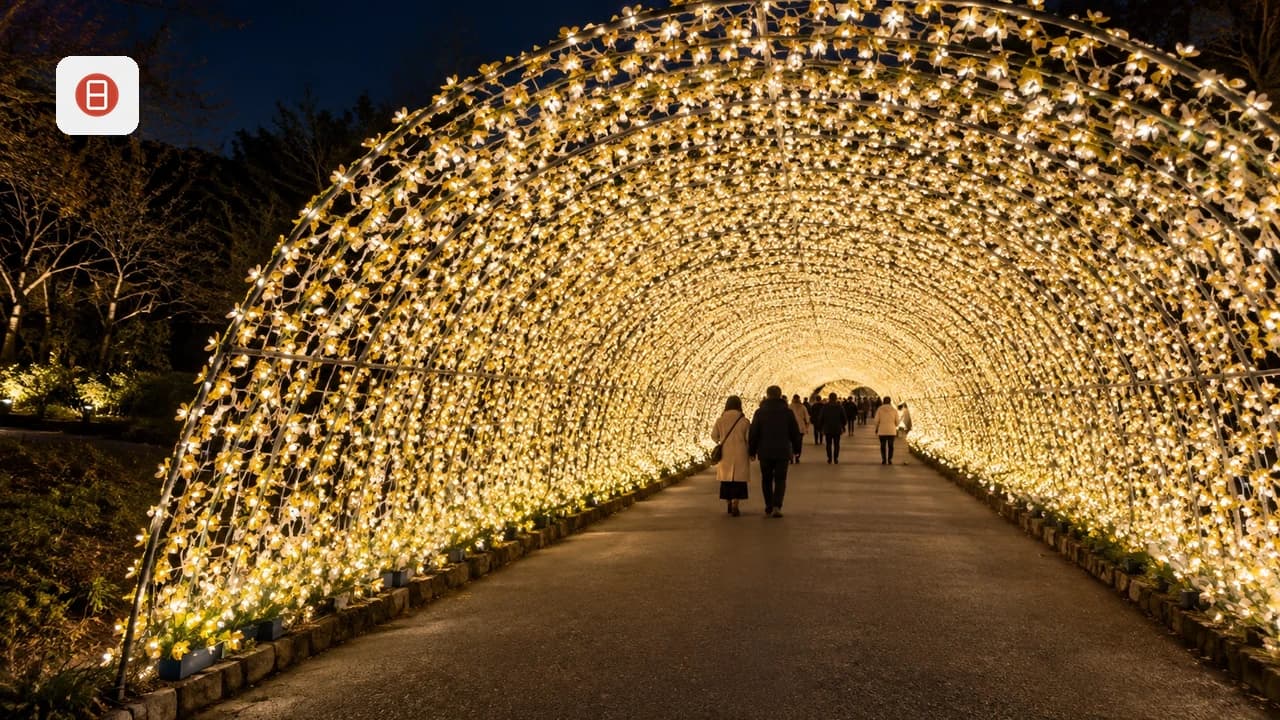
Nabana no Sato ranks as the top single day trip for winter light displays, run from Kuwana in neighboring Mie and reachable by bus from the Meitetsu Bus Center. Its winter light-up runs nightly from 10:00 am to 9:00 pm, with some evenings extended to 10:00 pm. Pricing shifts with the season. Adult admission runs ¥2,700 from October 17 through November 20, including a ¥1,000 consumption voucher. From November 21 through February 28, admission rises to ¥3,200, still including the ¥1,000 voucher, according to Nagashima Resort's official site. It stays open through the New Year holiday, closing only on January 6 and 7. Confirm the last return bus before heading out, since evening services thin out once the light show ends. For the full layout and light-tunnel routes, see the Nabana no Sato Guide: Illumination Dates, Tickets, and Getting There from Nagoya. Shirakawago and Takayama sit further out in Gifu's mountain country, reachable by bus, and both are worth the extra travel time in snow season. Shirakawago's gassho-zukuri thatched-roof houses, a UNESCO World Heritage Site, look their best under fresh snowfall. Waterproof boots with real traction are worth packing for the walk between them. Takayama adds a daily morning market and the historic Sanmachi District, where century-old wooden buildings now house sake breweries and craft shops. Gero Onsen makes an easier half-day escape, about 90 minutes from Nagoya by the Wide View Hida limited express. Its hot spring town has dozens of baths to choose from. Visitors who prefer to skip a full soak can use separate foot and hand baths instead. Gozaisho Ropeway climbs into frost-coated trees known locally as juhyo on cold, clear mornings; confirm current operating dates before planning around it.
New Year's Travel Survival Guide (December 29 to January 3)
December 29 through January 3 runs on a different schedule than the rest of the year. Nagoya Castle usually closes December 29 through 31, reopening for its free Winter Festival on January 1. Many independent restaurants and family-run shops close during the same stretch, along with the Toyota Commemorative Museum of Industry and Technology. Ghibli Park's holiday closures shift year to year, so check the Ghibli Park from Nagoya Guide: 10 Essential Tips for the current schedule before building a day around it. Department stores generally reopen around January 2, and shrines stay busy with hatsumode crowds through January 3. Chain restaurants and convenience stores keep running throughout, so meals are never in question even when smaller kitchens are dark. Nabana no Sato stays open across the holiday itself, closing only on January 6 and 7. Shinkansen seats sell out weeks ahead of the New Year's U-turn travel rush, so book those legs early if the trip includes a return through Nagoya Station.
While most attractions close during New Year's, Nabana no Sato remains open except January 6 and 7, offering reliable access when many restaurants and cultural sites shut down.
Deep-Winter Festivals: Naked Festival and Toba Fire Festival
February brings two of the region's more unusual festivals. Konomiya Naked Festival, or Hadaka Matsuri, dates back more than 1,200 years and centers on driving out bad luck. Hundreds of men in white loincloths parade through Inazawa carrying shrines while onlookers douse them with buckets of freezing water. A single Shinotoko, or God Man, runs naked through the crowd as people try to touch him and pass off misfortune. A 2027 date is set for February 19; confirm it closer to the trip since festival calendars can shift. Toba Fire Festival follows a similar winter-purification theme on the second Sunday of February at Toba Shinmeisha Shrine in Nishio. Participants climb two massive flaming torches, competing to strip sacred wood and rope from the blaze. Gujo Hachiman, a quiet water town normally associated with its summer Bon Odori crowds, holds its Kanzarashi Festival in late January and early February instead, dyeing carp-streamer fabric and soaking it overnight in the icy Nagara River. For the full winter festival calendar, including hatsumode timing and illumination dates, see the Nagoya Festivals Guide: 8 Key Insights for Travelers.
Where to Stay and How to Get Around in Winter
Meieki, the district around Nagoya Station, works best as a winter base. It puts early snow-country trains and the Meitetsu Bus Center within walking distance, which matters when a day trip starts before sunrise. Budget, mid-range, and luxury hotel options all cluster within a few blocks of the station, so the choice comes down to preference rather than location. The Meguru Loop Bus covers the main city sights, including Nagoya Castle, on a fixed daytime loop. Confirm its holiday timetable directly before New Year's, since service often shrinks to a reduced schedule during that week. Early sunsets, as early as 4:40 pm in December, cut outdoor sightseeing time short. Plan on visiting an indoor museum or covered market in the mid-afternoon, then transition to illuminations once the sky goes dark.
Frequently Asked Questions
Does it snow in Nagoya in winter?
Snow rarely falls within Nagoya's city center, with roughly a 1% chance on any given December day. Gifu's surrounding mountains see far more accumulation, with snowfall odds climbing from about 5% early in the month to around 20% by late December.
What is the coldest month in Nagoya?
January is the coldest month, with average highs near 9°C (48°F) and lows around 1°C (34°F). December runs milder, with highs closer to 14°C (57°F) at the start of the month.
What should you pack for a winter trip to Nagoya?
Pack warm layers, a hat, and gloves, along with a windproof jacket for the Ibuki Oroshi wind. Add heavy-duty moisturizer and kairo heat pads for the dry winter air, and bring winter boots with real traction for any snow country day trip.
Is Nagoya Castle open on New Year's Day?
Yes, Nagoya Castle hosts its free Winter Festival on January 1, with gates opening at 9:00 am. It usually closes for the preceding days, December 29 through 31, so plan around that gap.
How much does Nabana no Sato cost in winter?
Winter admission runs ¥3,200 from late November through February 28, including a ¥1,000 consumption voucher, according to Nagashima Resort's official site. It stays open through the New Year holiday except for January 6 and 7.
When is the Konomiya Naked Festival?
A 2027 edition is scheduled for February 19 in Inazawa, Aichi Prefecture. Festival dates can shift, so confirm the calendar closer to any trip built around it.
Free: The Nagoya Essentials guide
Top things to do, where to stay, a perfect day plan, getting around, and the best time to go — a Nagoya mini-guide you can take offline.
You might also like


Continue reading
More guides you'll find useful