
Top Hiroshima Experiences
Discover the best Hiroshima experiences in 2025. A complete guide featuring must-see attractions, historical sites, and cultural gems. Plan your trip now!
On this page
Hiroshima rewards travellers who plan around two things: the tides at Miyajima and the opening hours of the Peace Memorial Museum. Get those right and the rest of the city — okonomiyaki counters in Hondori, the castle moat, the sake breweries 30 minutes east in Saijo — falls into place over two unhurried days. This 2026 guide ranks the experiences that actually fill SERP queries for the city, with concrete prices in yen, transit times from Hiroshima Station, and the practical timing tricks most guides skip. Use it alongside our broader things to do in Hiroshima overview, the more active Hiroshima adventures list, and the Hiroshima culture guide. You can also browse Hiroshima landmarks, evening picks in Hiroshima nightlife, what's on in Hiroshima events, the short-list of Hiroshima highlights, hands-on Hiroshima activities, the day-by-day Hiroshima itinerary, and the full Hiroshima attractions map.
Peace Memorial Park and Museum
The Peace Memorial Park is the experience that anchors most Hiroshima trips, and it works best as an early-morning visit before tour buses arrive. The Peace Memorial Museum opens at 08:30 (last entry 17:30, later in summer) and admission is 200 yen for adults, 100 yen for high-school students, and free for younger children. Plan ninety minutes inside the main building — the East Building covers historical context, the Main Building holds the personal artifacts that most visitors find emotionally heaviest.
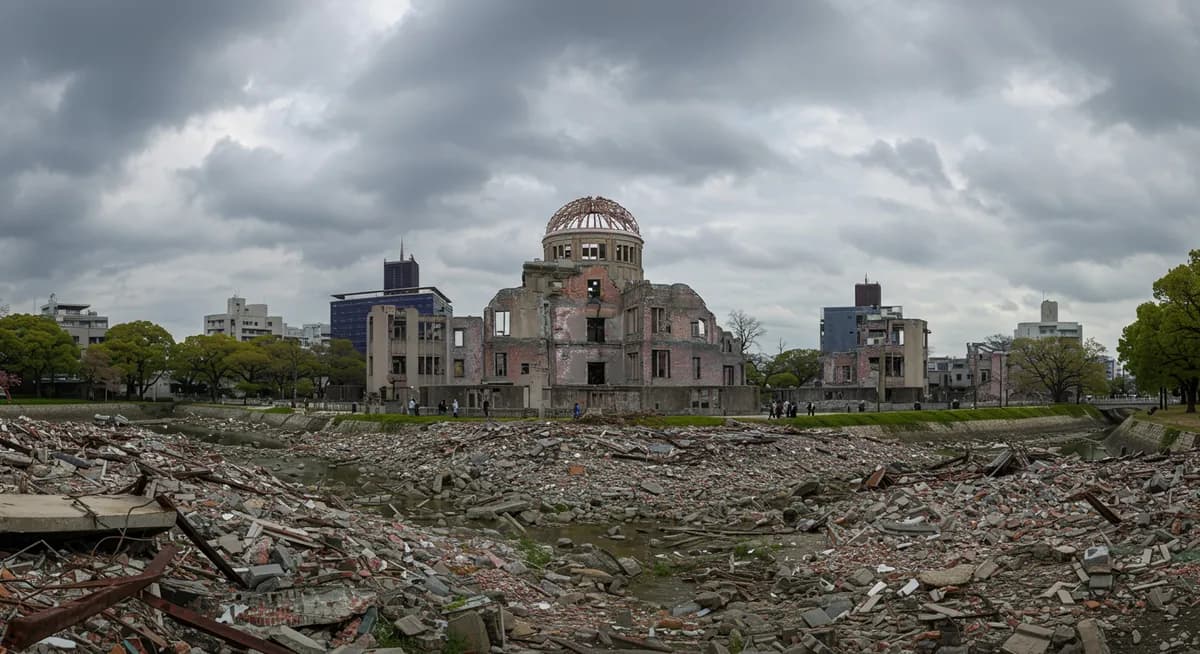
Allow another hour for the open-air monuments: the A-Bomb Dome, the Children's Peace Monument with its cascade of paper cranes, the Cenotaph, and the Flame of Peace. English-language audio guides cost 400 yen. If you want a guided perspective, free volunteer guides operate from the Rest House on the south side of the park most mornings; book at least two days ahead through the city's volunteer-guide service. For deeper context away from the tourist flow, the Honkawa Elementary School Peace Museum a five-minute walk west of the park is free, often empty, and shows the building's preserved blast-damaged classroom.
Miyajima Island and Itsukushima Shrine
Miyajima is the second pillar of any Hiroshima trip and timing it around the tide is what separates a good visit from a generic one. Itsukushima Shrine and its vermillion torii gate appear to float at high tide and reveal a walkable seabed at low tide — both are worth seeing, so check the Japan Meteorological Agency tide tables for Miyajima before you commit to a half-day or a full day. A full tide cycle runs roughly six hours.
From Hiroshima Station, take the JR Sanyo Line to Miyajimaguchi (about 25 minutes, 420 yen), then the JR ferry across (180 yen one-way, covered by JR Pass). On the island, the shrine costs 300 yen and Daisho-in Temple — quieter, with hundreds of jizo statues and a sand mandala — is free. The Mount Misen ropeway costs 2,000 yen return and saves an otherwise steep 90-minute hike to the 535-metre summit. Stay past sunset if you can; the torii is illuminated until 23:00 and the day-trip crowds clear out after the 17:00 ferry. Rikyu Manju and grilled oysters from the lanes near the pier are the local snacks worth queueing for.
Hiroshima-Style Okonomiyaki
Hiroshima okonomiyaki is layered, not mixed — that's the dividing line with Osaka's version. Batter goes down first, then a mound of cabbage, bean sprouts, pork belly, soba or udon noodles, a fried egg, and a finish of okonomiyaki sauce, aonori, and bonito. Counter seating in front of the teppan is half the experience. Okonomimura, a four-storey building near Hatchobori with 24 stalls, is the famous tourist option but locals send visitors to Nagataya near the Peace Park or Hassei in Yokogawa for more refined versions. Expect 950–1,400 yen per portion.
For a hands-on cooking experience, OKOSTA next to Hiroshima Station runs 90-minute classes (around 4,500 yen) where you cook your own on the teppan with an English-speaking guide. Pair it with a stop at one of the city's standing sake bars for a proper local meal.
Saijo Sake-Brewery District
Saijo is the Hiroshima experience most international guides leave out and the one that gives you the most return for the least effort. Thirty minutes east of Hiroshima Station on the JR Sanyo Line (770 yen, no Shinkansen needed), the town centre clusters eight active sake breweries within a ten-minute walk of Saijo Station, making it one of Japan's three great sake regions alongside Nada and Fushimi. White-walled brewery chimneys mark the route; tasting flights typically run 500–1,000 yen for three to five pours, and English signage has improved markedly in 2026.
Kamoizumi, Kirei, and Kamotsuru are the standout stops — Kamotsuru's daiginjo was famously served at the 2014 Obama-Abe state dinner. The first weekend of October brings the Sake Matsuri, when 900-plus sakes from across Japan are poured under one ticket; book accommodation in Hiroshima months ahead. Outside festival weekends Saijo is uncrowded, walkable, and easily paired with a morning at the Peace Park.
Hiroshima Castle and Shukkei-en Garden
Hiroshima Castle, nicknamed the Carp Castle, was reconstructed in 1958 after the original was destroyed in the bombing. The five-storey keep houses a samurai history museum (370 yen, 09:00–18:00) and the upper floor offers a free 360-degree view over central Hiroshima. The grounds and moat are free and pleasant for a 30-minute loop, particularly in late March and early April when the cherry trees along the inner moat bloom.
A 10-minute walk east, Shukkei-en is a 17th-century scholar's garden modelled on Lake Xihu in China. Admission is 260 yen and the path circles a central pond crossed by the arched Koko-kyo bridge. Shukkei-en sits within a kilometre of both the castle and the Hiroshima Museum of Art, so chaining all three into a single morning works well on a rainy or hot day.
Day Trips: Onomichi, Tomonoura, and the Shimanami Kaido
Hiroshima Prefecture rewards anyone willing to spend a day outside the city. Onomichi, 90 minutes east on the JR Sanyo Line (1,520 yen), is a hillside port town with cat-lined alleys, a temple walk, and a famous ramen style heavier on chicken-pork broth than soy. From Onomichi the Shimanami Kaido — a 70-kilometre cycling route across six islands and seven bridges to Imabari on Shikoku — is the best long-distance ride in Japan; rental bikes start at 2,000 yen per day and the full route takes most riders 8–10 hours, though you can ride one or two islands and return on the bus.
Tomonoura, a fishing port that inspired Studio Ghibli's Ponyo, sits 15 minutes by bus from Fukuyama Station and shows what an Edo-era harbour town looked like before tourism reshaped the Inland Sea. Closer to the city, Iwakuni's five-arched Kintai Bridge is reachable by bus in under an hour and pairs well with a morning at Miyajima.
Costs, Passes, and How to Get Around
Hiroshima is the cheapest of Japan's major tourist cities to navigate. The Hiroden tram, which runs across the city centre and to Miyajimaguchi, costs a flat 240 yen per ride within the city or 270 yen for the longer route to the ferry. A one-day Hiroden pass is 700 yen and pays for itself by the third ride. The Meipuru-pu sightseeing loop bus links Hiroshima Station, the Peace Park, the castle, and Shukkei-en for 200 yen per ride or 400 yen all day — a pass JR Pass holders ride free.
Budget visitors should expect 6,000–9,000 yen per day excluding accommodation: roughly 1,500 yen for transit, 2,500–4,000 yen for food, and 1,500–3,000 yen for entrance fees. The JR Pass covers the Shinkansen from Tokyo (around 4 hours) and Osaka (90 minutes) plus the JR Miyajima ferry, so most travellers won't need additional regional passes. Two full days in the city plus a half-day in Saijo or Onomichi is the right minimum to avoid rushing.
Accessibility, Etiquette, and Common First-Timer Mistakes
The Peace Memorial Museum is fully wheelchair-accessible with lifts on every floor and free wheelchair loans at the entrance; the Park itself is flat with paved paths. Miyajima is partially accessible — the shrine's main hall has step-free routes but the Mount Misen ropeway upper trails do not. Tactile maps and Braille pamphlets are available at the Peace Park information centre. The shrine and most temples expect visitors to remove shoes inside; bring socks if you plan to enter the inner halls. At the Cenotaph, walking between the arch and the Flame of Peace is considered disrespectful — use the side paths.
The most common first-timer mistake is treating Miyajima as a two-hour stop. Anything less than four hours leaves you choosing between the shrine and Daisho-in or Mount Misen, and you will inevitably hit the wrong tide. The second mistake is buying the JR Pass for a Hiroshima-only trip; if you're not going on to Kyoto or Tokyo, a one-way reserved Shinkansen ticket plus the Hiroden day pass is cheaper. Finally, plan around museum closing days — the Peace Memorial Museum closes 30 December to 1 January, and Hiroshima Castle is closed on December 29–31.
Putting It All Together
A focused two-day plan covers most of what makes Hiroshima distinctive: morning at the Peace Memorial Park, afternoon at Hiroshima Castle and Shukkei-en, and an evening okonomiyaki dinner on day one; full day on Miyajima timed to high tide on day two with a sunset return. Add a half-day in Saijo or Onomichi if you have a third day. To turn these picks into a step-by-step plan with train times and walking routes, follow our Hiroshima 1 day itinerary or the longer Hiroshima itinerary, and cross-reference the practical things to do in Hiroshima page before you book trains.
For trip-planning logistics around these experiences (transit, lodging, money tips), the complete Hiroshima travel guide is the companion overview.
 Kagoshima Culture GuideFebruary 17, 2025
 Matsumoto Nights: Nightlife GuideFebruary 17, 2025
 Top Things To Do in HiroshimaFebruary 17, 2025